

Stellenbosch Wine Guide
Wineries in Stellenbosch
View all 32 wineries →Signature Sips
Here, the reds reign supreme, particularly those crafted from , which finds a profound sense of place in the diverse soils. Expect wines of deep colour, nuanced complexity, and an age-worthiness that speaks of their pedigree. , a grape born of this land, offers a distinctly South African character, often showcasing notes of plum, cherry, and subtle spice. Beyond the power of red, elegant Chardonnays, with their bright acidity and often delicate oak influence, provide a refreshing contrast, along with crisp Sauvignon Blancs that capture the freshness of coastal breezes. Each pour is a reflection of the region’s unique microclimates and skilled craftsmanship.
Terroir and Vineyards
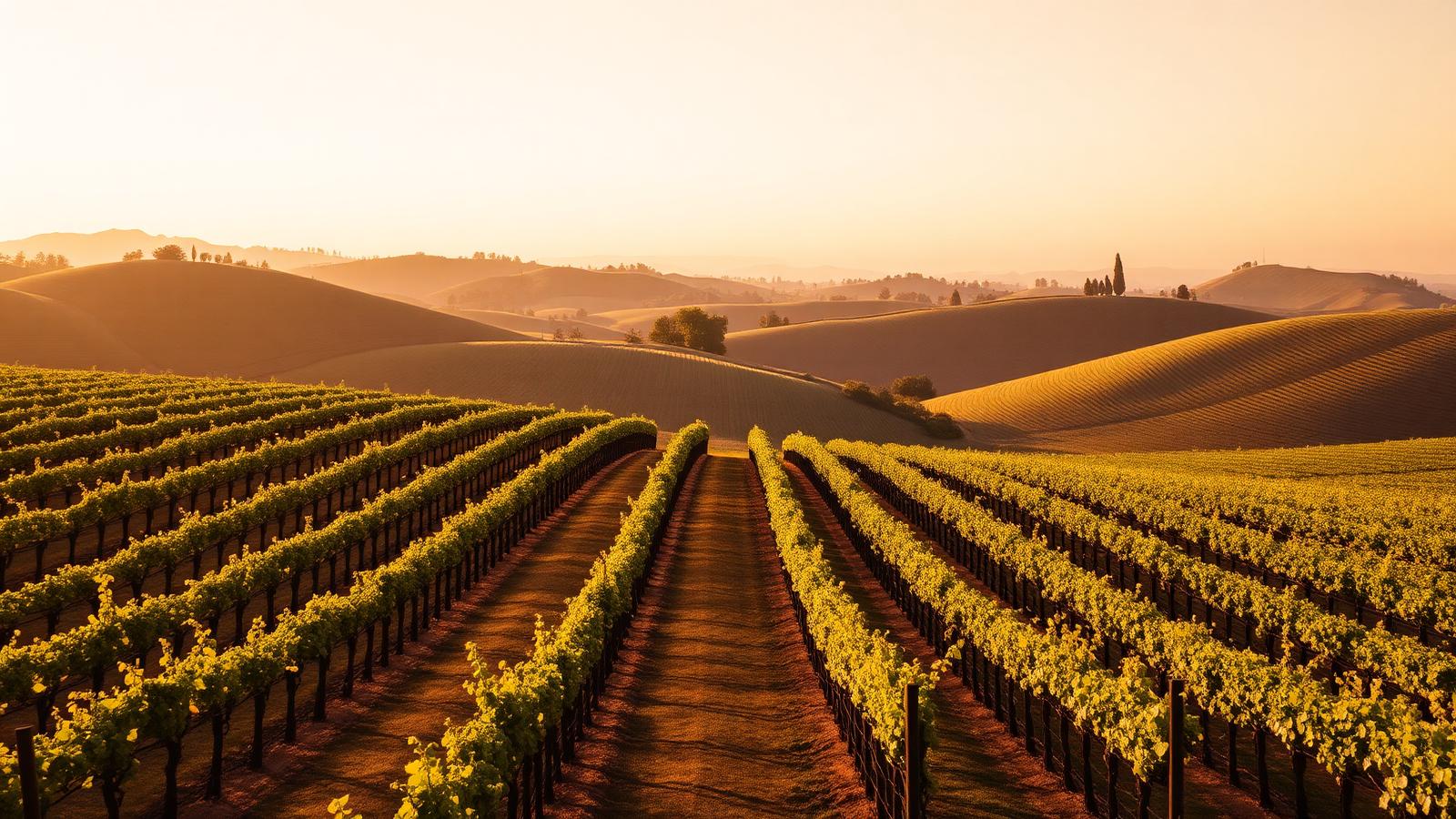
The heart of this region beats to the pulse of its diverse geology. Imagine rolling hills where decomposed granite imparts a fine minerality to , or sun-drenched slopes of weathered shale giving structure to an elegant . The varied elevations and orientations create a mosaic of microclimates, allowing different grape varieties to find their ideal expression. Ocean-cooled valleys nurture vibrant , while warmer inland pockets ripen intensely-flavoured . It’s a landscape that invites exploration, each vineyard block a unique chapter in the story of the land, shaped by ancient geological forces and the meticulous hand of generations.
Planning a visit to Stellenbosch
Best time to visit Stellenbosch
Late spring and early autumn are the choices — comfortable weather, generous light, and vineyards at their most photogenic. Summer is warmer and livelier, with long evenings and outdoor tables everywhere. Winter is peaceful, cellars are quiet, and there's a real intimacy to visits without the crowds.
Where to base yourself
The main village or town in Stellenbosch is usually the easiest base — it puts you in walking distance of restaurants and daily life, with vineyards a short drive away. Staying in the countryside is quieter and more romantic, but you'll rely more on a car or a driver. Both are valid; pick the mood you want your trip to have.
Getting to Stellenbosch
Most travellers reach Stellenbosch by combining a flight into the nearest major city with a train, bus, or rental car for the last leg. Once you arrive, distances are usually short — many memorable days here involve less driving than you'd expect.
Making the most of a day in Stellenbosch
A good day in Stellenbosch tends to have a shape: a slow morning, a couple of unhurried tasting stops, a proper local lunch, and time in the late afternoon to walk, nap, or take in a view. Try not to over-plan — the best moments usually turn up between the ones you scheduled.
Frequently asked questions
What is the best way to explore the wine-growing areas in this region?
Many visitors find a combination of self-driving and pre-arranged tours to be ideal. The area is quite spread out, so having your own vehicle offers flexibility. However, for a truly relaxed experience, especially when tasting, consider booking a guided tour that includes transportation. Many reputable local companies offer bespoke itineraries, often focusing on smaller, family-run estates or specific wine styles. Cycling between some closer points is also an option, particularly during the milder seasons, for those who enjoy an active exploration of the beautiful countryside, always with responsible enjoyment in mind.
What kind of weather should I expect during my visit?
This region experiences a Mediterranean climate, meaning warm, dry summers and cool, wet winters. During the summer months (December to February), temperatures can reach into the high 20s or low 30s Celsius, perfect for outdoor activities but ensure you stay hydrated. Winters (June to August) are milder, with daytime temperatures around 15-20°C, and occasional rainfall. Spring (September to November) and autumn (March to May) are often considered the most pleasant, with temperate conditions and the vibrant spectacle of either budding vines or the colourful changing leaves of harvest.
Are there good non-wine related activities in the area?
Absolutely! Beyond the vine, the region offers a wealth of experiences. The charming town at its heart boasts stunning Cape Dutch architecture, art galleries, and boutique shops perfect for a leisurely stroll. Nature lovers can explore hiking and cycling trails in the surrounding mountains and nature reserves, offering breathtaking views and diverse Fynbos vegetation. The area also has several renowned golf courses, and opportunities for horse riding through vineyards are sometimes available. There are also farmers' markets showcasing local produce, crafts, and a vibrant community spirit.
What are the common choices for accommodation in the region?
Accommodation in this area caters to a variety of preferences and budgets, ranging from charming guesthouses and boutique hotels nestled within the town, offering easy access to shops and restaurants, to luxurious country lodges set amidst vineyards, providing a tranquil escape and often exceptional dining experiences. Many establishments are family-friendly, and some even offer self-catering cottages for a more independent stay. Booking in advance, especially during peak season (December to February), is highly recommended to secure your preferred option and ensure a comfortable base for your explorations.