

Rioja Wine Guide
Wineries in Rioja
View all 1 wineries →Villages & Vistas
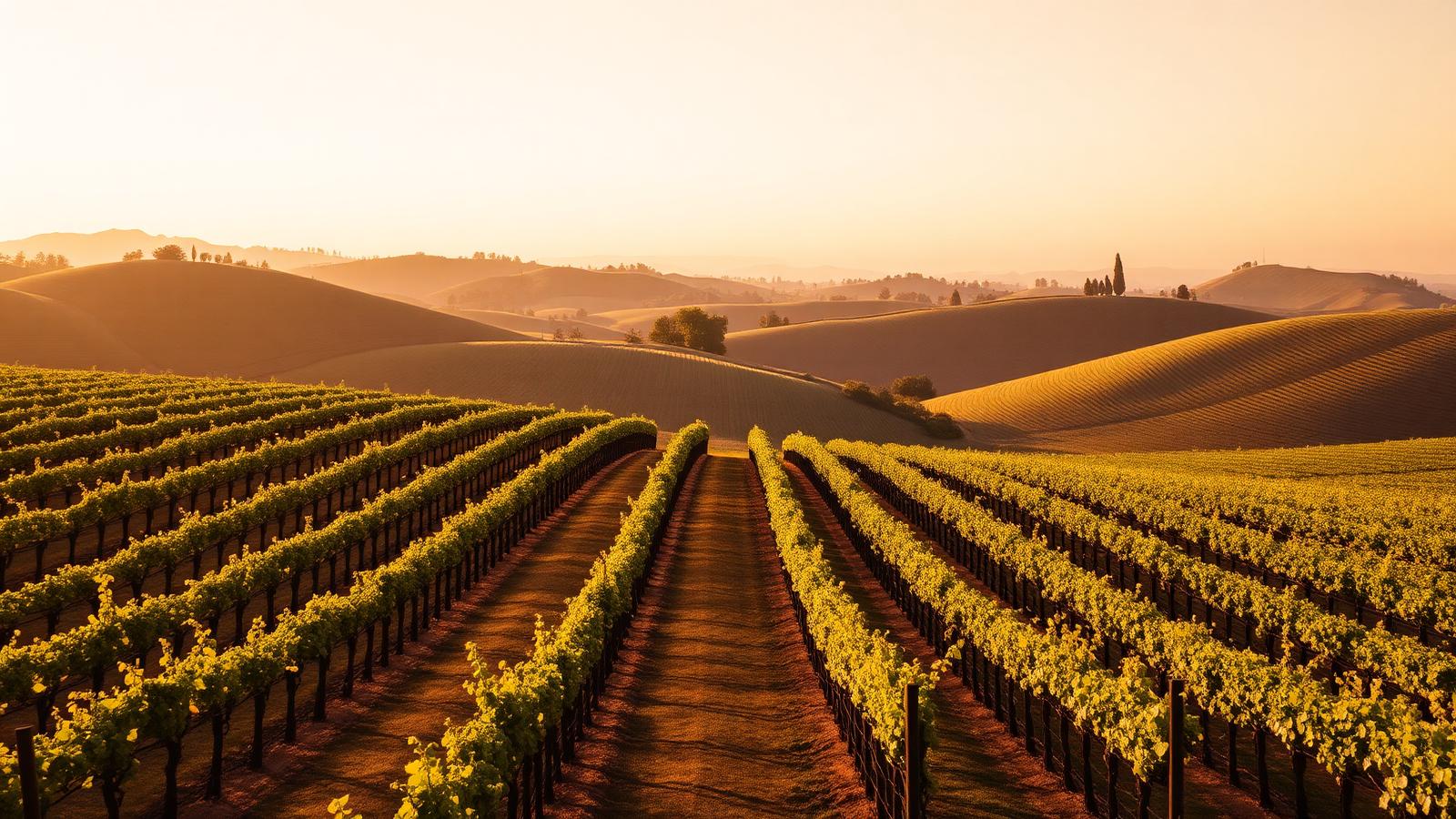
Driving through Rioja is like turning the pages of an old storybook. Perched stone villages crown strategic hillsides, their medieval walls and narrow streets whispering tales of past sieges and daily life. Below, the countryside ripples with vineyards meticulously shaped by generations, often interspersed with ancient olive groves and pockets of fragrant almond trees. From elevated viewpoints, one can see the Ebro winding its way through the valley, flanked by the protective arc of mountains. The landscape shifts gently from the verdant slopes kissed by Atlantic influence to the drier, sun-baked plains, each vista offering a new perspective on this rich agricultural mosaic.
Grapes of the Ebro
The heart of Rioja's identity beats with the rhythm of its grapes, principally . This noble , a true child of this landscape, yields wines of profound structure, vibrant red fruit, and an elegance that deepens with age. Graciano adds its aromatic spice and acidity, while contributes body and warmth, particularly in the lower, warmer zones. White grapes, predominantly , offer refreshing alternatives, crafting crisp, floral wines, sometimes touched by the subtle vanilla of oak. Each vine, nurtured by diverse microclimates and soils, contributes its unique character to the complex narrative within every bottle, speaking of elevation, exposure, and heritage.
Planning a visit to Rioja
Best time to visit Rioja
Late spring and early autumn are the choices — comfortable weather, generous light, and vineyards at their most photogenic. Summer is warmer and livelier, with long evenings and outdoor tables everywhere. Winter is peaceful, cellars are quiet, and there's a real intimacy to visits without the crowds.
Where to base yourself
The main village or town in Rioja is usually the easiest base — it puts you in walking distance of restaurants and daily life, with vineyards a short drive away. Staying in the countryside is quieter and more romantic, but you'll rely more on a car or a driver. Both are valid; pick the mood you want your trip to have.
Getting to Rioja
Most travellers reach Rioja by combining a flight into the nearest major city with a train, bus, or rental car for the last leg. Once you arrive, distances are usually short — many memorable days here involve less driving than you'd expect.
Making the most of a day in Rioja
A good day in Rioja tends to have a shape: a slow morning, a couple of unhurried tasting stops, a proper local lunch, and time in the late afternoon to walk, nap, or take in a view. Try not to over-plan — the best moments usually turn up between the ones you scheduled.
Frequently asked questions
What is the best way to get around Rioja to fully appreciate its wine culture?
While public transport connects some towns, renting a car offers the most flexibility to explore the region’s charming villages, scenic vineyards, and more secluded bodegas. Distances between points of interest can be considerable, and certain rural roads offer breathtaking views. Alternatively, consider arranging a private driver for a day or two, particularly if you plan to enjoy multiple tastings, ensuring a relaxed and worry-free experience as you delve into the heart of Rioja's wine country. Many local tour operators also offer curated experiences that include transportation.
When is the ideal time of year to visit Rioja for a wine-focused trip?
The shoulder seasons, late spring (May-June) and early autumn (September-October), are often considered ideal. In spring, the vineyards burst with vibrant green, the weather is pleasantly mild, and the countryside is alive with blossoming wildflowers. Autumn brings the spectacle of harvest, a truly magical time to witness the wine-making process firsthand, with cooler temperatures and the vineyards ablaze with golden and russet hues. Summertime (July-August) can be quite warm, while winter offers a quieter, more introspective experience, often with crisp, clear days.
What are some practical tips for booking bodega visits and tastings?
It is highly recommended to book bodega visits and tastings in advance, especially during peak seasons or for Saturdays. Smaller, more traditional operations might have limited tour times or require direct contact to arrange a visit. Many bodegas offer tours in English, but it's always wise to confirm this when booking. Be prepared for a range of experiences, from grand, historical cellars to modern architectural marvels. Allow ample time for each visit, as the experience often extends beyond the tasting itself, encompassing the rich history and philosophy behind the wines.
Beyond wine, what other local experiences should I seek out in Rioja?
Beyond enriching wine experiences, Rioja offers a wealth of cultural and natural beauty. Explore the medieval architecture of Logroño's old town and savor its renowned *pinchos* on Calle Laurel. Discover the ancient monasteries of San Millán de la Cogolla, a UNESCO World Heritage site known as the birthplace of the Spanish language. Enjoy leisurely walks or gentle cycles through the vineyard-laced countryside. Immerse yourself in local markets, where you can sample regional cheeses, olive oils, and cured meats, truly connecting with the vibrant culinary traditions of this enchanting region. Consider a cooking class to delve deeper into local flavors.