

La Rioja Wineries & Wine Tours
Sub-regions
Timeless Villages and Culinary Heart
Beyond the vineyards, La Rioja's charm unfolds in its stone-built villages, where medieval castles stand testament to a storied past and narrow streets invite leisurely strolls. Life here is inherently communal, centred around robust culinary traditions designed to complement the region's wines. Hearty stews, slow-cooked lamb, and the iconic `patatas a la Riojana` reflect the land's bounty and a philosophy of simple, flavourful ingredients. Each meal is an occasion, a gentle unfolding of shared plates and conversation, where the warmth of the local people is as palpable as the aroma from a traditional `asador`.
The Sculpted Landscape and Its Grapes
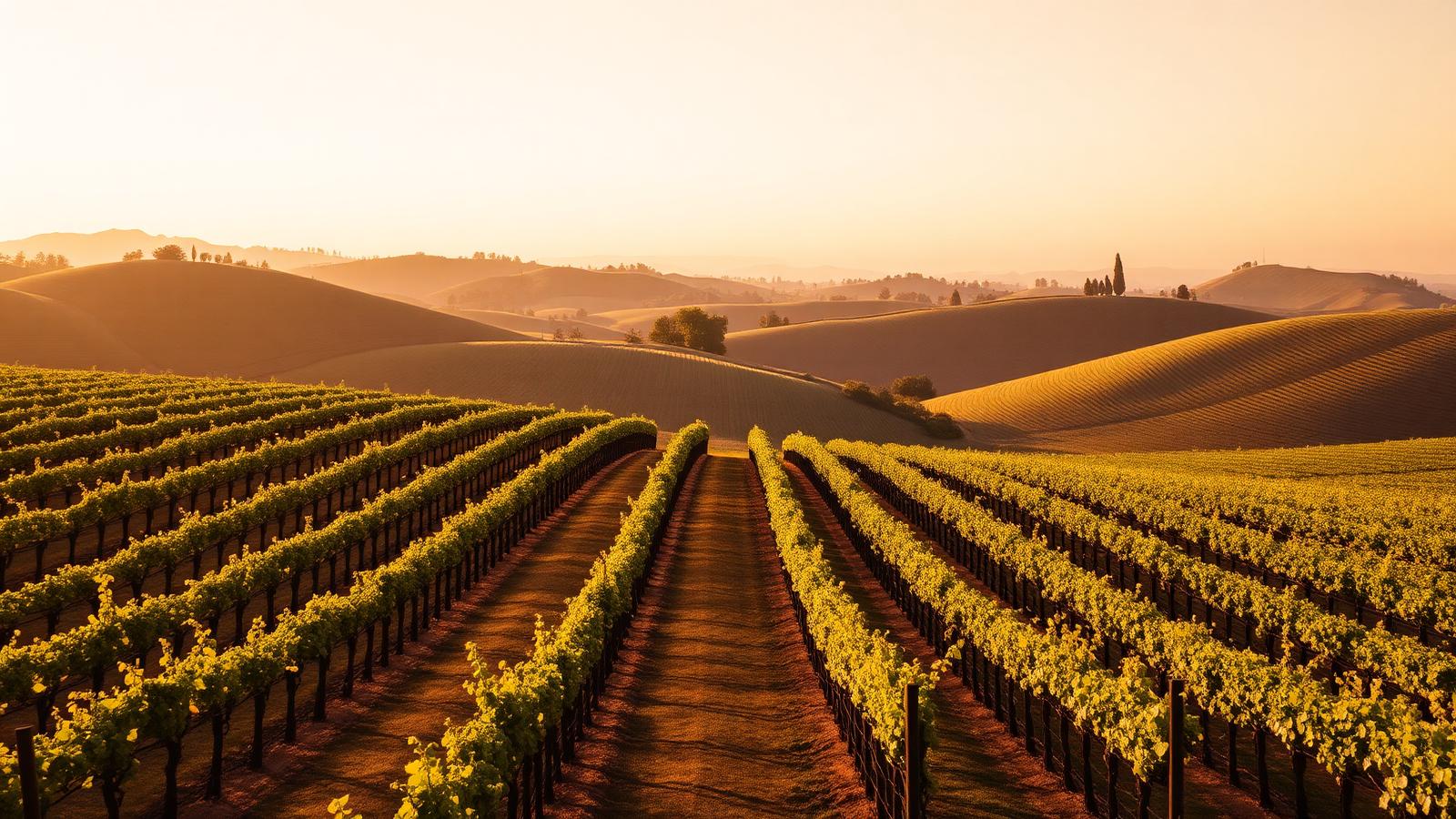
La Rioja's terrain is a symphony of soft undulations, from the foothills of the Cantabrian Mountains to the fertile Ebro valley floor. This diverse topography creates myriad microclimates, each imparting distinct characteristics to the grapes. finds its most profound expression here, offering notes of cherry, prune, and leather, often softened by , , and Graciano. The higher altitudes yield vibrant white wines from and Malvasía, bright and aromatic, sometimes kissed by wood. These varieties thrive in the ochre-red soils and the deep, rich clay, their roots reaching deep into centuries of geological history, drawing complexity from the very earth.
Getting to know La Rioja
What La Rioja tastes like
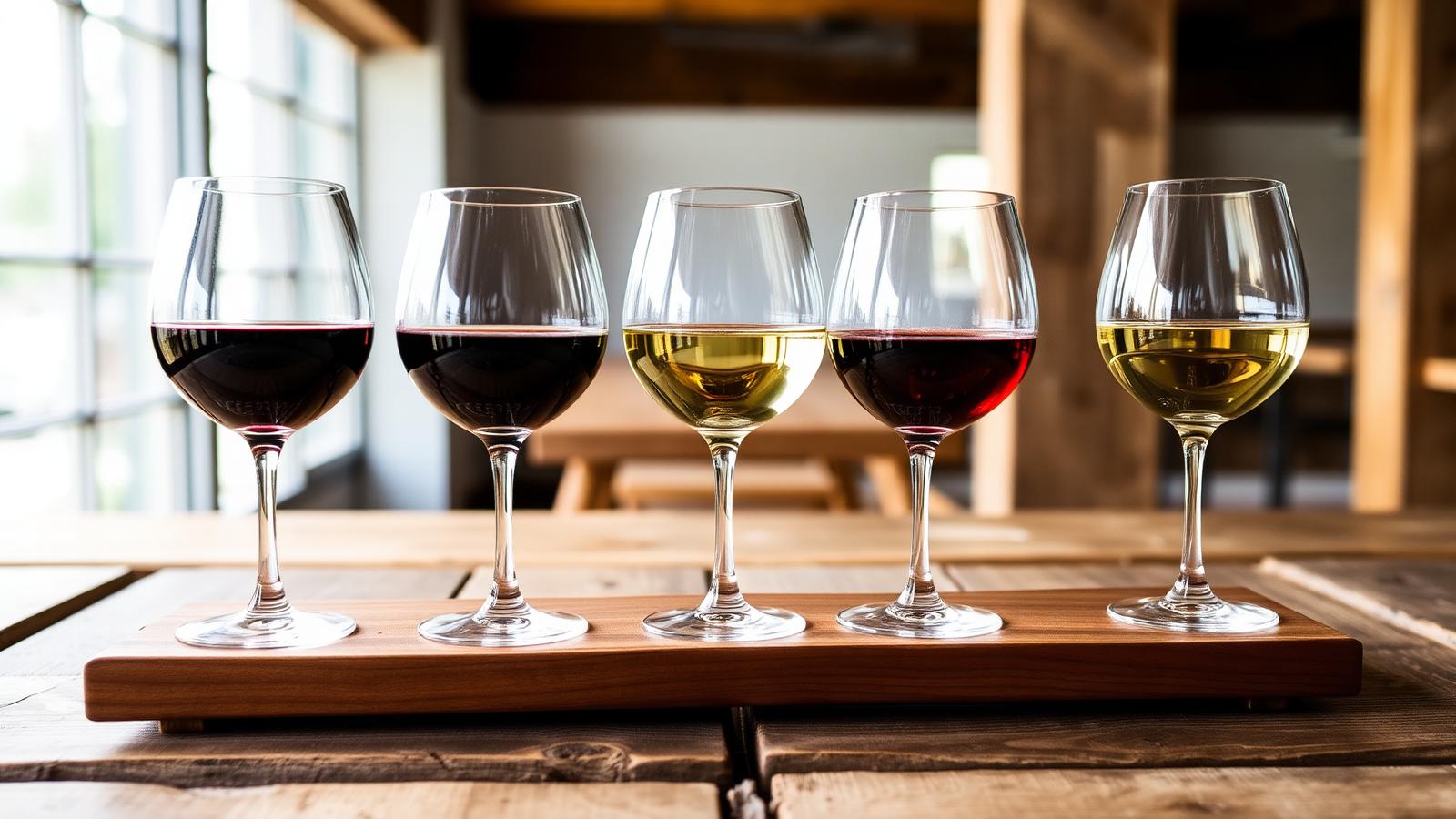
Wines from La Rioja tend to reflect the region's climate and terrain more than any single style. Look for a sense of place in the glass — mineral notes from stony soils, freshness where nights are cool, richer texture where the sun lingers longer. A short flight of local wines is the fastest way to feel the range.
Rhythms of the year
La Rioja moves with the seasons. Spring is quiet and green, summer brings long light and full terraces, harvest is intense and communal, and winter turns the vineyards into a stark, beautiful sculpture. Every season is a good reason to come — they just make very different trips.
Beyond the tasting room
Some of the most memorable moments in La Rioja happen away from the vines: a bakery in the next village over, a viewpoint at sunrise, a slow lunch that turns into a slow afternoon. Leave room in your itinerary for the things you can't plan.
Frequently asked questions
When is the best time of year to visit La Rioja for a wine experience?
The ideal time to visit La Rioja is generally during late spring, from April to June, or in the autumn, particularly September and October. Spring offers pleasant weather, vibrant green landscapes, and fewer crowds, perfect for leisurely explorations. Autumn, especially during September, is harvest season, a truly magical time to witness the vineyards in full activity and sense the energy of winemaking firsthand. Summers can be quite warm, while winters are cooler and quieter, offering a different, more contemplative experience of the region.
What are the primary modes of transport for exploring La Rioja's wine region?
While public transport connects many of the larger towns, a rental car offers the flexibility to truly explore La Rioja's hidden gems and smaller villages at your own pace. The scenic drives through the vineyards are a highlight themselves. For those who prefer a guided experience, there are numerous local tour operators offering services, often including transportation. Cycling is also a popular option for fit travellers, with many well-maintained routes winding through the picturesque countryside and between the charming wine-producing villages.
What types of cuisine should I seek out in La Rioja, beyond wine pairing?
La Rioja's cuisine is hearty and flavourful, deeply rooted in its agricultural traditions. Beyond the excellent wine pairings, be sure to try `Patatas a la Riojana`, a comforting potato and chorizo stew. Roast lamb (`cordero asado`) and other grilled meats are regional specialities, often cooked simply to highlight their quality. Don't miss the local vegetables, especially green asparagus and mushrooms, often prepared with garlic and olive oil. `Pimientos rellenos` (stuffed peppers) and artisanal cheeses also feature prominently on many traditional menus.
Are tastings generally pre-booked or can I simply arrive at wine establishments?
While it's sometimes possible to drop in for a tasting, especially at smaller, family-run establishments, it is highly recommended to pre-book appointments for most wine experiences in La Rioja. Many places, particularly the more structured ones, prefer or require reservations to ensure a personalised and unhurried visit, especially during peak seasons or for larger groups. Booking ahead also allows you to confirm English-speaking guides if needed and helps avoid disappointment, ensuring your visit aligns with your preferred schedule and interests.