

Rioja Alta Wine Guide
Wineries in Rioja Alta
View all 123 wineries →A Culinary Embrace
The culinary traditions of Rioja Alta are as deeply rooted as its vines. Here, the landscape offers up its bounty generously, forming perfect companions to the region's wines. Imagine succulent lamb, slow-roasted to perfection, or tender pork braised with local vegetables, their flavors enriched by a splash of sturdy Rioja. Earthy wild mushrooms, foraged from nearby forests, find their way into rich stews, while fresh, seasonal produce from the valley floor transforms simple salads into vibrant feasts. Every meal, whether in a convivial village eatery or a quiet hearthside, is an unhurried celebration of the land and its liquid treasures, designed for shared joy.
The Soul of the Soil
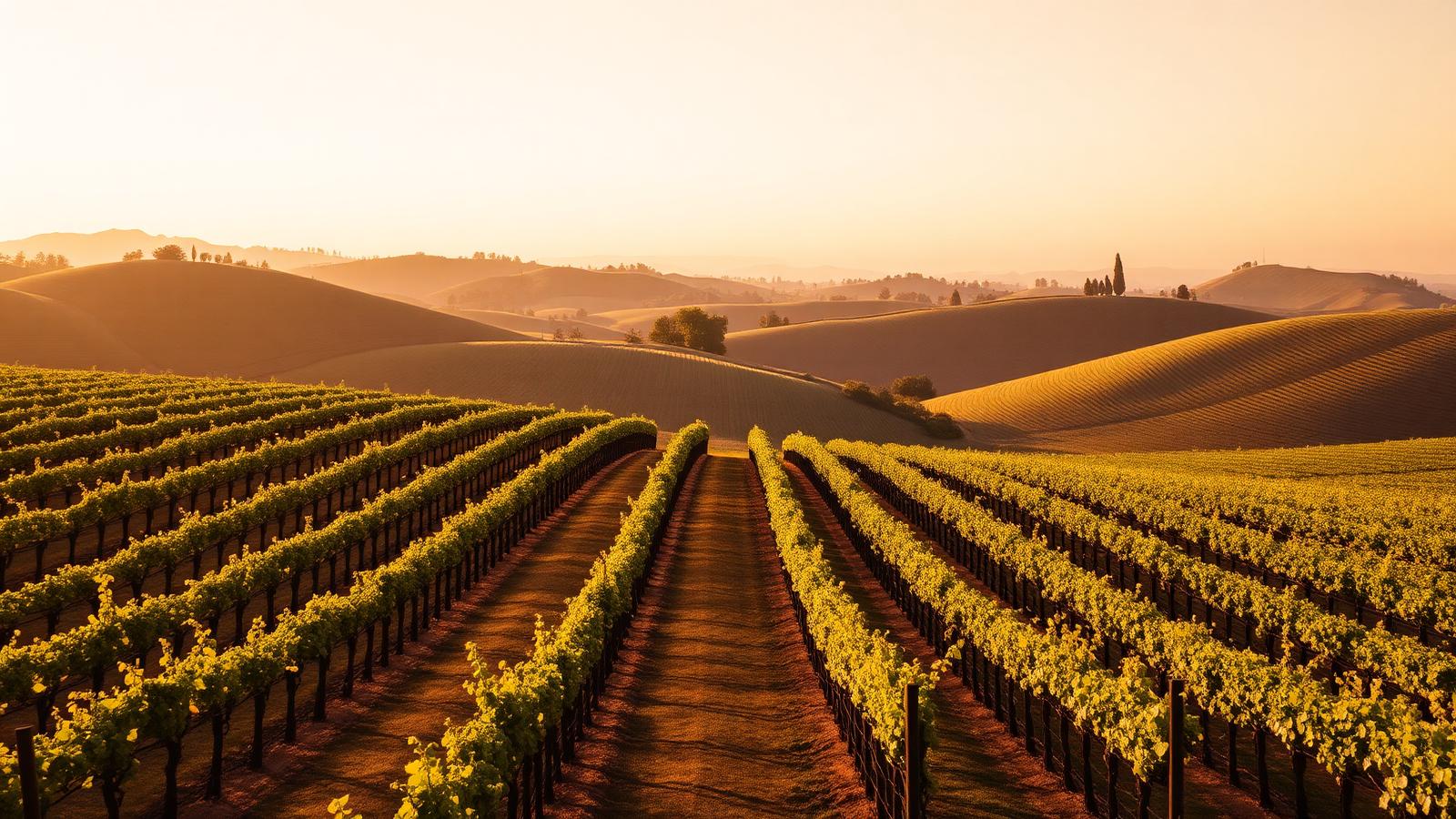
Rioja Alta's heart beats in its complex geology, a gift from ancient seas and the winding Ebro River. The distinct microclimates, shielded by the Cantabrian range, allow for a slow, extended ripening season, crucial for developing the nuanced flavors in the grapes. You'll find a mosaic of soils: the iron-rich reds giving structure and longevity, calcareous clays imparting perfume and freshness, and loamy silts fostering approachability. This intricate interplay of earth, elevation, and climate ensures that even within a small radius, each vineyard block contributes a unique voice, shaping the final narrative of the wine in your glass, a testament to the region's profound connection to its origins.
Planning a visit to Rioja Alta
Best time to visit Rioja Alta
Late spring and early autumn are the choices — comfortable weather, generous light, and vineyards at their most photogenic. Summer is warmer and livelier, with long evenings and outdoor tables everywhere. Winter is peaceful, cellars are quiet, and there's a real intimacy to visits without the crowds.
Where to base yourself
The main village or town in Rioja Alta is usually the easiest base — it puts you in walking distance of restaurants and daily life, with vineyards a short drive away. Staying in the countryside is quieter and more romantic, but you'll rely more on a car or a driver. Both are valid; pick the mood you want your trip to have.
Getting to Rioja Alta
Most travellers reach Rioja Alta by combining a flight into the nearest major city with a train, bus, or rental car for the last leg. Once you arrive, distances are usually short — many memorable days here involve less driving than you'd expect.
Making the most of a day in Rioja Alta
A good day in Rioja Alta tends to have a shape: a slow morning, a couple of unhurried tasting stops, a proper local lunch, and time in the late afternoon to walk, nap, or take in a view. Try not to over-plan — the best moments usually turn up between the ones you scheduled.
Frequently asked questions
What is the best time of year to visit Rioja Alta?
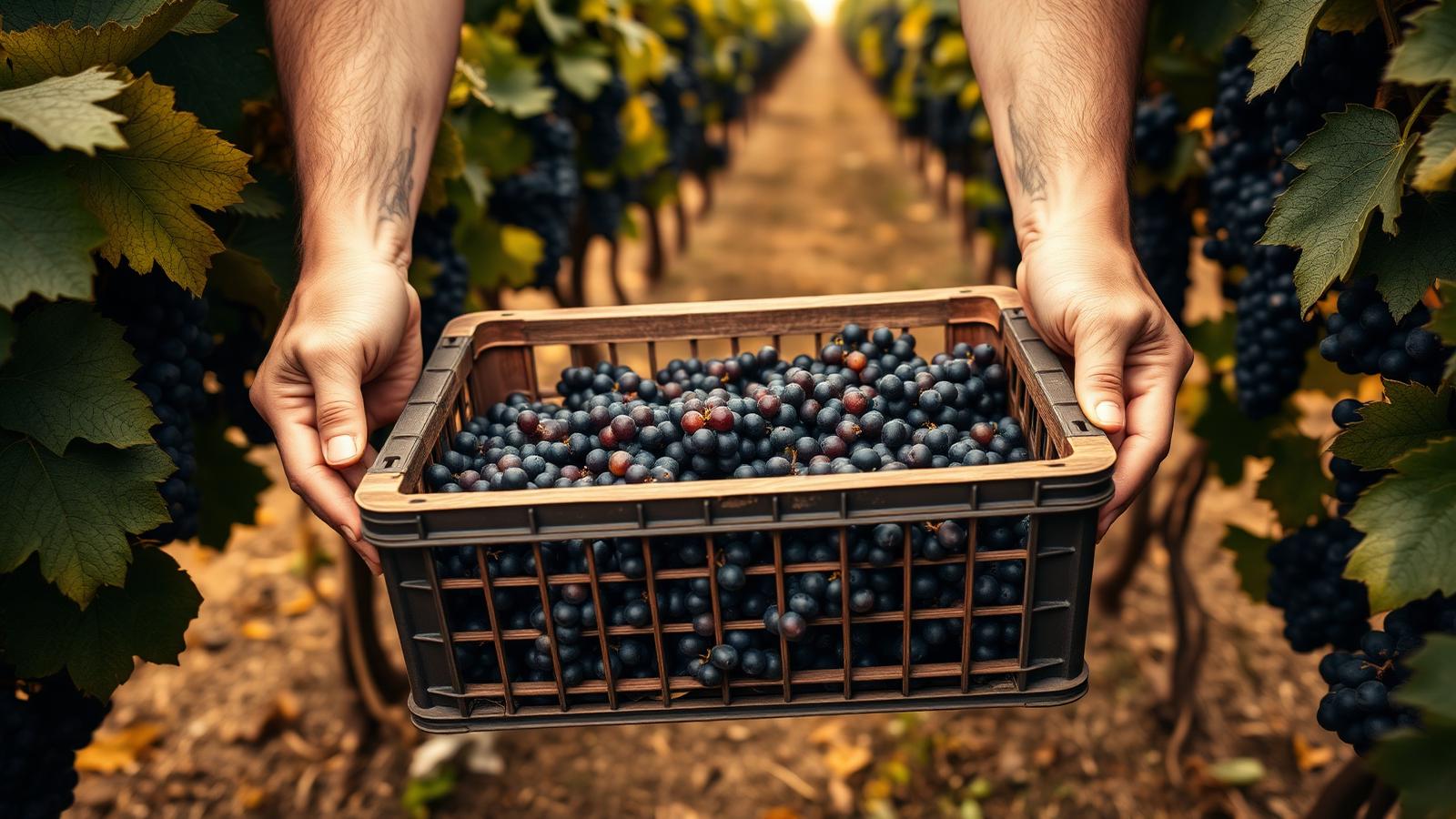
The mild spring (April-May) is lovely, with blooming landscapes and pleasant temperatures perfect for walking among the vines. Autumn (September-October) is particularly magical during harvest, offering a vibrant atmosphere and the chance to witness the winemaking process firsthand, though it can be bustling. Summer (June-August) is warm and sunny, ideal for evening al fresco dining, while winter (November-March) is quieter, offering a more reflective experience with cozy firesides and hearty cuisine. Each season offers a distinct charm, depending on your preferred pace and activities.
What are the typical opening hours for wine experiences in Rioja Alta?
Most establishments offering wine experiences in Rioja Alta generally operate from late morning, often around 10:00 or 11:00 AM, until early afternoon, typically closing for a siesta around 2:00 or 3:00 PM. They may reopen in the late afternoon for shorter sessions. It's always best to check specific times and make reservations in advance, especially for guided experiences, as schedules can vary and many operate by appointment to ensure a personalized visit. Planning ahead will help you make the most of your day.
Will I need a car to explore Rioja Alta effectively?
While it is possible to explore some larger towns by public transport or taxi, a car is highly recommended for truly experiencing the charm and breadth of Rioja Alta. The region's beauty lies in its scattered stone villages and picturesque vineyard routes, many of which are not easily accessible without your own transportation. Having a car allows for spontaneous stops at scenic viewpoints, enables you to visit multiple wine producers in a day, and offers the freedom to discover hidden culinary gems off the main roads at your own pace.
What kind of clothing should I pack for a visit?
Layers are always a good idea, as temperatures can fluctuate, especially between day and night, and when moving between cooler cellars and warm outdoor environments. Comfortable walking shoes are essential for exploring villages and vineyards. In spring and autumn, a light jacket or sweater is advisable. Summer calls for lighter clothing, but a cardigan for evenings is wise. Winter requires warmer coats, hats, and scarves. Don't forget an umbrella; while often sunny, occasional showers can occur, adding to the region's verdant beauty.