

Rioja Alavesa Wine Guide
Wineries in Rioja Alavesa
View all 105 wineries →Villages and Vistas
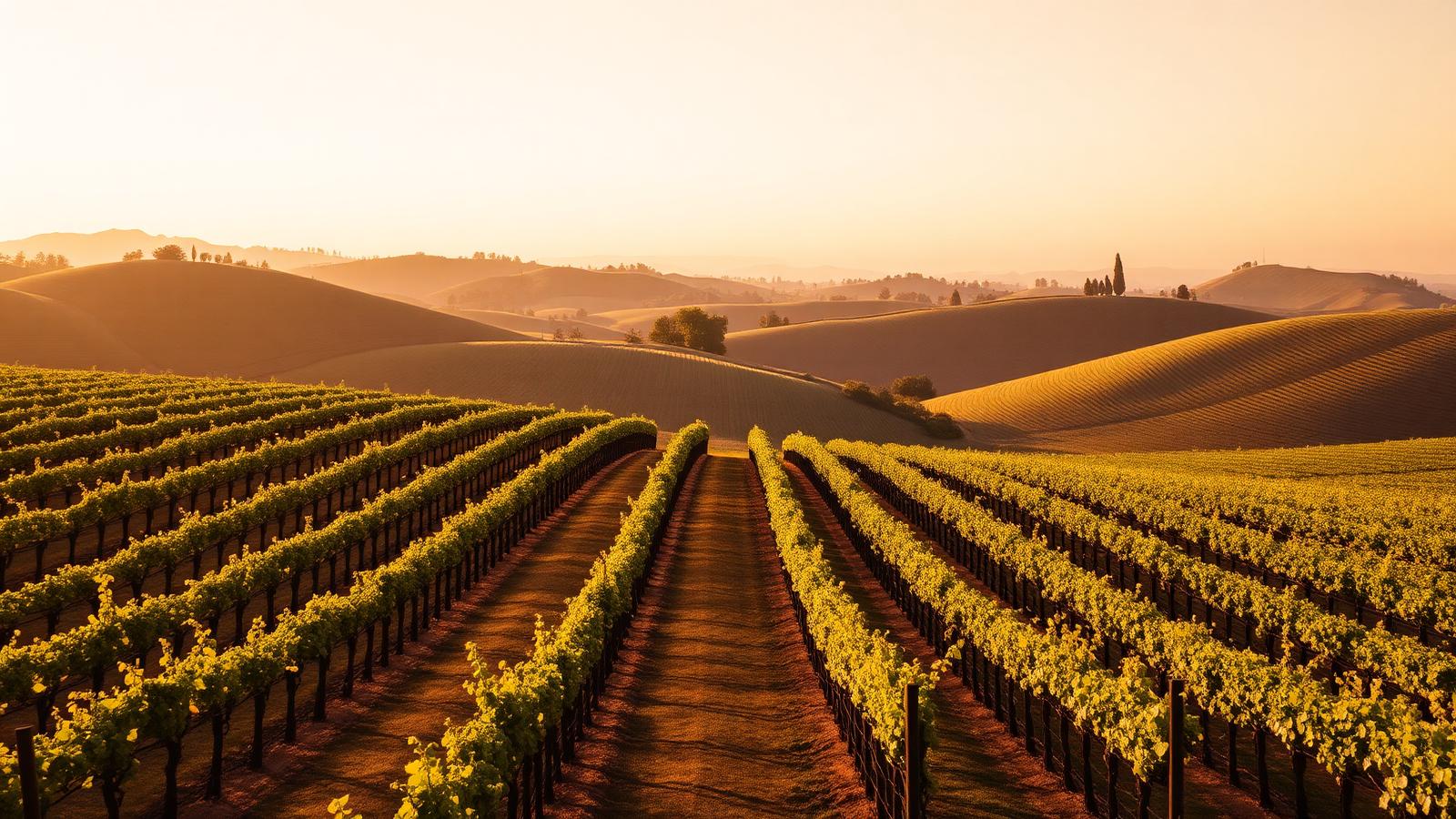
Journey through Rioja Alavesa and discover villages seemingly carved from the very landscape. Winding, cobbled streets lead to ancient churches and sun-dappled plazas, often crowned by defensive walls that speak of a rich medieval past. Life here unfolds with a gentle grace, inviting strolls through vine-laced alleys and pauses for a quiet glass of wine. The views are a constant companion, ever-changing with the light – from misty mornings giving way to bright sunshine, painting the vineyards in myriad shades of green, gold, and russet, always with the majestic Sierra as a silent sentinel.
The Soul of the Soil
The unique character of Rioja Alavesa springs from its exceptional . High-altitude vineyards, often terraced, rest predominantly on calcareous clay soils, rich in limestone, offering excellent drainage and imparting a distinctive mineral backbone to the wines. This, combined with the moderating influence of the Cantabrian Mountains shielding the vines from harsh Atlantic winds, creates a microclimate of warm, dry summers and sufficiently cold winters. These conditions encourage slow, even ripening, preserving precious acidity and leading to wines with remarkable intensity, aromatic complexity, and a fresh, elegant structure that sets them apart.
Planning a visit to Rioja Alavesa
Best time to visit Rioja Alavesa
Late spring and early autumn are the choices — comfortable weather, generous light, and vineyards at their most photogenic. Summer is warmer and livelier, with long evenings and outdoor tables everywhere. Winter is peaceful, cellars are quiet, and there's a real intimacy to visits without the crowds.
Where to base yourself
The main village or town in Rioja Alavesa is usually the easiest base — it puts you in walking distance of restaurants and daily life, with vineyards a short drive away. Staying in the countryside is quieter and more romantic, but you'll rely more on a car or a driver. Both are valid; pick the mood you want your trip to have.
Getting to Rioja Alavesa
Most travellers reach Rioja Alavesa by combining a flight into the nearest major city with a train, bus, or rental car for the last leg. Once you arrive, distances are usually short — many memorable days here involve less driving than you'd expect.
Making the most of a day in Rioja Alavesa
A good day in Rioja Alavesa tends to have a shape: a slow morning, a couple of unhurried tasting stops, a proper local lunch, and time in the late afternoon to walk, nap, or take in a view. Try not to over-plan — the best moments usually turn up between the ones you scheduled.
Frequently asked questions
What is the best time of year to visit Rioja Alavesa for wine tourism?
The most enchanting time to visit Rioja Alavesa is during spring (April to June) when the vineyards burst with vibrant green, or autumn (September to October) during the harvest season. In autumn, the landscape is ablaze with color, and the air is filled with the energetic bustle of winemaking. Both seasons offer pleasant temperatures for exploring the villages and vineyards, with spring being less crowded than the busy harvest period. Summers can be warm, ideal for long evenings, while winters are quieter and cooler.
What local dishes should I seek out in Rioja Alavesa?
Rioja Alavesa cuisine is hearty, traditional, and deeply satisfying. Look for 'patatas a la riojana,' a comforting potato and chorizo stew, and 'chuletillas al sarmiento,' tender lamb chops grilled over grapevines, imparting a unique smoky flavor. Local vegetables like artichokes and asparagus are also celebrated when in season. Don't miss sampling the local cheeses and artisanal cured meats—they pair beautifully with the region's wines. Many village restaurants serve authentic, homemade dishes that truly capture the spirit of the area.
Are the villages easily walkable, and what kind of transportation is best for exploring the region?
Most villages in Rioja Alavesa are very walkable, with charming narrow streets perfect for leisurely exploration on foot. However, to truly experience the wider region, including its scattered vineyards and various towns, renting a car is highly recommended. Public transport can be limited and infrequent, making it challenging to venture beyond the main hubs. A car allows for flexibility, enabling you to discover hidden gems and picturesque viewpoints at your own pace, soaking in the serene beauty of the landscape.
What kind of wine styles can I expect from Rioja Alavesa?
Rioja Alavesa is renowned for its elegant, structured red wines, predominantly crafted from . These wines often exhibit bright red fruit characteristics, balanced by a distinct minerality and vibrant acidity due to the region’s specific . Depending on the aging, you'll find everything from fresh, fruit-forward young wines to complex, aged '' and '' styles with notes of leather, tobacco, and spice, showcasing their superb aging potential. While reds dominate, some beautiful white wines from and rosé (clarete) are also produced.