

German Swiss Wineries & Wine Tours
Sub-regions
Grape Varieties and Quiet Elegance
While reigns as the undisputed king, demonstrating a remarkable versatility across these diverse terroirs, yielding wines from light and fragrant to structured and age-worthy, other varietals also flourish. , known locally as x , produces delightfully refreshing whites with floral and fruity notes, ideally suited for relaxed enjoyment. Lesser-known indigenous grapes, like Räuschling, add to the tapestry, offering crisp, aromatic experiences. The winemaking philosophy emphasizes purity and a gentle hand, allowing the specific characteristics of the grape and the land to shine through with grace and balance.
Alpine Terroirs and Lake Reflections
The German-speaking cantons present a dramatic canvas for winemaking. Vineyards often cling to challenging, south-facing slopes, benefiting from intense sunlight and excellent drainage. The proximity to large lakes, such as Lake Geneva in the west or Lake Zurich, creates microclimates that moderate temperatures, protecting vines from harsh frosts while reflecting sunlight to aid ripening. This interplay of altitude, orientation, and water shapes the character of the regional wines, lending them a distinct freshness and minerality. The soils, too, are varied, from glacial moraines to limestone, contributing to the diverse expressions found within a relatively compact area.
Culinary Pairings and Regional Flavors
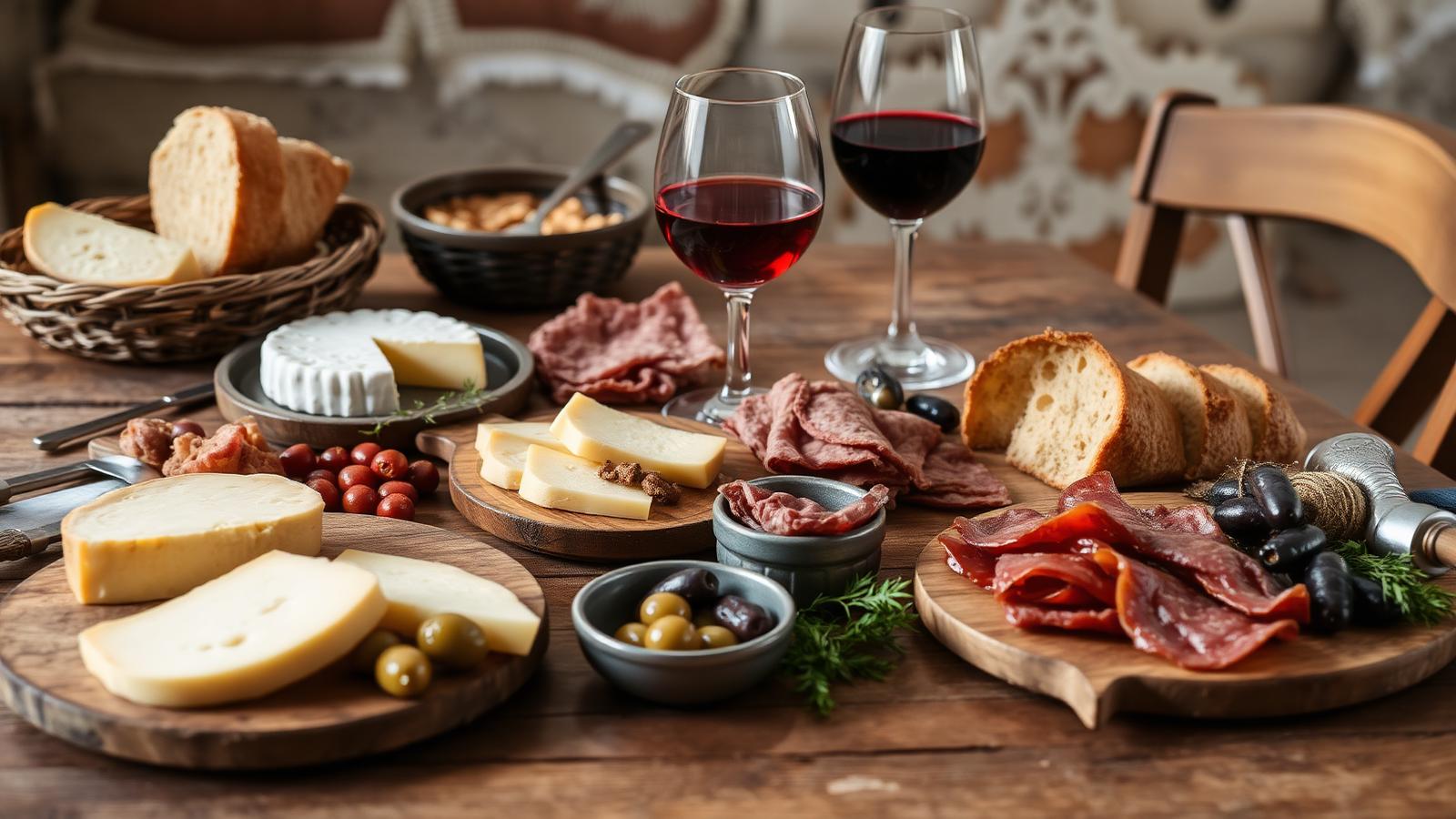
The cuisine of German Switzerland is hearty and comforting, rooted in fresh, local ingredients. Think of rich, creamy cheeses from alpine pastures, savory charcuterie, and seasonal produce that celebrates the unadorned flavors of the land. The regional wines are perfectly attuned to this culinary landscape. A vibrant cuts beautifully through the richness of a regional fondue or raclette, while a delicate is an exquisite partner to roast meats or game. Even lighter, crisp whites pair wonderfully with freshwater fish from the pristine lakes, creating a harmonious dialogue between plate and glass.
Getting to know German Swiss
What German Swiss tastes like
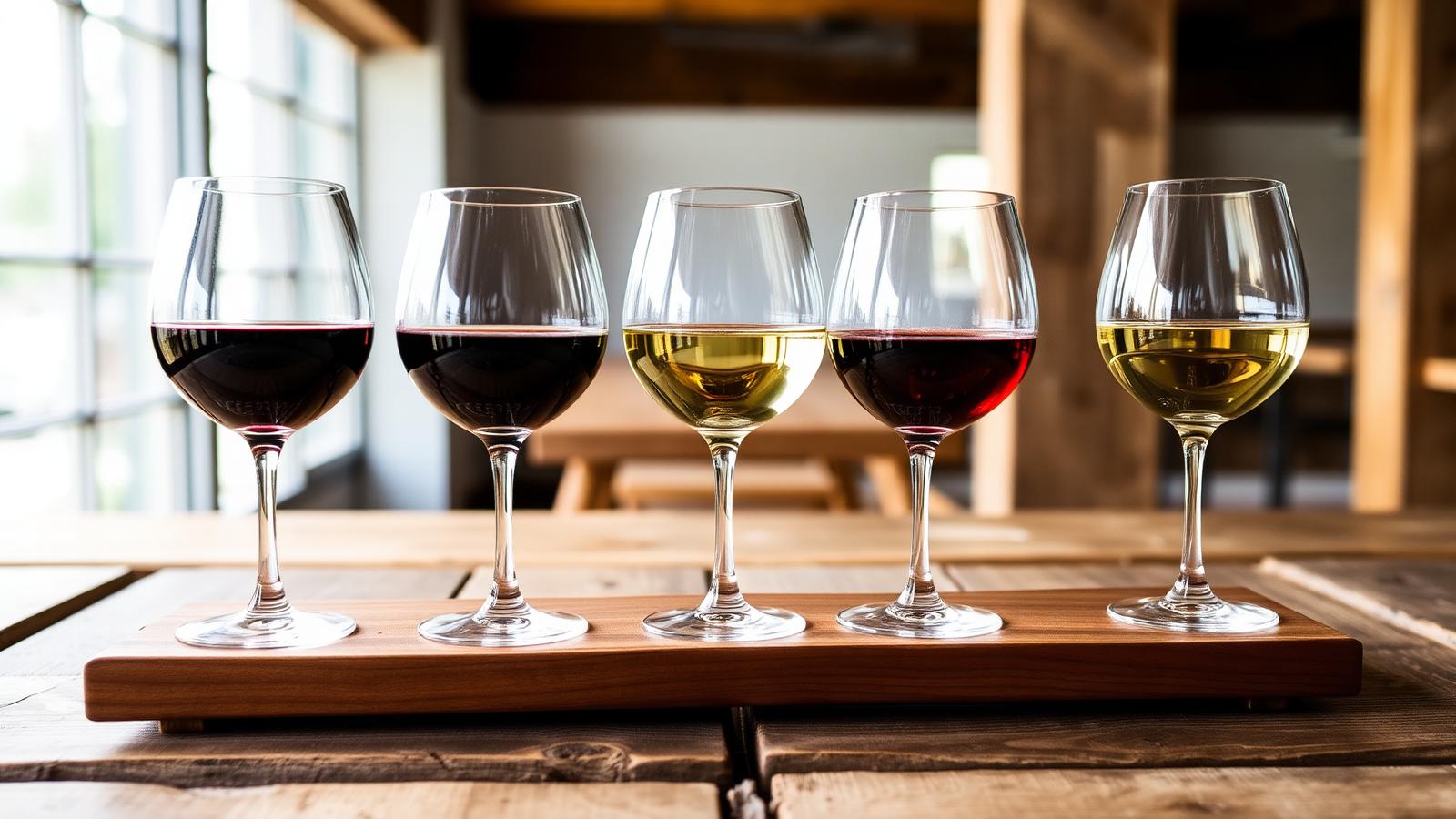
Wines from German Swiss tend to reflect the region's climate and terrain more than any single style. Look for a sense of place in the glass — mineral notes from stony soils, freshness where nights are cool, richer texture where the sun lingers longer. A short flight of local wines is the fastest way to feel the range.
Rhythms of the year
German Swiss moves with the seasons. Spring is quiet and green, summer brings long light and full terraces, harvest is intense and communal, and winter turns the vineyards into a stark, beautiful sculpture. Every season is a good reason to come — they just make very different trips.
Beyond the tasting room
Some of the most memorable moments in German Swiss happen away from the vines: a bakery in the next village over, a viewpoint at sunrise, a slow lunch that turns into a slow afternoon. Leave room in your itinerary for the things you can't plan.
Frequently asked questions
When is the best time of year to visit German Switzerland for a wine trip?
The autumn months, particularly September and October, are ideal. The vineyards are alive with the vibrant colors of harvest, and many wine festivals and events take place. The weather is generally pleasant for walking and exploring. Late spring and early summer, from May to July, also offer beautiful scenery and milder temperatures, perfect for enjoying the nascent growth in the vineyards and outdoor dining. Winter can be charming for a different experience, though vineyard tours might be less active.
What is the typical size of wineries in this region, and how does that affect a visit?
Wineries in German Switzerland are often smaller, family-run operations, emphasizing quality over quantity. This usually means a more personal and intimate tasting experience. You might even meet the winemaker themselves! It’s advisable to book appointments in advance, especially for English-speaking tours, as not all smaller producers have dedicated tasting rooms with regular hours. This personal touch is a highlight for many visitors, offering deeper insights into the local winemaking philosophy.
What kind of transportation is recommended for exploring the wine regions?
Switzerland has an excellent public transportation system, including trains and buses, which can get you to many wine-producing villages. Some vineyards, especially those on steeper slopes, might require a short taxi ride or a good walk from the nearest station. Renting a car offers more flexibility to explore smaller, more remote estates at your own pace. For a truly immersive experience, consider cycling through flatter vineyard areas; many regions have well-maintained cycling paths that wind through picturesque landscapes.
Are most wine tastings conducted in German, and should I know some basic phrases?
While German is the primary language, many larger establishments and those accustomed to tourists will have staff who speak English, especially in more frequented wine areas. However, learning a few basic German phrases like 'Guten Tag' (good day), 'Danke schön' (thank you very much), and 'Ein Glas Wein, bitte' (a glass of wine, please) will certainly be appreciated and can enhance your experience, particularly at smaller, local producers. A little effort goes a long way in connecting with the local culture.