

Wineries & Wine Tours in Switzerland
Regions
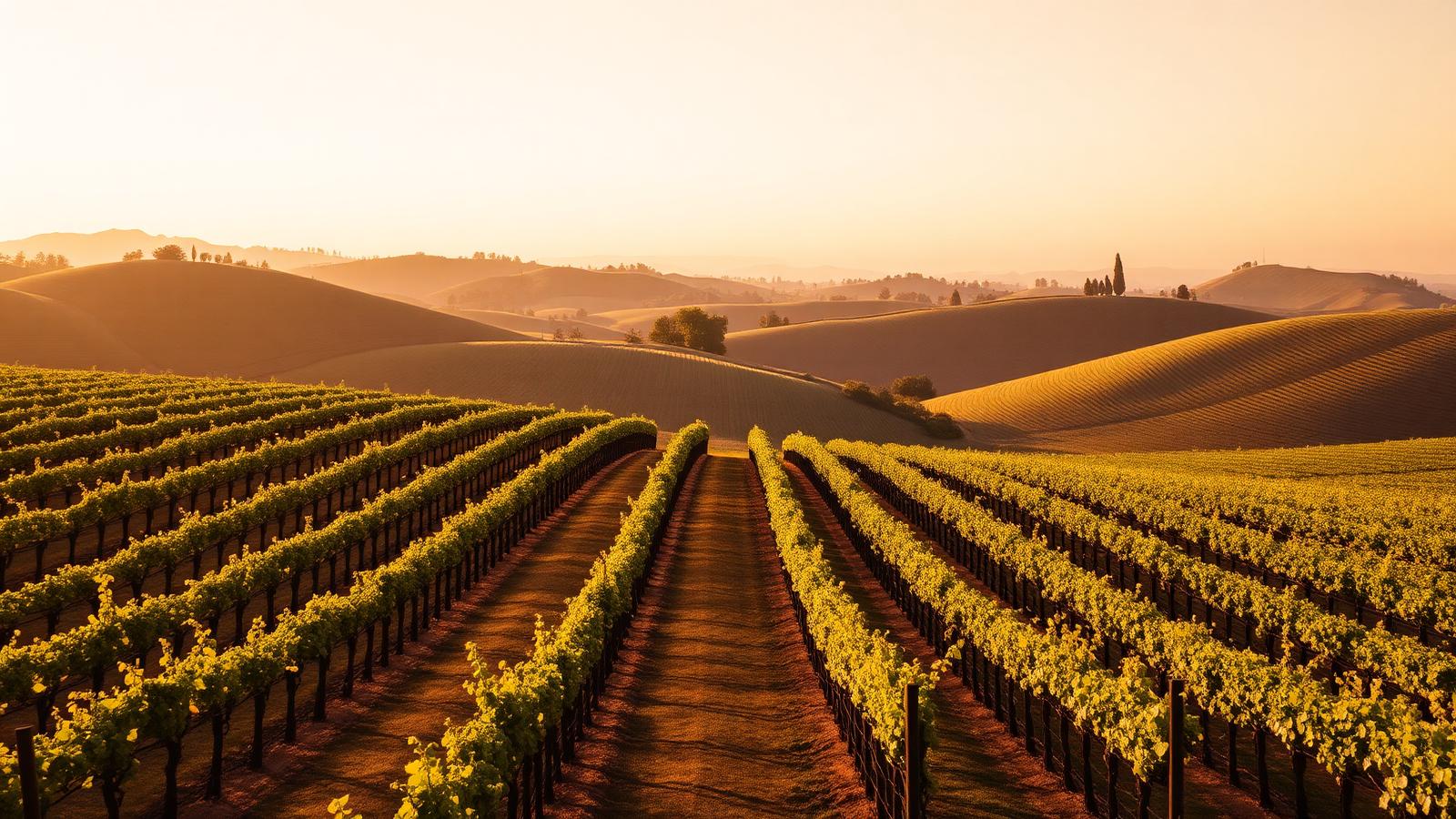
Switzerland, a land of sculpted peaks and glacial waters, holds a vinicultural secret, a whispered story told through terraced vineyards clinging impossibly to sun-drenched slopes. Here, between the granite majesty of the Alps and the serene shimmer of its lakes, winemaking is not merely an industry; it is a meticulous art, a testament to human perseverance against a breathtaking, demanding canvas. Each bottle uncorks a narrative of microclimates, ancestral plots, and the diligent hands that coax life from ancient, rocky soils.
Imagine the whisper of the Föhn wind rustling through grape leaves in Valais, carrying with it the scent of alpine meadows and distant snow, or the gentle lapping of Lake Geneva against the Lavaux terraces, reflecting sunlight onto vines. This is a journey for the soul, an opportunity to slow down and savor the intricate dance between nature and tradition. The wines, often crafted in small, family-run domaines, are expressions of their unique , showcasing an understated elegance that mirrors the Swiss character itself.
To explore Swiss wine is to embark on a pilgrimage of discovery, tracing the Rhône as it flows from alpine glaciers, or meandering through the sun-drenched hills of Ticino. It is a chance to taste history in a glass, to understand the rhythm of life dictated by the seasons, and to connect with a landscape that inspires both awe and quiet reverence. Come, unlock the hidden vinous treasures of this extraordinary nation, where every sip tells a story of unparalleled beauty and dedicated craftsmanship.
A Culinary Dance with Wine
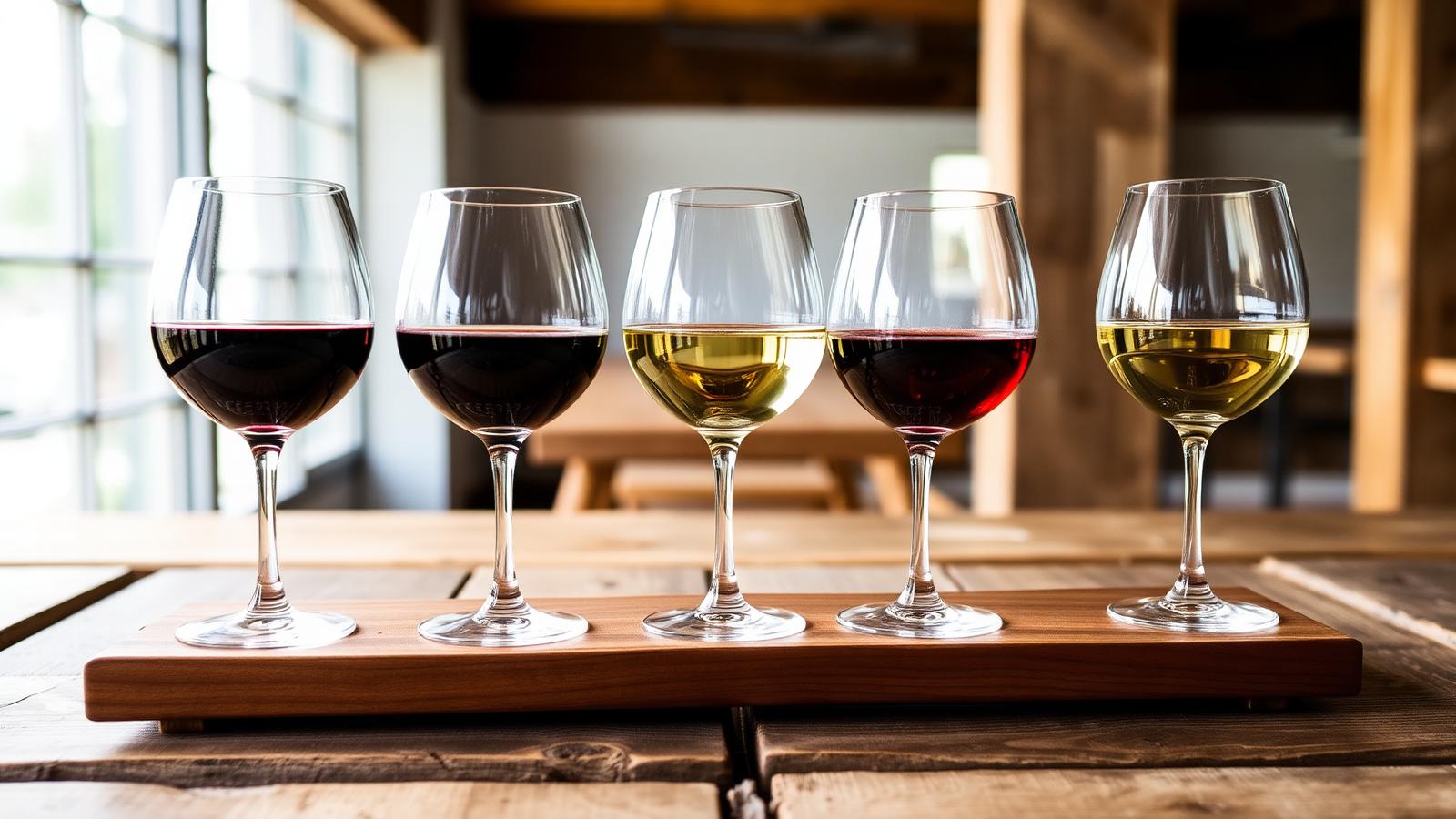
Swiss wine is inextricably linked to the country’s rich and diverse culinary heritage. A crisp, refreshing from Lake Geneva's shores is the perfect counterpoint to a creamy fondue or raclette, cutting through the richness with its pristine acidity. Heartier reds, like a robust Dôle from Valais – a blend often featuring and – beautifully complement game dishes, air-dried meats, or rich alpine cheeses. In Ticino, the , with its softer tannins and berry notes, pairs harmoniously with risotto and polenta, reflecting the region's Italian-influenced cuisine. Each pairing is a celebration of local ingredients and centuries-old traditions, enhancing both the food and the wine.
Alpine Terroirs and Varietals
The Swiss wine landscape is defined by its dramatic topography, where vineyards often rise steeply from valley floors. In Valais, the iconic () thrives, its minerality reflecting the glacial meltwater that feeds the soil, while the indigenous Cornalin offers a deep, aromatic red. Lavaux's UNESCO-protected terraces, warmed by lake reflections, foster ethereal Chasselas. Further east, particularly in Graubünden, finds a nuanced expression, hinting at red berries and earthy undertones. These varied microclimates, from the dry, alpine air of the upper Rhône to the more Mediterranean feel of Ticino, contribute to a kaleidoscope of styles, each imbued with a distinct sense of place.
The Rhythm of the Seasons
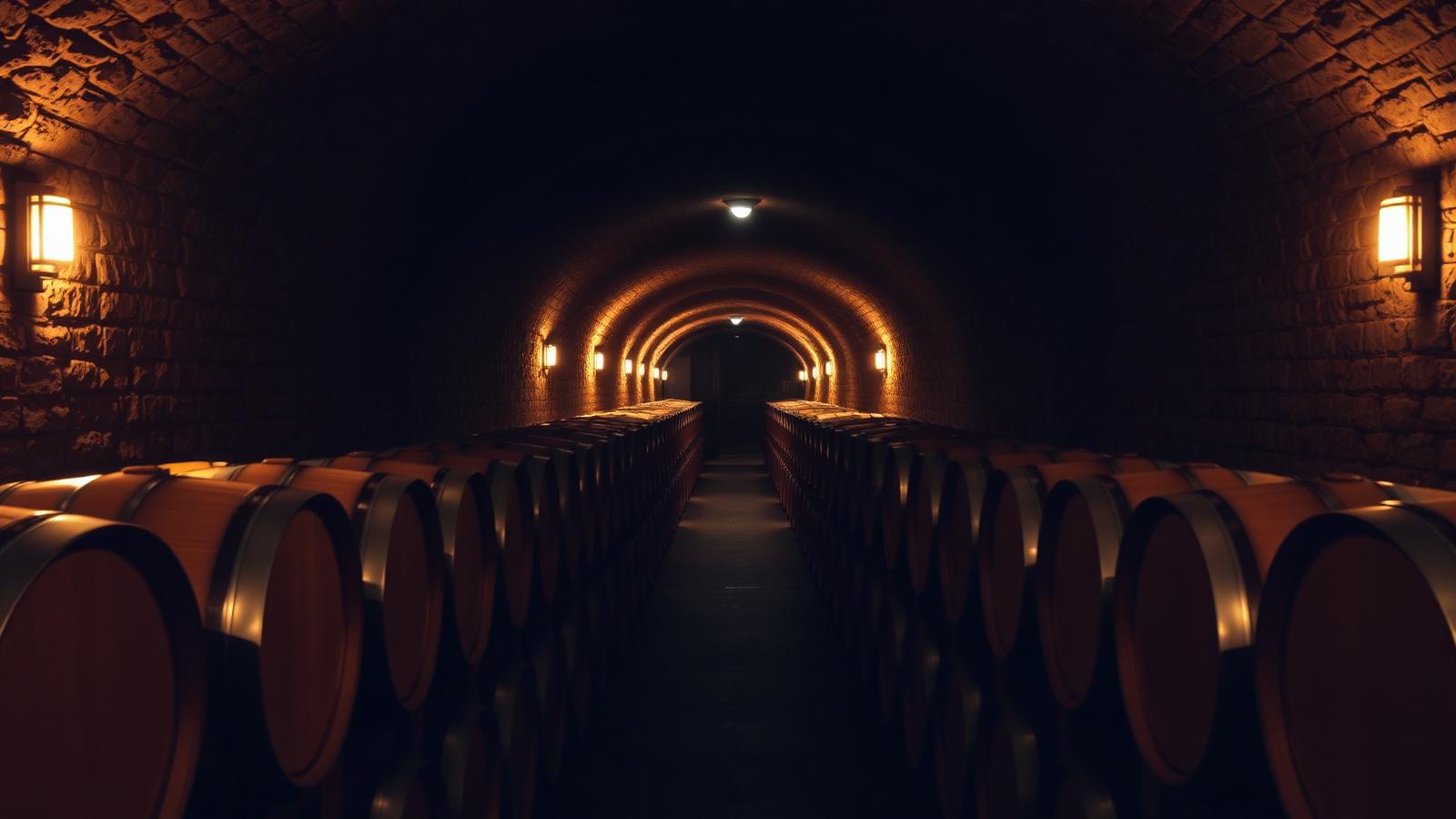
The Swiss wine year unfolds with a profound connection to the seasons. Spring brings the gentle awakening of the vines, followed by the lush growth of summer under the relentless alpine sun. As autumn approaches, the air fills with anticipation; harvest sees entire communities engaged in the meticulous gathering of grapes from steep, often hand-tended slopes. Winter then brings a quiet dormancy, a time for the wine to rest and evolve in cool cellars, and for winemakers to reflect and plan for the next cycle. This annual rhythm, dictated by nature and honoured by tradition, imbues the wines with a genuine sense of purpose and a profound connection to their origins.
What makes a trip here special
A landscape shaped by the vine
Vineyards in Switzerland follow the geography — rivers, ridgelines, coastlines, and altitude all leave their fingerprints on the wine. Driving between regions is often as memorable as the tastings themselves.
Food that grew up next to the wine
The best pairings for Switzerland's wines are almost always the dishes that grew up alongside them. Local markets, family-run restaurants, and roadside stops turn a wine trip into a full sensory tour of the country.
A calendar worth planning around
Harvest, pruning, spring flowering, and long lazy summers each give Switzerland's wine regions a completely different mood. Choosing when you visit is almost as important as choosing where.
Frequently asked questions
What is the best time of year to visit Switzerland for wine experiences?
The most enchanting time to visit for wine is typically late summer to mid-autumn, from August through October. September and October are particularly magical as they coincide with the harvest season, when vineyards are abuzz with activity and the autumn colours paint the landscapes in breathtaking hues. While many cellars are open year-round, tasting experiences during harvest offer a unique glimpse into the winemaking process. Spring, with its blossoming vineyards, also offers a beautiful and usually quieter experience, perfect for scenic walks among the vines.
Do I need to make appointments to visit vineyards for tastings?
Yes, it is highly recommended and often essential to make appointments for vineyard visits and tastings in Switzerland. Many wineries, especially the smaller, family-run estates, operate by appointment only or have limited opening hours for spontaneous visits. Contacting them directly a few days or weeks in advance, either by phone or email, will ensure you receive a warm welcome and a more personalized experience. This also allows the winemakers to prepare for your arrival and dedicate time to share their passion and knowledge with you.
What are the typical transportation options for exploring wine regions in Switzerland?
Switzerland's excellent public transportation system offers a fantastic way to explore its wine regions, often providing routes through stunning landscapes. Trains and postbuses can connect you between towns and even directly to the base of some vineyard areas. For more flexibility, especially in reaching specific, sometimes remote, hillside vineyards, renting a car can be advantageous. Cycling is also a popular and scenic option, with many regions offering well-marked bike routes that wind through vineyards. Consider a combination of these methods for a truly immersive and convenient exploration.
Are Swiss wines widely available outside of Switzerland?
Swiss wines are a delightful secret best discovered within Switzerland itself. Due to the relatively small production volumes and high domestic demand, only a small percentage of Swiss wine is exported. This exclusivity makes tasting them on their home soil a truly special experience. While you might find a select few bottles in specialized international wine shops or high-end restaurants, the widest and most diverse , representing the full spectrum of Swiss and varietals, is undoubtedly found and savored within the country's borders. It is a rare treat preserved for the discerning traveler.