

Ticinio Wineries & Wine Tours
Sub-regions
The Soul of Merlot
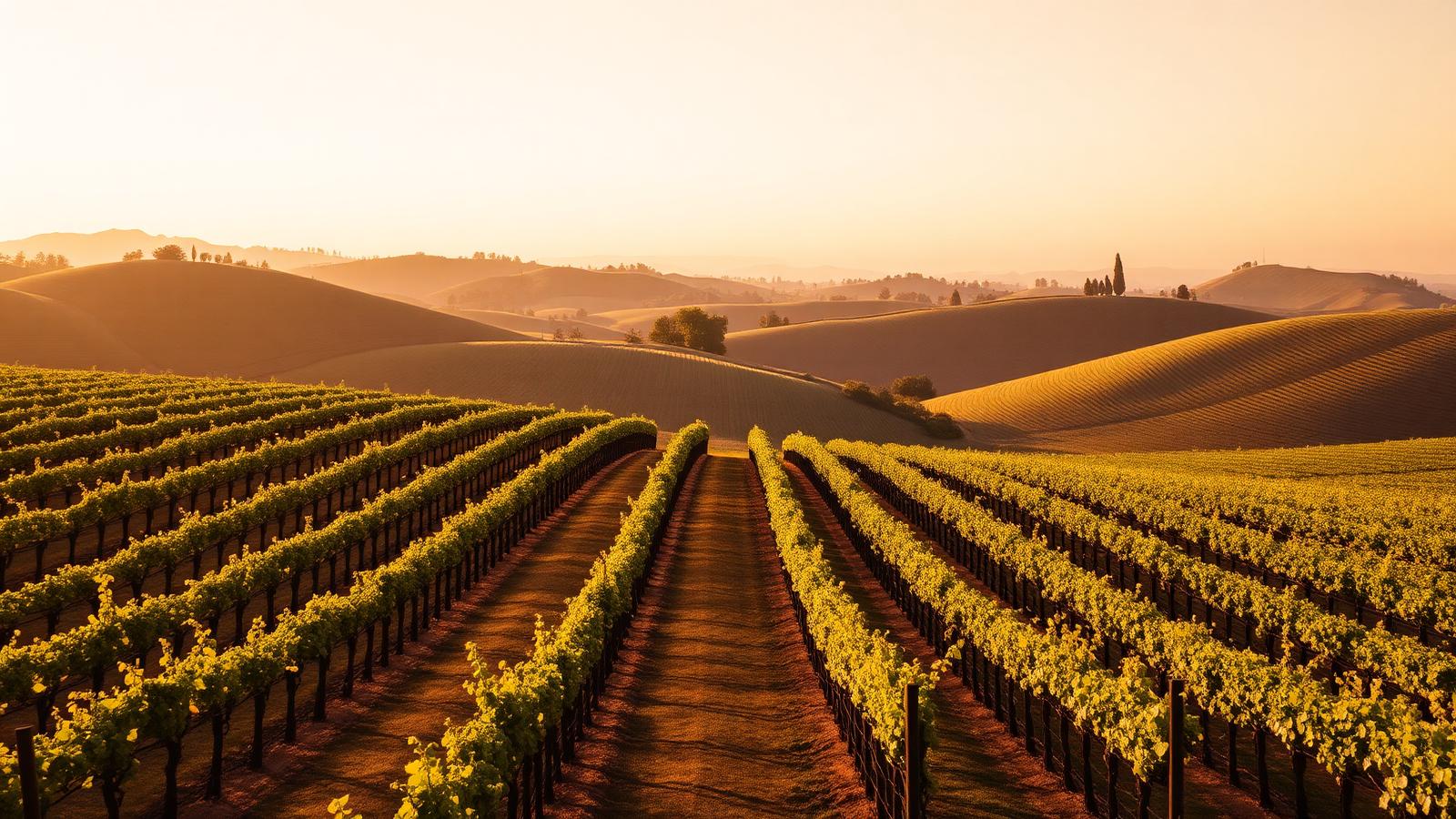
While Switzerland might evoke images of white mountains, Ticino surprises with its deep-hued reds. Here, reigns supreme, finding an expression that is both robust and elegantly subtle. The region's unique growing conditions — abundant sunshine tempered by the mitigating influence of the lakes and the alpine breezes – allow the grape to achieve optimal ripeness, yielding wines that are intensely aromatic, often hinting at dark berries, plums, and a whisper of spice or earth. These are not the Merlots of other lands; they possess a distinct freshness, a lively acidity, and a structure that speaks of their mountain-kissed origins, reflecting the very essence of Ticino’s .
Lakeside Lifestyles & Gastronomy
Life in Ticino is intrinsically linked to its stunning lakes, where pastel-coloured villages mirror themselves in the clear waters. The region’s cuisine is a delightful fusion, borrowing liberally from its Italian neighbours while maintaining a distinct Swiss character. Expect long, leisurely meals featuring fresh lake fish, polenta served in countless comforting ways, rich risottos, and cured meats from the mountains, all often accompanied by local Ticinese cheeses. These dishes are prepared with a heartfelt simplicity, designed to be savoured slowly, perfectly complementing the structured yet approachable local wines, enhancing the sense of profound contentment felt throughout the canton.
Getting to know Ticinio
What Ticinio tastes like
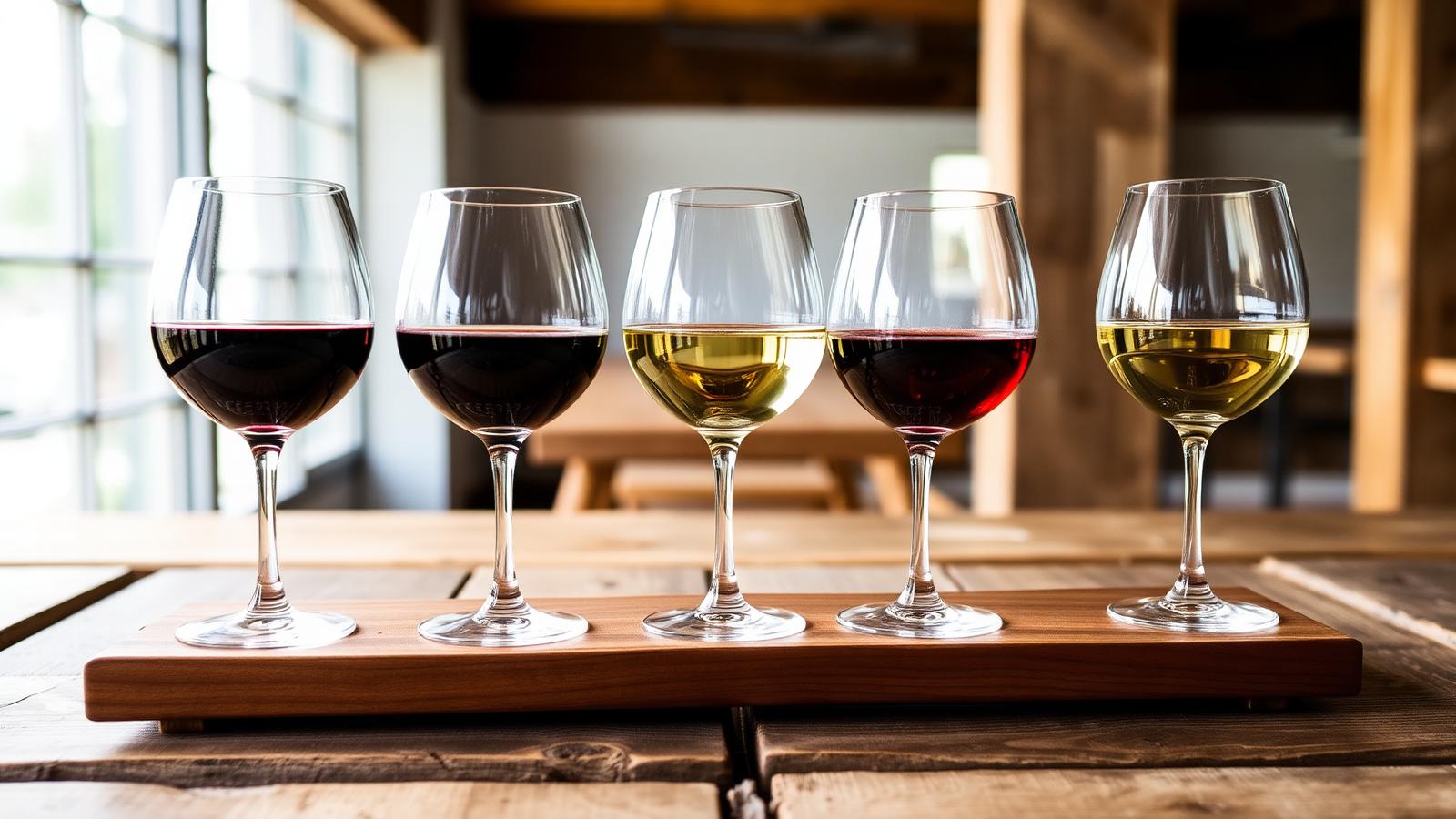
Wines from Ticinio tend to reflect the region's climate and terrain more than any single style. Look for a sense of place in the glass — mineral notes from stony soils, freshness where nights are cool, richer texture where the sun lingers longer. A short flight of local wines is the fastest way to feel the range.
Rhythms of the year
Ticinio moves with the seasons. Spring is quiet and green, summer brings long light and full terraces, harvest is intense and communal, and winter turns the vineyards into a stark, beautiful sculpture. Every season is a good reason to come — they just make very different trips.
Beyond the tasting room
Some of the most memorable moments in Ticinio happen away from the vines: a bakery in the next village over, a viewpoint at sunrise, a slow lunch that turns into a slow afternoon. Leave room in your itinerary for the things you can't plan.
Frequently asked questions
When is the best time of year to visit Ticino for a wine-focused trip?
The most enchanting times to visit Ticino for wine explorations are late spring (May-June) and early autumn (September-October). In spring, the vineyards burst with fresh green growth, festivals celebrate the awakening of the land, and the weather is pleasantly mild for outdoor activities. Autumn offers the magic of harvest season, with vibrant colours painting the hillsides, and the air filled with the promise of new wines. Summers are warm and ideal for lakeside enjoyment, but some cellars might have reduced visiting hours due to holidays. Winters can be beautiful with snow-capped peaks, but it's less ideal for vineyard walks.
What is the primary grape variety I should expect to encounter in Ticino wines?
Without a doubt, is the undisputed star of Ticino. It accounts for the vast majority of the region's red wine production, and you'll find it expressed in a remarkable variety of styles, from fresh, fruity rosés (Bianco di Merlot) to elegant, structured reds often aged in oak. While Merlot is dominant, keep an eye out for interesting indigenous red varieties like Bondola, or a crisp white from or , which are also cultivated here, though in much smaller quantities. Exploring the different nuances of Ticinese Merlot will be a central part of your tasting journey.
Are most of the wine experiences in Ticino easily accessible by public transport, or is a car recommended?
While Switzerland boasts an excellent public transport system that can get you to the major towns and villages, exploring the more intimate, hillside vineyards and smaller cellars in Ticino is often much more convenient with a car. Many of the most charming wine estates are nestled in less accessible areas. If you prefer not to drive, consider booking local wine tours that provide transportation, or investigate local bus routes which might serve more popular wine-producing villages. Cycling is also a wonderful way to experience the gentler slopes if you’re comfortable with some uphill climbs.
What kind of local cuisine pairs well with Ticino's signature Merlot wines?
Ticino's Merlots, with their characteristic freshness and often subtle earthiness, are wonderfully versatile with local cuisine. They beautifully complement the region's rich, hearty dishes, such as slow-cooked stews, roasted game, and the various preparations of polenta, especially when paired with local cheeses or wild mushrooms. For something lighter, they also stand up well to cured meats like raw ham or salami, and even grilled lake fish with robust flavours. Don't hesitate to enjoy a slightly chilled with the region's famous risottos, particularly those with a saffron or mushroom base – a true taste of Ticinese tradition.