Three Lakes Wineries & Wine Tours
Sub-regions
Rhythm of Life & Discovery
Life in the Three Lakes region flows with a gentle, reassuring rhythm, dictated by the cycles of nature and supported by deep-rooted Swiss traditions. The historical villages, often car-free and adorned with flower boxes, invite leisurely strolls through cobbled lanes, offering glimpses into centuries of artisan craftsmanship. Exploration is often on foot or by bicycle, following paths that wind through vineyards, alongside peaceful canals, and right to the water's edge. This unhurried pace allows for genuine connection – with the landscape, with the wine, and with the warm, welcoming spirit of the communities that call this enchanting corner of Switzerland home. It's a place for quiet beauty and profound enjoyment.
Lakeside Terroir & Grapes
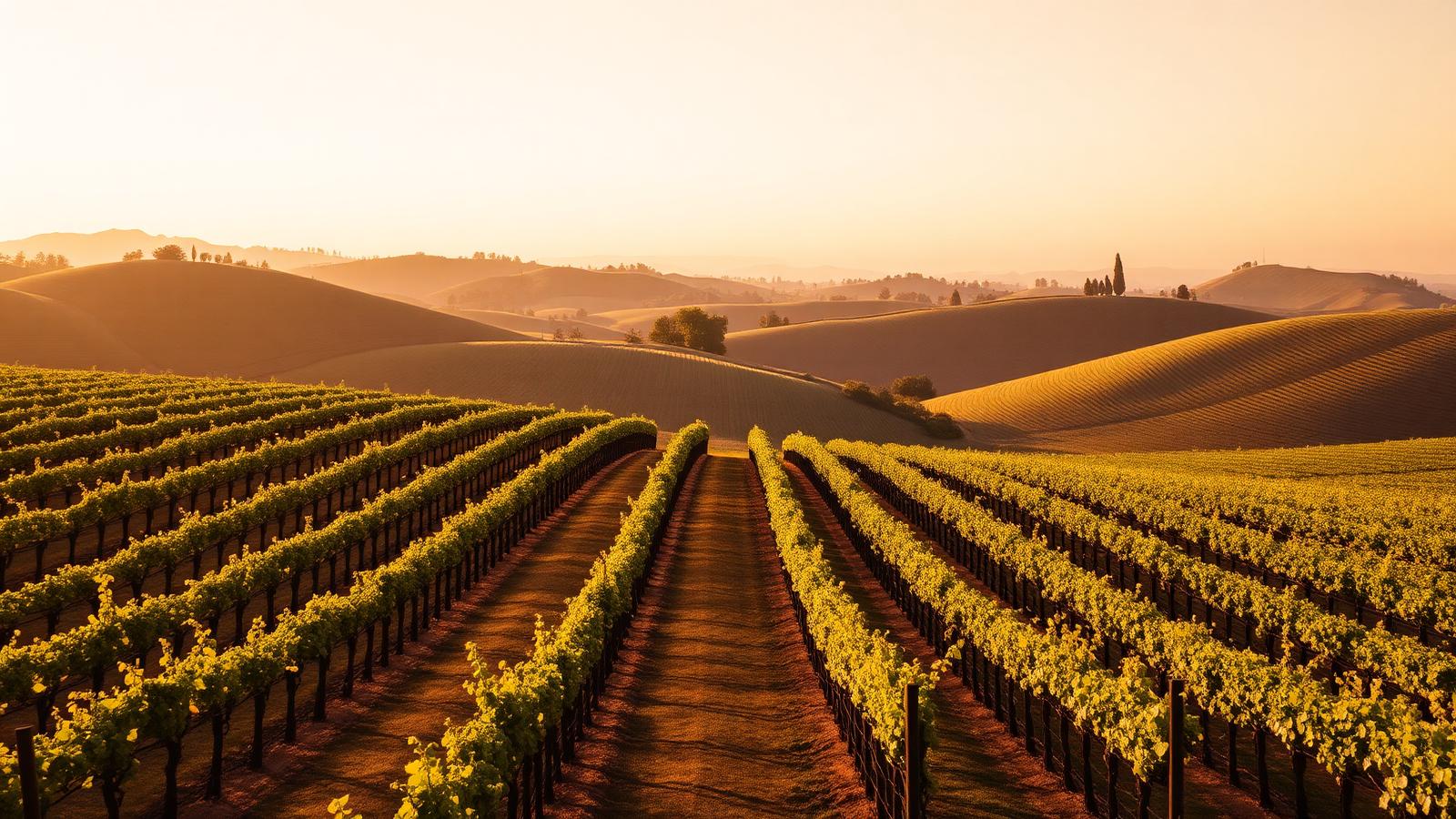
The distinct personality of Three Lakes wines is intrinsically tied to its unique geography: vast, shimmering lakes reflecting sunlight onto the vines and acting as natural climate regulators. Predominantly, the region’s character shines through its , producing wines of remarkable freshness, often with delicate floral notes and a saline minerality evocative of the surrounding waters. thrives on the sun-kissed slopes, yielding elegant reds with nuanced red berry profiles and a silky texture. Lesser-known indigenous varieties add to the complexity, each expressing the region's diverse soils, from calcareous marl to ancient moraine deposits. The interplay of water, soil, and sun creates a delicate balance key to the region’s success.
Culinary Traditions & Pairings
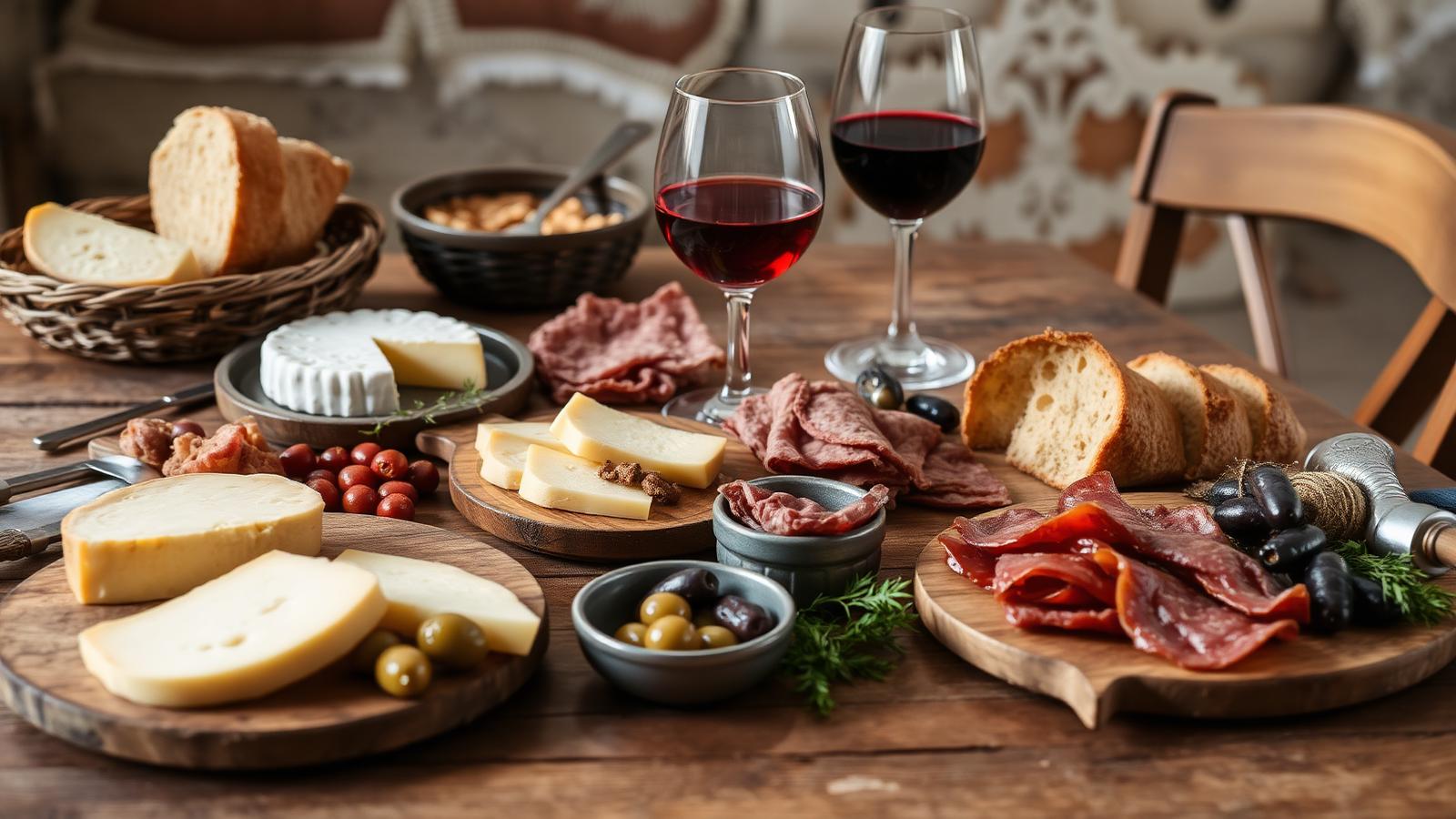
Cuisine in Three Lakes is a celebration of fresh, local ingredients, deeply intertwined with the region's viticultural offerings. Freshwater fish, caught daily from the eponymous lakes, are a staple, often prepared simply to highlight their delicate flavors – think poached perch fillets or roasted fera, perfectly complemented by a crisp, aromatic . Cheeses from nearby Jura farms, rich and earthy, find a harmonious partner in the more robust Pinot Noirs. The culinary philosophy here emphasizes quality over complexity, mirroring the region’s winemaking approach. Long, leisurely meals enjoyed on terraces overlooking the water are a cherished tradition, inviting unhurried savoring of both food and wine.
Getting to know Three Lakes
What Three Lakes tastes like
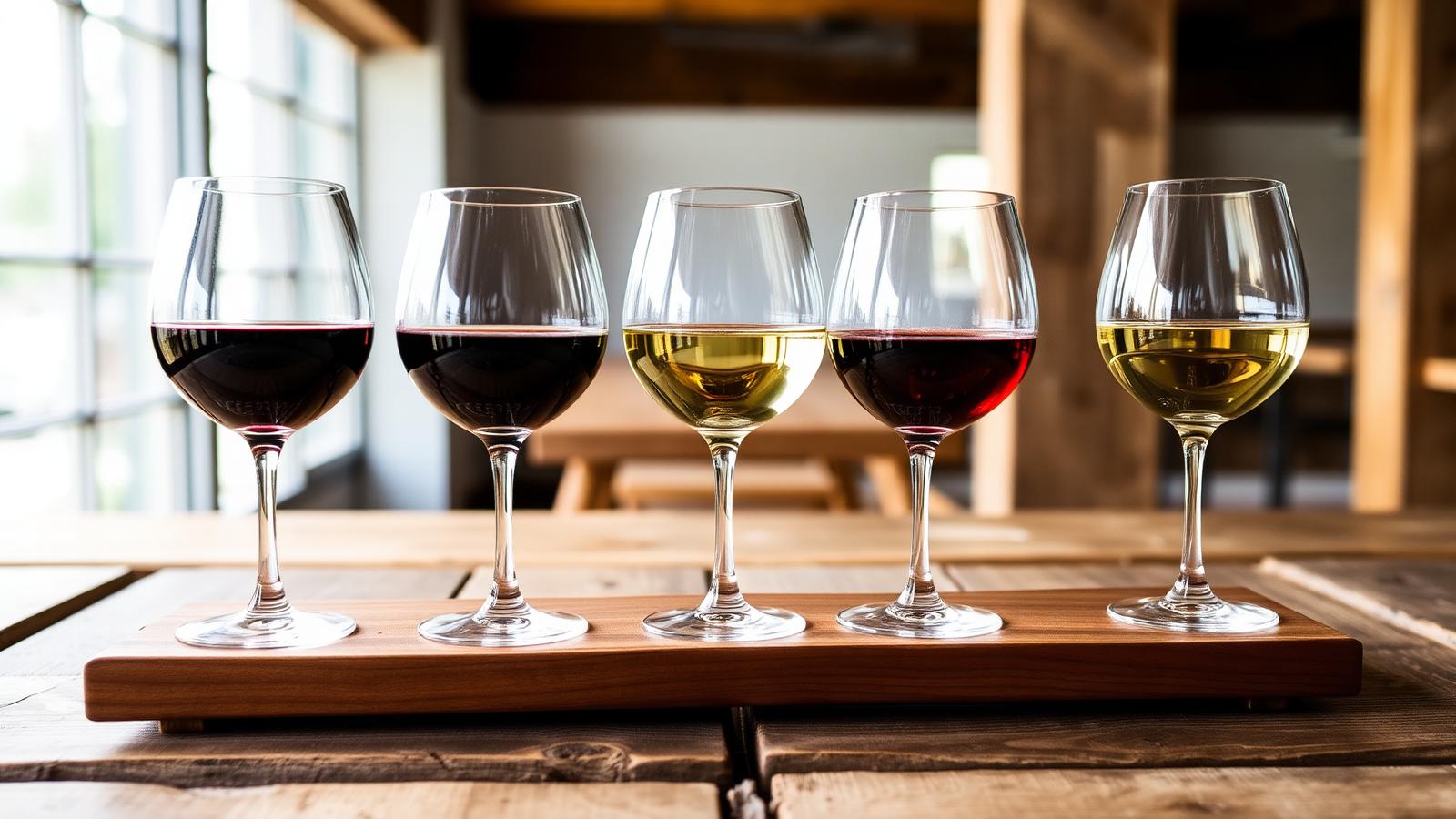
Wines from Three Lakes tend to reflect the region's climate and terrain more than any single style. Look for a sense of place in the glass — mineral notes from stony soils, freshness where nights are cool, richer texture where the sun lingers longer. A short flight of local wines is the fastest way to feel the range.
Rhythms of the year
Three Lakes moves with the seasons. Spring is quiet and green, summer brings long light and full terraces, harvest is intense and communal, and winter turns the vineyards into a stark, beautiful sculpture. Every season is a good reason to come — they just make very different trips.
Beyond the tasting room
Some of the most memorable moments in Three Lakes happen away from the vines: a bakery in the next village over, a viewpoint at sunrise, a slow lunch that turns into a slow afternoon. Leave room in your itinerary for the things you can't plan.
Frequently asked questions
What is the best time of year to visit the Three Lakes wine region?
The Three Lakes region is beautiful year-round, but for a truly immersive wine experience, consider visiting from late spring to early autumn. May and June offer vibrant green landscapes and pleasant temperatures for exploring vineyards. July and August are perfect for enjoying the lakes, with long days and warm evenings. September and October bring the magic of harvest season, with bustling activity in the cellars and stunning autumnal colors across the hillsides. During these months, you'll find more opportunities for tastings and local festivals celebrating the grape.
What kind of transportation is best for exploring the Three Lakes vineyards?
For truly experiencing the charm of Three Lakes, we recommend a combination of transport options. Public transport, particularly trains and boats, offers scenic routes between the lake towns and villages. For reaching the more secluded hillside vineyards, bicycles are a wonderful choice, allowing you to pedal at your own pace and stop at viewpoints. Some areas are also well-suited for walking tours. If you prefer more flexibility, a car can be useful for covering longer distances between the three lakes, but be aware that many village centers are pedestrian-friendly.
Are there opportunities to learn about winemaking or participate in harvest activities?
While direct participation in commercial harvest activities is generally limited to professionals, many wineries in the Three Lakes region offer insightful tours and tasting experiences that delve into their winemaking philosophies. During harvest season (typically September), you might find special events or guided walks through the vineyards explaining the process. It's always a good idea to check directly with cellars or local tourism offices in advance for specific educational opportunities or themed tours that coincide with your visit, allowing for a deeper understanding of their craft.
What are some practical tips for a first-time wine traveler to Three Lakes?
Pack comfortable walking shoes, as many villages and vineyard paths are best explored on foot. Consider bringing layers of clothing, as lakeside climates can change, and a lightweight jacket for cooler evenings, even in summer. Book accommodations and popular tasting experiences in advance, especially during peak season. Don't forget a small bag or backpack for carrying any bottles you purchase – many wineries can also arrange shipping. Finally, embrace the slower pace; allow plenty of time for impromptu stops and simply soaking in the serene beauty of the landscape with a glass in hand.