

Arkansas Wineries & Wine Tours
Sub-regions
Heritage Grapes and Styles
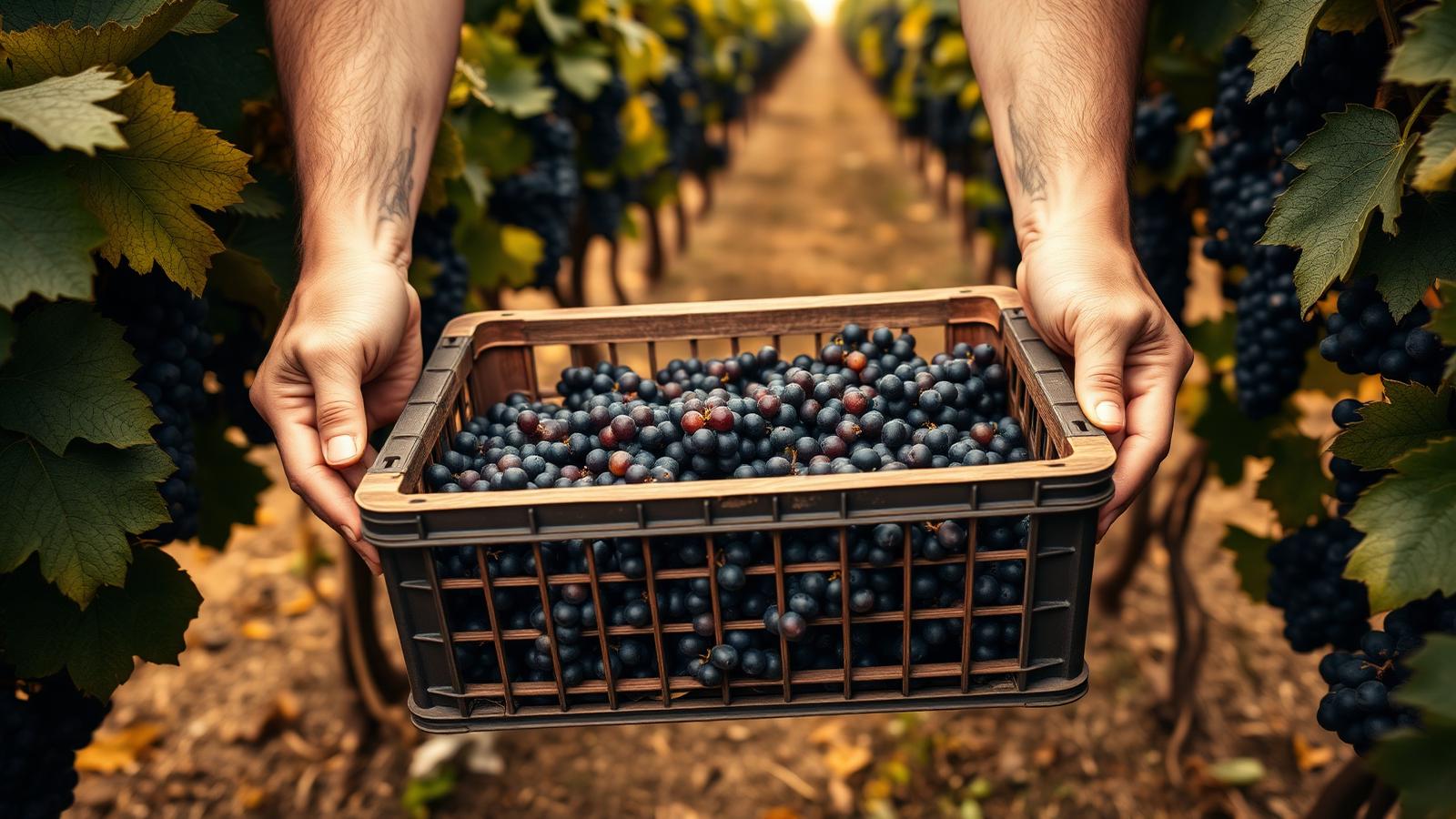
Arkansas's winemaking heritage is deeply intertwined with native and hybrid grape varieties that thrive in its challenging climate. While European vinifera have found footholds, it is the Norton, Cynthiana, and various Muscadine grapes that truly tell the story here. These resilient varieties yield full-bodied reds with earthy undertones and vibrant fruit, as well as aromatic, often sweeter, whites that capture the essence of the Southern landscape. The wines reflect a journey through time, from early European settlements to modern interpretations, showcasing a unique palette of flavors that are distinctly Arkansas.
Ozark Terroir's Embrace
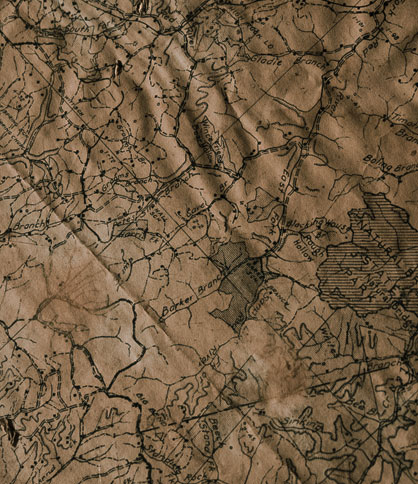
The dramatic undulations of the Ozark Mountains provide a striking backdrop and crucial foundation for Arkansas's vineyards. Here, ancient soils, often a mix of deeply weathered sandstone and shale, lend distinct character to the vines. The elevation contributes to varied microclimates, where warm days are often tempered by cool nights, allowing grapes to ripen slowly and develop nuanced flavors. This robust terrain necessitates a steadfast approach to viticulture, mirroring the enduring spirit of the region's inhabitants. The landscape itself becomes an active partner in defining the wines, imparting a sense of place that is both rugged and refined.
Getting to know Arkansas
What Arkansas tastes like
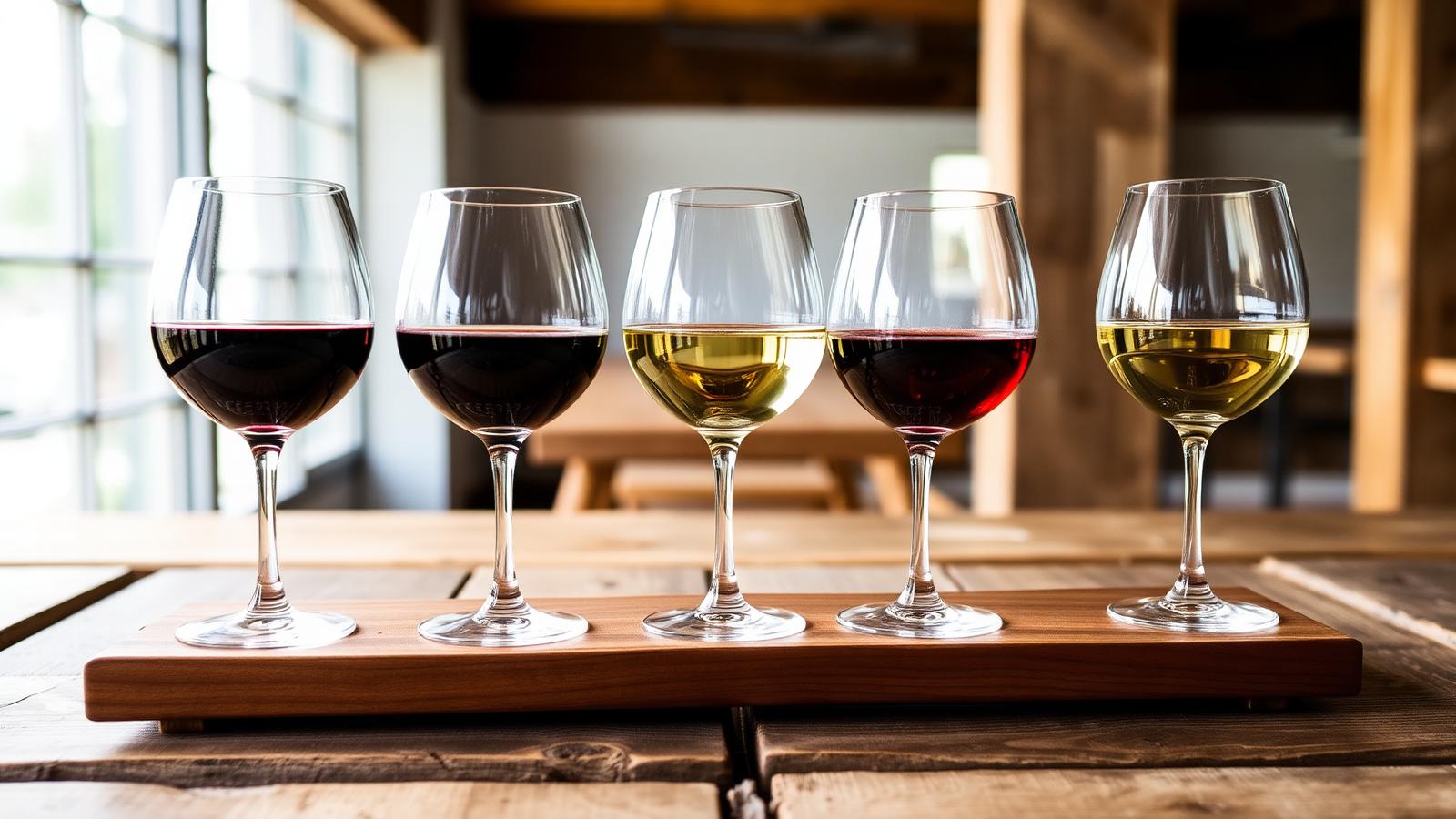
Wines from Arkansas tend to reflect the region's climate and terrain more than any single style. Look for a sense of place in the glass — mineral notes from stony soils, freshness where nights are cool, richer texture where the sun lingers longer. A short flight of local wines is the fastest way to feel the range.
Rhythms of the year
Arkansas moves with the seasons. Spring is quiet and green, summer brings long light and full terraces, harvest is intense and communal, and winter turns the vineyards into a stark, beautiful sculpture. Every season is a good reason to come — they just make very different trips.
Beyond the tasting room
Some of the most memorable moments in Arkansas happen away from the vines: a bakery in the next village over, a viewpoint at sunrise, a slow lunch that turns into a slow afternoon. Leave room in your itinerary for the things you can't plan.
Frequently asked questions
What is the best time of year to visit Arkansas for a wine trip?
The ideal time to visit for a wine trip is generally late spring (April-May) or early autumn (September-October). In spring, the vineyards burst with new growth, and the weather is pleasantly mild for exploring. Autumn brings the excitement of harvest season, with vibrant fall foliage and frequently crisp, clear days perfect for outdoor tastings. Summers can be warm, but offer lush, green landscapes, while winters are quieter, with opportunities for cozy indoor experiences, though some operations may have reduced hours.
Are most of the wineries in Arkansas concentrated in one area?
While vineyards and wineries can be found across the state, a significant cluster is located in the beautiful Ozark Mountains region, particularly around the towns in the west-central part of the state. This area benefits from suitable terrain and a longer history of viticulture. Exploring this specific region will allow you to visit multiple venues within a relatively short distance, creating a comprehensive and enjoyable wine-tasting experience. Be prepared for scenic drives between locations.
What kind of dining options can I expect near the wineries?
Dining near Arkansas's wineries often reflects the region's rustic charm and Southern hospitality. You'll find a mix of family-owned restaurants serving traditional comfort food, local diners, and occasionally more upscale farm-to-table establishments celebrating regional ingredients. Many wineries offer their own light fare, such as cheese boards or picnic items, to enjoy with your tasting. Be sure to seek out places that highlight fresh, local produce and meats for an authentic taste of the area.
What other activities can I combine with a wine tour in Arkansas?
Arkansas offers a wealth of outdoor activities that pair wonderfully with a wine tour. The Ozarks provide excellent opportunities for hiking, kayaking, or enjoying scenic drives through picturesque landscapes. You can explore charming small towns with antique shops and craft stores, visit historic sites, or enjoy fishing in the many rivers and lakes. Combining your wine experience with natural beauty and local culture will create a memorable and well-rounded trip, allowing for relaxation and adventure.