

Wineries & Wine Tours in United States
Regions
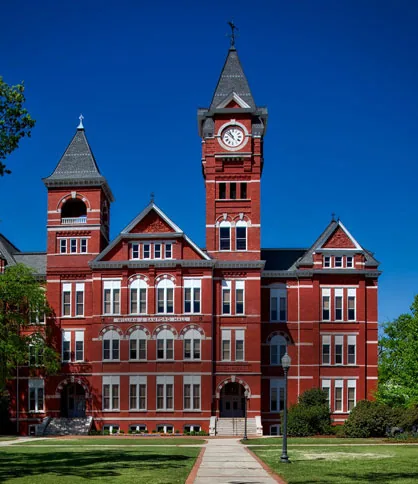

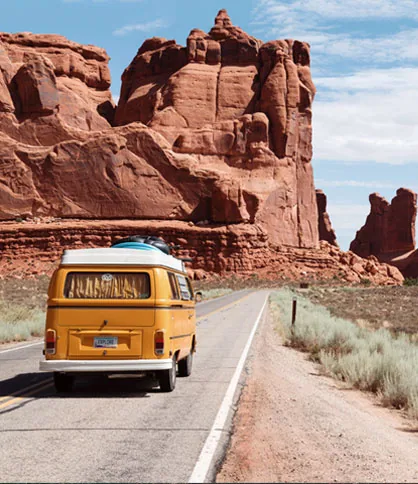
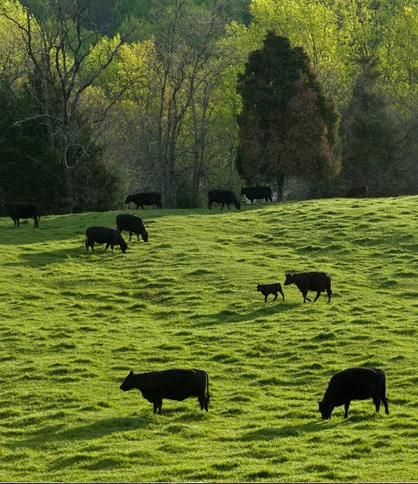
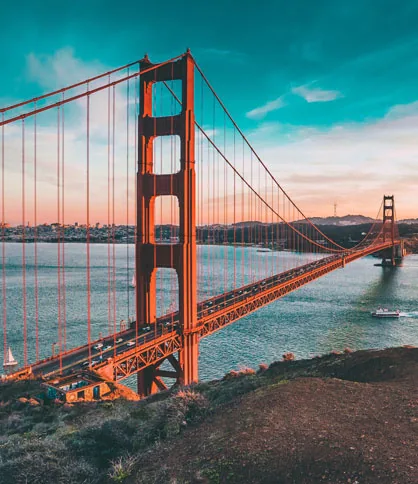


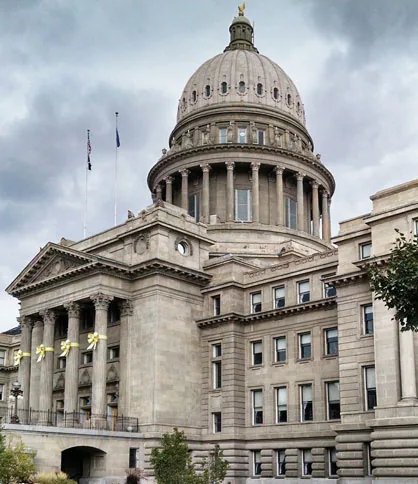
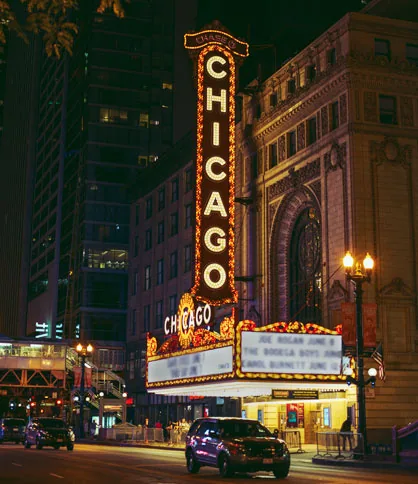
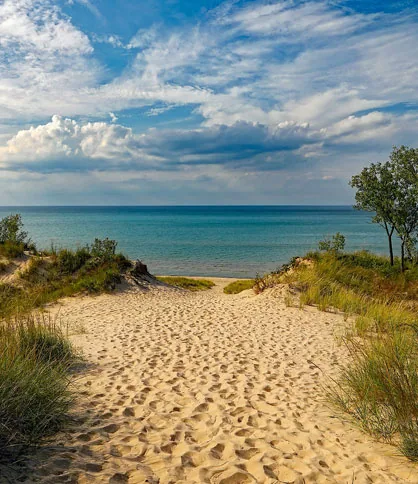
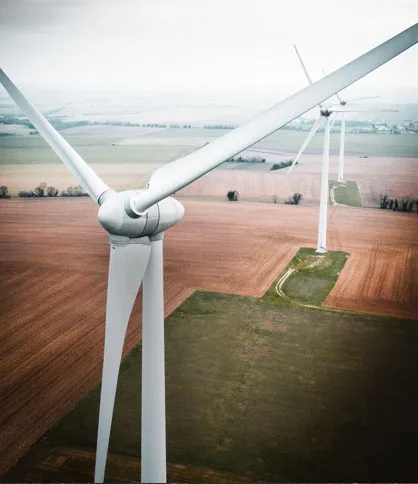
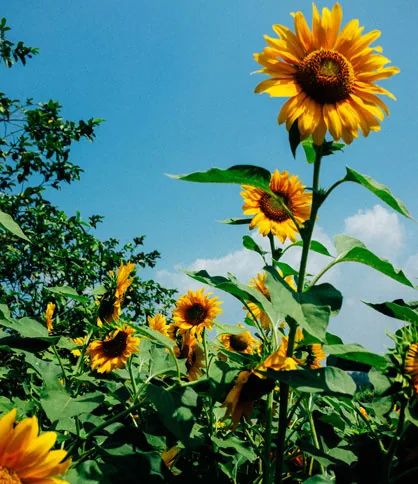
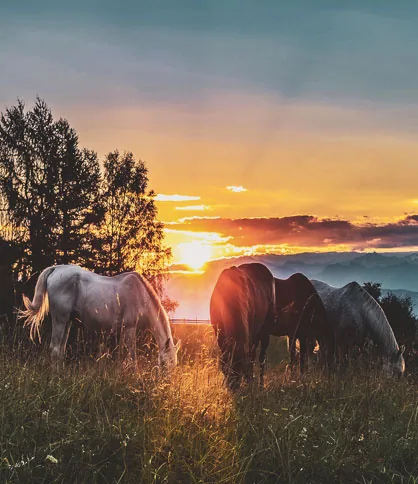
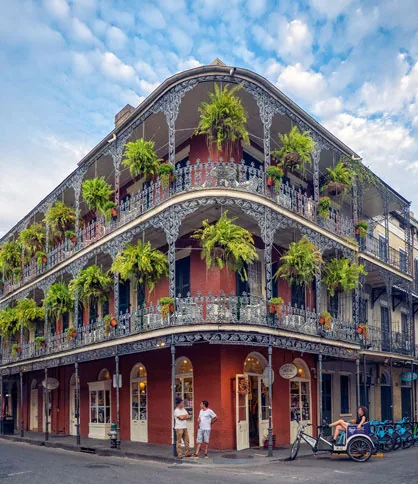

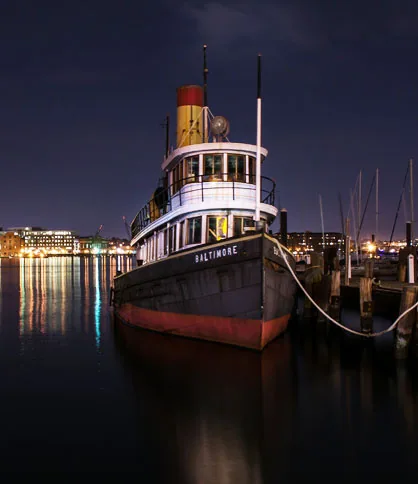

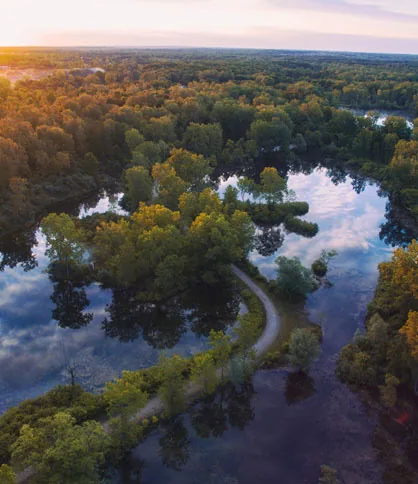
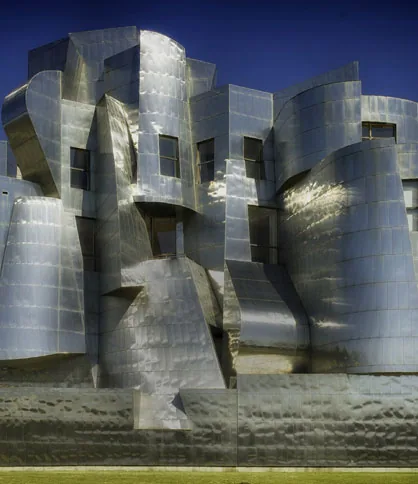
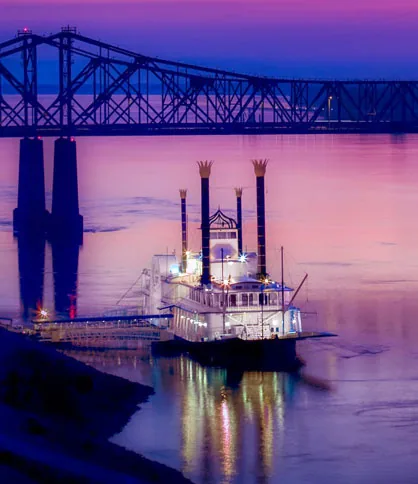

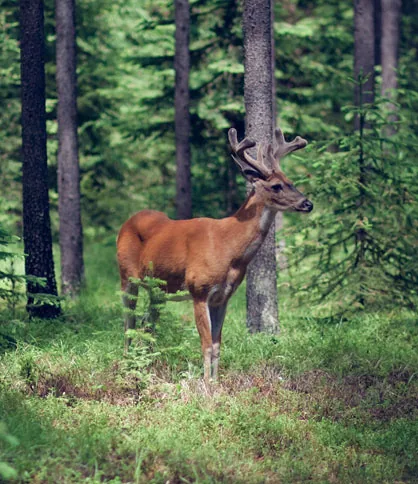
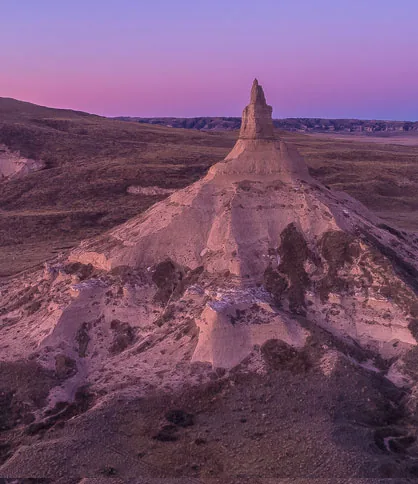

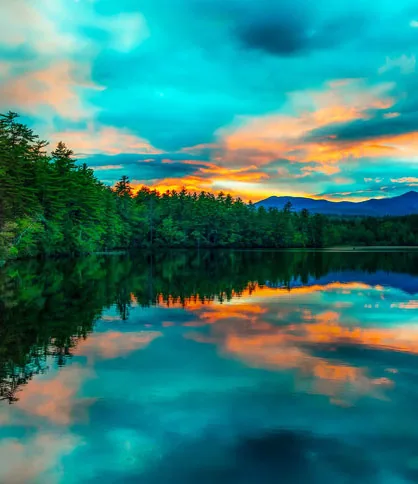
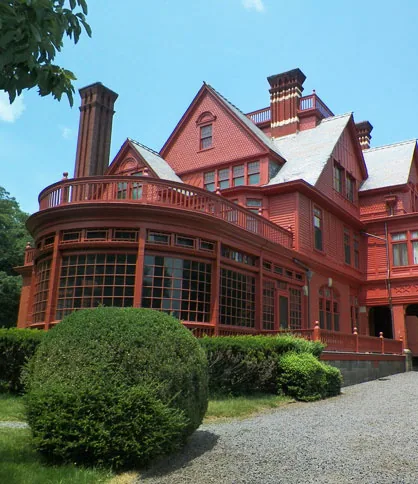


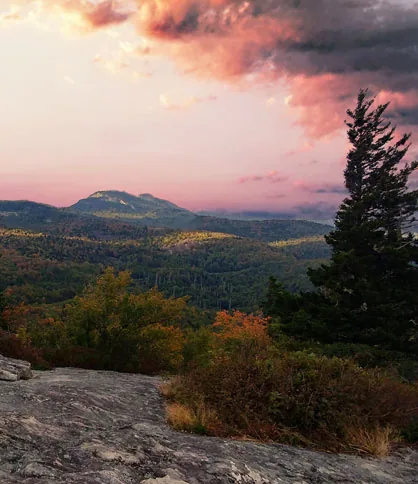
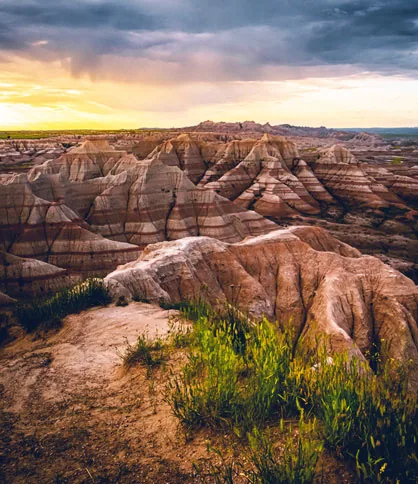

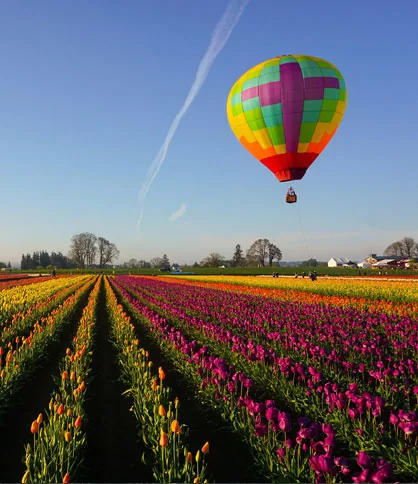
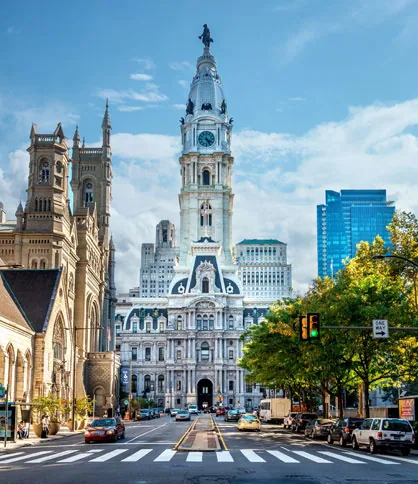

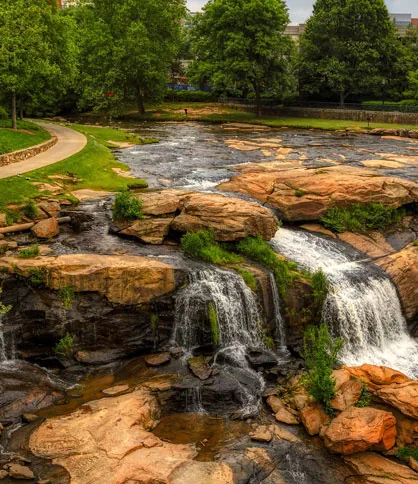
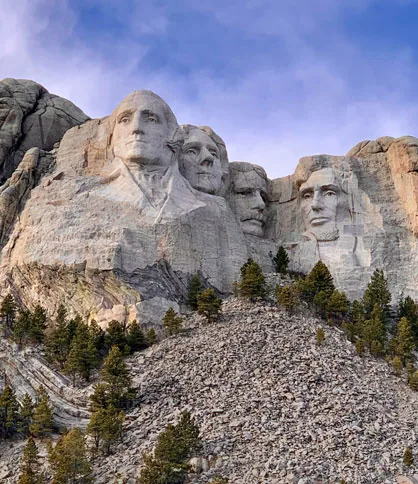
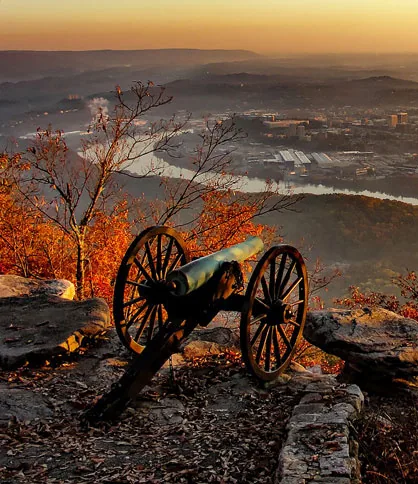
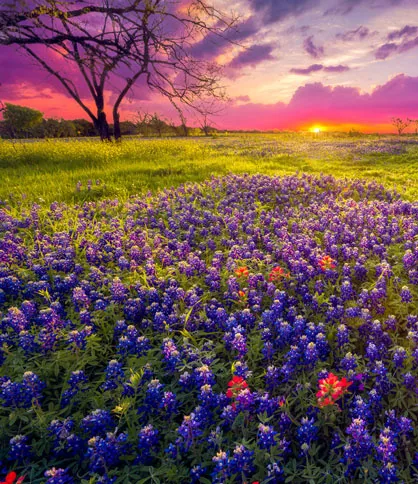
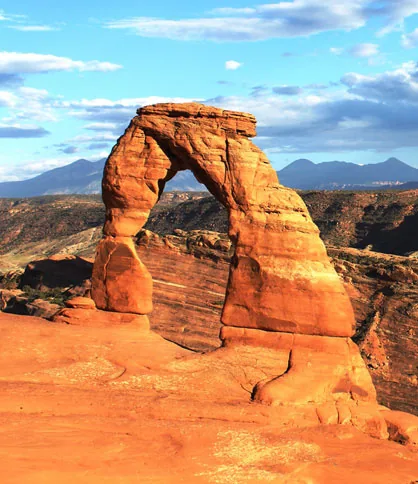
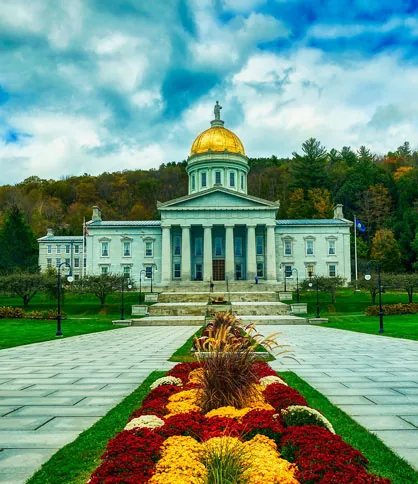
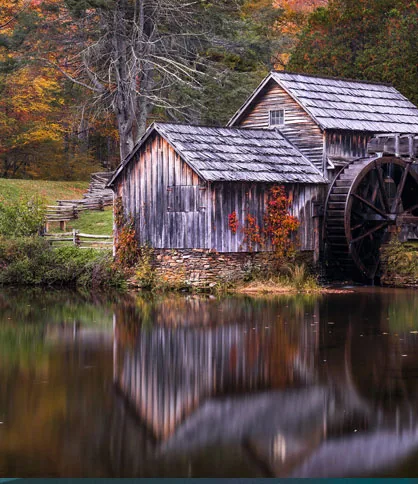

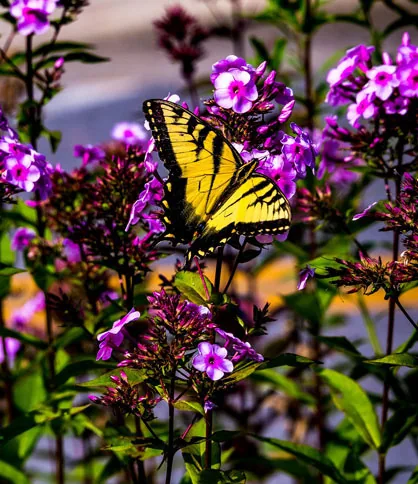

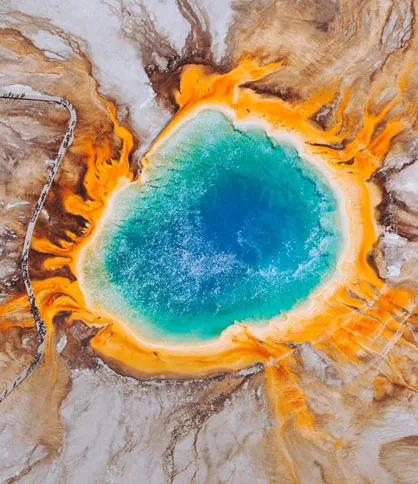
Across a continent of astonishing diversity, the United States unfurls a tapestry of wine regions as varied and vibrant as its spirit. From sun-drenched coastal valleys where cool Pacific breezes whisper through vine rows, to high-desert plateaus where ancient soils yield wines of robust character, this land invites a journey of discovery. Here, innovation dances with tradition, not beholden to centuries of dogma but inspired by a boundless frontier of possibility.
Imagine mornings veiled in a gentle mist that clings to redwood giants, slowly burning off to reveal hillsides studded with meticulously tended vineyards. Picture an afternoon spent tracing the arc of the sun over expansive plains, the quiet hum of nature accompanying the uncorking of a bottle that perfectly captures the essence of its place. This is not just a destination for ; it is a canvas where the story of the land is painted in every glass, an evolving narrative of human connection to soil and sky.
To travel here for wine is to embrace the vastness, to understand that within this singular nation reside worlds of flavor and experience. It is to witness the pioneering spirit that shaped a country now shaping the global palate, to taste the ambition and artistry in every sip. It is an invitation to slow down, to savor the journey from vineyard to table, and to let the diverse landscapes and the generous spirit of its wine culture settle deep into your soul, promising memories as rich and complex as the finest vintages.
Pioneers and Their Pourings
The narrative of wine in the United States is one of enduring spirit and constant innovation. While European traditions offer ancient roots, American wine culture has forged its own path, characterized by a willingness to experiment and a passion for crafting quality. From the early settlers attempting to tame native grapes, to the tenacious individuals who replanted after Prohibition, and the visionaries who championed ‘new world’ styles, the story is one of perseverance. This pioneering spirit continues today, fostering a dynamic environment where winemakers push boundaries, exploring new varietals and sustainable practices, ensuring that the next chapter in American wine is always unfolding.
A Land of Microclimates
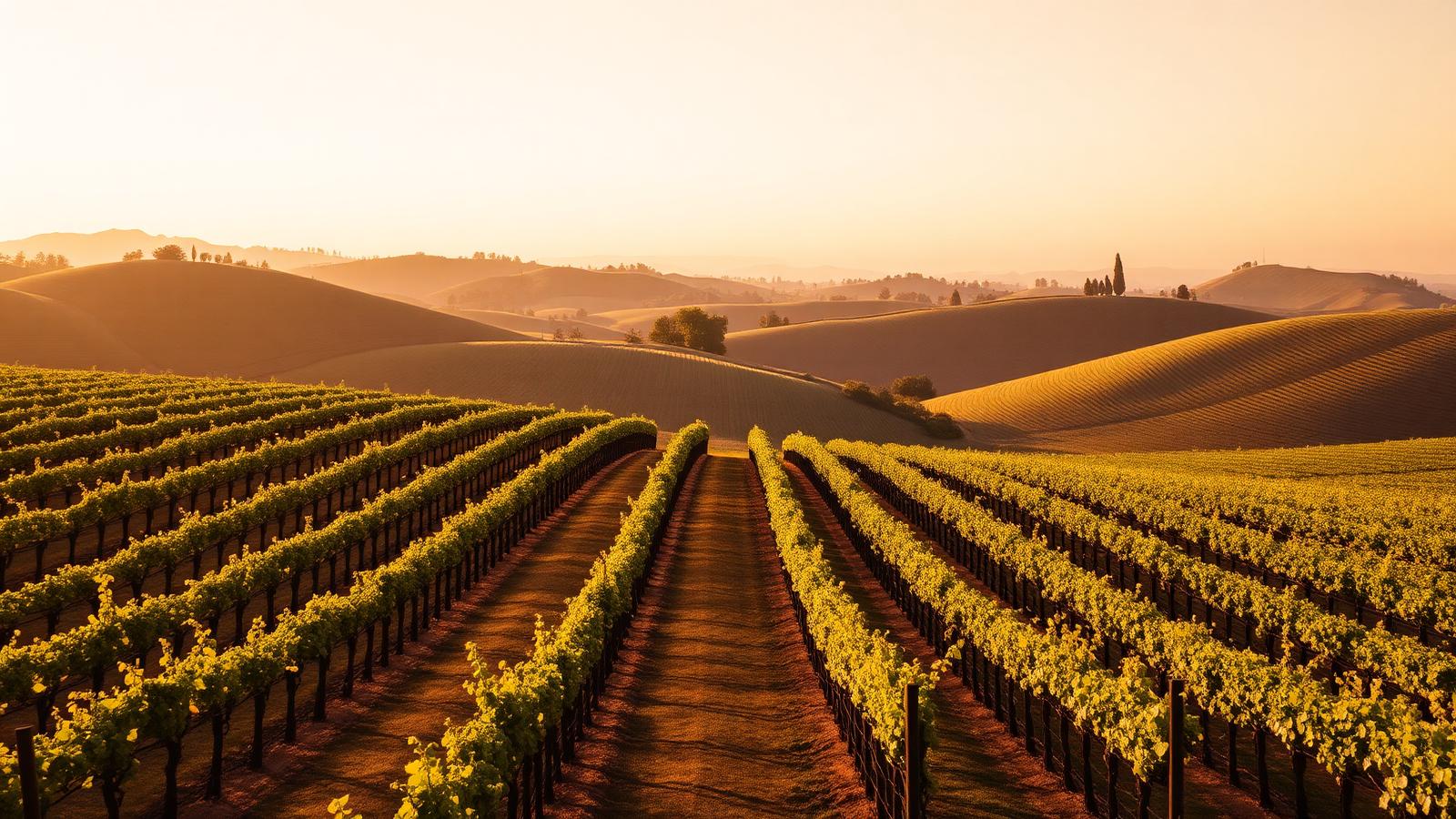
The sprawling geography of the United States offers an extraordinary spectrum of microclimates, each imprinting a unique signature on its wines. From the fog-cooled serenity of California's coastal appellations, guarding the delicate aromatics of and , to the sun-drenched valleys nurturing the bold expressions of and . Journey eastward to the high altitudes of the Rocky Mountain states, where crisp nights lend acidity and structure, or south to regions where heat-loving varietals thrive. This vastness ensures a continuous unveiling of new terroirs, each with a distinct voice, inviting endless exploration of how earth and sky converge in the glass.
Harvest's Embrace and Table's Bounty
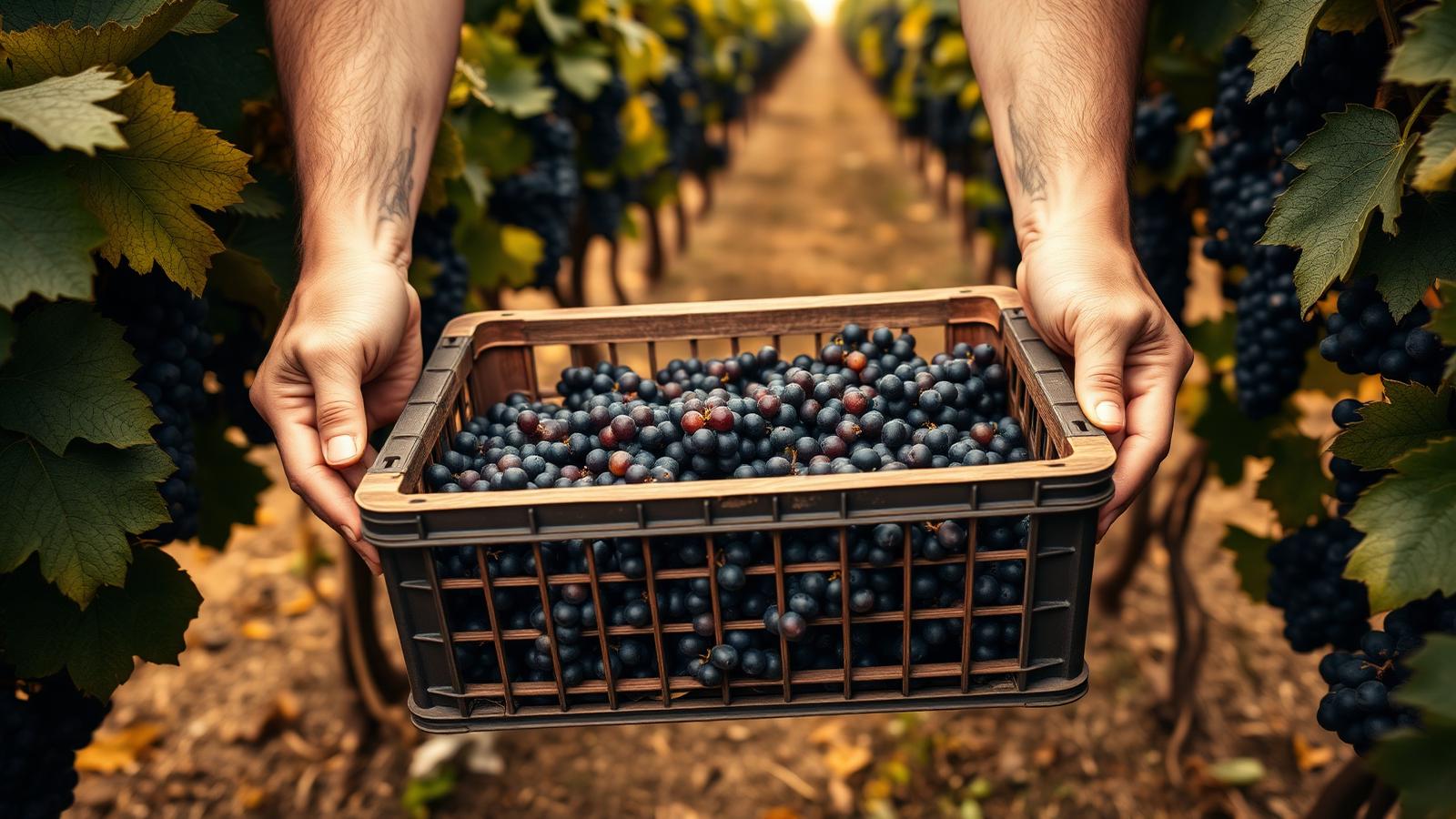
The rhythm of the seasons dictates the pulse of American wine country, culminating in the vibrant energy of harvest. This is a time when the air buzzes with activity, and the promise of the vintage fills every cellar. This deep connection to the land extends seamlessly to the culinary philosophy. Farm-to-table is not a trend, but an intrinsic way of life, with local ingredients celebrated and paired with the regional wines they inspire. Imagine long, leisurely meals shared alfresco, where the bounty of the earth—freshly picked produce, artisanal cheeses, and expertly prepared meats—harmonizes with a glass poured from the very vineyards that frame your view. It's a symphony of flavors, where food and wine elevate each other in a truly American fashion.
What makes a trip here special
A landscape shaped by the vine
Vineyards in United States follow the geography — rivers, ridgelines, coastlines, and altitude all leave their fingerprints on the wine. Driving between regions is often as memorable as the tastings themselves.
Food that grew up next to the wine
The best pairings for United States's wines are almost always the dishes that grew up alongside them. Local markets, family-run restaurants, and roadside stops turn a wine trip into a full sensory tour of the country.
A calendar worth planning around
Harvest, pruning, spring flowering, and long lazy summers each give United States's wine regions a completely different mood. Choosing when you visit is almost as important as choosing where.
Frequently asked questions
What is the best time of year to visit U.S. wine regions?
The ideal time largely depends on your desired experience. Late spring (April-May) offers lush green vineyards and pleasant temperatures, perfect for leisurely strolls and picnics. Harvest season, typically late August through October, is incredibly atmospheric with buzzing activity, allowing you to witness grape picking and crushing firsthand. Autumn also brings stunning fall foliage, especially in northern regions. If seeking fewer crowds and milder weather for indoor tastings, early spring or late fall can be excellent choices.
Do I need a car to explore U.S. wine regions effectively?
While some popular regions offer limited public transport or ride-sharing, having a car generally provides the most flexibility and access, especially in more rural areas. Many vineyards are spread out, and a car allows you to explore at your own pace, discover smaller, off-the-beaten-path producers, and easily reach charming accommodations or local eateries. However, if you plan to taste extensively, consider hiring a private driver for the day or joining a curated small-group tour for safety and convenience.
What should I expect regarding tasting room experiences and etiquette?
Most U.S. tasting rooms are welcoming and informal. You can expect to pay a tasting fee, which is often waived with a wine purchase. Many offer a of wines to sample, and staff are usually knowledgeable and happy to discuss their wines. It's polite to make appointments, particularly for smaller estates or during peak season, and always designate a sober driver. Feel free to ask questions, but avoid wearing heavy perfumes that can interfere with the wine's aromas, and remember to swirl, sniff, and sip to fully appreciate each pour.
Are U.S. wine regions family-friendly or suitable for non-wine drinkers?
Many U.S. wine regions go beyond just wine, offering a variety of activities that make them enjoyable for families and non-drinkers alike. You'll often find farm stands, scenic hiking or biking trails, artisan shops, and charming towns to explore. Some estates even have picnic areas, gardens, or activities suitable for children. Always check specific vineyard policies beforehand, as some may have age restrictions in tasting rooms. Many regions also boast excellent culinary scenes, making them delightful for anyone interested in good food and beautiful landscapes.