

Florida Wineries & Wine Tours
Sub-regions
The Muscadine's Domain
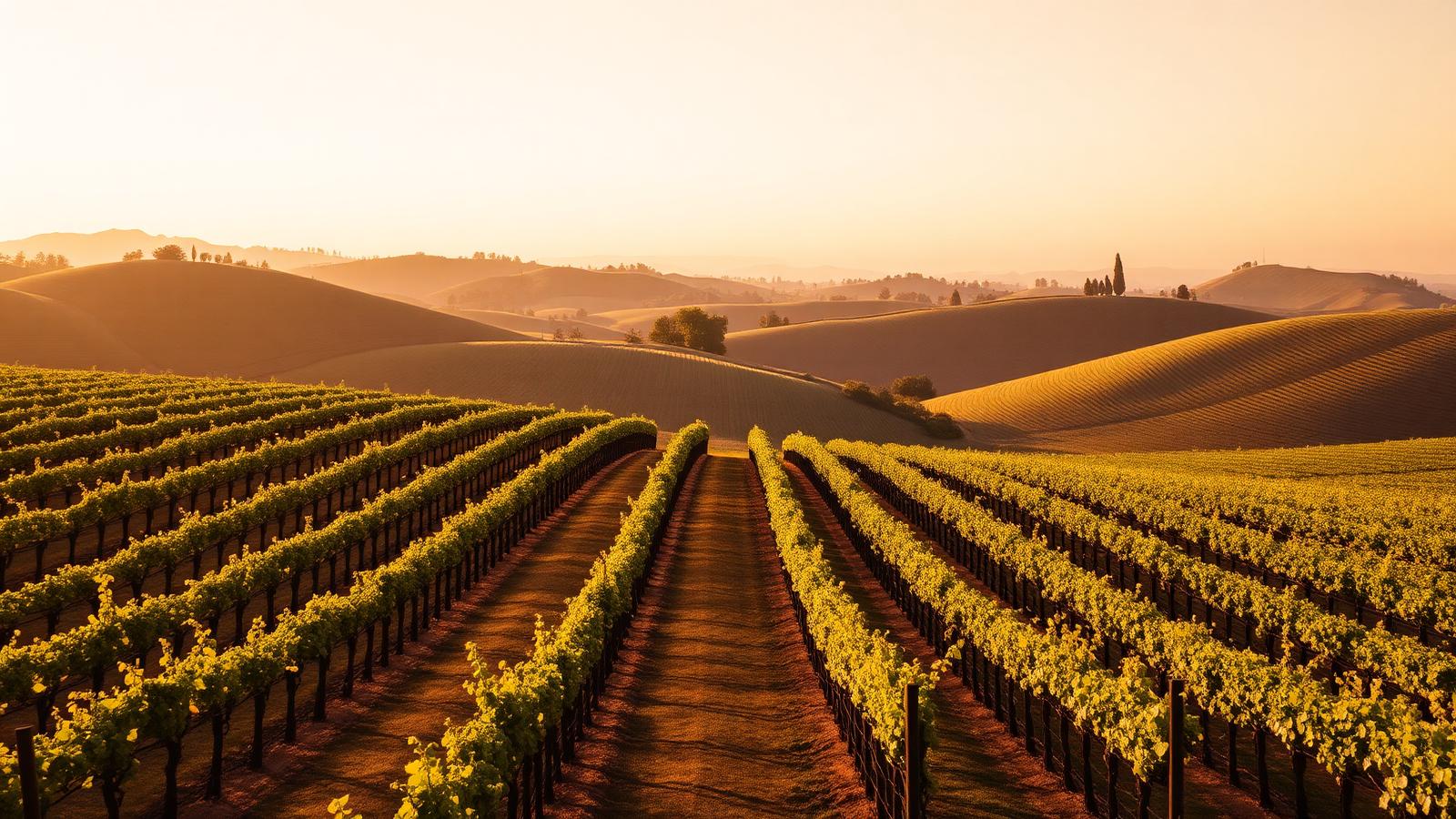
Florida's wine identity is intrinsically linked to the Muscadine grape, a native variety perfectly suited to the state's warm, often humid climate. These vines, with their broad leaves and strong tendrils, are a common sight in the agricultural heartland, forming verdant canopies. Unlike their European counterparts, Muscadines possess a unique flavor profile, often described as foxy, with notes of ripe berries, tropical fruit, and sometimes a whisper of nuttiness. The wines crafted from them range from lusciously sweet dessert styles, redolent with honeyed fruit, to surprising dry interpretations that reveal a refreshing zest and unexpected complexity, making for a truly distinctive tasting experience.
Coastal Flavors and Cuisine
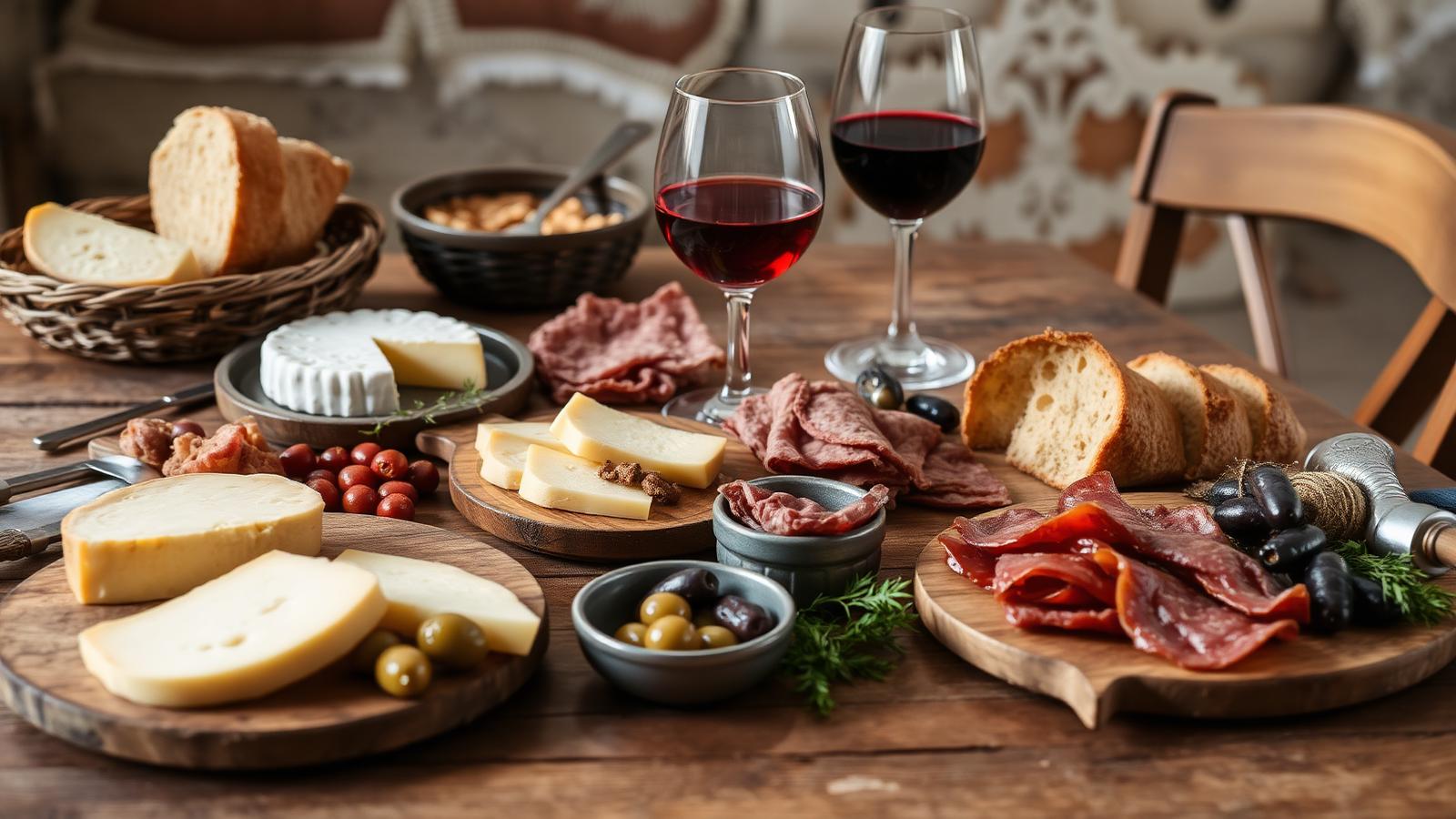
The Floridian table is a vibrant tapestry, mirroring the state's diverse landscape and coastal proximity. Freshly caught seafood, from grilled snapper to succulent shrimp, pairs beautifully with the lighter, fruit-driven Muscadine whites. Local citrus, with its bright acidity, often finds its way into marinades and sauces, complementing the richer, often sweeter, red Muscadine wines that can stand up to barbecued meats or a hearty Cuban-inspired dish. Long, leisurely lunches unfold with the sea breeze carrying the scent of salt and sunshine, a perfect backdrop for the region's unique vinous offerings and its laid-back culinary rhythm.
Getting to know Florida
What Florida tastes like
Wines from Florida tend to reflect the region's climate and terrain more than any single style. Look for a sense of place in the glass — mineral notes from stony soils, freshness where nights are cool, richer texture where the sun lingers longer. A short flight of local wines is the fastest way to feel the range.
Rhythms of the year
Florida moves with the seasons. Spring is quiet and green, summer brings long light and full terraces, harvest is intense and communal, and winter turns the vineyards into a stark, beautiful sculpture. Every season is a good reason to come — they just make very different trips.
Beyond the tasting room
Some of the most memorable moments in Florida happen away from the vines: a bakery in the next village over, a viewpoint at sunrise, a slow lunch that turns into a slow afternoon. Leave room in your itinerary for the things you can't plan.
Frequently asked questions
What is the best time of year to visit Florida for a wine experience?
The cooler months, generally from October through April, are ideal for visiting Florida's wine regions. During this period, the humidity is lower, and temperatures are more comfortable for outdoor activities like vineyard strolls and patio tastings. While Muscadine grapes are harvested in late summer, early fall offers a pleasant balance of good weather and the excitement of the crush season. Avoid the peak summer months for a more comfortable and enjoyable trip, as the heat and humidity can be intense, though some wineries operate with indoor, air-conditioned tasting rooms year-round.
What transportation options are available for touring Florida's wine areas?
Renting a car is generally the most practical and flexible option for exploring Florida's wine regions, as vineyards can be spread out across the state's agricultural heartland. Public transportation is limited outside of major cities. For those who prefer not to drive, consider booking a private tour with a local driver or a small group excursion that includes transportation. Some of the more established wine trails may have designated tour operators, but personal vehicle travel allows for spontaneous stops at farm stands and other local attractions, enhancing the overall experience significantly.
Are Florida's wineries generally family-friendly, and can children join tastings?
Many of Florida’s wineries are family-friendly, particularly those that embrace an agricultural tourism model with farm animals, picnic areas, and open spaces. While children are not permitted to participate in wine tastings, most establishments have areas where families can relax together. It's always best to check with individual wineries beforehand regarding their policies for minors. Some offer non-alcoholic beverages like grape juice or fruit ciders, making it enjoyable for all ages. Enjoying a picnic among the vines can be a delightful family experience in this relaxed setting.
What types of accommodation should I expect when visiting Florida's wine country?
Accommodation in Florida's wine regions can vary, ranging from charming bed and breakfasts nestled in quaint towns to comfortable independent hotels and vacation rentals. You are less likely to find large, resort-style hotels directly adjacent to vineyards, as the focus is often on smaller, more intimate operations. Consider staying in nearby rural communities or even larger towns that offer a wider range of amenities and are within a reasonable driving distance of multiple wineries. Booking in advance, especially during the cooler high season, is always recommended to secure your preferred lodging.