

Pennsylvania Wineries & Wine Tours
Sub-regions
Local Flavors and Pace
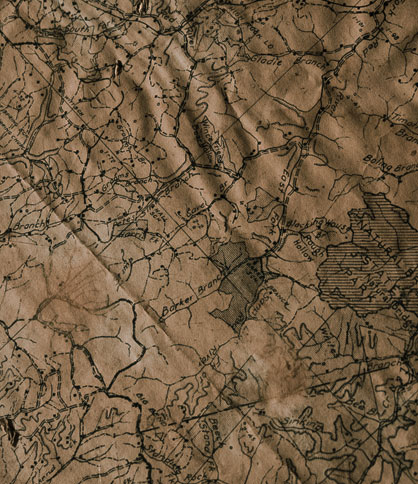
The culinary landscape of Pennsylvania’s wine regions is deeply rooted in its agricultural abundance, reflecting the state's rich farming traditions. Farmers’ markets overflow with seasonal produce, artisanal cheeses, and homemade preserves, providing the perfect accompaniments to a leisurely . Meals here are often hearty and unpretentious, celebrating fresh, local ingredients – think apple dumplings, slow-cooked meats, and garden-fresh vegetables. The pace of life is decidedly unhurried, encouraging guests to linger over long lunches, engage in friendly conversations with vintners, and simply absorb the tranquil beauty of the countryside. It’s an invitation to slow down and savor every moment.
Terroir and Grapes
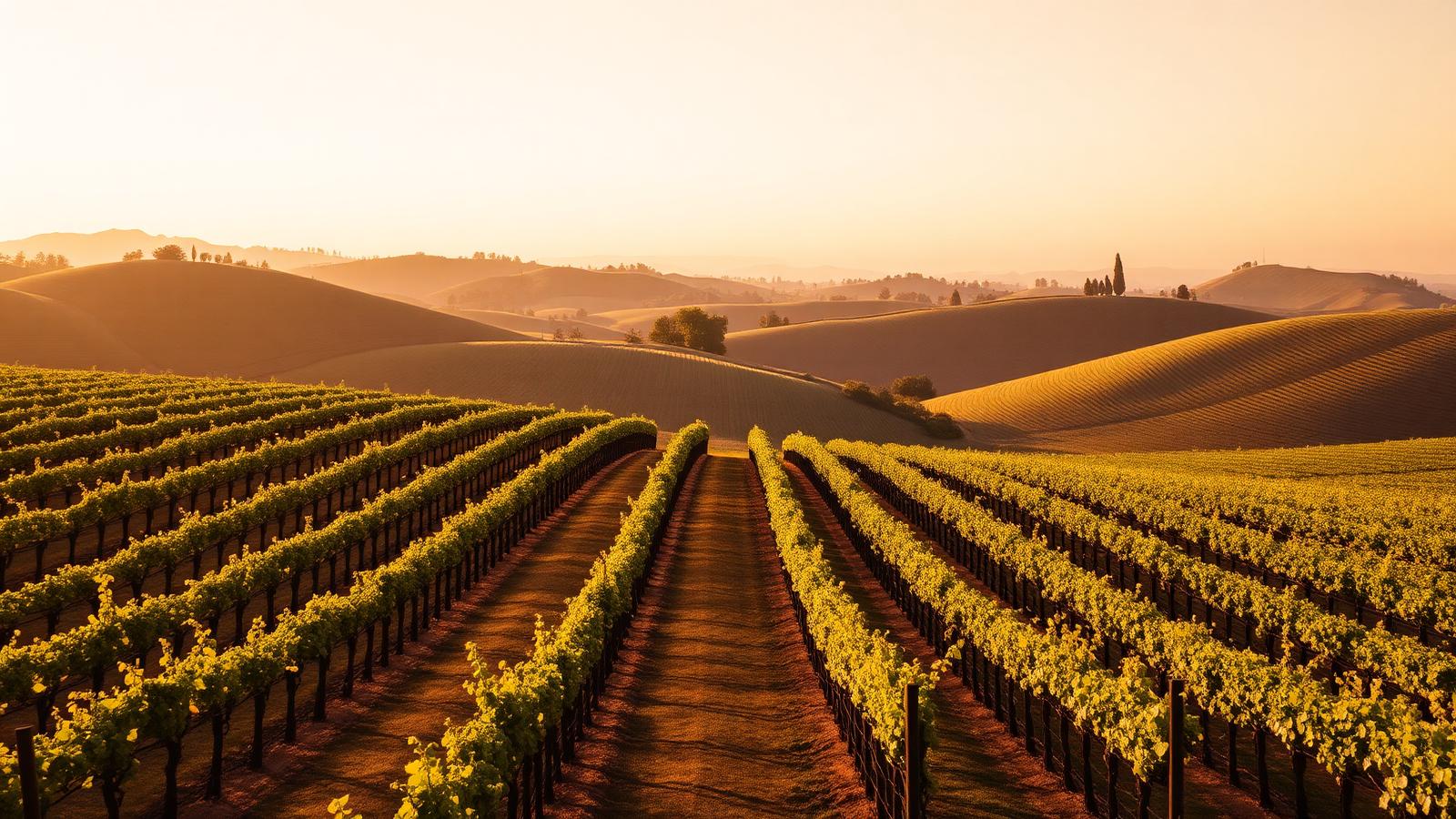
Pennsylvania’s diverse , shaped by ancient geological forces, presents a patchwork of soils from slate to shale, contributing complexity to its grapes. The state's climate, a delicate balance of warm, humid summers and distinct, often cold, winters, necessitates a thoughtful approach to viticulture. Here, hybrid grapes, bred for their hardiness and disease resistance, thrive, producing vibrant and aromatic wines. Yet, a growing number of vinifera varieties, carefully selected for specific microclimates, are also making their mark, lending a refined elegance to the state's offerings. This blend of traditional and innovative viticulture allows for a captivating range of styles, from crisp whites to fruit-forward reds.
Getting to know Pennsylvania
What Pennsylvania tastes like
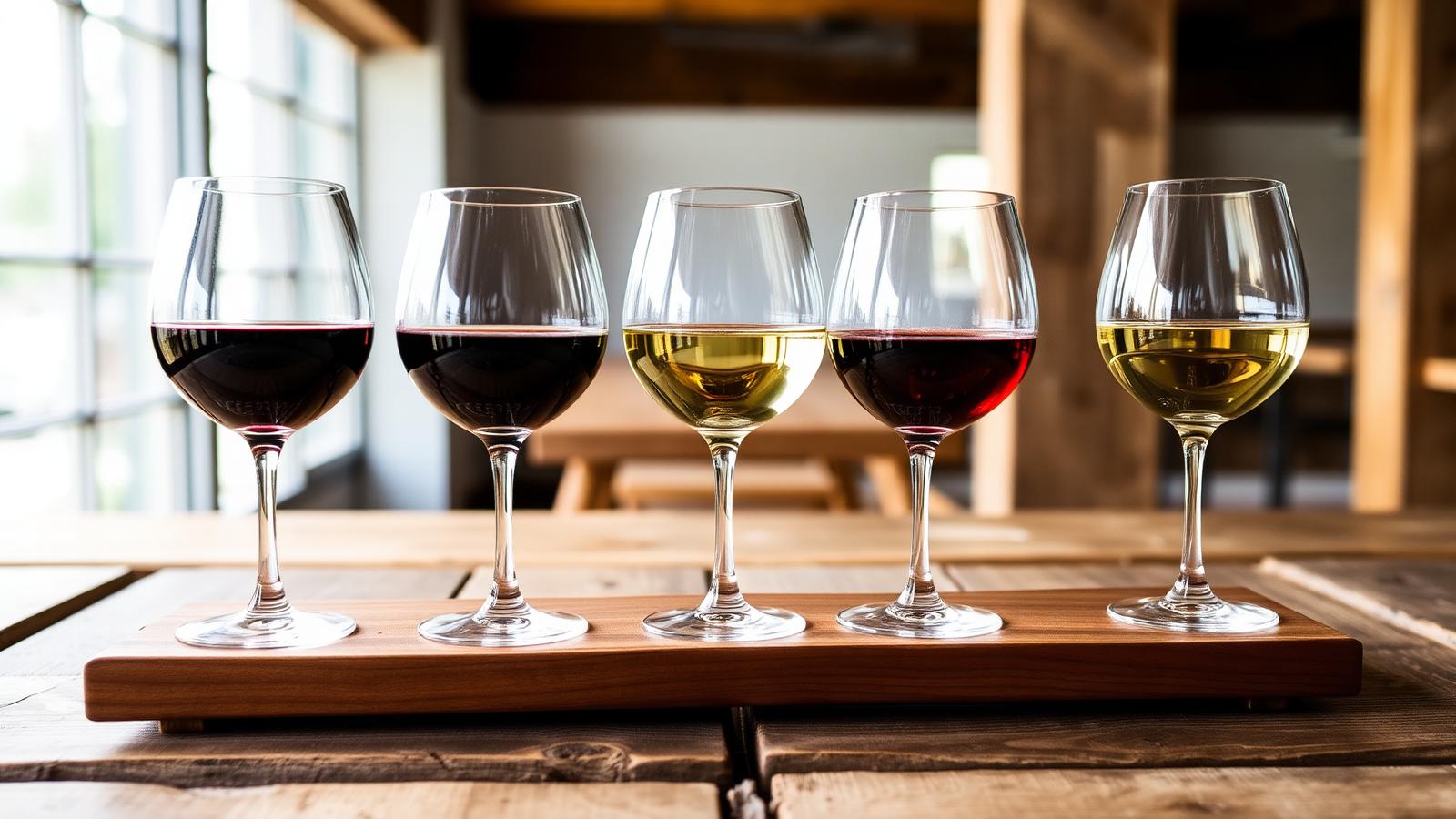
Wines from Pennsylvania tend to reflect the region's climate and terrain more than any single style. Look for a sense of place in the glass — mineral notes from stony soils, freshness where nights are cool, richer texture where the sun lingers longer. A short flight of local wines is the fastest way to feel the range.
Rhythms of the year
Pennsylvania moves with the seasons. Spring is quiet and green, summer brings long light and full terraces, harvest is intense and communal, and winter turns the vineyards into a stark, beautiful sculpture. Every season is a good reason to come — they just make very different trips.
Beyond the tasting room
Some of the most memorable moments in Pennsylvania happen away from the vines: a bakery in the next village over, a viewpoint at sunrise, a slow lunch that turns into a slow afternoon. Leave room in your itinerary for the things you can't plan.
Frequently asked questions
What is the best time of year to visit Pennsylvania wine country?
The ideal time to explore Pennsylvania's wine regions is typically from late spring through autumn. May and June offer lush, green landscapes and comfortable temperatures, perfect for outdoor tastings and strolls. The vibrant colors of fall, particularly September and October, coincide with harvest season, offering a lively atmosphere and picturesque scenery. Even a clear, crisp day in early spring or late autumn can be wonderful, though some operations might have reduced hours. Always check ahead for specific events like harvest festivals or seasonal releases.
Are most of the wine experiences accessible by public transportation?
Pennsylvania's wine regions are generally not well-served by extensive public transportation options that connect directly to individual tasting rooms or rural vineyards. For the most flexibility and convenience, particularly for visits to multiple establishments spread across scenic routes, it is highly recommended to have a car. Consider car-sharing services or arranging for a designated driver if you plan to partake in tastings. Some larger towns in wine-producing areas may have limited local taxi or ride-share availability, but do not rely on it for comprehensive vineyard hopping.
What kind of food and dining experiences can I expect in Pennsylvania wine regions?
You can anticipate a delightful range of dining experiences that emphasize local and seasonal ingredients. Many wine regions are close to rich agricultural areas, meaning fresh produce, artisanal cheeses, and farm-to-table menus are common. You'll find charming local eateries, casual bistros, and often vineyard-adjacent cafes that offer light fare or full meals designed to pair with their wines. Be sure to explore local farmers' markets for picnic supplies, and don't miss out on regional specialties like apple butter or fresh baked goods, which perfectly complement a day of wine touring.
Do I need reservations for tastings, especially for groups?
While many smaller, more casual establishments welcome walk-ins, it is always a good idea to check their website or call ahead, especially on weekends or during peak season. For groups, particularly those of six or more, reservations are almost always required to ensure they can accommodate you comfortably and provide the best experience. This allows the staff to prepare for your arrival, allocate appropriate space, and sometimes even offer a more personalized guided tasting, making your visit much more enjoyable and smoothly managed.