

South Dakota Wineries & Wine Tours
Sub-regions
Rhythm of the Heartland
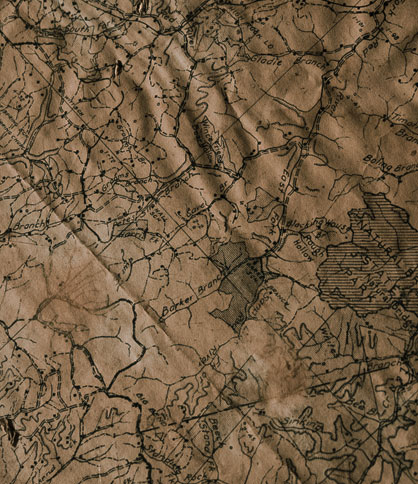
The pace of life in South Dakota is unhurried, reflecting the vastness of its landscapes and the enduring spirit of its people. Wineries often operate with a welcoming, personal touch, inviting visitors to linger, to learn, and to truly connect with the winemaking process. This slower rhythm encourages exploration beyond the ; perhaps a quiet stroll through rolling vineyards at sunset, or a moment of reflection overlooking a canyon shaped by time. It’s a place where moments are savored, and genuine hospitality ensures each visit feels less like a trip and more like a cherished return.
Prairie Vines and Plains Terroir
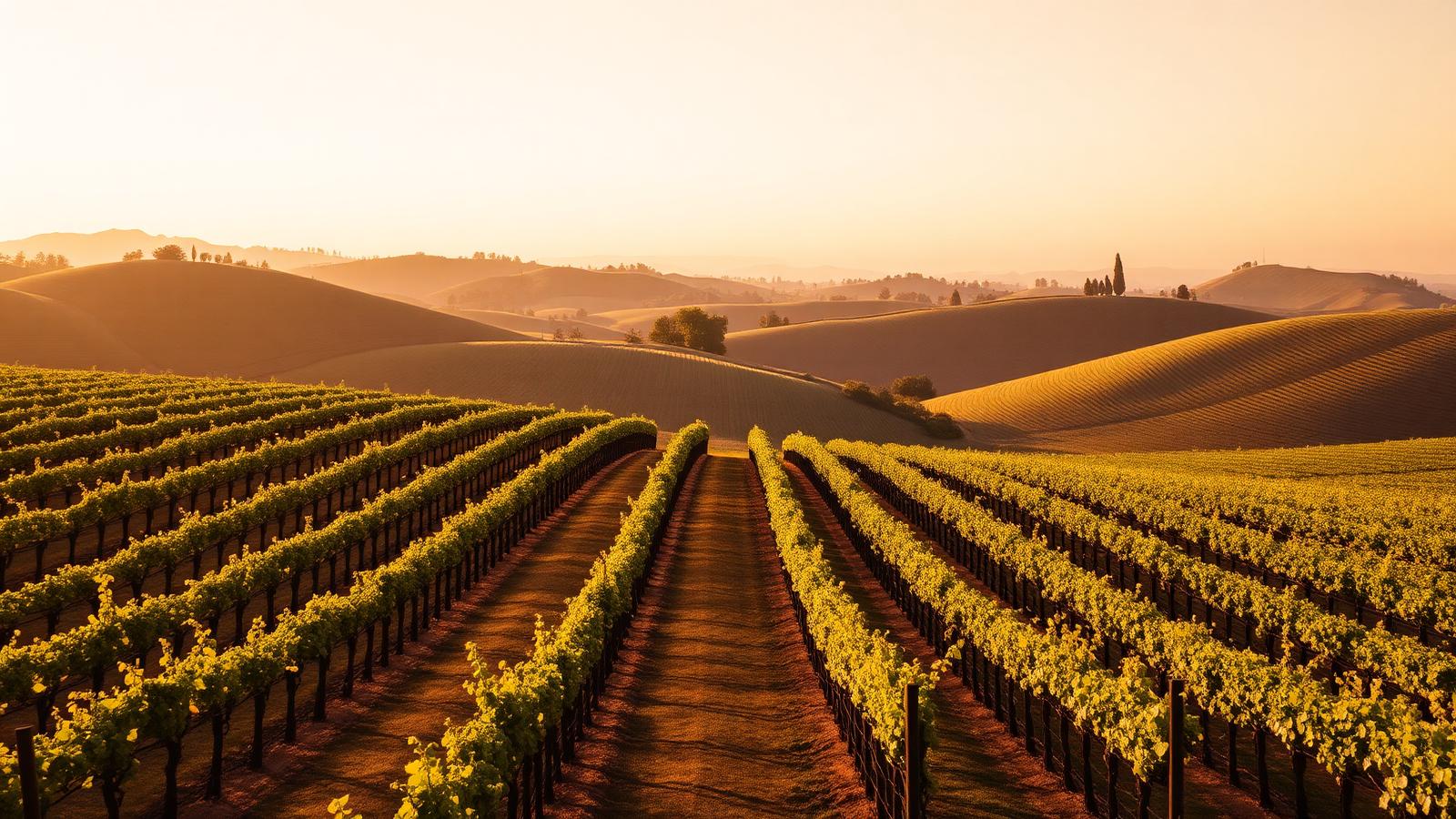
South Dakota’s winemaking narrative is intrinsically linked to its unique climate, characterized by warm summers and cold winters. This environment favors hardy, cold-tolerant grape varieties, predominantly hybrids, which have been meticulously cultivated to thrive here. The fertile prairie soils, often a mix of glacial deposits and loess, impart distinct mineral characteristics to the grapes, forming the backbone of their unique flavor profiles. Wines here often present with bright fruit, a refreshing acidity, and a crispness that speaks to the clarity of the region's air and water. Exploring these vineyards is often an intimate experience, revealing the deep connection between the land and the glass.
The Harvest's Bounty
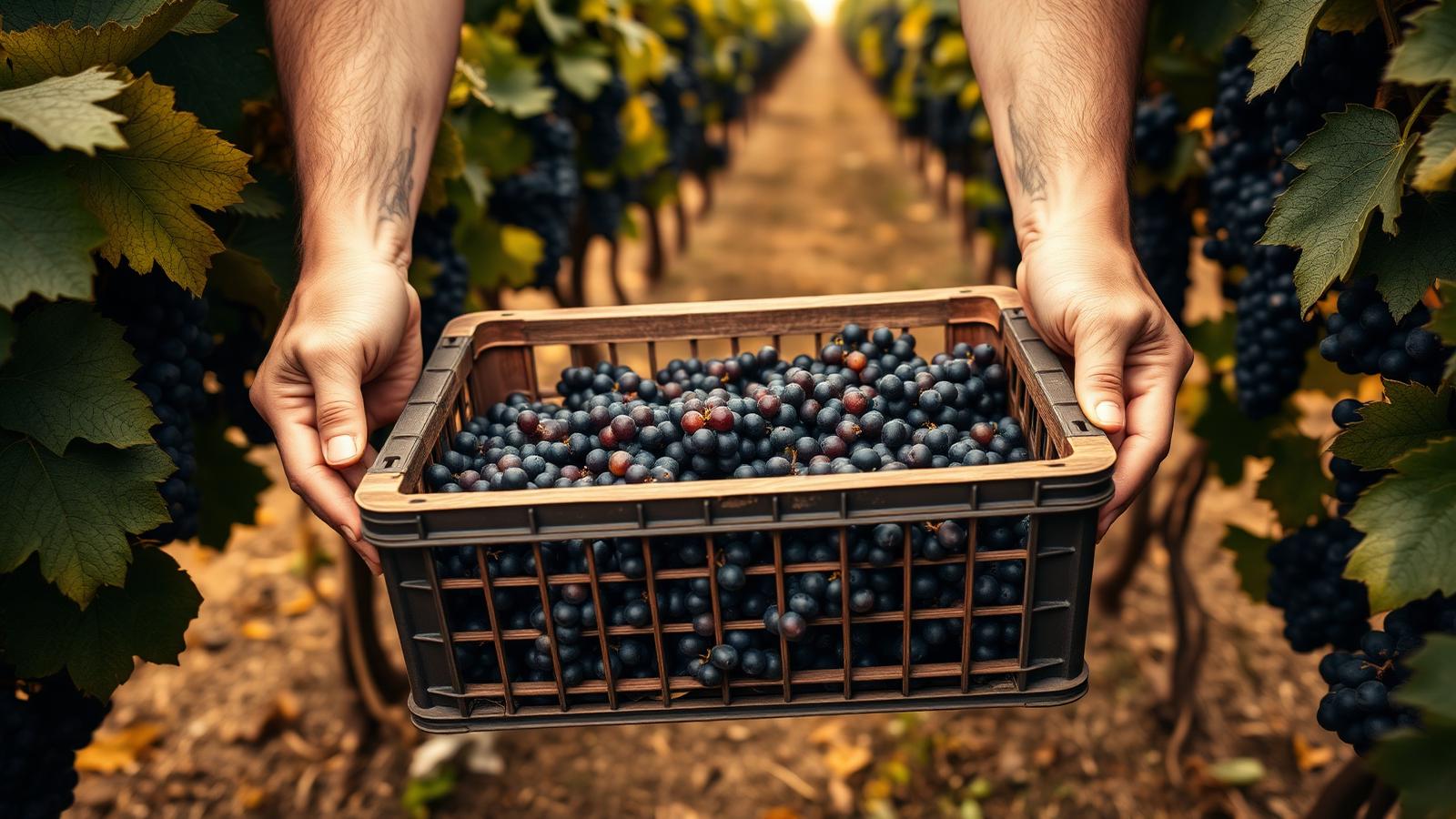
The culinary journey through South Dakota's wine country is one of hearty, honest flavors that perfectly complement the regional wines. Think of slow-cooked bison, rich with native herbs, or freshly caught walleye from pristine lakes, prepared simply to let its natural sweetness shine. Local farms contribute an abundance of fresh produce, from sweet corn to root vegetables, often featured in seasonal dishes that celebrate the harvest. Long, leisurely meals are a tradition, where the bounty of the land is shared around tables, fostering a sense of community and connection that resonates deeply with the soul of the region.
Getting to know South Dakota
What South Dakota tastes like
Wines from South Dakota tend to reflect the region's climate and terrain more than any single style. Look for a sense of place in the glass — mineral notes from stony soils, freshness where nights are cool, richer texture where the sun lingers longer. A short flight of local wines is the fastest way to feel the range.
Rhythms of the year
South Dakota moves with the seasons. Spring is quiet and green, summer brings long light and full terraces, harvest is intense and communal, and winter turns the vineyards into a stark, beautiful sculpture. Every season is a good reason to come — they just make very different trips.
Beyond the tasting room
Some of the most memorable moments in South Dakota happen away from the vines: a bakery in the next village over, a viewpoint at sunrise, a slow lunch that turns into a slow afternoon. Leave room in your itinerary for the things you can't plan.
Frequently asked questions
What are the best times of year to visit South Dakota wine country?
The most enchanting times to visit South Dakota’s wine country are late spring through early autumn. May and June offer vibrant green landscapes and pleasant temperatures, perfect for outdoor tastings. The peak summer months of July and August are warm, with long daylight hours ideal for exploring, though booking ahead is advisable. Harvest season in September and early October is particularly special, with the vineyards abuzz with activity and the autumn foliage providing a stunning backdrop to your wine-tasting experience. Winters, while beautiful, can be quite cold, and some smaller operations may have reduced hours.
What types of wines are South Dakota known for?
South Dakota is renowned for its cold-hardy grape varieties, primarily robust hybrids developed to thrive in its distinctive climate. You can expect to find excellent Frontenac, with its dark berry and cherry notes, often crafted into both dry reds and fruit-forward rosés. Marquette, another popular red, offers savory hints of spice and plum. For whites, look for La Crescent, known for its aromatic profile of apricot and citrus, and Frontenac Blanc, which produces bright, crisp wines. Many wineries also embrace fruit wines, particularly from local berries, adding another layer to the region's diverse offerings.
Are there many places to stay within wine country, or should I base myself in a larger town?
Accommodation options within South Dakota’s wine regions can range from charming bed-and-breakfasts to smaller, locally owned inns, offering a more intimate experience. For a wider of hotels, amenities, and dining, basing yourself in a larger nearby town can be a convenient option. Many vineyards are situated in picturesque rural settings, so consider the kind of experience you're seeking. A mix of both can provide a well-rounded trip, allowing you to enjoy the tranquility of the countryside while having easy access to other attractions and services.
What kind of local cuisine can I expect to pair with the wines?
The cuisine of South Dakota reflects its agricultural heritage and natural bounty, offering a hearty and authentic dining experience that pairs beautifully with local wines. Expect to find dishes featuring regional specialties such as bison, often prepared in stews or as steaks, which complement the robust red hybrids. Freshwater fish like walleye, frequently pan-fried or baked, offer a delicate match for crisp white wines. Locally grown produce, including corn, potatoes, and various berries, feature prominently in seasonal menus, providing fresh and flavorful side dishes and desserts. Many establishments pride themselves on farm-to-table freshness.