

New Jersey Wineries & Wine Tours
Sub-regions
Coastal Plains to Highland Slopes
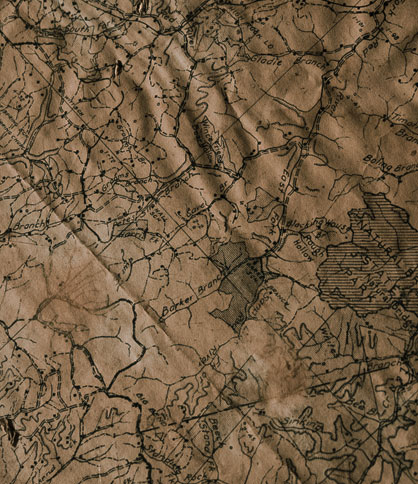
The undulating geography of this region, from the flat, fertile expanse of the south to the rocky elevations inland, provides an engaging canvas for viticulture. The sandy loams and gravelly soils of the coastal areas, often remnants of ancient seabeds, drain impeccably, lending themselves to varietals that crave well-aerated roots. Further north, the volcanic and shale-rich soils of the higher ground create distinct microclimates, offering diverse expressions. This geological tapestry ensures a rich variety in wine styles, reflecting the nuanced character of the land itself. The breezes carrying ocean air offer a natural regulation, fostering healthful vineyard conditions that contribute to the purity of the fruit.
Grapes of Resilience and Charm
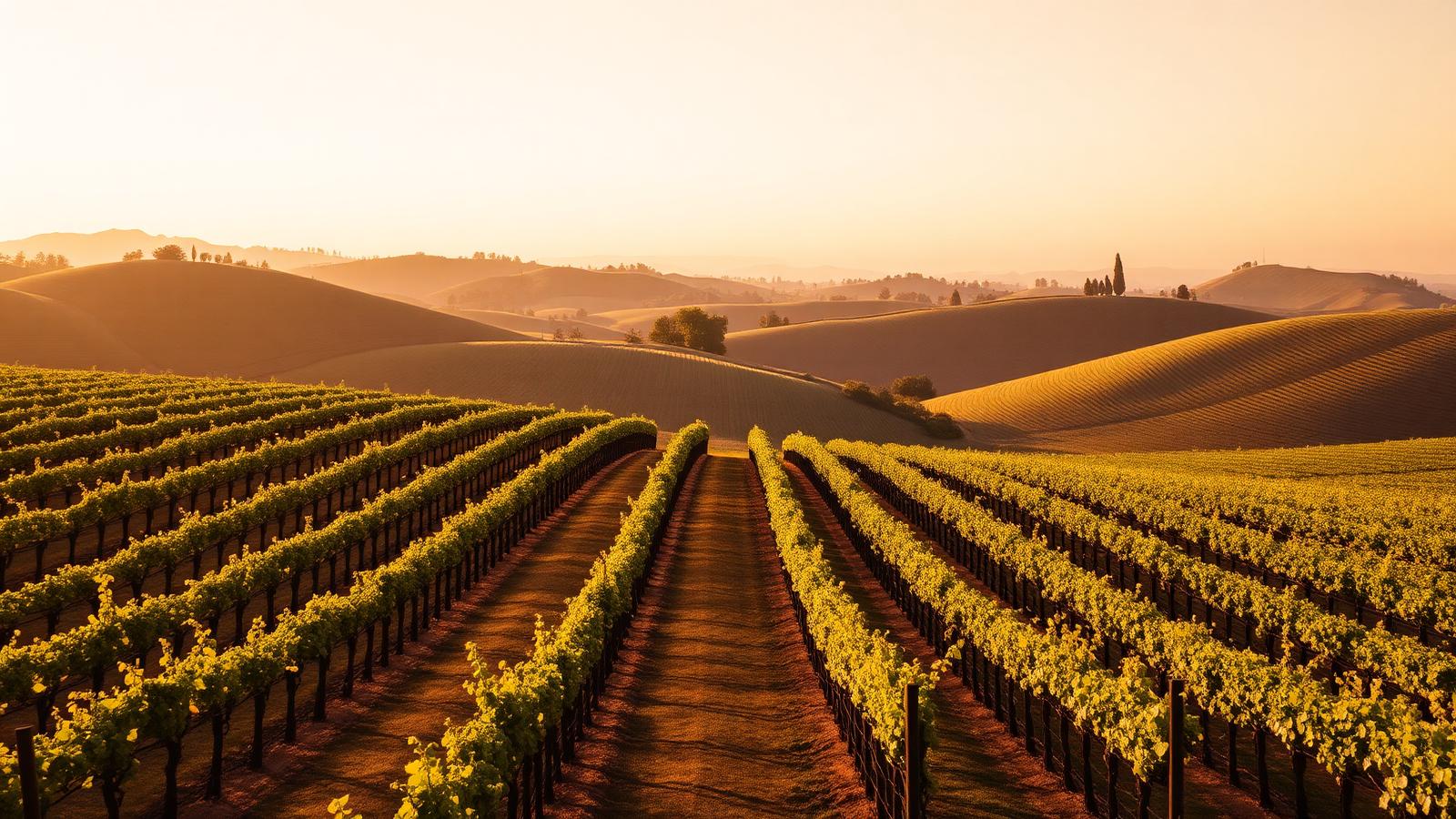
While Bordeaux varieties find a comfortable home here, thriving in the region's balanced climate, it is often the less-expected grapes that truly captivate. Hybrid grape varieties, celebrated for their resilience and vibrant acidity, offer a refreshing testament to the region's pioneering spirit. Think of elegant Chambourcin, with its red berry and earthy notes, or the crisp , often expressing bright citrus and mineral undertones. These grapes, alongside increasingly successful European vines, are crafted into wines that possess a distinctive character, reflecting both the region's climatic challenges and its winemakers' skilled adaptations. The results are often surprising and always rewarding.
Culinary Pairings and Pastoral Pleasures
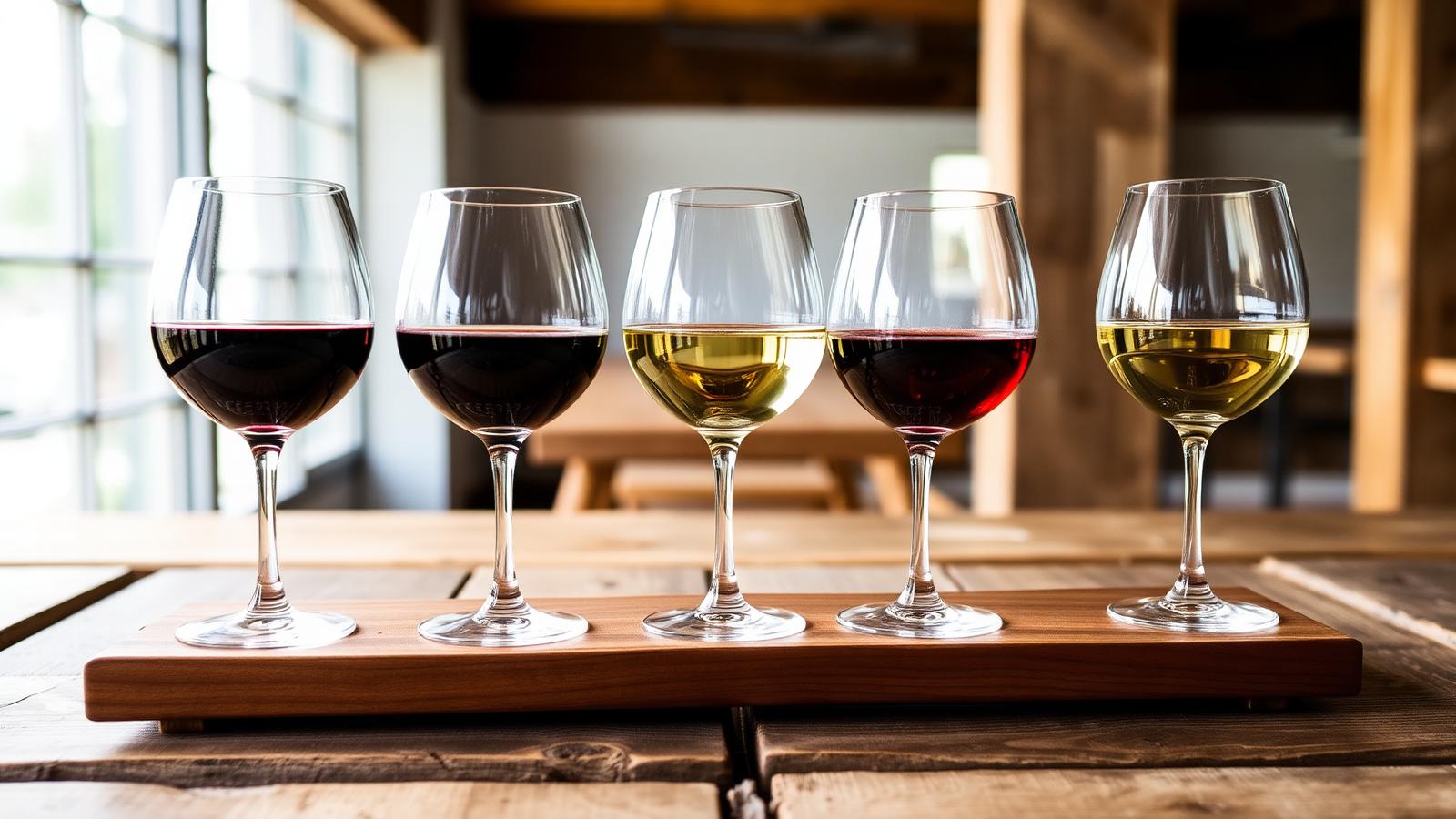
The culinary scene here perfectly complements the evolving wine landscape. Fresh, seasonal produce gathered from local farms frequently graces tables, from sweet corn and Jersey tomatoes in summer to crisp apples and hearty root vegetables in autumn. Seafood, plucked fresh from the abundant coastline, provides an exquisite partnership for the region's crisp whites and rosés. Imagine a long lunch on a sun-drenched patio, savoring freshly shucked oysters or steamed clams alongside a chilled, aromatic white, with the pastoral quietude of vineyards stretching out before you. The experience is one of simplicity, authenticity, and profound connection to the land’s bounty.
Getting to know New Jersey
What New Jersey tastes like
Wines from New Jersey tend to reflect the region's climate and terrain more than any single style. Look for a sense of place in the glass — mineral notes from stony soils, freshness where nights are cool, richer texture where the sun lingers longer. A short flight of local wines is the fastest way to feel the range.
Rhythms of the year
New Jersey moves with the seasons. Spring is quiet and green, summer brings long light and full terraces, harvest is intense and communal, and winter turns the vineyards into a stark, beautiful sculpture. Every season is a good reason to come — they just make very different trips.
Beyond the tasting room
Some of the most memorable moments in New Jersey happen away from the vines: a bakery in the next village over, a viewpoint at sunrise, a slow lunch that turns into a slow afternoon. Leave room in your itinerary for the things you can't plan.
Frequently asked questions
What is the best time of year to visit for wine tasting?
The late spring and early autumn months are usually ideal for a wine trip here. In May and June, the vineyards are lush and green, budding with life, and the weather is pleasantly mild for strolling and outdoor tastings. September and October bring the excitement of harvest, with vibrant fall foliage and cooler, crisp air. Many tasting rooms also host special events during these periods, offering visitors a deeper insight into the winemaking process and regional festivities. Summer, while warm, can also be delightful, particularly for those enjoying lighter, chilled wines.
What styles of wine should I expect to find in this region?
You’ll discover a diverse array of styles reflecting the varied and innovative spirit of the winemakers. Expect to find refreshing whites like unoaked , vibrant , and aromatic , often with bright fruit and crisp acidity. For reds, look for elegant , fruit-forward , and intriguing Chambourcin, which can range from light and earthy to more robust. Rosés are also increasingly popular, crafted with a focus on freshness and delightful fruit character. Many wineries also produce sparkling wines and dessert wines, offering a full spectrum of experiences.
Are there opportunities for vineyard tours and behind-the-scenes experiences?
Absolutely. Many of the wineries welcome visitors for guided tours that delve into the winemaking process, from vine to bottle. These tours often include walks through the vineyards, explanations of specific growing techniques, and a peek into the cellar. Some establishments offer more immersive experiences, such as barrel tastings, educational seminars focused on particular varietals, or even opportunities to participate in harvest activities during the autumn season. It's always a good idea to check with individual wineries in advance, as offerings can vary and reservations are often recommended, especially for more specialized experiences.
What kind of local cuisine pairs well with the regional wines?
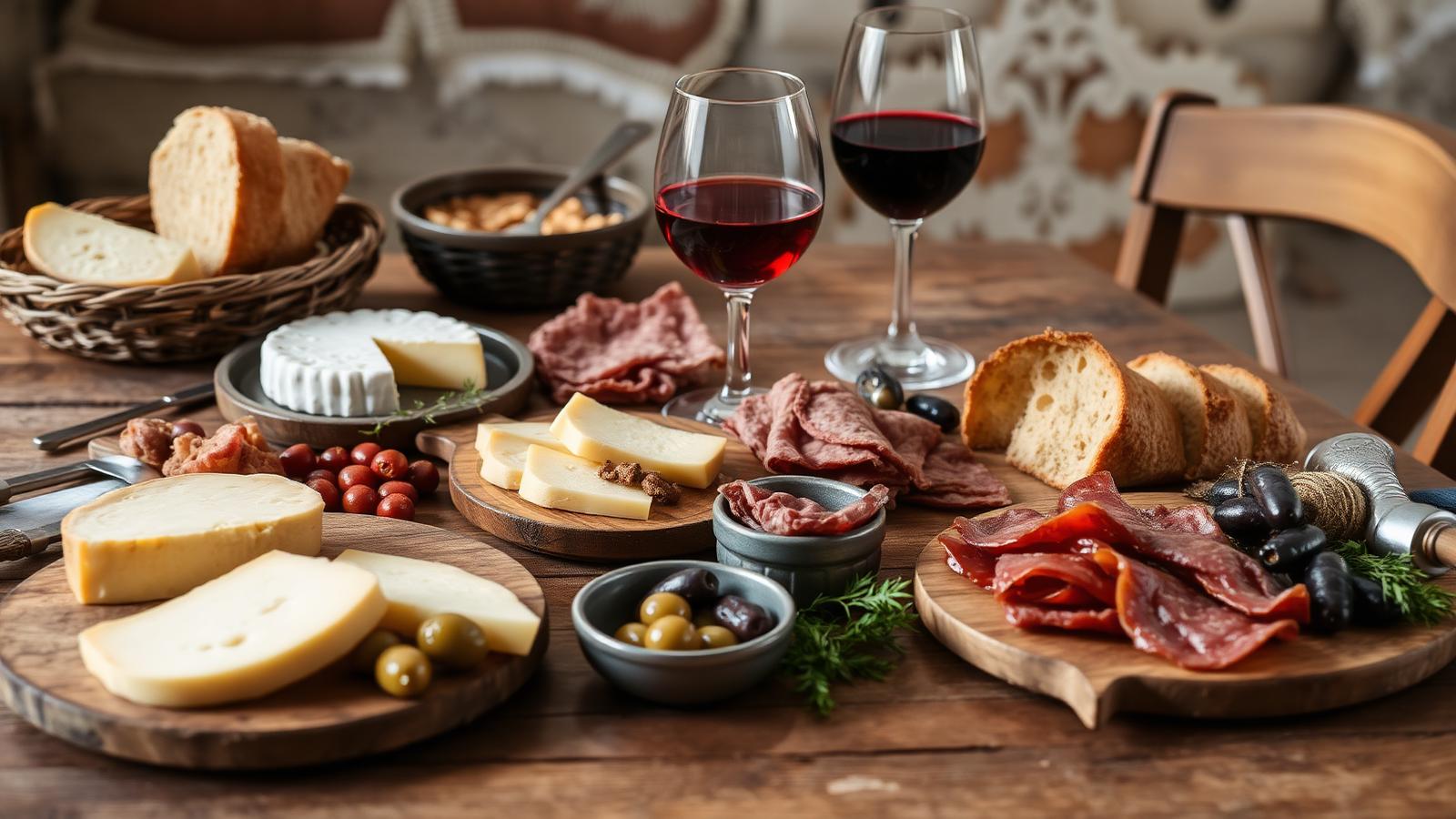
The local cuisine beautifully complements the wines, emphasizing fresh, seasonal ingredients. During the warmer months, consider pairing a crisp, dry white or rosé with freshly harvested seafood from the coast, like scallops, clams, or flounder, or with the famous Jersey tomatoes in a simple caprese salad. As the weather cools, a medium-bodied red, such as a Chambourcin or , would be delightful with pan-seared duck breast, roasted seasonal vegetables, or a platter of artisanal cheeses from local dairies. Farm-to-table dining is a growing tradition, ensuring that your culinary pairings are always vibrant, authentic, and truly reflective of the region.