

Outer Coastal Plain Wine Guide
Wineries in Outer Coastal Plain
View all 25 wineries →The Fabric of Rural Life
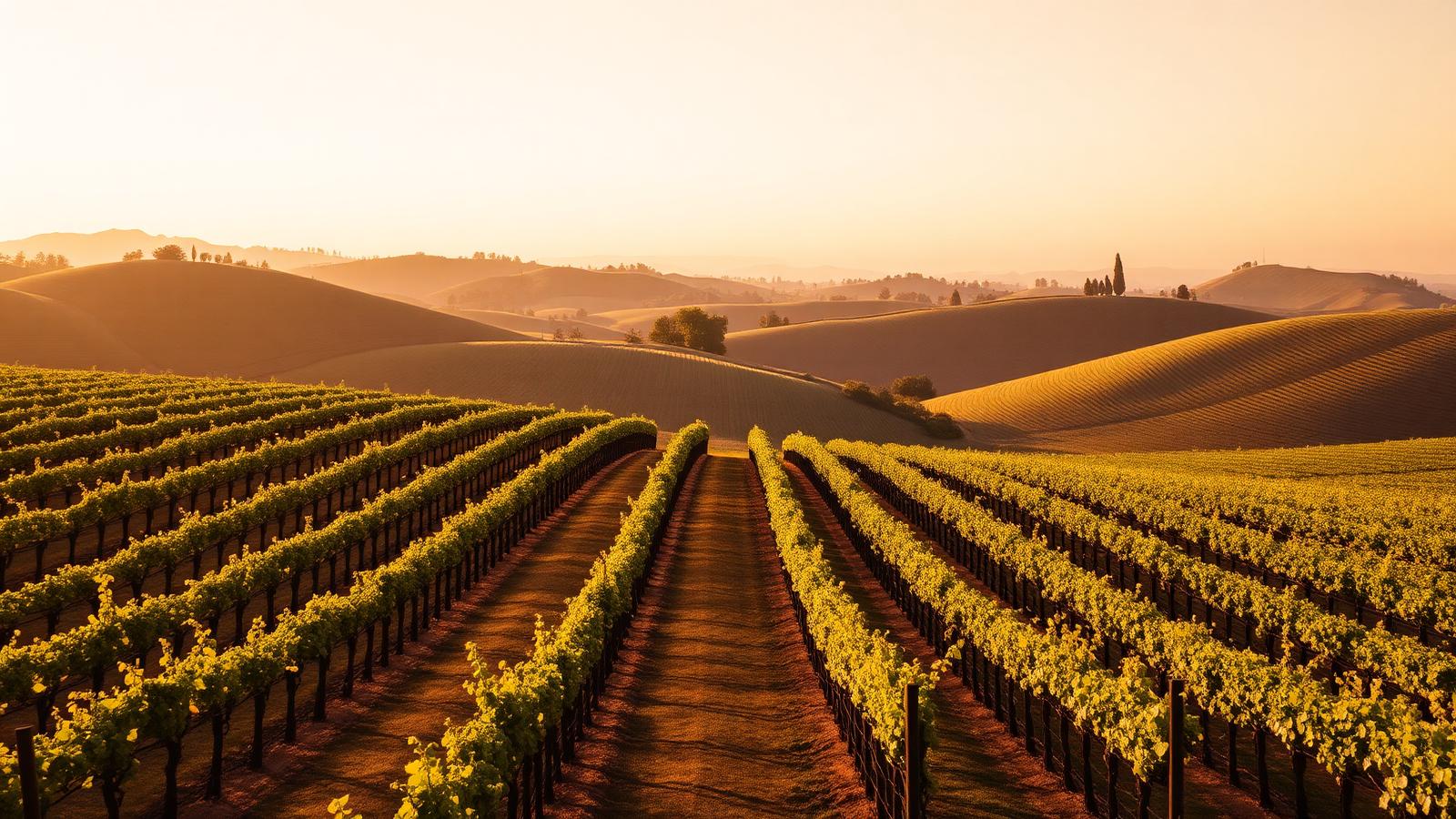
Life in the Outer Coastal Plain unfolds with a gentle, unhurried rhythm. The small, close-knit communities maintain a rural tranquility, where the landscape stretches out, uninterrupted by bustling cityscapes. You'll encounter farm stands laden with seasonal produce, their bounty often finding its way onto local tables alongside the region's wines. The architecture tends towards traditional American styles, simple and enduring, blending harmoniously with the agricultural backdrop. A day here might involve a drive along quiet country roads, stopping at a small market, and then finding a spot with a view to watch the sunlight play across the vineyard rows, a glass in hand, savoring the peace.
Coastal Influences & Varietals
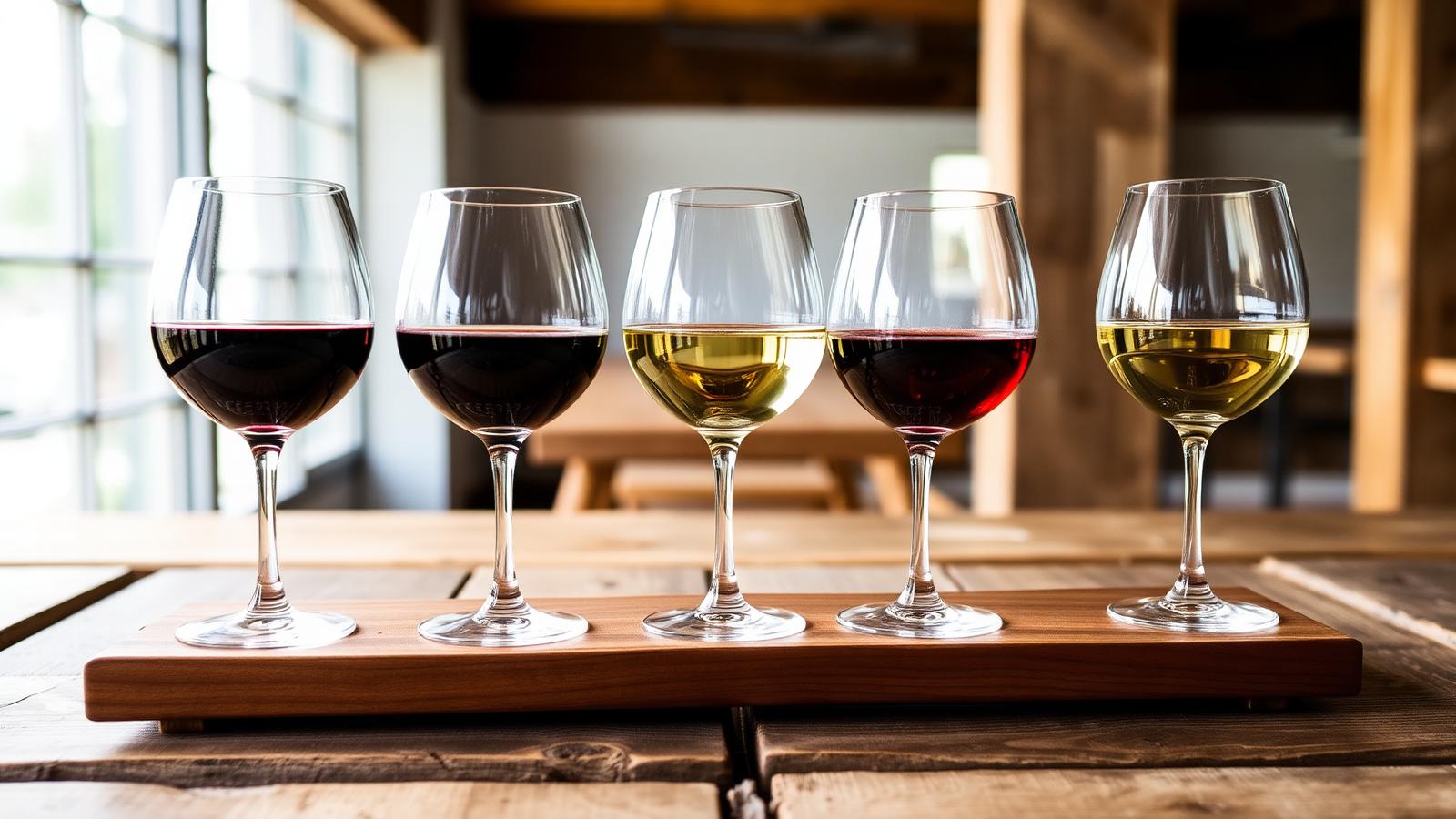
The Atlantic Ocean is the silent partner in the Outer Coastal Plain’s viticultural success. Its moderating effect extends the growing season, preventing harsh frosts and intense summer heat, allowing grapes to ripen slowly and fully. This distinct microclimate, combined with well-drained loamy and sandy soils, provides an ideal environment for a range of varietals. You’ll find bright, aromatic whites like crisp Albarino and expressive thriving here, often showcasing a refreshing acidity. For reds, the region embraces grapes like , which develops savory notes, and , which offers soft, fruit-forward expressions, all reflecting the unique coastal .
Cuisine of the Shore & Soil
The culinary offerings of the Outer Coastal Plain naturally draw from both its proximity to the sea and its fertile farmlands. Freshly caught seafood, from succulent crab cakes to grilled fish, is a staple, often prepared simply to highlight its natural flavors. These dishes pair beautifully with the region’s crisp white wines. Alongside the ocean's bounty, you’ll find seasonal vegetables and fruits, harvested from nearby fields, incorporated into comforting American fare. Imagine savoring a meal on a porch overlooking a vineyard, the air carrying the scent of salt and earth, the food and wine reflecting the very essence of the New Jersey coast.
Planning a visit to Outer Coastal Plain
Best time to visit Outer Coastal Plain
Late spring and early autumn are the choices — comfortable weather, generous light, and vineyards at their most photogenic. Summer is warmer and livelier, with long evenings and outdoor tables everywhere. Winter is peaceful, cellars are quiet, and there's a real intimacy to visits without the crowds.
Where to base yourself
The main village or town in Outer Coastal Plain is usually the easiest base — it puts you in walking distance of restaurants and daily life, with vineyards a short drive away. Staying in the countryside is quieter and more romantic, but you'll rely more on a car or a driver. Both are valid; pick the mood you want your trip to have.
Getting to Outer Coastal Plain
Most travellers reach Outer Coastal Plain by combining a flight into the nearest major city with a train, bus, or rental car for the last leg. Once you arrive, distances are usually short — many memorable days here involve less driving than you'd expect.
Making the most of a day in Outer Coastal Plain
A good day in Outer Coastal Plain tends to have a shape: a slow morning, a couple of unhurried tasting stops, a proper local lunch, and time in the late afternoon to walk, nap, or take in a view. Try not to over-plan — the best moments usually turn up between the ones you scheduled.
Frequently asked questions
What is the best time of year to visit the Outer Coastal Plain for wine touring?
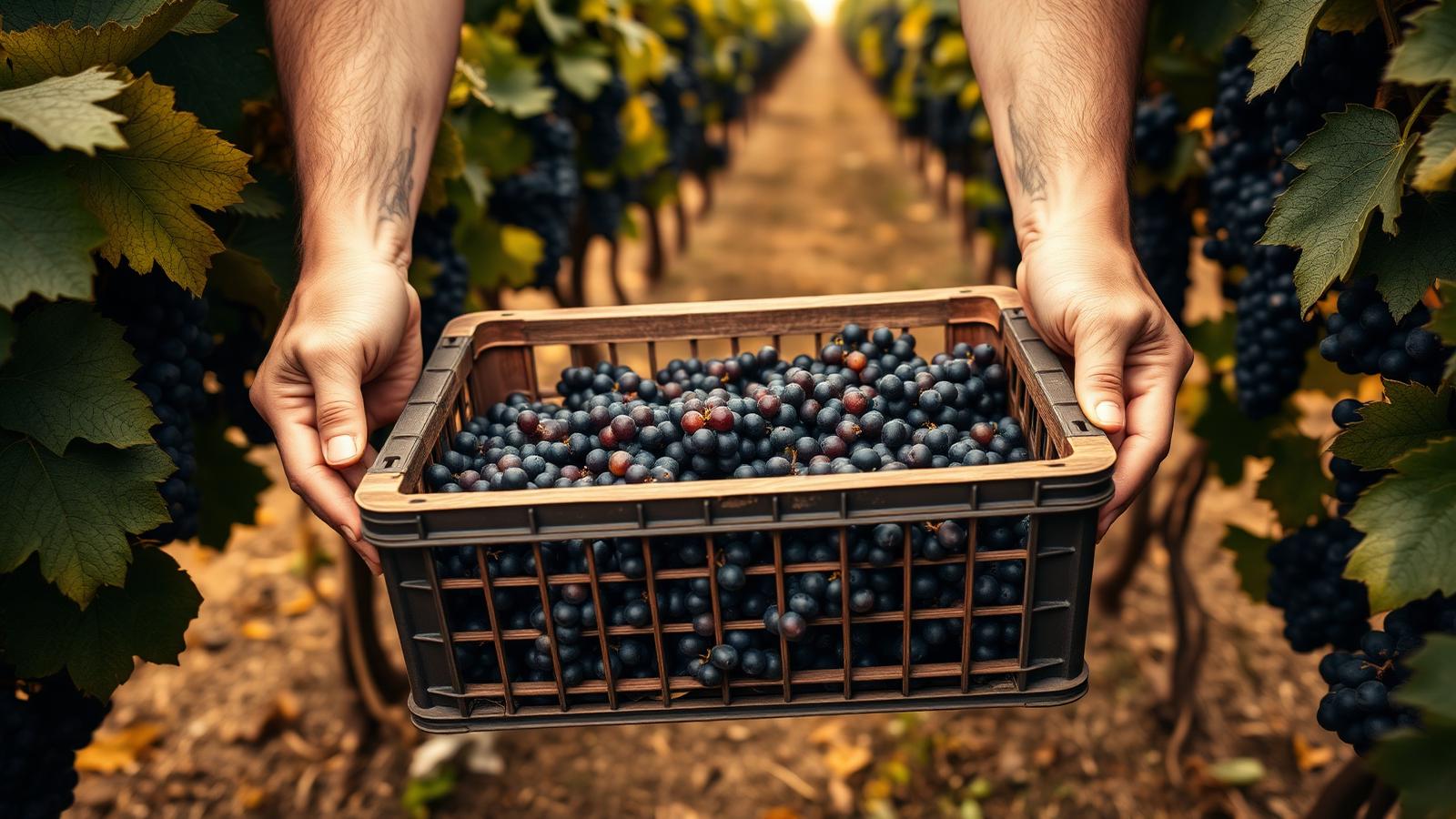
The peak season for experiencing the Outer Coastal Plain’s wine country is typically late spring through early autumn. In spring, the vineyards burst with fresh growth, and the weather is pleasantly mild. Summer offers long, warm days perfect for leisurely visits, though it can be quite sunny. Early autumn, particularly September and October, is absolutely magical: the air is crisp, the fall colors are beautiful, and it's harvest season, which brings an exciting energy to the region. Always check ahead for specific tour availability and hours as they can vary seasonally.
How should I plan my visit to navigate the wineries in the Outer Coastal Plain?
The Outer Coastal Plain is best explored at a relaxed pace. Given the distance between some vineyard properties, driving is essential. We recommend planning a route in advance, grouping properties that are in closer proximity to minimize travel time. Many visitors find it enjoyable to pick a small cluster of places for the morning, have a relaxed lunch at a local eatery, and then visit a few more in the afternoon. Consider designating a sober driver or arranging for a local car service to ensure a safe and enjoyable experience for your entire group.
Are there dining options available near the vineyards, or should I pack a picnic?
You’ll find a mix of dining options throughout the Outer Coastal Plain. Many local establishments offer fresh, seasonal fare that pairs wonderfully with the region's wines, often emphasizing seafood and farm-to-table ingredients. Some vineyard properties may also offer light bites or food trucks on site, especially on weekends. Packing a picnic is often a delightful option to enjoy amidst the vineyard scenery, though you should always verify the policies of each property regarding outside food. It’s wise to check local restaurant hours in advance, especially during off-peak seasons.
What kind of local accommodations are available in the Outer Coastal Plain wine region?
Accommodations in the Outer Coastal Plain tend to reflect its quieter, rural charm. You'll find a of charming bed and breakfasts, often in historic homes or converted farmhouses, offering a personalized experience. Boutique hotels, though fewer, provide comfortable stays. For those seeking more independence, vacation rentals, from cozy cottages to larger homes, are also an option. Lodging choices are more abundant in the slightly larger towns around the region’s periphery. Booking in advance, especially during the peak harvest season, is highly recommended.