

Delaware Wineries & Wine Tours
Sub-regions
A Pace of Unhurried Discovery
Life in Delaware moves at a gentle, welcoming pace, far removed from the rush of metropolitan centers. This unhurried rhythm extends to the wine experience, inviting visitors to linger, to converse, and to truly connect with the land and the people who tend it. Tastings are often intimate, offering opportunities to learn directly from those who nurture the vines and craft the wines. The landscape itself encourages ambling drives down scenic byways, past historic farmsteads and quiet estuaries. It's an invitation to breathe deeply, to savor each moment, and to discover the quiet joys of a region dedicated to authentic, heartfelt production.
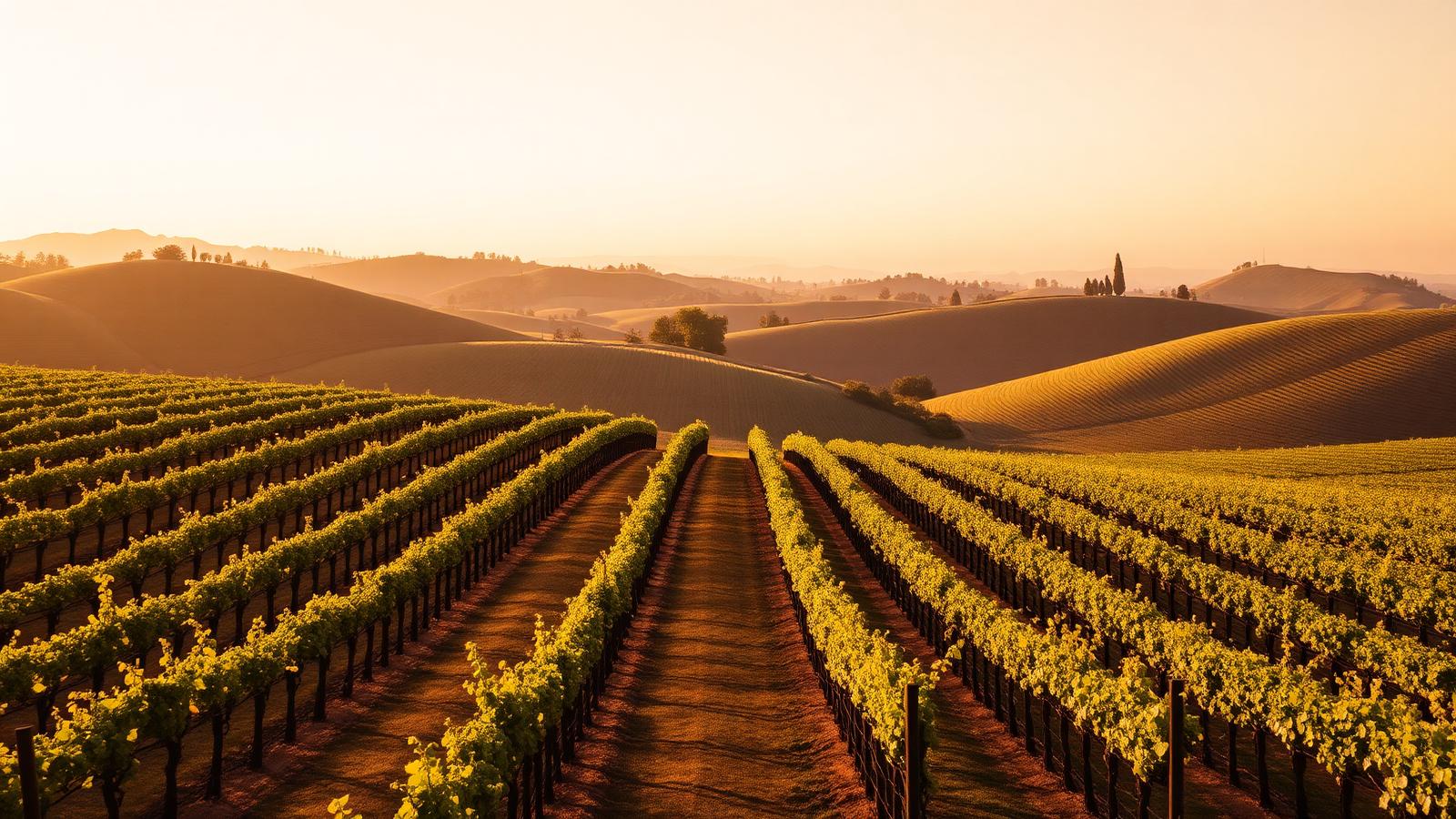
Coastal Influences & Varietals
Delaware's unique position, cradled between the Delaware Bay and the Atlantic Ocean, instills a distinctive character in its wines. The maritime climate, marked by moderating breezes and ample sunshine, prevents extreme temperatures, fostering a longer, more even growing season. This gentle environment proves conducive to cool-climate varietals, which develop bright acidity and aromatic complexity. Early ripening grapes find an ideal home in the warmer, sandy soils of the southern region, while heartier varieties flourish in the richer, loamier soils further north. The resulting wines often exhibit a remarkable freshness, reflecting the clear skies and clean air of the mid-Atlantic coast.
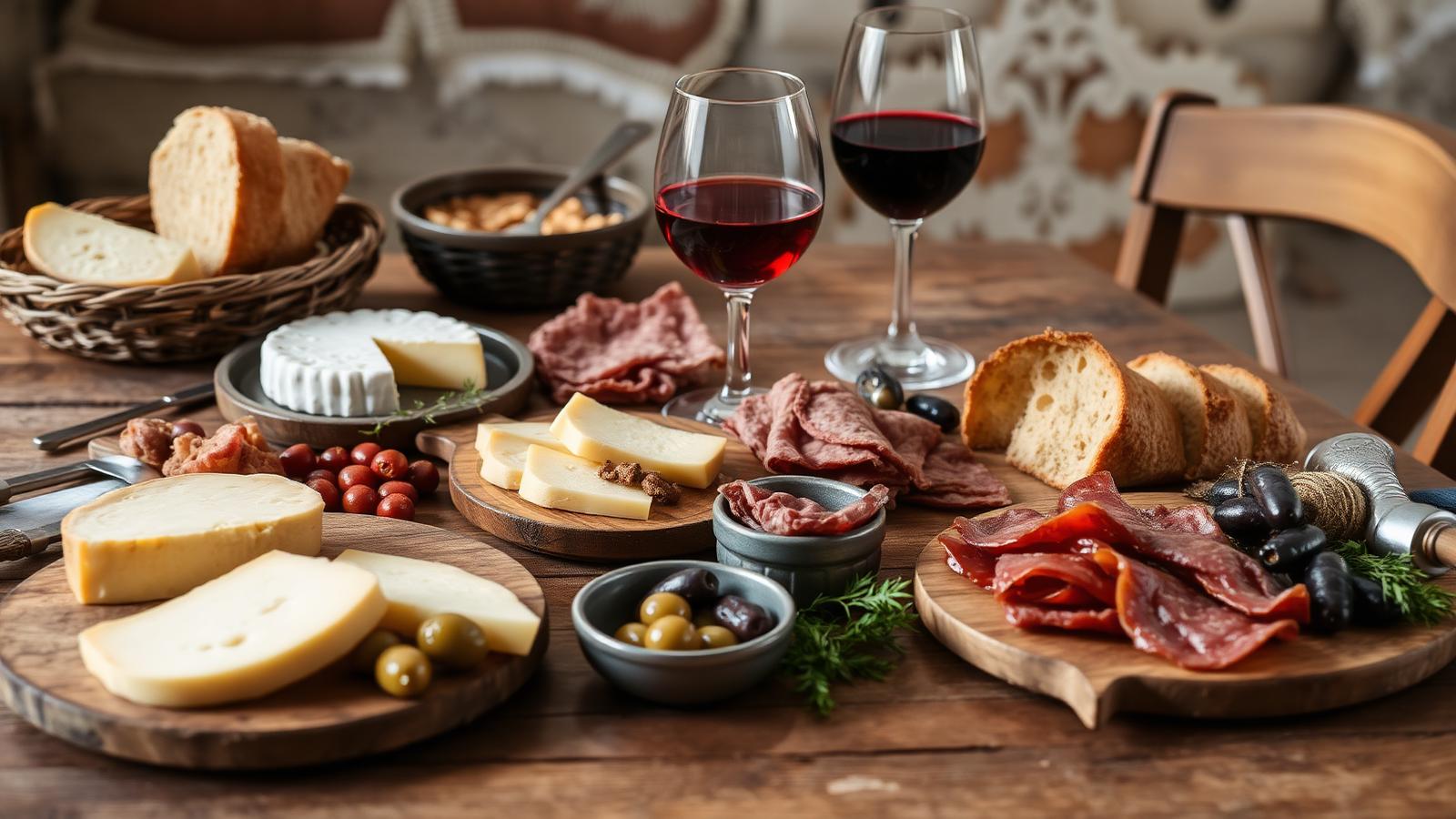
Village Life & Culinary Pairings
Beyond the vineyard, Delaware's picturesque villages offer a delightful backdrop to your wine journey. Imagine cobblestone streets, historic architecture, and a culinary scene that celebrates local bounty. Seafood, fresh from the nearby waters, naturally complements many of the region's crisp white and rosé wines, their bright acidity cutting through the richness. Heartier reds often find their match with the farm-fresh produce and slow-cooked meats typical of the Mid-Atlantic table. Long, leisurely meals in charming settings become an essential part of the experience, extending the pleasure of each glass into enduring memories of place and palate.
Getting to know Delaware
What Delaware tastes like
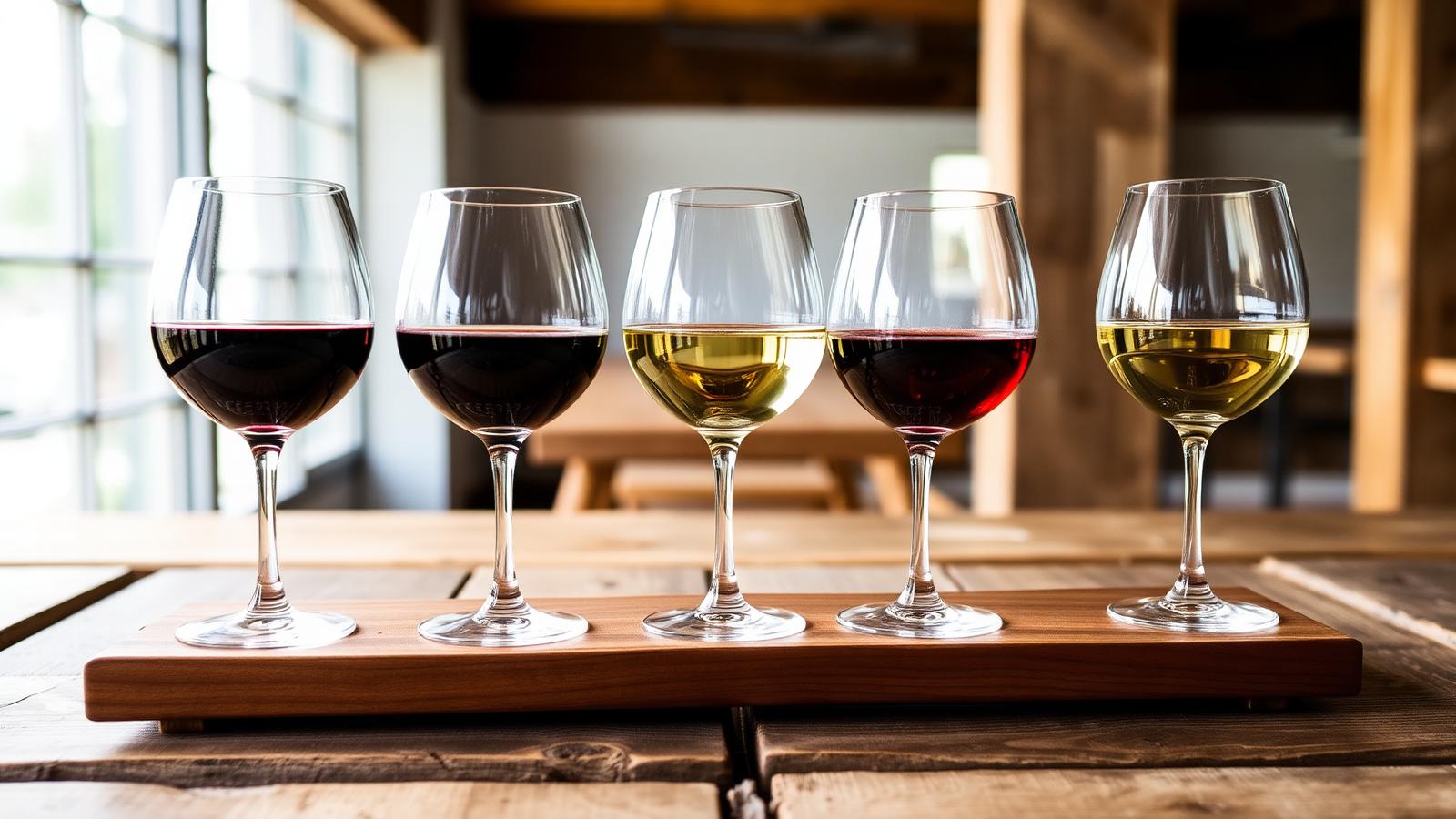
Wines from Delaware tend to reflect the region's climate and terrain more than any single style. Look for a sense of place in the glass — mineral notes from stony soils, freshness where nights are cool, richer texture where the sun lingers longer. A short flight of local wines is the fastest way to feel the range.
Rhythms of the year
Delaware moves with the seasons. Spring is quiet and green, summer brings long light and full terraces, harvest is intense and communal, and winter turns the vineyards into a stark, beautiful sculpture. Every season is a good reason to come — they just make very different trips.
Beyond the tasting room
Some of the most memorable moments in Delaware happen away from the vines: a bakery in the next village over, a viewpoint at sunrise, a slow lunch that turns into a slow afternoon. Leave room in your itinerary for the things you can't plan.
Frequently asked questions
What is the best time of year to visit Delaware for a wine tour?
The most enchanting time to explore Delaware's wine country is during the late spring (May to early June) when the vineyards are vibrant with new growth and the weather is pleasantly mild. Autumn (September to October) also offers a spectacular experience, with the harvest in full swing, cooler temperatures, and the added beauty of fall foliage. Summers can be warm, but coastal breezes often provide relief, making it viable for visits. Winter brings a quiet charm, though some tasting rooms may have reduced hours, so it's always wise to check ahead.
Are most of Delaware's wineries clustered together, or are they spread out?
Delaware's wine producers are somewhat spread out across the state, rather than being concentrated in a single, dense cluster. You'll find a few distinct areas, often near historic towns or scenic routes. This dispersal encourages a leisurely exploration of different regions, allowing you to appreciate the varied landscapes from the northern piedmont to the southern coastal plains. Planning your route in advance to group tastings will maximize your time and give you a broader appreciation of the state's diverse offerings.
What kind of local food and drink experiences can I expect to find in Delaware?
Delaware's culinary scene celebrates its coastal proximity and rich agricultural heritage. You can expect fresh, seasonal seafood, particularly crab and oysters, alongside farm-to-table dining experiences featuring local produce. Craft breweries and distilleries are also emerging, offering other delightful local sips. Many local restaurants thoughtfully pair their menus with regional wines, and you'll find charming farm stands and farmers' markets where you can collect elements for a perfect picnic amidst a scenic vineyard view.
What is the typical size of wine producers in Delaware, and what impact does that have on the visitor experience?
Delaware is largely home to smaller, family-owned or boutique wine producers. This intimate scale significantly enhances the visitor experience. You can often expect a more personal interaction, potentially meeting the winemaker or vineyard owner, and gaining insights directly into their passion and process. Tastings tend to be more relaxed and educational, fostering a deeper connection to the wine and its origins. It's an opportunity to discover unique, handcrafted wines that might not be widely distributed, making each visit a special discovery.