

Nevada Wineries & Wine Tours
Sub-regions
Mountain and Vine
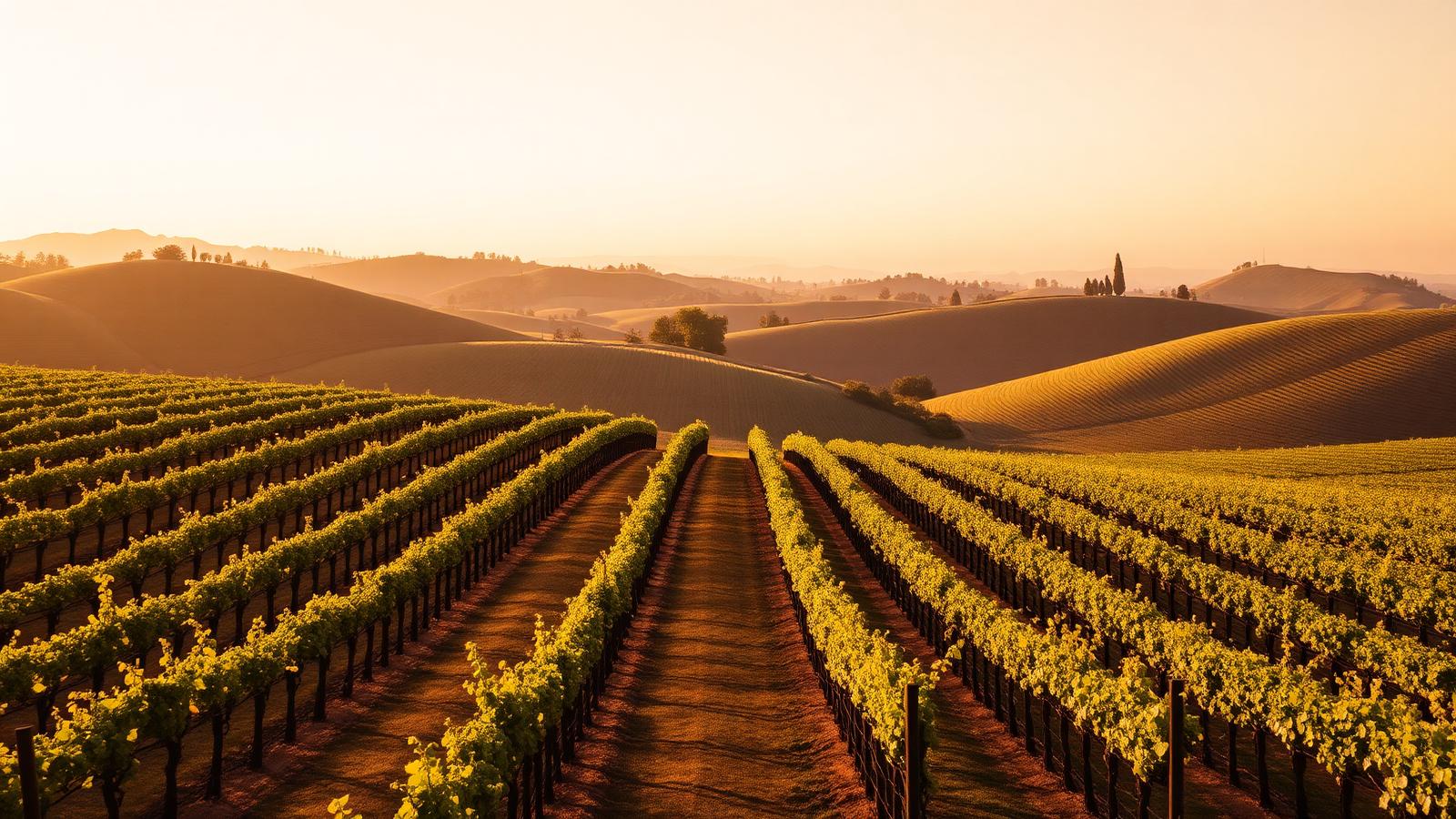
Nevada's wine landscapes are typically found nestled within protected valleys or on the slopes of its numerous mountain ranges, benefiting from altitudes that temper the desert heat. These elevations bring cooler evening temperatures, crucial for the grapes to retain their acidity and develop complex aromatics. The soils here are a testament to the region's geological past, often containing volcanic ash, granite, and alluvial deposits, imparting a distinct minerality to the wines. Varietals like , , and find a powerful expression in this environment, yielding wines of impressive depth and character, reflecting the stark beauty and surprising fertility of the high desert.
Getting to know Nevada
What Nevada tastes like
Wines from Nevada tend to reflect the region's climate and terrain more than any single style. Look for a sense of place in the glass — mineral notes from stony soils, freshness where nights are cool, richer texture where the sun lingers longer. A short flight of local wines is the fastest way to feel the range.
Rhythms of the year
Nevada moves with the seasons. Spring is quiet and green, summer brings long light and full terraces, harvest is intense and communal, and winter turns the vineyards into a stark, beautiful sculpture. Every season is a good reason to come — they just make very different trips.
Beyond the tasting room
Some of the most memorable moments in Nevada happen away from the vines: a bakery in the next village over, a viewpoint at sunrise, a slow lunch that turns into a slow afternoon. Leave room in your itinerary for the things you can't plan.
Frequently asked questions
What is the best time of year to visit Nevada's wine regions?
The most pleasant times to tour Nevada's wine country are typically spring (April to June) and fall (September to October). During these seasons, temperatures are milder, making for comfortable outdoor exploration and vineyard strolls. In autumn, you might even catch the vibrant colors of harvest season, adding to the picturesque scenery. Summer can be quite hot, especially in lower elevations, while winter brings colder temperatures, though some tasting rooms remain open year-round with reduced hours. Always check with individual establishments before planning your visit.
Are guided wine tours easily available, or is self-driving recommended?
While guided tours to Nevada's smaller, emerging wine regions might be less ubiquitous than in more established areas, self-driving is often recommended for maximum flexibility. The vineyards can be spread out, and having your own vehicle allows you to explore at your own pace and discover hidden gems. However, for a worry-free experience, consider hiring a private car service for the day, especially if you plan on enjoying multiple tastings. Always plan a designated driver for safety.
What kind of local accommodation should I expect in Nevada's wine areas?
Accommodation in Nevada's wine-producing areas tends to be charming and varied, moving away from the metropolitan buzz. You might find cozy bed-and-breakfasts nestled in historic towns, boutique inns offering personalized service, or even rustic cabins providing a tranquil retreat. Larger hotels are less common directly within wine regions, but smaller, independent lodgings often provide a more authentic local experience. Booking ahead, especially during peak seasons like harvest, is always advisable to secure your preferred stay. This allows you to immerse yourself fully in the relaxed pace of the countryside.
What are some non-wine activities to enjoy while visiting Nevada's wine country?
Beyond the vineyards, Nevada's wine regions offer a wealth of outdoor and cultural experiences. The rugged landscape is perfect for hiking, birdwatching, and enjoying the breathtaking desert scenery, often with access to national parks or scenic byways nearby. Many areas have rich mining histories, with ghost towns and museums providing fascinating glimpses into the past. Local art galleries and craft shops often showcase regional talent. The clear desert nights also offer unparalleled stargazing opportunities, providing a serene end to a day of exploration and tasting.