

Montana Wineries & Wine Tours
Sub-regions
A Taste of Big Sky Country
Montana's culinary landscape perfectly complements its emerging wines, celebrating the bounty of the land. Hearty, wholesome dishes are the norm, often featuring bison, elk, and locally raised beef, prepared simply to highlight their natural flavors. Imagine a rich venison stew or a grilled steak, perfectly paired with a fruit-forward Marquette, its vibrant acidity cutting through the richness. Trout, freshly caught from pristine rivers, shines alongside a crisp La Crescent. The spirit of Montana's tables is one of generous hospitality and genuine flavor, where local ingredients are revered, and meals are shared with a quiet appreciation for the natural world that provides them, creating memorable dining experiences.
Mountain Terroir and Hardy Vines
The wine story of Montana begins with its dramatic topography. Vineyards here are often found nestled in river valleys or on south-facing slopes, catching every precious ray of sun. The challenge of short, intense growing seasons and harsh winters necessitates a focus on robust, cold-hardy grape varietals such as Marquette, Frontenac, and La Crescent. These resilient grapes thrive where others would falter, producing wines of distinct character. The mineral-rich soils, born from ancient glaciers and mountain erosion, impart a unique earthiness and structure, while the significant diurnal temperature shifts—warm days followed by cool nights—help to preserve acidity and develop complex aromatics, crafting wines that are surprisingly refined and full of life.
Unfolding the Seasons
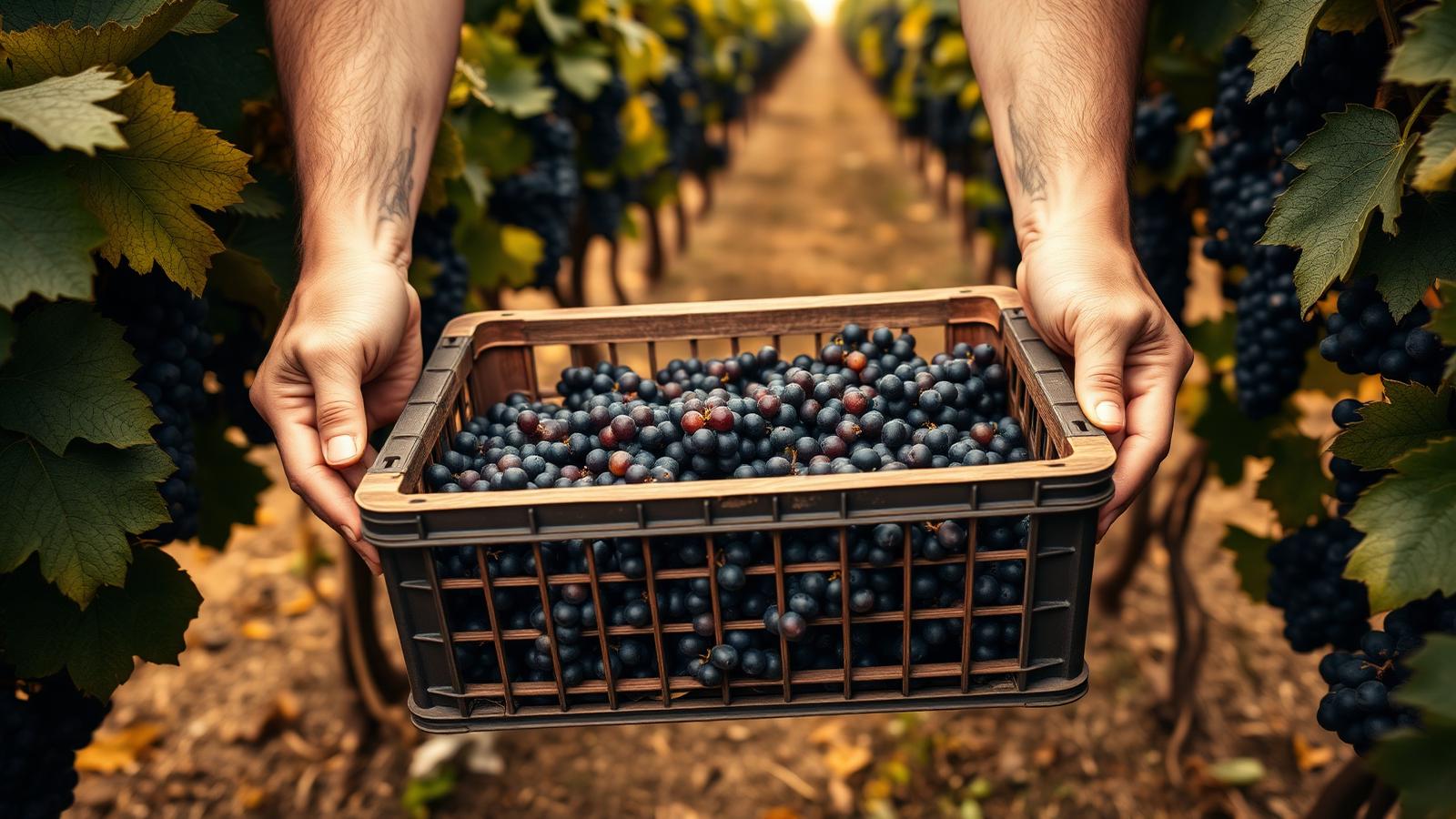
The rhythm of life in Montana is deeply tied to its distinct seasons, each offering a unique perspective on the wine country. Summer brings long, golden days, where vineyards bask in the sun, and the landscape is alive with vibrant greens. Autumn is a spectacular show of color, as leaves turn brilliant hues, and the air becomes crisp—the season of harvest, full of anticipation and activity. Even winter, with its blanket of snow, holds a quiet beauty, offering serene views over dormant vineyards, a time for reflection and planning. Spring emerges with fresh growth and renewed energy, hinting at the coming warmth. Each season invites visitors to experience the profound connection between the land, the grape, and the unhurried way of life.
Getting to know Montana
What Montana tastes like
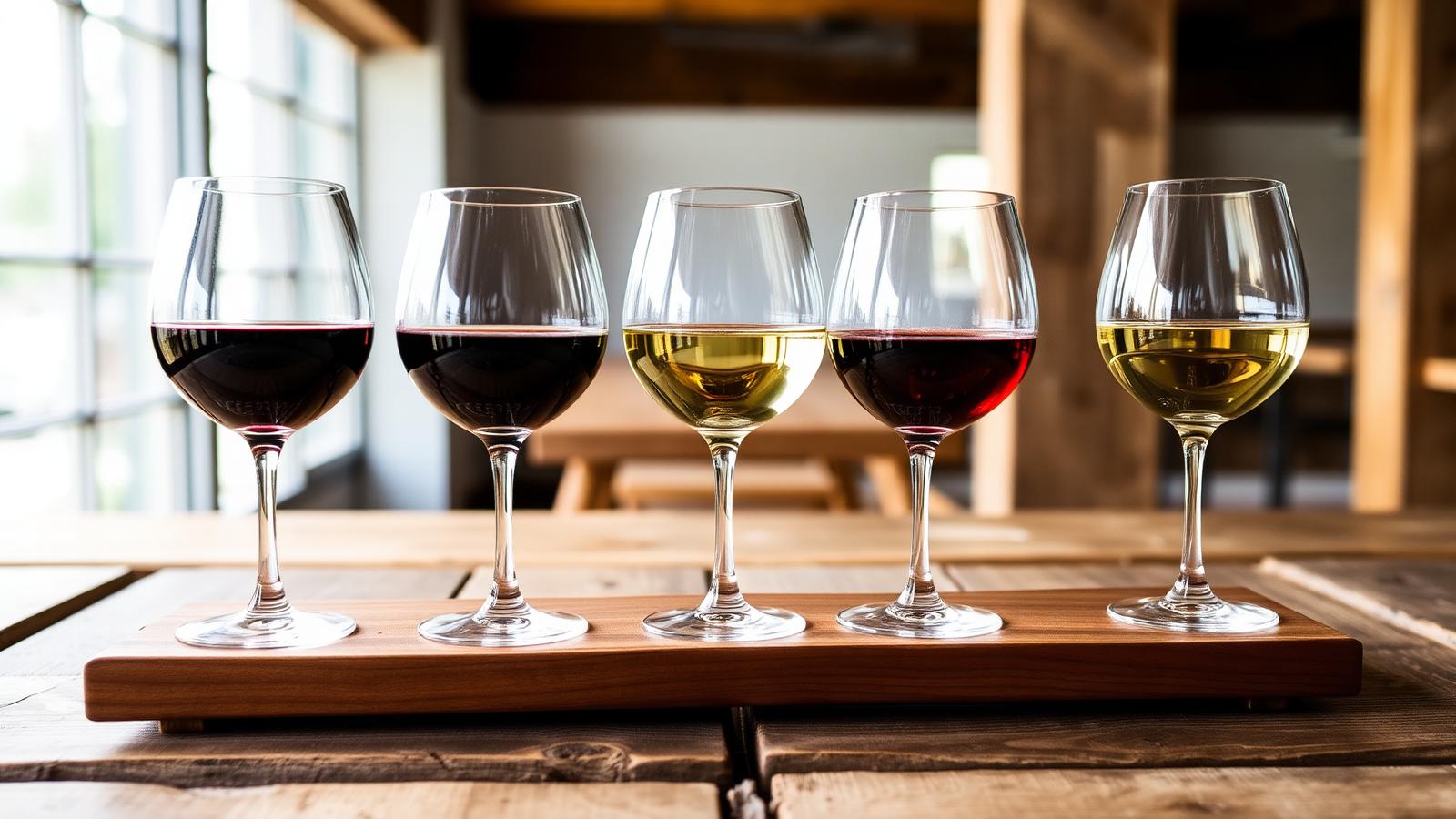
Wines from Montana tend to reflect the region's climate and terrain more than any single style. Look for a sense of place in the glass — mineral notes from stony soils, freshness where nights are cool, richer texture where the sun lingers longer. A short flight of local wines is the fastest way to feel the range.
Rhythms of the year
Montana moves with the seasons. Spring is quiet and green, summer brings long light and full terraces, harvest is intense and communal, and winter turns the vineyards into a stark, beautiful sculpture. Every season is a good reason to come — they just make very different trips.
Beyond the tasting room
Some of the most memorable moments in Montana happen away from the vines: a bakery in the next village over, a viewpoint at sunrise, a slow lunch that turns into a slow afternoon. Leave room in your itinerary for the things you can't plan.
Frequently asked questions
When is the best time of year to visit Montana for a wine-focused trip?
The most delightful time to explore Montana's wine regions is typically from late summer through early autumn, roughly August to October. During this period, the weather is generally pleasant with warm, sunny days and cool, crisp nights, ideal for vineyard walks. You might even witness the excitement of grape harvest beginning in the later part of this window, offering a deeper insight into the winemaking process. Spring also offers beautiful landscapes with budding vines, though some establishments might have more limited hours.
What kind of wine experiences can I expect in Montana given its nascent industry?
While Montana's wine industry is still growing, you can expect intimate and often family-run experiences. Many establishments focus on small-batch production, so tastings often feel personal, with opportunities to speak directly with the passionate growers and winemakers. Expect to find a focus on cold-hardy varietals, resulting in unique local wines, rather than replicating traditional European styles. Tastings may be in rustic settings, sometimes co-located with cideries or breweries, reflecting the pioneering spirit of the region. It's an opportunity to discover something new and distinctive.
What are the typical food options available near Montana's wine regions?
Dining near Montana's wine regions tends to emphasize locally sourced, hearty cuisine that reflects the state's agricultural heritage and wild landscapes. You can anticipate menus featuring game meats like bison and elk, locally raised beef, and fresh river trout. Smaller towns may offer cozy diners, steakhouses, or farm-to-table restaurants emphasizing seasonal ingredients. Many establishments pride themselves on using ingredients from nearby farms and ranches, providing a true taste of Big Sky country that pairs wonderfully with the local wines. Don't expect large, chain restaurants; instead, embrace the authentic local flavors.
What is the best way to get around and explore the wine areas in Montana?
Given the expansive nature of Montana and the spread-out locations of its vineyards, a personal vehicle is highly recommended for exploring its wine regions. Public transportation options are very limited outside of major cities. Renting a car allows for the flexibility to travel at your own pace, take scenic routes, and easily reach destinations that might be off the beaten path. Always ensure you have a designated driver if you plan to partake in tastings, or consider booking a local tour service if available in specific regions to enhance your experience responsibly.