

Arizona Wineries & Wine Tours
Sub-regions
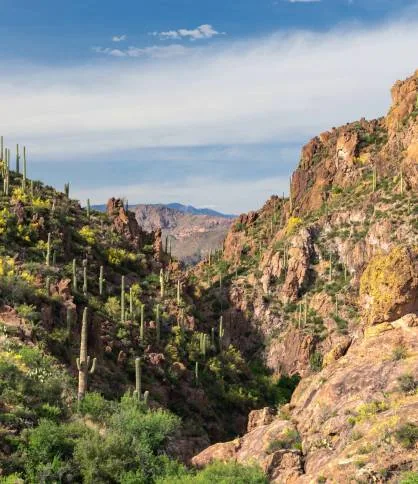
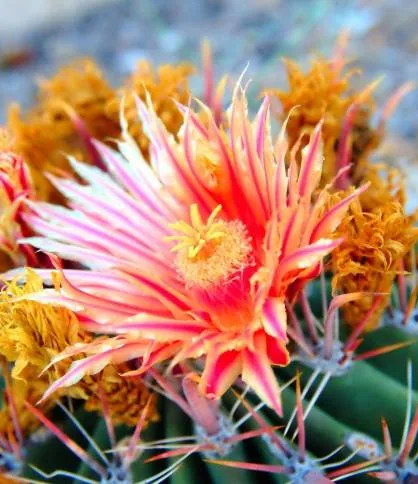
Flavors of the Southwest
A wine journey through Arizona is inextricably linked with its vibrant culinary heritage. The local cuisine, inspired by Sonoran and New Mexican traditions, offers a delicious counterpoint to the region's wines. Imagine pairing a glass of crisp, mineral-driven white with fresh prickly pear salsa, or a robust, peppery with savory mesquite-grilled meats. The emphasis is on fresh, regional ingredients, slow-cooked traditions, and a convivial atmosphere that invites lingering over meals, much like the desert sun lingering on the horizon.
Grapes of Resilience
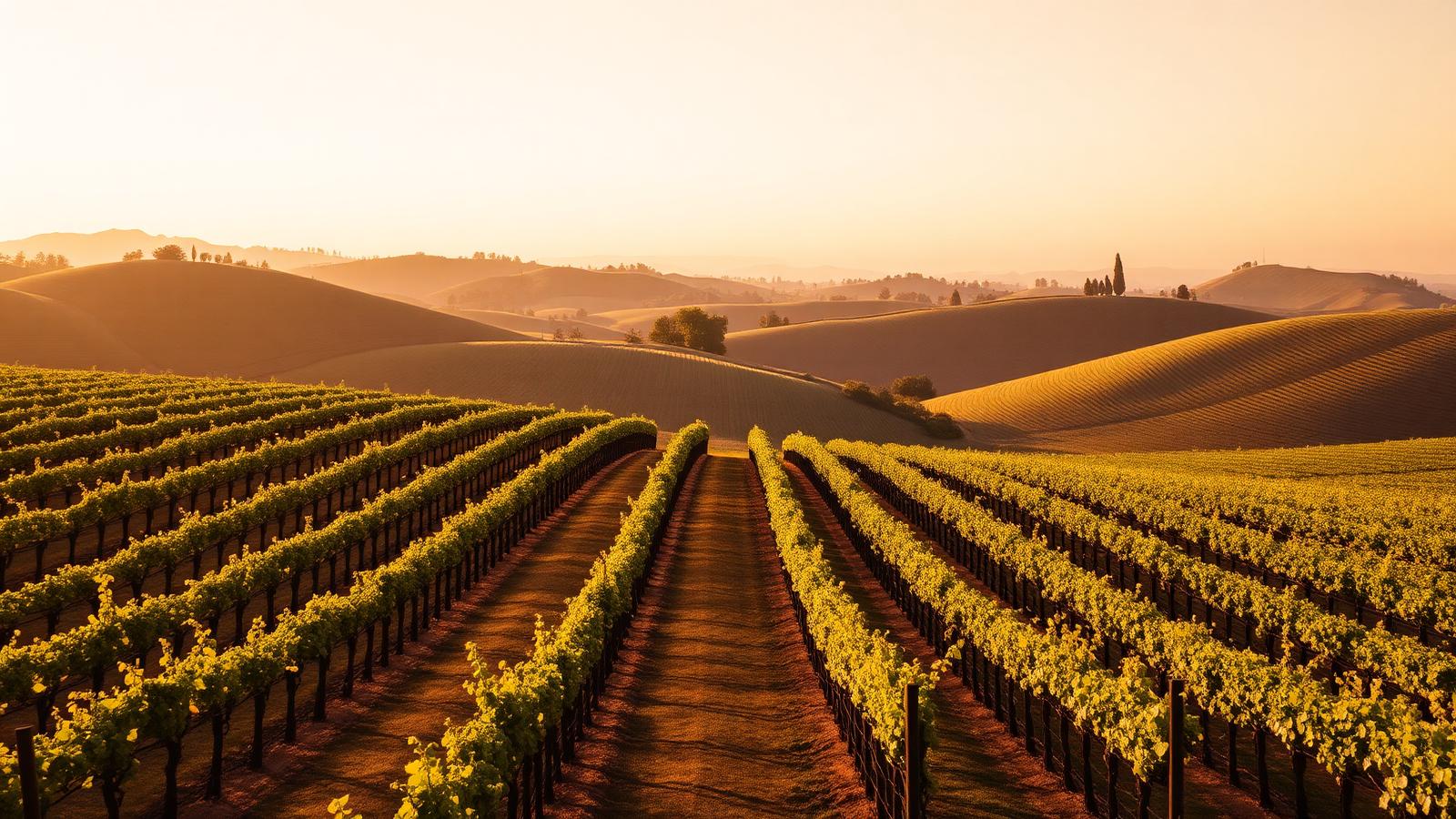
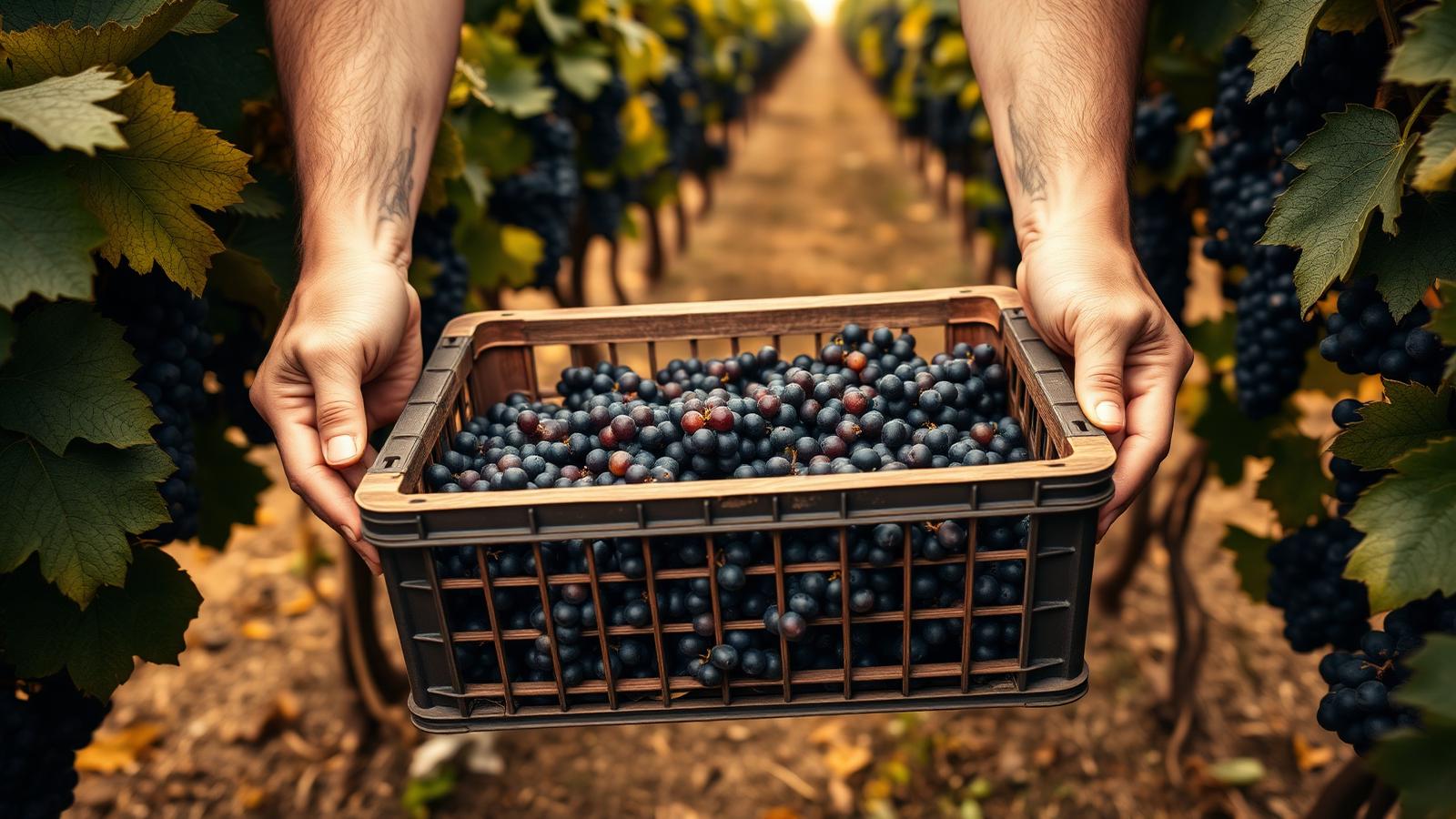
While Arizona's winemakers are adventurous, certain grape varieties have found their true voice in this arid beauty. You’ll discover a remarkable affinity for Rhône varieties such as , , and , which thrive in the warm, dry conditions, yielding wines of impressive depth and spice. Italian varietals like and also flourish, bringing bright acidity and savory notes to the forefront. These grapes, often grown with sustainable practices, reflect the pioneering spirit of a region continually redefining what's possible.
Desert Terroir, Elevated
The magic of Arizona's wines begins with its extraordinary terrain. High desert plateaus, ancient volcanic deposits, and alluvial soils create a complex tapestry beneath the vines. Vineyards often sit at elevations exceeding 3,000 feet, which moderates the desert heat and leads to significant temperature drops at night. This dramatic swing allows grapes to develop deep flavors and phenolic ripeness during the day, while preserving the crucial acidity that adds balance and freshness, resulting in wines that defy expectations and speak profoundly of their sun-kissed origins.
Getting to know Arizona
What Arizona tastes like
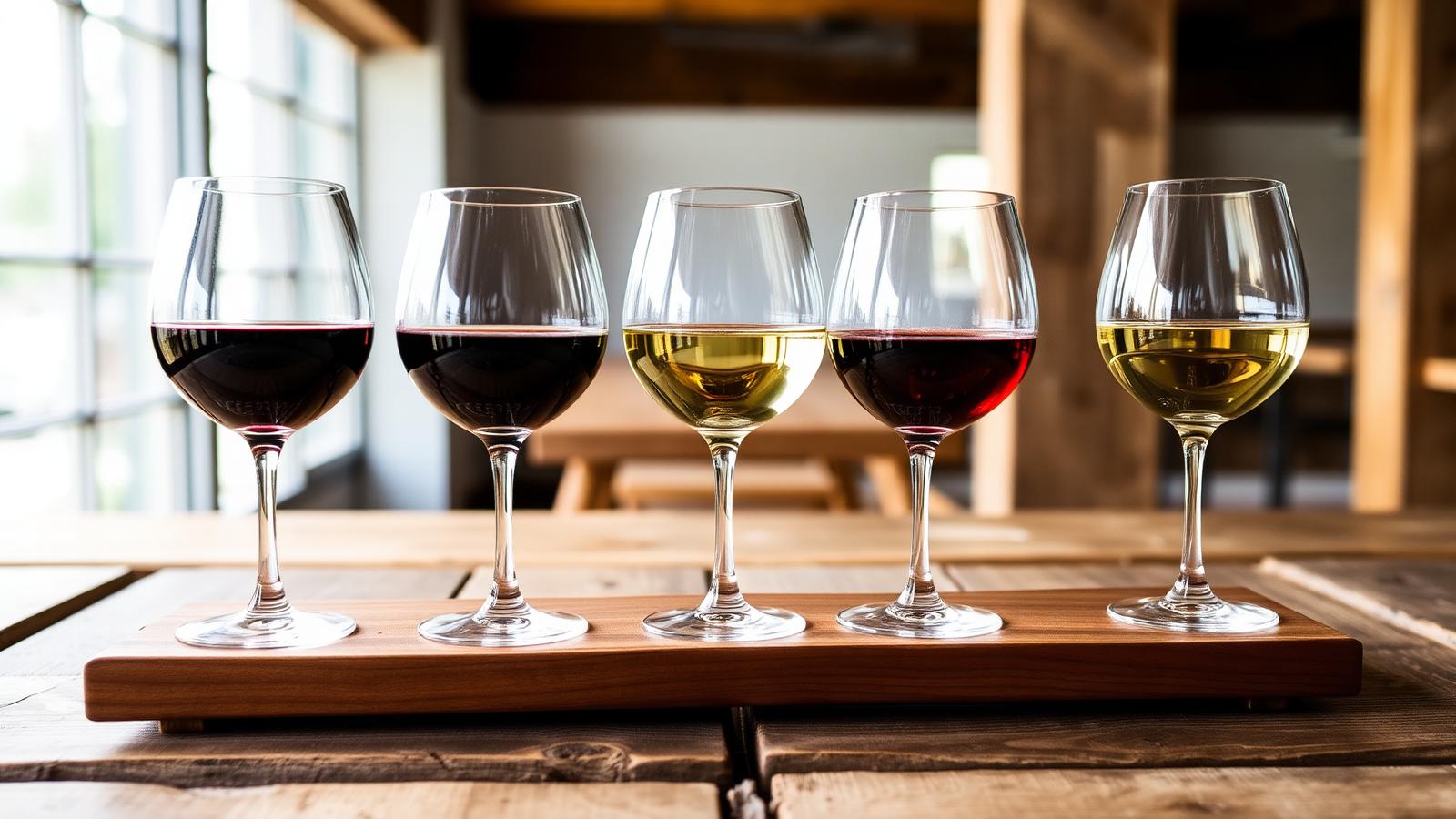
Wines from Arizona tend to reflect the region's climate and terrain more than any single style. Look for a sense of place in the glass — mineral notes from stony soils, freshness where nights are cool, richer texture where the sun lingers longer. A short flight of local wines is the fastest way to feel the range.
Rhythms of the year
Arizona moves with the seasons. Spring is quiet and green, summer brings long light and full terraces, harvest is intense and communal, and winter turns the vineyards into a stark, beautiful sculpture. Every season is a good reason to come — they just make very different trips.
Beyond the tasting room
Some of the most memorable moments in Arizona happen away from the vines: a bakery in the next village over, a viewpoint at sunrise, a slow lunch that turns into a slow afternoon. Leave room in your itinerary for the things you can't plan.
Frequently asked questions
What is the best time of year to visit Arizona for a wine tour?
The most pleasant times to tour Arizona's wine regions are spring (March to May) and fall (September to November). During these months, temperatures are mild and comfortable for exploring vineyards and enjoying outdoor patios. Summers can be very hot, especially in lower elevations, though the higher-altitude vineyards offer some respite. Winter can also be lovely, with crisp air and fewer crowds, though some facilities might have reduced hours. Always check operating schedules in advance, especially around holidays.
Are most of Arizona’s wine regions easily accessible and close to each other?
Arizona has several distinct wine-producing regions, primarily focused around Sonoita-Elgin in the south and the Verde Valley in central Arizona. While not directly adjacent, both are accessible by car. The southern region is often visited from Tucson, and the Verde Valley from Sedona or Cottonwood. Planning requires some driving, so renting a car is highly recommended for flexibility. Consider focusing on one region per trip, or allocate ample time if you wish to explore both extensively.
What should I pack for a wine trip to Arizona?
Given Arizona's desert climate and varied elevations, layering is key. Even on warm days, evenings can be cool, especially in the high desert. Pack comfortable walking shoes for vineyard strolls, a wide-brimmed hat, sunglasses, and high-SPF sunscreen. Lightweight, breathable clothing is best for daytime, alongside a light jacket or sweater for cooler mornings and evenings. Don't forget to bring a reusable water bottle to stay hydrated, as the dry air and sun can be deceiving.
Can I expect to find food and accommodation options near the vineyards?
Yes, while the vineyard areas themselves are often rural, nearby towns offer a range of amenities. In the Sonoita-Elgin area, charming local eateries and B&Bs can be found. In the Verde Valley, towns like Cottonwood and Sedona provide more extensive choices for dining, lodging, and other activities. It's advisable to book accommodations, especially boutique options, in advance, particularly during peak seasons. Many wineries also offer light bites or have food trucks on-site during busy periods, but a full meal often requires a short drive.