

Vermont Wineries & Wine Tours
Sub-regions
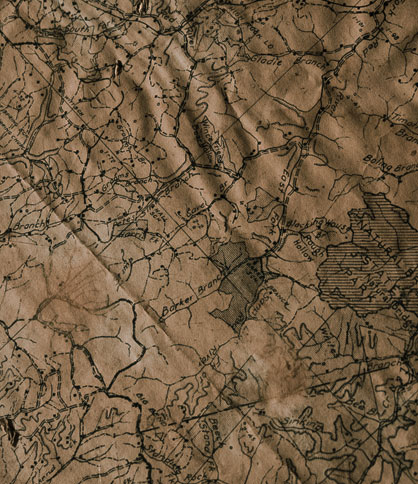
The Rhythms of Rural Life
Beyond the vineyards, Vermont offers a tapestry of picturesque villages, covered bridges, and rolling farmlands where life unfolds at a deliberate, unhurried pace. A drive through the countryside reveals artisanal cheese makers, maple syrup producers, and farm stands brimming with seasonal bounty, all integral to the local culinary scene. The wine experience here is often intimate, connected to the land and the people who nurture it. You might find yourself sharing a conversation with a winemaker as sun sets over the hills, reflecting the deep sense of community and the genuine warmth that defines Vermont's rural charm. This connection to the land and its rhythms is evident in every aspect of a visit.
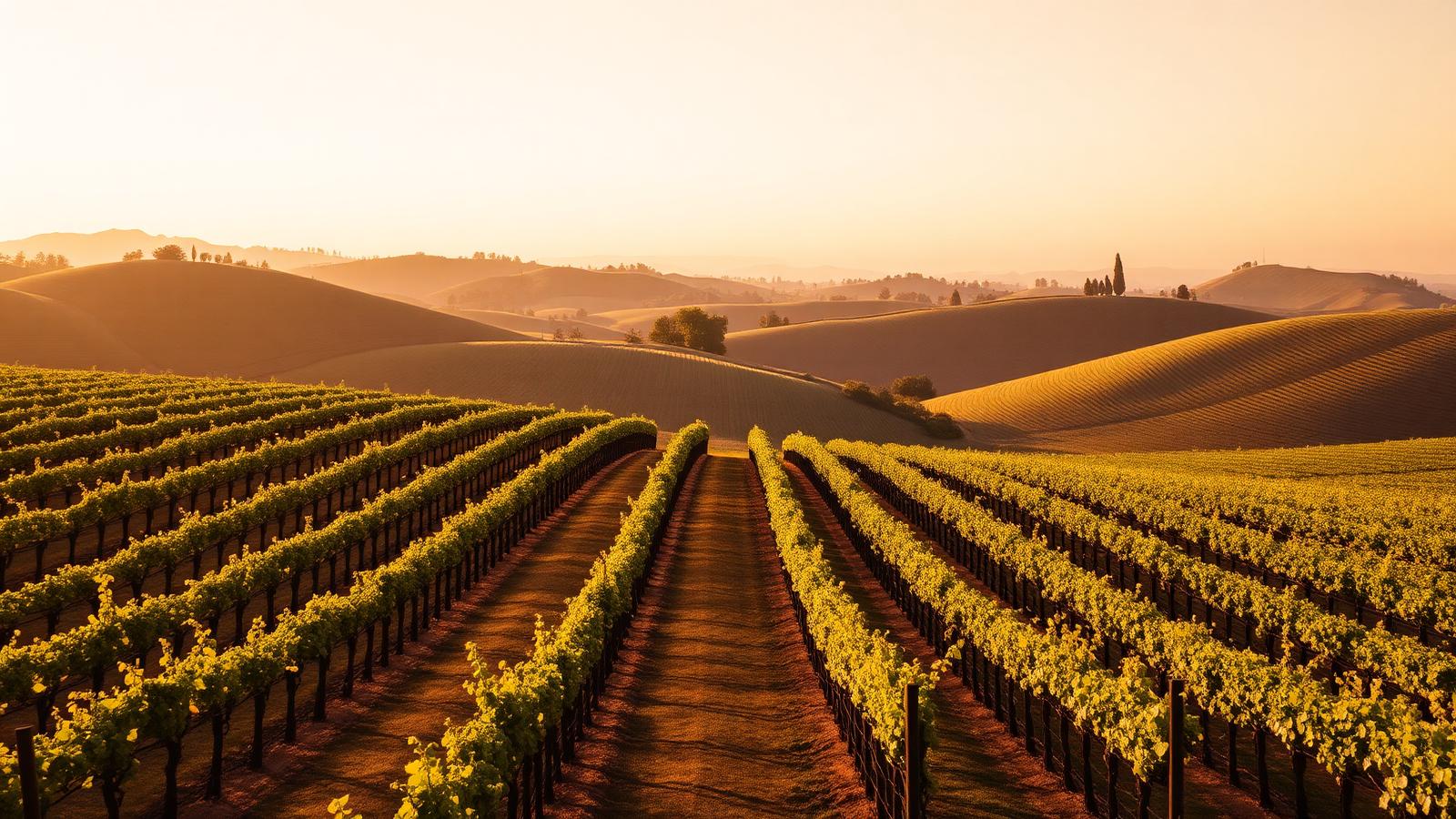
Mountain Terroir, Unique Grapes
Vermont’s wine identity is deeply intertwined with its mountainous terrain and distinct microclimates. The Green Mountains provide a dramatic backdrop and influence the growing season, with slopes and valleys offering varied exposures. Here, winemakers champion cold-hardy grape varietals such as , La Crescent, Frontenac, and Marquette, which have been specifically developed to withstand harsh winters. These resilient grapes thrive where others would falter, yielding wines that are intensely aromatic and possess a vibrant acidity that is truly characteristic of the region. The mineral-rich soils, remnants of ancient glacial activity, contribute a subtle complexity, allowing the authenticity of the fruit to shine through in every bottle.
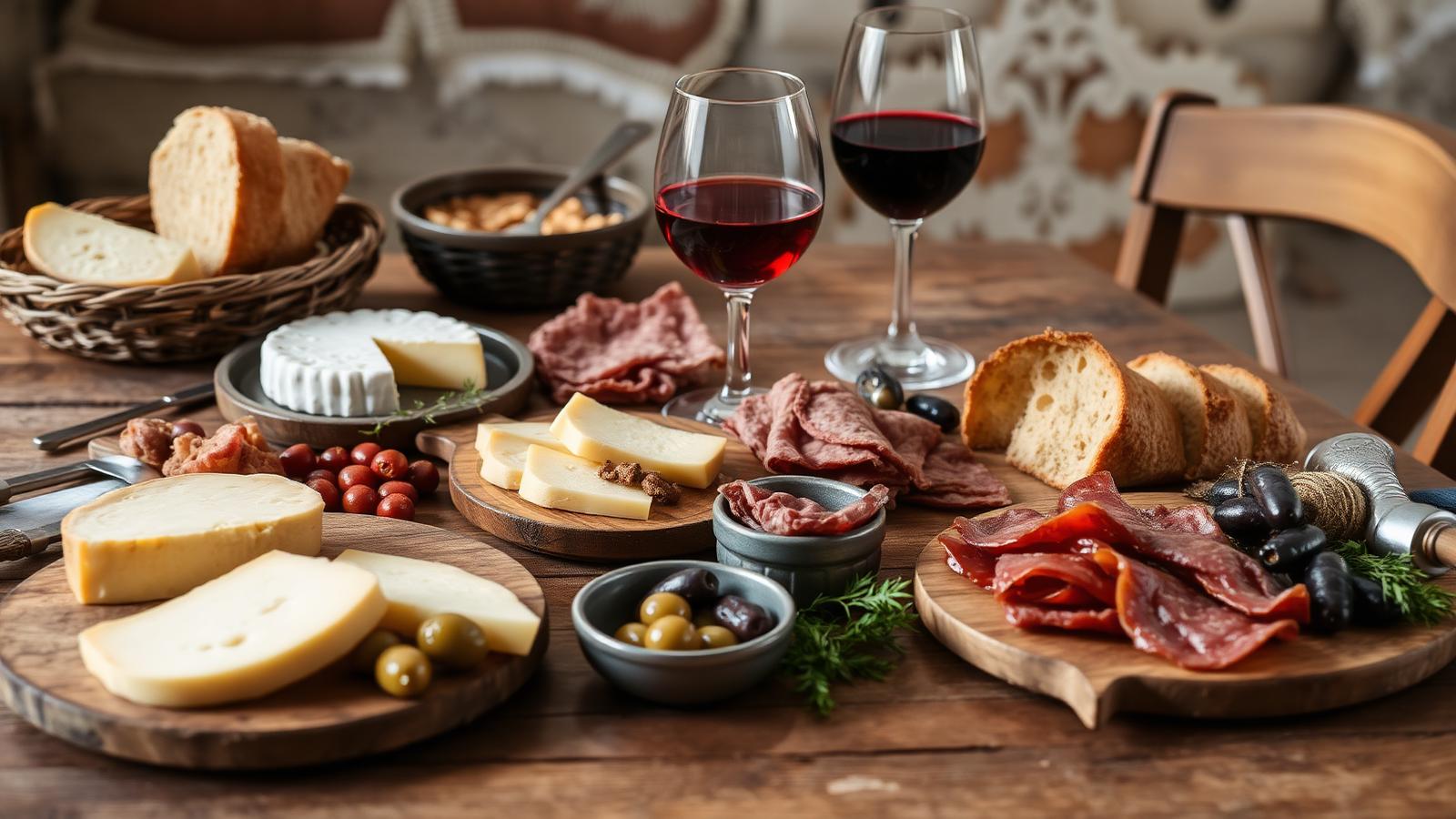
Culinary Pairings and Pleasant Days
Vermont’s burgeoning wine scene pairs exquisitely with its renowned farm-to-table cuisine. The bright, crisp whites and fruit-forward reds from the region find their perfect match in local delicacies: sharp cheddar cheeses, fresh apple tarts, robust charcuterie, and even the quintessential maple-glazed dishes. Imagine a leisurely afternoon spent tasting wines, followed by a meal crafted from ingredients sourced just miles away. The experience is about savoring the moments, whether it’s a quiet picnic by a babbling brook or a convivial dinner in a village inn, where the flavors of the land are celebrated in every thoughtful course, creating indelible memories.
Getting to know Vermont
What Vermont tastes like
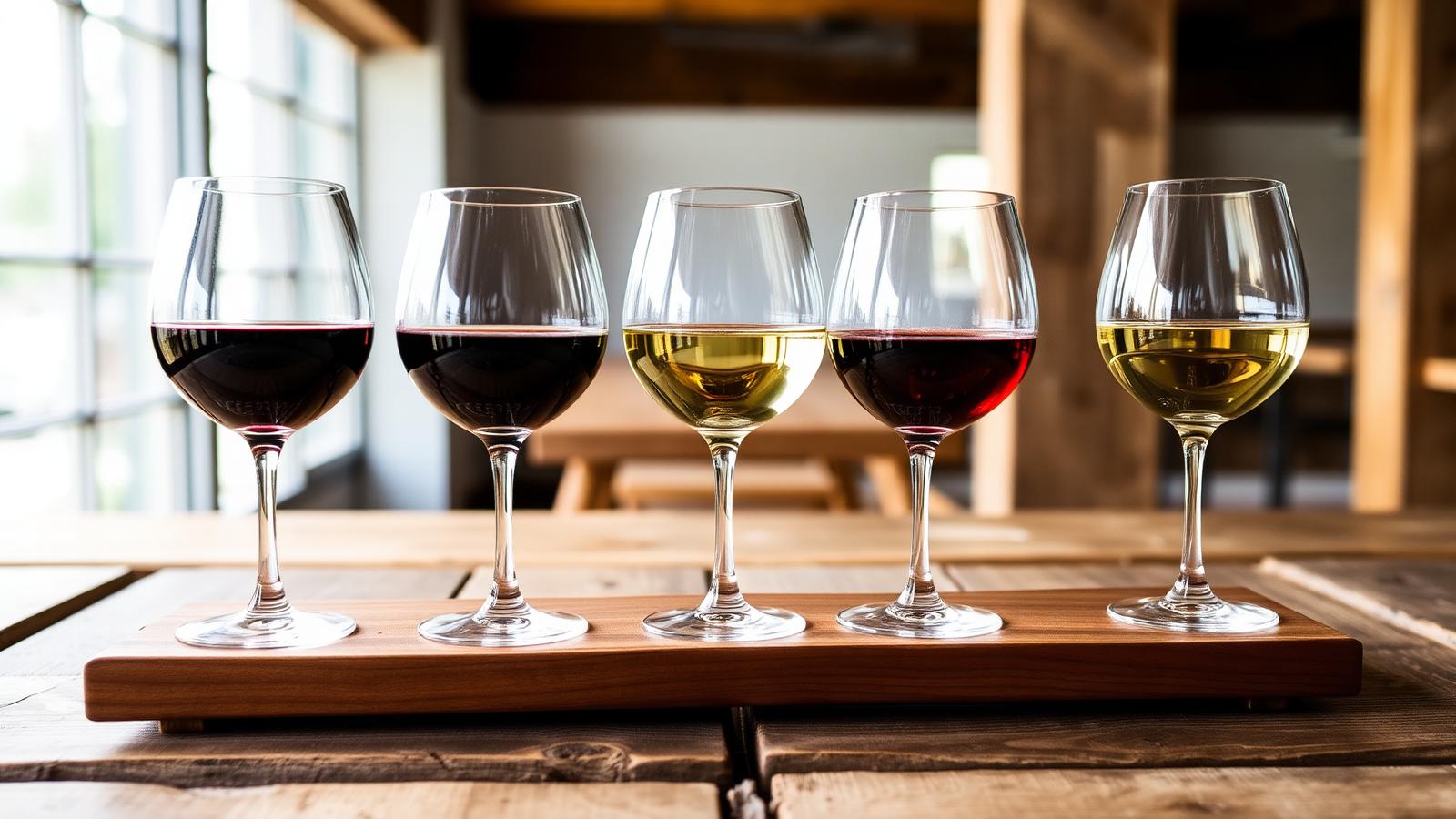
Wines from Vermont tend to reflect the region's climate and terrain more than any single style. Look for a sense of place in the glass — mineral notes from stony soils, freshness where nights are cool, richer texture where the sun lingers longer. A short flight of local wines is the fastest way to feel the range.
Rhythms of the year
Vermont moves with the seasons. Spring is quiet and green, summer brings long light and full terraces, harvest is intense and communal, and winter turns the vineyards into a stark, beautiful sculpture. Every season is a good reason to come — they just make very different trips.
Beyond the tasting room
Some of the most memorable moments in Vermont happen away from the vines: a bakery in the next village over, a viewpoint at sunrise, a slow lunch that turns into a slow afternoon. Leave room in your itinerary for the things you can't plan.
Frequently asked questions
When is the best time of year to visit Vermont for a wine tour?
The ideal time to explore Vermont's wine region is typically from late spring through early autumn. June offers lush greenery and pleasant temperatures, while September and October showcase the stunning fall foliage, a spectacular backdrop for vineyard visits. Harvest season, usually in late September or early October, is particularly vibrant and offers a chance to see winemaking in full swing. Winters are beautiful but can present challenges with accessibility, though some establishments welcome visitors year-round for unique indoor experiences.
What kind of unique wine styles should I expect to find in Vermont?
Vermont's winemaking is defined by its cold-hardy grape varietals, leading to distinctive styles. Expect bright, aromatic whites like La Crescent and , often expressive of orchard fruit and floral notes with a refreshing acidity. Reds, primarily from Frontenac and Marquette, tend to be lighter-bodied with vibrant red berry characteristics, sometimes with earthy undertones. You'll also encounter fruit wines, especially apple and berry, which celebrate Vermont's agricultural heritage and can be delightfully complex and food-friendly.
Are there other local attractions to combine with a wine visit?
Absolutely! Vermont offers a wealth of activities that complement a wine tour beautifully. Consider exploring the quaint village main streets, visiting artisanal cheese makers and maple syrup farms, or indulging in the vibrant farm-to-table culinary scene. The Green Mountains provide excellent opportunities for scenic drives, gentle hikes, or simply enjoying the peaceful landscape. Many regions also host farmers' markets, craft fairs, and local festivals, especially during the warmer months, enriching your overall experience of Vermont's charm.
What are the typical transportation options for exploring Vermont's wine country?
The most flexible way to explore Vermont's wine country is by car, allowing you to venture off the beaten path and discover smaller, more secluded vineyards and local attractions. Roads are generally well-maintained, though some routes can be winding and scenic. While public transportation is limited in rural areas, some local taxi services or ride-sharing options might be available near larger towns. For a truly relaxed experience, consider hiring a private driver or joining a small, guided tour, which can also provide insightful commentary on the region.