

Michigan Wineries & Wine Tours
Sub-regions
The Lake's Embrace
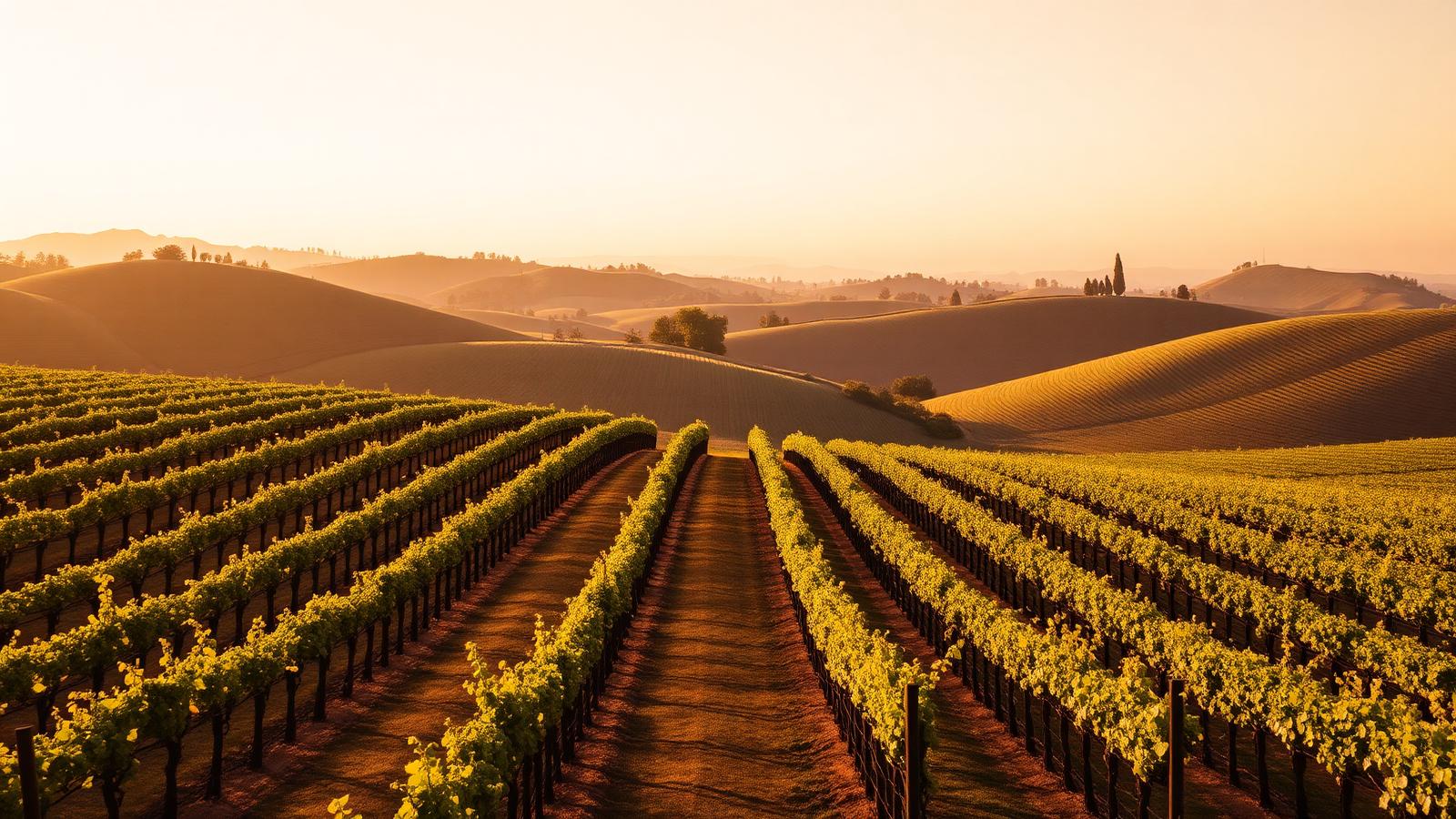
Michigan's wine regions are shaped profoundly by the Great Lakes. These immense bodies of water act as natural thermostats, protecting delicate vines from harsh winter freezes and delaying spring bud break, thereby mitigating the risk of early frosts. In summer, they reflect sunlight, aiding ripening, and in autumn, they release stored warmth, extending the growing season. This moderating effect is critical for the cultivation of cool-climate varietals, allowing grapes to develop complex aromatics and retain a refreshing acidity that defines the region's signature styles. The landscape itself, sculpted by ancient glaciers, features ideal slopes for drainage and sun exposure, completing a that is both challenging and uniquely rewarding.
Getting to know Michigan
What Michigan tastes like
Wines from Michigan tend to reflect the region's climate and terrain more than any single style. Look for a sense of place in the glass — mineral notes from stony soils, freshness where nights are cool, richer texture where the sun lingers longer. A short flight of local wines is the fastest way to feel the range.
Rhythms of the year
Michigan moves with the seasons. Spring is quiet and green, summer brings long light and full terraces, harvest is intense and communal, and winter turns the vineyards into a stark, beautiful sculpture. Every season is a good reason to come — they just make very different trips.
Beyond the tasting room
Some of the most memorable moments in Michigan happen away from the vines: a bakery in the next village over, a viewpoint at sunrise, a slow lunch that turns into a slow afternoon. Leave room in your itinerary for the things you can't plan.
Frequently asked questions
When is the best time to visit Michigan wine country?
The ideal time to experience Michigan's wine regions is generally from late spring through early autumn. May offers blossoming vineyards and pleasant, mild weather, while June through August provides warm days perfect for outdoor tastings and exploring the lakeside towns. September and October are particularly beautiful, as the leaves change into a spectacular array of colors and the frenzy of grape harvest begins. Weekends can be bustling, so consider a weekday visit for a more serene experience, particularly during peak season.
What kind of transportation is best for exploring the wine regions?
For optimal flexibility, having your own vehicle is highly recommended. This allows you to explore at your own pace, venture off the beaten path to discover smaller, charming venues, and easily move between different wine trails. For those who prefer not to drive, there are a growing number of local tour operators that offer guided excursions, providing transportation and curated itineraries. Taxis and ride-sharing services can be limited in some of the more rural areas, so planning in advance is advisable.
Are Michigan's wine regions suitable for families?
Yes, many of Michigan's wine regions are quite family-friendly, offering more than just tasting rooms. Beyond the vineyards, the areas boast stunning natural beauty with opportunities for hiking, cycling, and exploring charming lakeside communities. Many venues have picnic areas and some even have playgrounds or farm animals, making them enjoyable for all ages. Several local farms also offer 'u-pick' fruit experiences in season, and the Great Lakes provide numerous beaches and water activities. It’s always best to check individual venue websites for specific family policies and amenities.
What unique local products or souvenirs should I look for?
Beyond a bottle of your favorite wine, Michigan offers a delightful array of artisan products. Look for locally harvested cherry products, from jams and salsas to dried cherries, reflecting the state's significant cherry industry. Maple syrup, especially from smaller, traditional producers, is another true taste of Michigan. Hand-crafted goods and art by local artisans, often inspired by the natural beauty of the region, make for unique keepsakes. Don't forget to sample some of the artisanal cheeses and baked goods that celebrate the local agricultural bounty.