

Tip of the Mitt Wine Guide
Wineries in Tip of the Mitt
View all 9 wineries →Villages, Vines, and Shores
Life in the Tip of the Mitt unfolds with an unhurried grace, where charming villages dot the shoreline and vineyards stretch from bluffs down towards deep blue waters. Imagine a day beginning with the gentle chimes of a distant church, followed by a leisurely breakfast featuring locally smoked fish and fresh baked goods. The roads wind through picturesque countryside, past ancient cherry orchards and forests ablaze with autumn color, leading to intimate tasting rooms. Here, conversation flows as freely as the wine, often shared with the very hands that nurtured the grapes. Afternoons might be spent strolling quaint main streets, exploring artisan shops, or simply sitting by the water, watching sailboats drift by, the setting sun painting the sky in fiery hues that mirror the richness in your glass. Evenings are for quiet dinners, savoring regional specialties and the day’s discoveries in relaxed, welcoming settings.
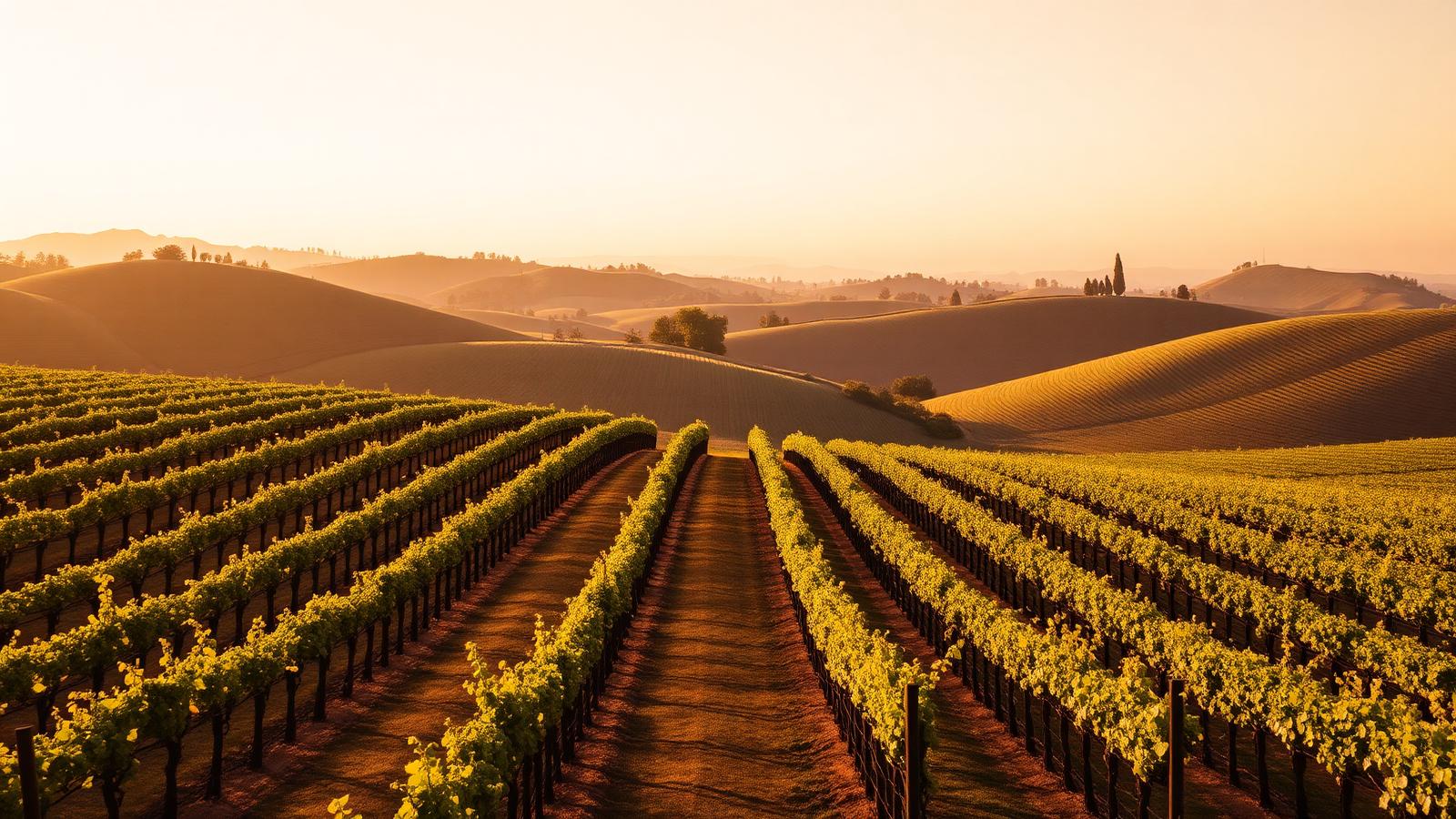
Grapes of the Northern Sun
The distinct character of Tip of the Mitt wines is inextricably linked to its unique climate. The immense Great Lakes act as a vast thermal regulator, creating a prolonged growing season and protecting vines from extreme temperature swings, especially during harsh winters. This benevolent embrace allows cool-climate champions like to flourish, yielding crisply aromatic wines bursting with notes of apple, pear, and a zesty minerality. , too, finds its voice here, producing elegant reds with bright cherry fruit and earthy undertones. Beyond these, intriguing cold-hardy varietals adapted to this northern clime offer a spectrum of styles, from vibrant whites to intriguing rosés, each reflecting the invigorating freshness of their origin. The region’s sandy, well-draining soils contribute to the purity of fruit expression, crafting wines of clarity and balance.

Planning a visit to Tip of the Mitt
Best time to visit Tip of the Mitt
Late spring and early autumn are the choices — comfortable weather, generous light, and vineyards at their most photogenic. Summer is warmer and livelier, with long evenings and outdoor tables everywhere. Winter is peaceful, cellars are quiet, and there's a real intimacy to visits without the crowds.
Where to base yourself
The main village or town in Tip of the Mitt is usually the easiest base — it puts you in walking distance of restaurants and daily life, with vineyards a short drive away. Staying in the countryside is quieter and more romantic, but you'll rely more on a car or a driver. Both are valid; pick the mood you want your trip to have.
Getting to Tip of the Mitt
Most travellers reach Tip of the Mitt by combining a flight into the nearest major city with a train, bus, or rental car for the last leg. Once you arrive, distances are usually short — many memorable days here involve less driving than you'd expect.
Making the most of a day in Tip of the Mitt
A good day in Tip of the Mitt tends to have a shape: a slow morning, a couple of unhurried tasting stops, a proper local lunch, and time in the late afternoon to walk, nap, or take in a view. Try not to over-plan — the best moments usually turn up between the ones you scheduled.
Frequently asked questions
What is the best time of year to visit the Tip of the Mitt for a wine experience?
The late spring and early autumn seasons offer particularly enchanting experiences in the Tip of the Mitt. Late May through June sees the vineyards bursting with vibrant green, signaling the start of the growing season, and the weather is typically mild and pleasant. However, many consider late August through October to be ideal, as the grapes reach their peak ripeness, harvest activities may be underway, and the surrounding forests transform into a breathtaking tapestry of fall colors. The crisp air and stunning scenery create a truly magical backdrop for and exploring the region. Summer offers warmth and all water activities also.
Are tastings typically available year-round, or are there seasonal closures?
While the peak season for wine tourism in the Tip of the Mitt generally runs from late spring through fall, many tasting rooms maintain operations year-round, especially on weekends, though hours may be reduced in the quieter winter months. It's always a good idea to check the individual schedules of places you plan to visit, particularly if you are traveling during the off-season. A winter visit can offer a unique charm, with snow-dusted vineyards and cozy, fire-lit tasting experiences, often with fewer crowds.
What kind of transportation options are available for visiting multiple wine venues?
While having your own vehicle offers the most flexibility for exploring the Tip of the Mitt's scattered wine venues, there are also other convenient options. Several local tour companies offer guided excursions, providing transportation and often curating itineraries, allowing you to relax and enjoy the tastings without the worry of driving. Additionally, ride-sharing services may be available in some of the more populated areas, though coverage can be spotty in rural vineyard locations. Consider utilizing a designated driver if you are in your own car to fully appreciate the region's offerings responsibly.
What are some non-wine activities to enjoy in the Tip of the Mitt region?
Beyond its celebrated wines, the Tip of the Mitt offers a wealth of activities to complement your visit. The region's natural beauty beckons with opportunities for hiking and biking along scenic trails that wind through forests and along the Great Lakes shores. Water enthusiasts can enjoy kayaking, paddleboarding, or sailing on the pristine inland lakes and bays. Charming lakeside towns invite exploration with unique boutiques, art galleries, and local eateries. History buffs will appreciate the lighthouses and maritime museums that dot the coastline, telling tales of the region's nautical past. Consider a scenic drive, a round of golf, or simply find a quiet spot to watch a spectacular sunset over the water.