

Hawaii Wineries & Wine Tours
Sub-regions
Craft & Island Pace
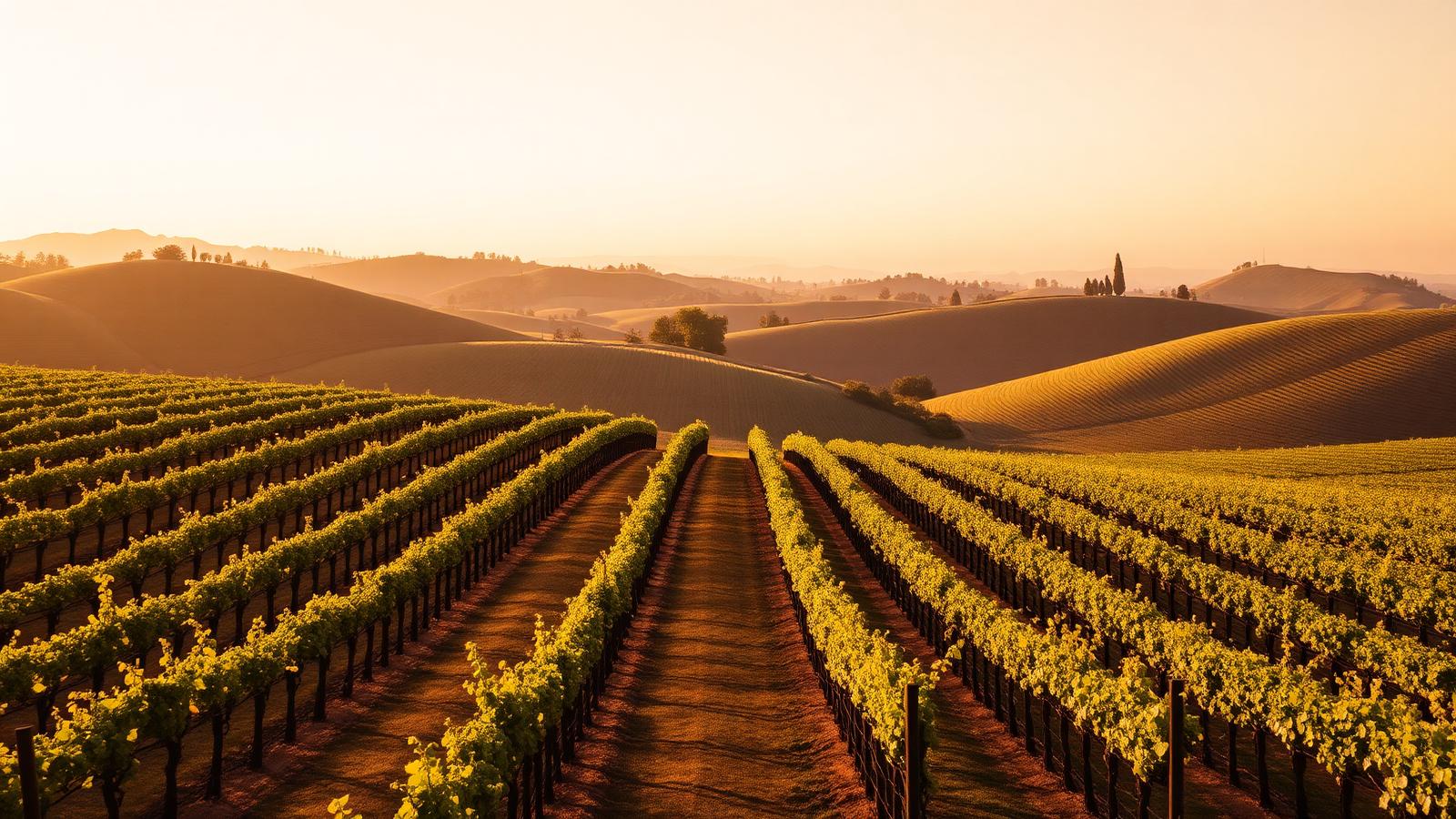
Winemaking in Hawaii is typically a small, artisanal endeavor, often focusing on sustainable practices and an intimate connection to the land. This reflects the overall island pace – unhurried, thoughtful, and deeply connected to nature's cycles. Visitors will find themselves welcomed into unpretentious tasting rooms, often with sweeping ocean or mountain views, where the winemakers themselves might share stories of their unique challenges and triumphs. It's a chance to witness a passionate craft, born of dedication and adaptation, where each bottle is a true expression of its island's soul. The slow, intentional approach to both life and winemaking makes for an authentic and memorable experience.
The Taste of Aloha
Hawaiian cuisine, a vibrant fusion of Polynesian, Asian, and Western influences, finds its perfect partners in the region's wines. Imagine sun-ripened pineapples lending their sweet-tart essence to a crisp, cooling wine, or the delicate floral notes of a regional complementing grilled fish fresh from the Pacific. Long, leisurely meals enjoyed al fresco, with the sound of waves as your backdrop, are part of the daily rhythm. The wines often possess a refreshing acidity and bright fruit character, making them ideal accompaniments to the fresh, vibrant, and often spicy flavors that define island gastronomy. Dining here is an immersive, sensory experience, where wine elevates every bite.
Volcanic Terroir & Tropical Vines
The very ground beneath your feet in Hawaii is alive, a testament to millennia of volcanic activity. This dramatic genesis has sculpted unique terroirs, rich in mineral content, that impart a distinctive character to the island's grapes. Here, traditional vinifera varieties find an unexpected home alongside lesser-known grapes that flourish in tropical climes. The interplay of high altitudes on volcanic slopes with the constant embrace of the Pacific Ocean's cooling breezes creates specific microclimates. These conditions, so different from continental wine regions, demand innovative viticultural practices, resulting in wines that capture the raw, untamed beauty of their environment in every glass.
Getting to know Hawaii
What Hawaii tastes like
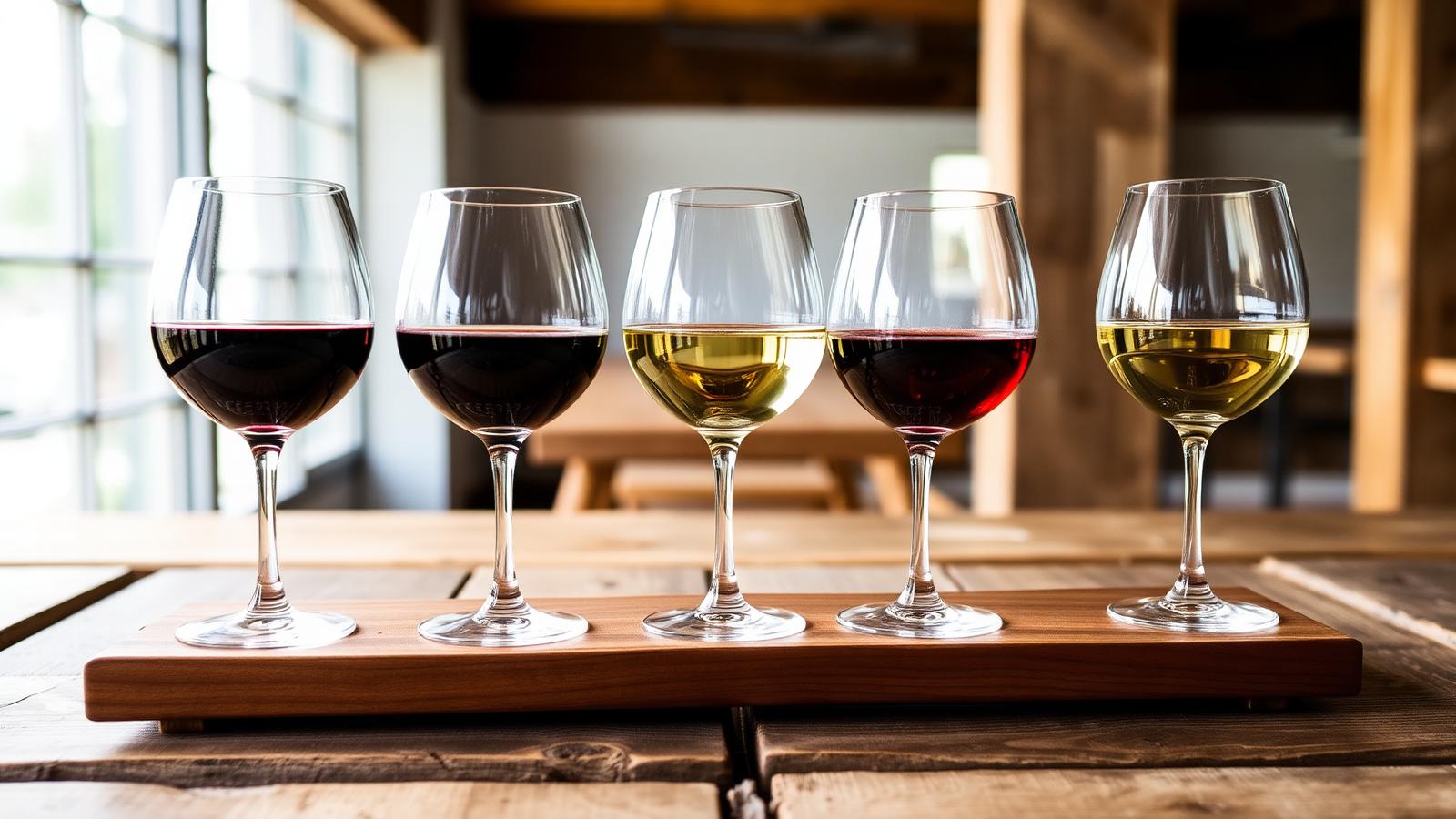
Wines from Hawaii tend to reflect the region's climate and terrain more than any single style. Look for a sense of place in the glass — mineral notes from stony soils, freshness where nights are cool, richer texture where the sun lingers longer. A short flight of local wines is the fastest way to feel the range.
Rhythms of the year
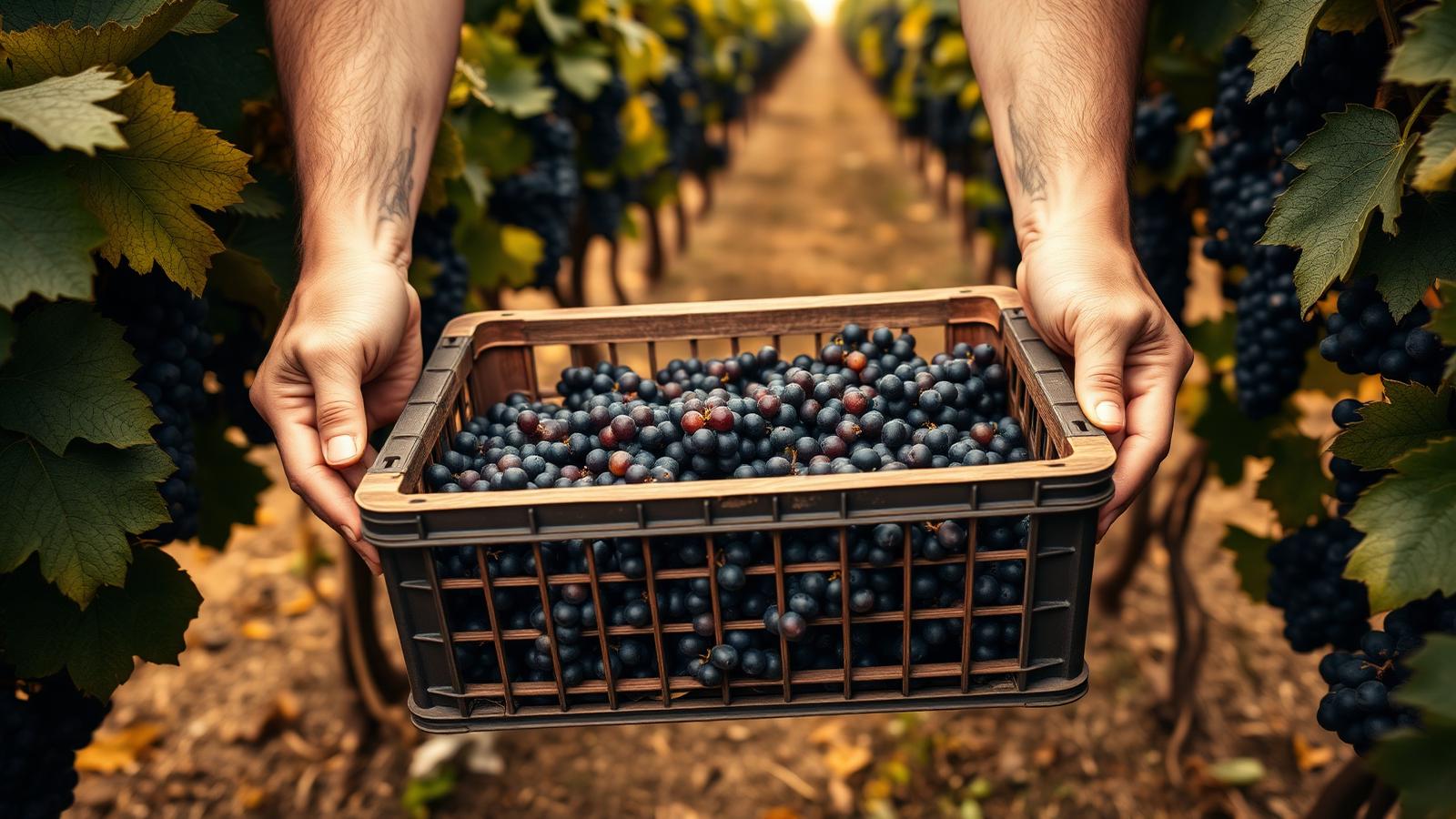
Hawaii moves with the seasons. Spring is quiet and green, summer brings long light and full terraces, harvest is intense and communal, and winter turns the vineyards into a stark, beautiful sculpture. Every season is a good reason to come — they just make very different trips.
Beyond the tasting room
Some of the most memorable moments in Hawaii happen away from the vines: a bakery in the next village over, a viewpoint at sunrise, a slow lunch that turns into a slow afternoon. Leave room in your itinerary for the things you can't plan.
Frequently asked questions
Which islands offer wine experiences, and what's the best time to visit for them?
Wine experiences in Hawaii are primarily found on Maui and the Big Island. While winemaking happens year-round due to the tropical climate, the best time to visit is generally during the dry season, from April to October. This period offers pleasant weather for exploring vineyards and enjoying outdoor tastings, with less chance of rain. However, the shoulder months of April-May and September-October often provide a quieter, more intimate experience without the peak season crowds.
Are there specific grape varieties or wine styles unique to Hawaii?
Hawaii embraces both traditional grape varieties adapted to its climate and an exciting array of unusual fruit wines. You might encounter vinifera grapes that thrive in warmth, alongside wines crafted from locally grown pineapples, star fruit, and even jaboticaba berries. These fruit wines are often a delightful surprise, offering bright, aromatic, and refreshing profiles perfectly suited to the tropical environment. It's an opportunity to taste something genuinely novel and distinct from mainland wines.
What kind of transportation should I plan for visiting wineries and tasting rooms?
Given the island geography and often remote locations of winemaking operations, renting a car is highly recommended for flexibility and independence. This allows you to explore at your own pace and discover the scenic routes between tasting rooms. Some smaller, local tour operators may offer specialized wine excursions that include transportation, which can be an excellent option if you prefer not to drive yourself, allowing you to fully enjoy all tastings without concern.
What other activities can I combine with a wine tour in Hawaii?
Hawaii offers a wealth of experiences to complement your wine journey. Combine vineyard visits with scenic drives along coastal roads, explore volcanic landscapes in national parks, or relax on pristine beaches. Indulge in farm-to-table dining experiences showcasing local produce, learn about Hawaiian culture, or try snorkeling and surfing. Many winemaking operations are nestled in areas rich with natural beauty and cultural heritage, allowing for a diverse and fulfilling travel itinerary.