

South Carolina Wineries & Wine Tours
Sub-regions
A Gentle Pace of Discovery
Exploring South Carolina’s wine trail is an unhurried journey, unlike the bustling vineyards of more established regions. Here, the experience is often more intimate, allowing for genuine connections and quiet contemplation. Picture winding roads that lead to charming, family-owned operations, where you might chat directly with the winemaker amidst the vines. The pace encourages lingering beneath the shade of an oak, watching the world drift by, perhaps with a glass in hand. It’s a chance to breathe deeply, to absorb the serene beauty of the landscape, and to discover the soulful character behind each bottle.
Grapes of the Palmetto State
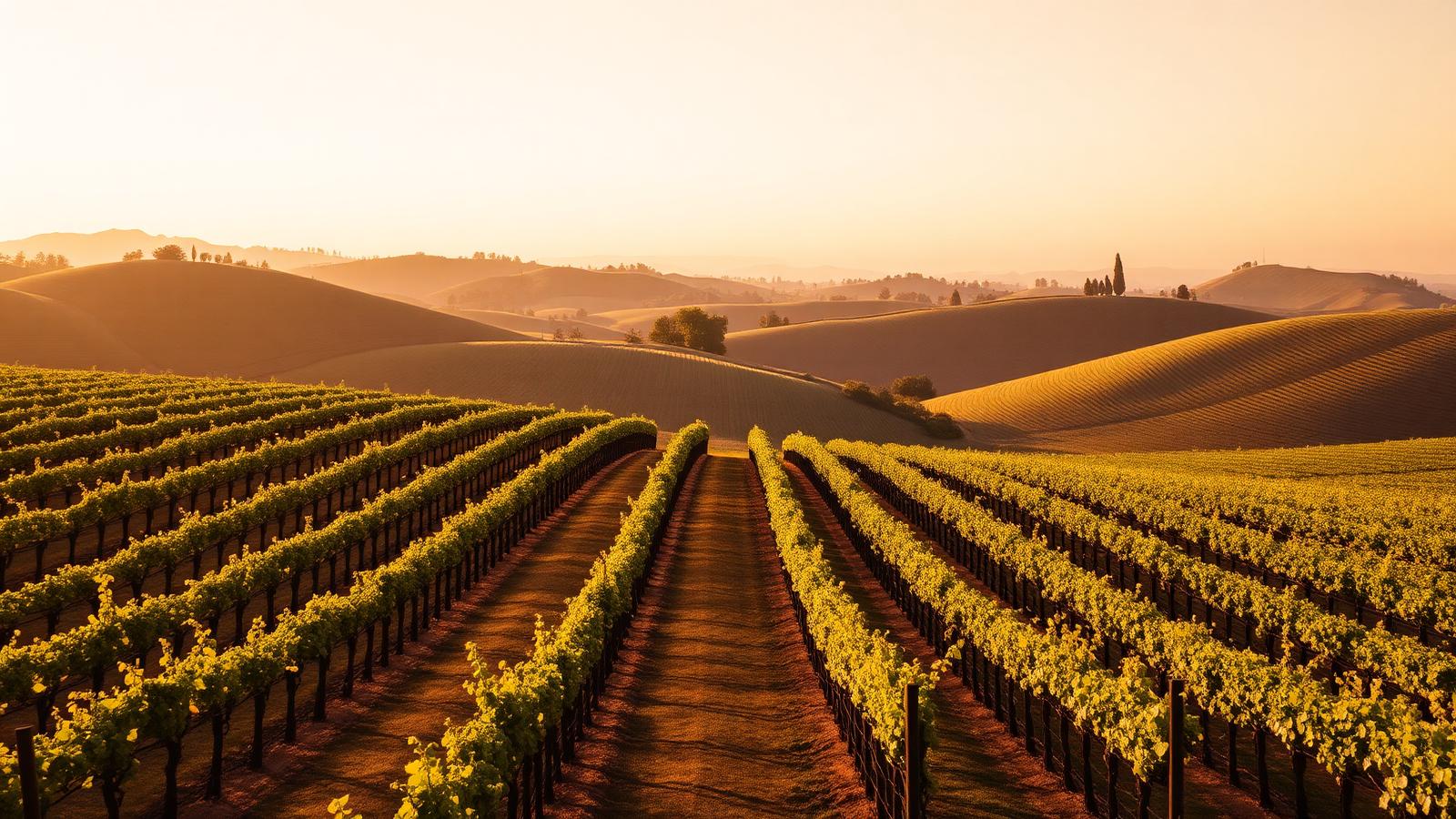
South Carolina’s distinctive climate, marked by its generous warmth and humidity, encourages a fascinating array of grapes. While European vinifera vines have found pockets of success, it’s the native Muscadine varieties, such as Scuppernong and Carlos, that truly flourish here, their thick skins and robust character perfectly suited to the environment. These grapes yield wines that range from intimately sweet, embodying the essence of summer fruit, to unexpectedly dry and complex, with aromatic notes of honey, floral accents, and a distinctive earthy undertone. Beyond these, you might encounter other hybrid grapes, each selected for its resilience and ability to express the unique South Carolina sunshine in a glass.
Flavors of the Lowcountry Table
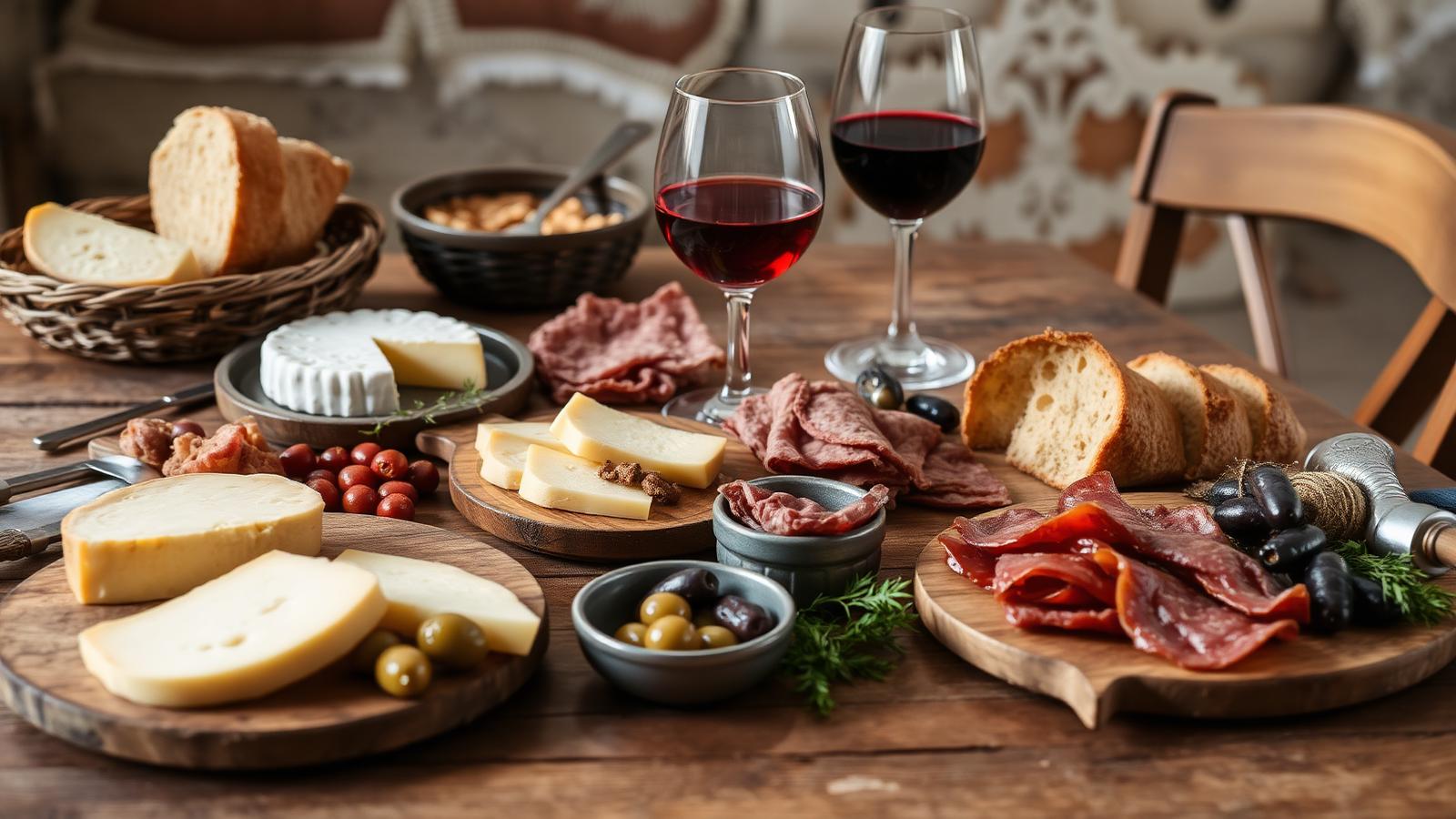
The culinary landscape of South Carolina is a symphony of fresh, local ingredients, perfectly complementing its wines. Imagine long, leisurely meals where the bounty of the land and sea converge. Think of succulent shrimp and grits, slow-cooked collard greens, or freshly shucked oysters from coastal waters. A crisp white wine, perhaps a dry Muscadine, offers a refreshing counterpoint to the richness of fried green tomatoes or a perfectly seasoned lowcountry boil. For heartier fare like barbecued pork, a fruit-forward red, light in tannin, can elevate the experience, making each bite and sip a moment to treasure.
Getting to know South Carolina
What South Carolina tastes like
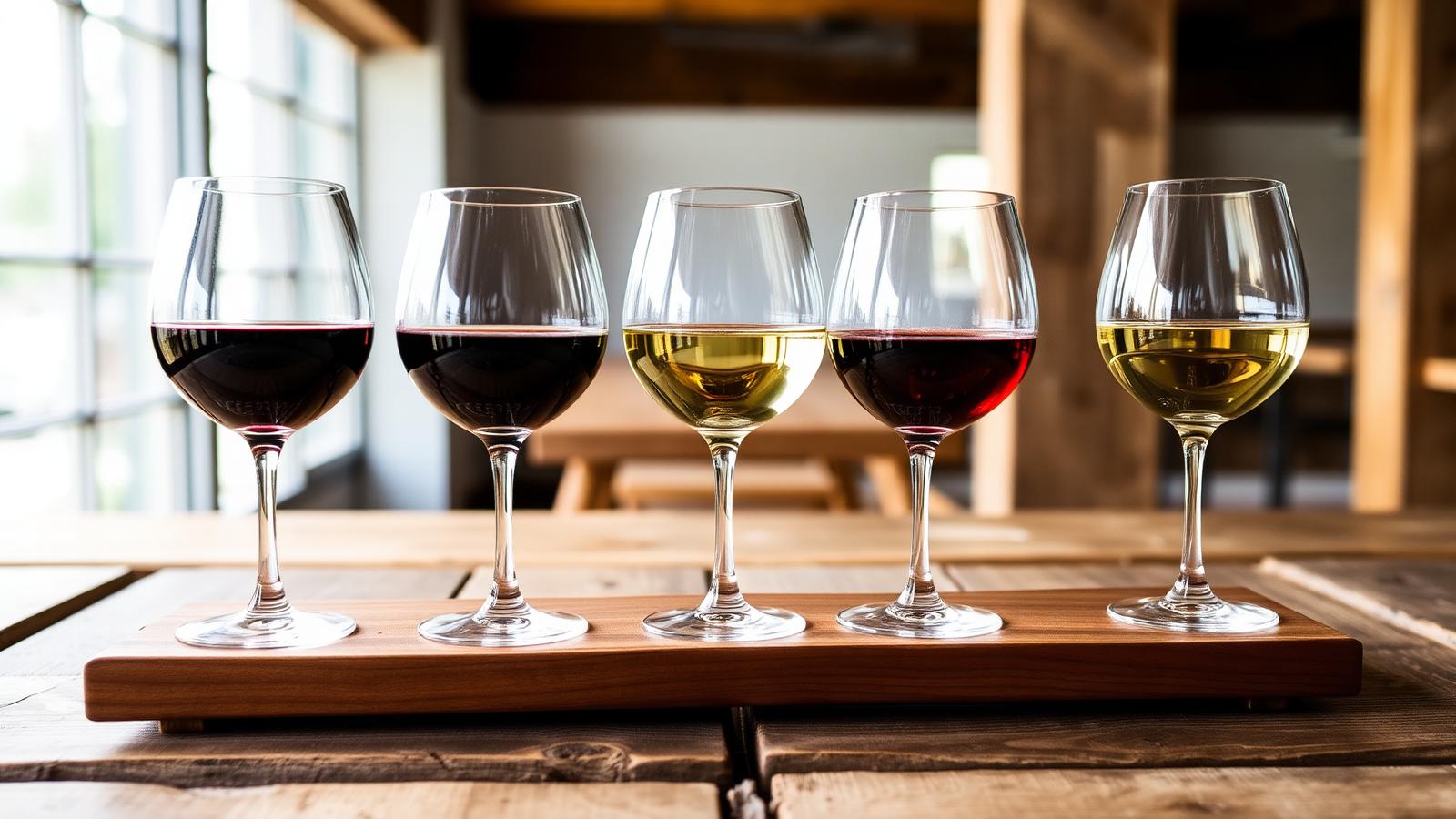
Wines from South Carolina tend to reflect the region's climate and terrain more than any single style. Look for a sense of place in the glass — mineral notes from stony soils, freshness where nights are cool, richer texture where the sun lingers longer. A short flight of local wines is the fastest way to feel the range.
Rhythms of the year
South Carolina moves with the seasons. Spring is quiet and green, summer brings long light and full terraces, harvest is intense and communal, and winter turns the vineyards into a stark, beautiful sculpture. Every season is a good reason to come — they just make very different trips.
Beyond the tasting room
Some of the most memorable moments in South Carolina happen away from the vines: a bakery in the next village over, a viewpoint at sunrise, a slow lunch that turns into a slow afternoon. Leave room in your itinerary for the things you can't plan.
Frequently asked questions
When is the best time of year to visit South Carolina for a wine experience?
The shoulder seasons, spring (April-May) and fall (September-October), generally offer the most pleasant weather for exploring South Carolina's wine regions. Spring brings comfortable temperatures and blooming landscapes, while fall offers cooler air and the excitement of harvest, though grape picking times vary. Summers can be quite warm and humid, appealing to those who enjoy the vibrant energy of the season, while winters are mild and peaceful, ideal for cozy indoor tastings without the crowds. Each season offers a distinct charm, so consider what kind of ambiance you prefer for your visit.
What kind of terrain and landscape can I expect to encounter in South Carolina's wine areas?
South Carolina's wine regions span diverse landscapes, from the flat, sandy coastal plains of the Lowcountry to the gently rolling hills of the Piedmont further inland. You'll often find vineyards interspersed with traditional Southern agriculture, such as cotton fields, peach orchards, and pecan groves. Expect lush greenery, ancient live oak trees draped in Spanish moss, and often a sense of quiet, rural charm. The elevation changes are subtle compared to mountainous regions, contributing to generally humid and warm conditions ideal for the local grape varieties. The beauty lies in its understated, verdant character.
Will I need to make reservations for tastings at vineyards in South Carolina?
While many smaller, family-owned vineyards in South Carolina are welcoming to walk-in visitors during their operating hours, it is always a thoughtful idea to check their websites or call ahead, especially if you are traveling with a larger group or visiting during a popular festival period. Some establishments might offer specific tasting experiences or tours that require advance booking. For a more spontaneous trip, confirming hours, particularly on weekdays or during off-peak seasons, can ensure a smooth and enjoyable visit to the properties that interest you most.
Beyond wine tasting, what other activities can I enjoy in the vineyard regions?
The vineyard regions of South Carolina offer a wealth of experiences beyond the glass. Depending on your location, you might find opportunities for leisurely strolls through charming small towns, exploring local artisan shops, or enjoying farm-to-table dining experiences featuring regional ingredients. Many areas are close to historic sites, nature trails, or even coastal beaches, allowing you to combine your wine journey with cultural exploration or outdoor adventures. Consider visiting local farmers' markets or art galleries, or simply enjoying the peaceful, natural beauty of the countryside between your vineyard stops.