

Texas Wineries & Wine Tours
Sub-regions
Grapes of the Lone Star
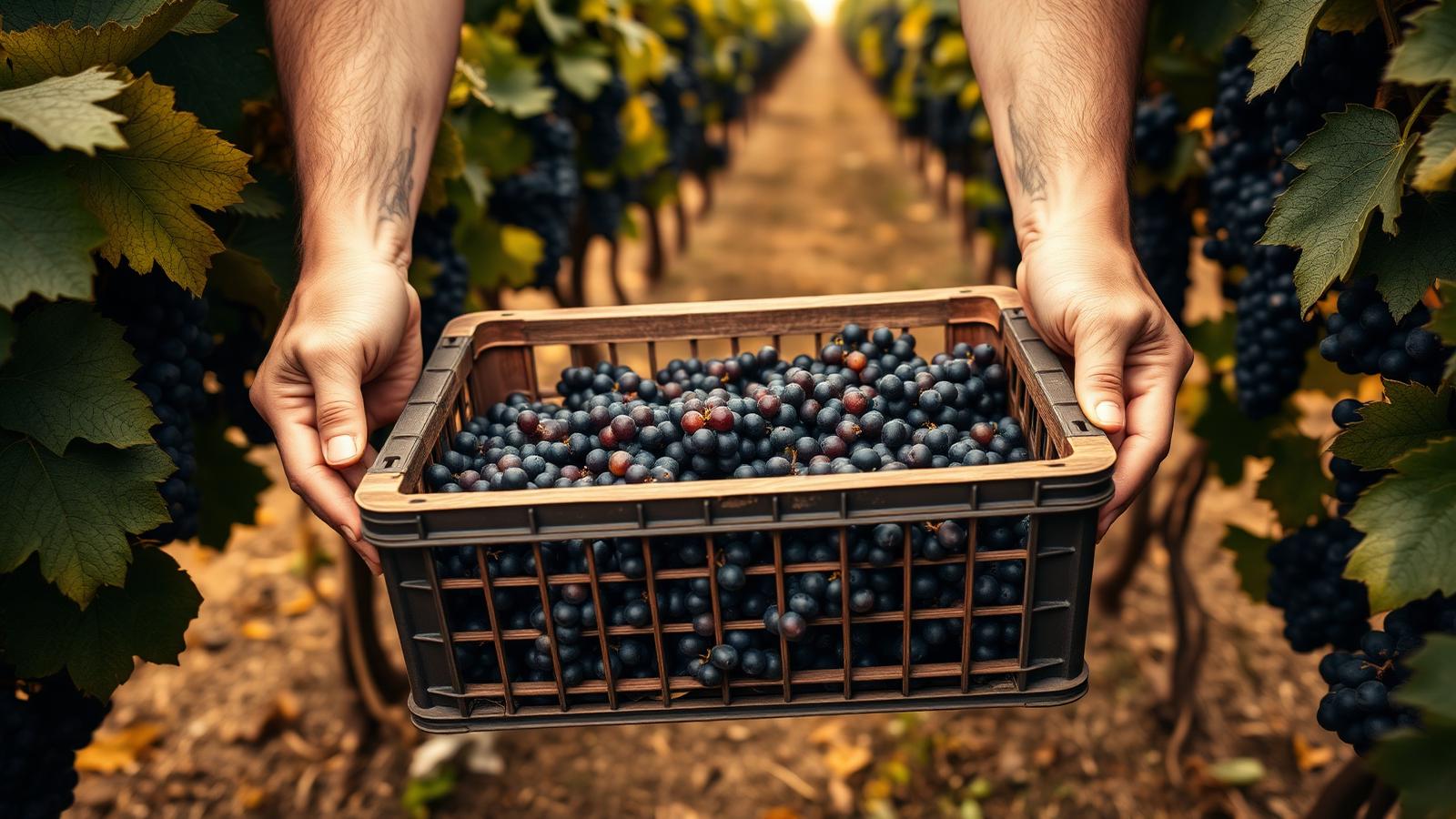
While many varieties thrive, Texas has embraced grapes that flourish in its warm climate, often drawing inspiration from Mediterranean and Rhône varietals. Expect to encounter powerful reds like , which expresses notes of leather, cherry, and spice, thriving in the Texan sun. and also find a welcoming home, yielding wines of impressive depth and structure, often blended into compelling, savory expressions. For whites, the crisp, aromatic offers floral and stone fruit characteristics, while provides a refreshing acidity, perfectly suited for warm afternoons. These grapes embody the vibrant and resilient spirit of Texas viticulture.
The Terroir's Embrace
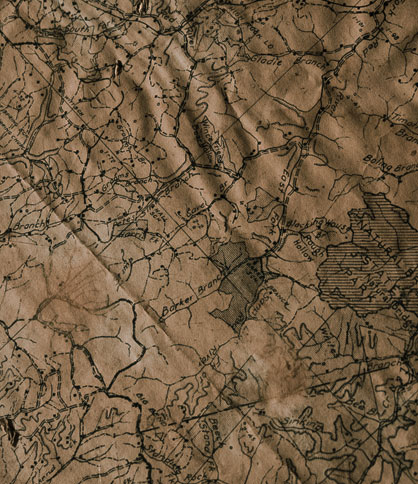
The diverse geology of Texas offers a fascinating palette for grape growing. In the high plains, elevated vineyards benefit from dramatic diurnal shifts, their deep roots reaching into caliche-rich soils that stress the vines just enough to concentrate flavors. Further south, the Hill Country presents a more undulating landscape of granite and limestone, where ancient riverbeds and fractured rock create microclimates. The consistent warm sun ripened the fruit, while the occasional cool snap from northern fronts keeps freshness. This interplay of abundant sunshine, varied mineral-rich soils, and thoughtful water management defines the distinct character found within Texas wines, encouraging a robustness that is truly reflective of its origins.
Culinary Pairings & Pace
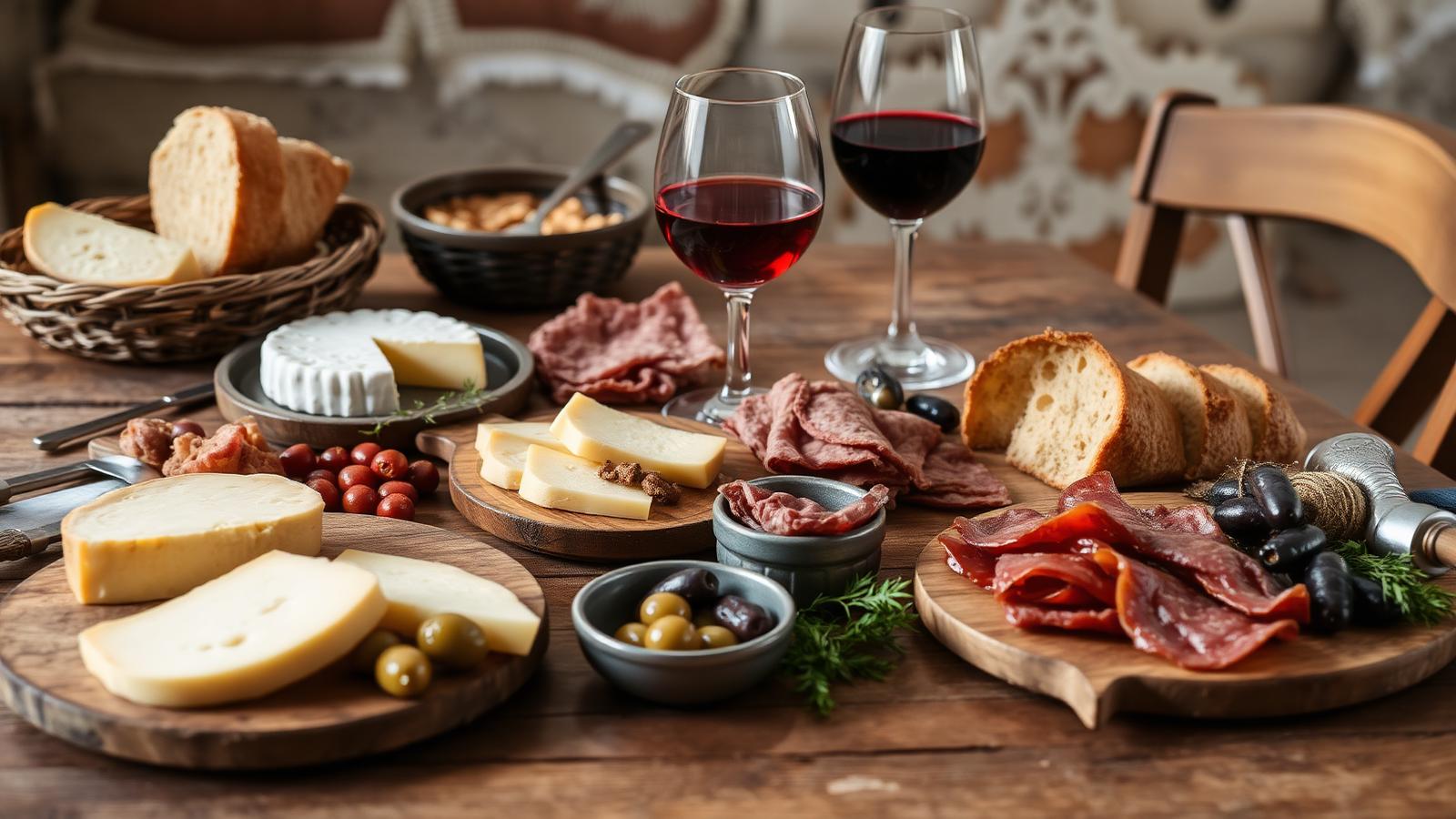
The Texan table, known for its bold and comforting flavors, finds its perfect companions in local wines. Imagine a robust alongside slow-smoked brisket, its tannins cutting through the richness, or a crisp complementing the zesty notes of a grilled shrimp dish with peaches. The pace of life in the wine regions mirrors this unhurried enjoyment; days are spent savoring long lunches on patios overlooking rolling vineyards, interspersed with relaxed visits. Evenings bring starlit skies and the warmth of genuine conversation, often accompanied by live music, making each meal and sip an unforgettably authentic experience.
Getting to know Texas
What Texas tastes like
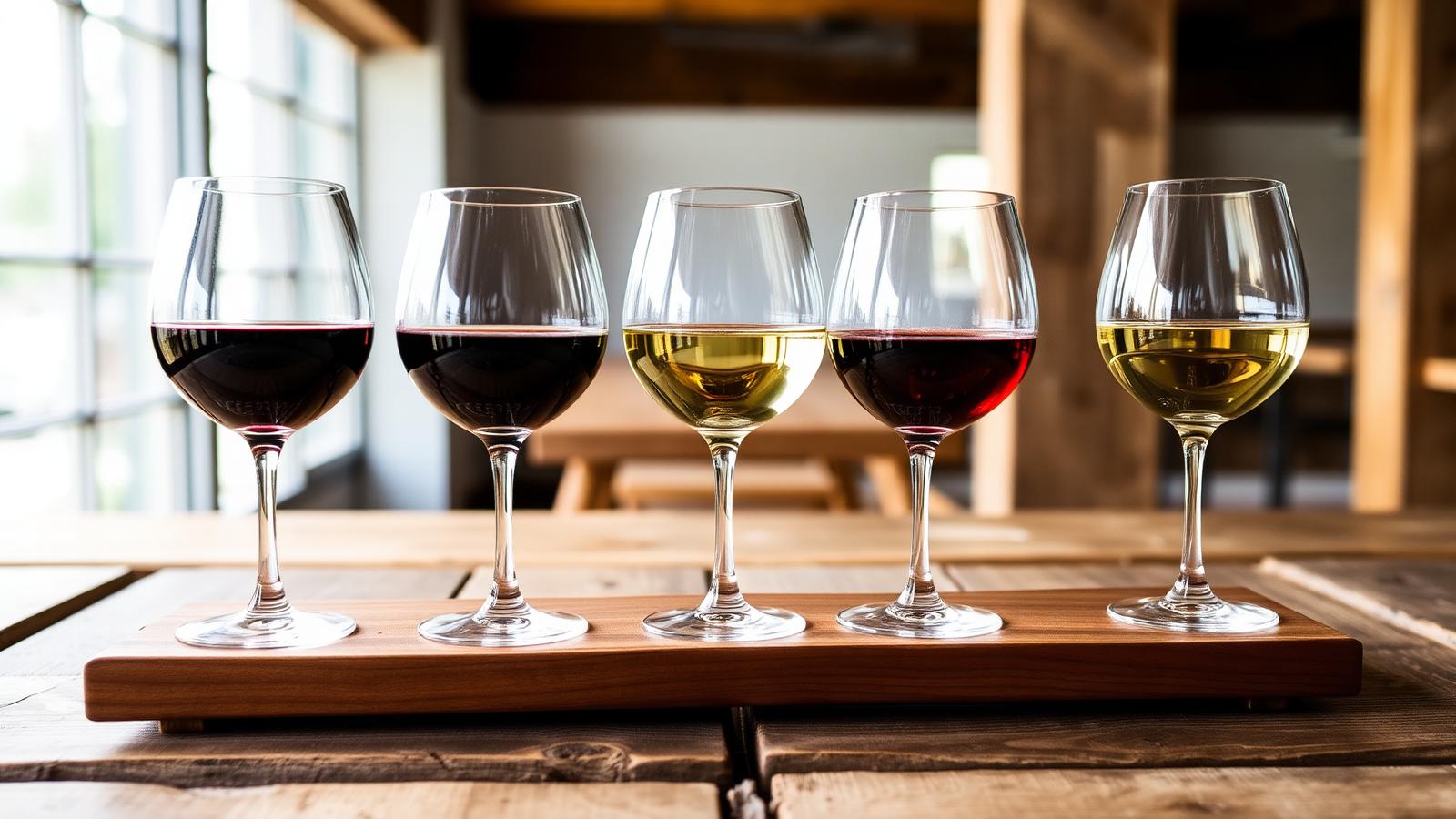
Wines from Texas tend to reflect the region's climate and terrain more than any single style. Look for a sense of place in the glass — mineral notes from stony soils, freshness where nights are cool, richer texture where the sun lingers longer. A short flight of local wines is the fastest way to feel the range.
Rhythms of the year
Texas moves with the seasons. Spring is quiet and green, summer brings long light and full terraces, harvest is intense and communal, and winter turns the vineyards into a stark, beautiful sculpture. Every season is a good reason to come — they just make very different trips.
Beyond the tasting room
Some of the most memorable moments in Texas happen away from the vines: a bakery in the next village over, a viewpoint at sunrise, a slow lunch that turns into a slow afternoon. Leave room in your itinerary for the things you can't plan.
Frequently asked questions
When is the best time of year to visit the Texas wine regions?
The ideal times to visit Texas wine country are typically spring (March to May) and fall (September to November). In spring, the vineyards are vibrant with new growth, wildflowers bloom, and the weather is generally mild and pleasant. Fall offers the excitement of harvest season, often with festivals and special events, and the cooler temperatures make for comfortable exploring. Summers can be quite hot, though many establishments offer shaded outdoor areas and air-conditioned tasting rooms. Winters are usually mild and offer a quieter, more intimate experience.
What kind of clothing should I pack for a Texas wine trip?
Comfortable, casual attire is generally recommended for a Texas wine trip. Layers are always a good idea, especially in spring and fall, as temperatures can vary throughout the day. Pack light fabrics and breathable materials for warmer months, and bring a hat and sunscreen for protection from the sun. Comfortable walking shoes are a must for exploring vineyards or strolling through charming small towns. For evenings, smart casual wear is usually appropriate for dining experiences, but nothing overly formal is typically required.
Is it necessary to make reservations for tastings or tours?
While many places welcome walk-ins, it is highly recommended to make reservations, especially for tastings and tours, particularly on weekends or during peak seasons like harvest. This ensures you have a spot and helps the staff prepare for your arrival, often leading to a more personalized experience. For larger groups, reservations are almost always required. Additionally, some smaller, family-run establishments might have limited hours or require appointments, so checking their websites in advance is always a good practice.
What transportation options are available for touring the wine regions?
Self-driving is a popular option, allowing flexibility to explore at your own pace; however, remember to have a designated driver. Alternatively, several local tour companies offer guided excursions, which often include transportation, pre-arranged stops, and valuable insights from knowledgeable guides. These can range from smaller, intimate group tours to larger bus options. Ride-sharing services may be available in some of the more populated areas, but can be less reliable in more remote vineyard locations, so planning your transport in advance is advisable.