

Virginia Wineries & Wine Tours
Sub-regions
Winemaking Philosophy
The heart of Virginia winemaking lies in its spirit of thoughtful innovation and genuine hospitality. While rooted in European traditions, growers here have forged a distinctive approach, driven by a deep understanding of their unique conditions. There's a prevailing ethos of working with, rather than against, the land and its capricious weather. This often translates into sustainable practices and a focus on expressing the inherent qualities of the fruit. In cellars across the state, wine crafters experiment with different techniques and oak regimens, seeking balance and elegance. The result is a diverse array of wines, from bright and fruit-forward to complex and age-worthy, all reflecting a commitment to quality and regional identity.
Terroir and Grapes
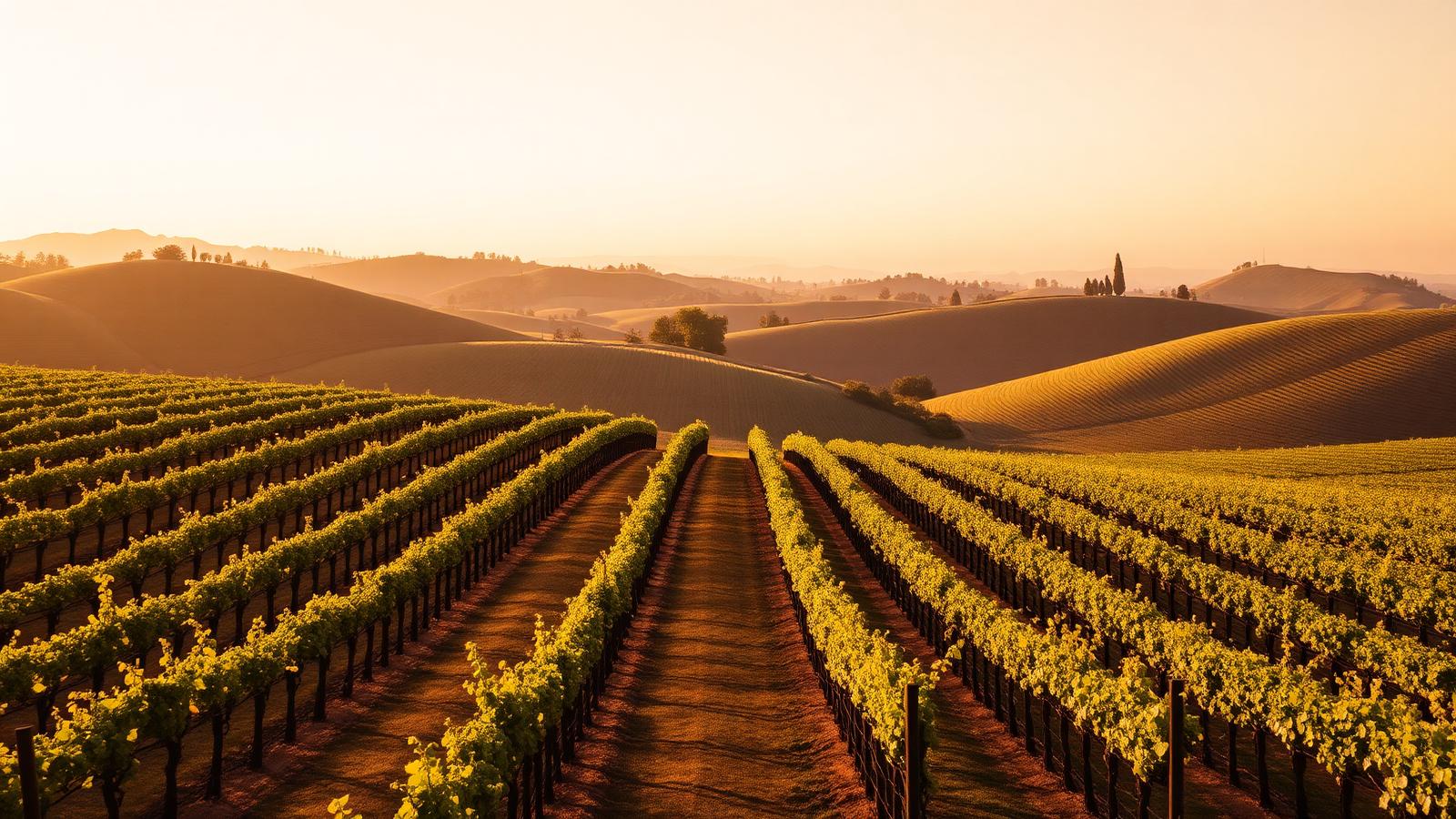
Virginia's diverse geology and climate create a captivating tapestry for viticulture. Its distinct zones, from the coastal plain to the mountainous west, offer a range of microclimates. The Piedmont region, with its red clay soils, is a dominant force, while higher elevations provide cooler pockets. This variation is crucial for the range of grapes cultivated. , with its aromatic complexity and rich texture, has found a true home here, often considered the state's signature white. For reds, excels, producing wines with savory notes, bright acidity, and often a touch of the region's distinctive earthiness. and Norton also shine, contributing depth and character to the local wine scene.
The Virginia Table
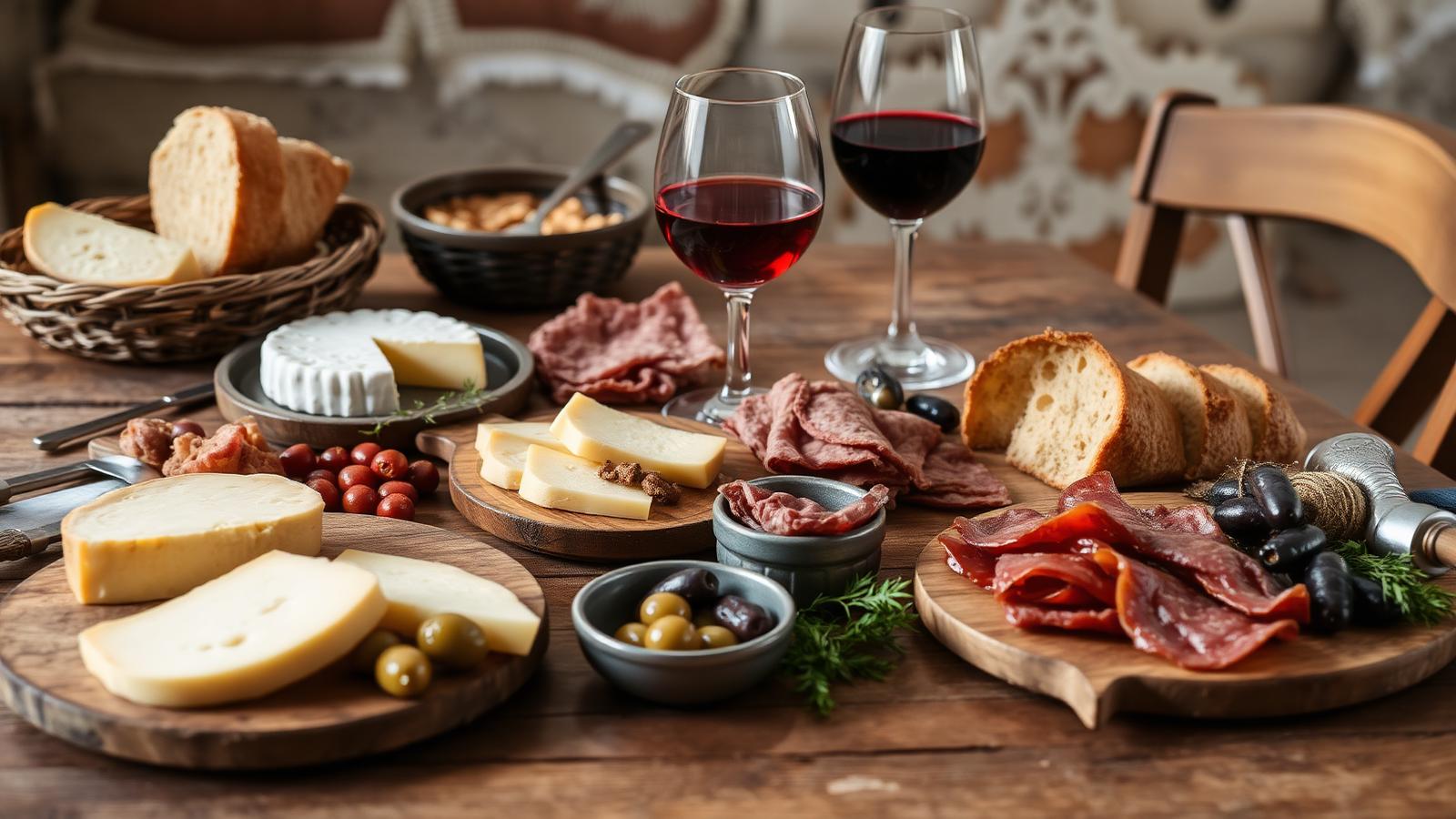
Virginia's culinary landscape is as rich and diverse as its history, offering a perfect complement to its wines. The emphasis here is on fresh, seasonal ingredients, often sourced from local farms and waters. Imagine indulging in Chesapeake Bay oysters, their briny kiss perfectly balanced by a crisp, unoaked white. Or perhaps a plate of slow-cooked, smoky barbecue, finding its match in a robust local red. The countryside offers a bounty of heirloom tomatoes, sweet corn, and crisp apples, inspiring menus that celebrate the bounty of the land. Dinners often unfold slowly, over conversation and laughter, reflecting the region's warm, unhurried pace of life, where good food and good wine are inseparable.
Getting to know Virginia
What Virginia tastes like
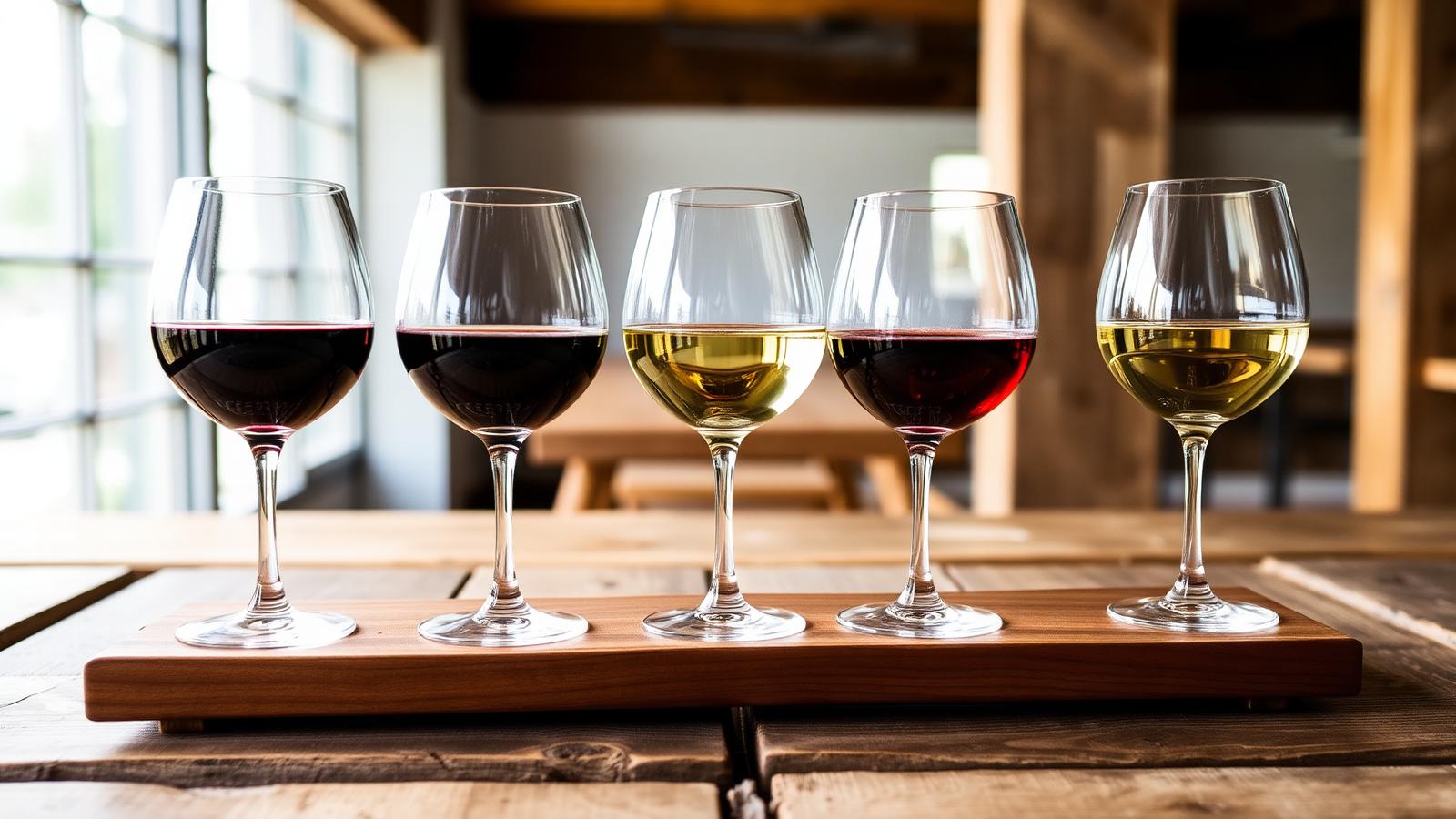
Wines from Virginia tend to reflect the region's climate and terrain more than any single style. Look for a sense of place in the glass — mineral notes from stony soils, freshness where nights are cool, richer texture where the sun lingers longer. A short flight of local wines is the fastest way to feel the range.
Rhythms of the year
Virginia moves with the seasons. Spring is quiet and green, summer brings long light and full terraces, harvest is intense and communal, and winter turns the vineyards into a stark, beautiful sculpture. Every season is a good reason to come — they just make very different trips.
Beyond the tasting room
Some of the most memorable moments in Virginia happen away from the vines: a bakery in the next village over, a viewpoint at sunrise, a slow lunch that turns into a slow afternoon. Leave room in your itinerary for the things you can't plan.
Frequently asked questions
When is the best time to visit Virginia Wine Country?
Virginia offers charm year-round, but spring (April-May) and fall (September-October) are particularly lovely. Spring brings mild temperatures, blooming dogwoods, and nascent buds on the vines, while fall transforms the landscape into a canvas of fiery colors, often coinciding with harvest activities. Summers can be warm and humid, but offer lush green landscapes and vibrant outdoor experiences. Winter provides a quieter, more intimate journey, with cozy tasting rooms and often clearer views of the Blue Ridge Mountains. Consider your preferred weather and activity level when planning your visit.
What kind of transportation should I plan for wine tasting?
Given the often-rural settings of many wine producers, having a car is generally the most practical option for exploring Virginia Wine Country at your own pace. However, to fully enjoy the tasting experience responsibly, consider booking a designated driver service or a regional tour that provides transportation. Many areas also have local shuttle services or rideshare options, especially around popular towns. Biking through certain flatter, scenic routes can be delightful, but may not be ideal for accessing all establishments due to varying distances and terrain. Always prioritize safety and responsible consumption.
Are there dining options available in Virginia Wine Country?
Absolutely! Many wine producers offer on-site food options, ranging from casual food trucks and picnic provisions to more formal restaurants with seasonal menus often featuring local ingredients. Beyond the wine establishments themselves, the charming towns scattered throughout the wine regions boast a variety of eateries. You'll find everything from farm-to-table restaurants celebrating regional produce to cozy cafes and Southern comfort food spots. It's always a good idea to check in advance for hours and reservation recommendations, especially during peak seasons or for specific dining experiences.
Can I visit multiple wine producers in one day?
Yes, visiting multiple wine producers in a single day is a popular way to experience Virginia's diverse offerings. Most wine regions are designed with this in mind, with clusters of establishments relatively close to each other. However, to truly savor each experience without feeling rushed, it's often recommended to plan for three to four stops per day. This allows ample time for tastings, enjoying the surroundings, and perhaps a meal without feeling overwhelmed. Always check hours of operation, as they can vary, especially during weekdays or off-peak seasons, and consider making appointments if you have specific interests or are traveling with a larger group.