

Massachusetts Wineries & Wine Tours
Sub-regions
Coastal Influences
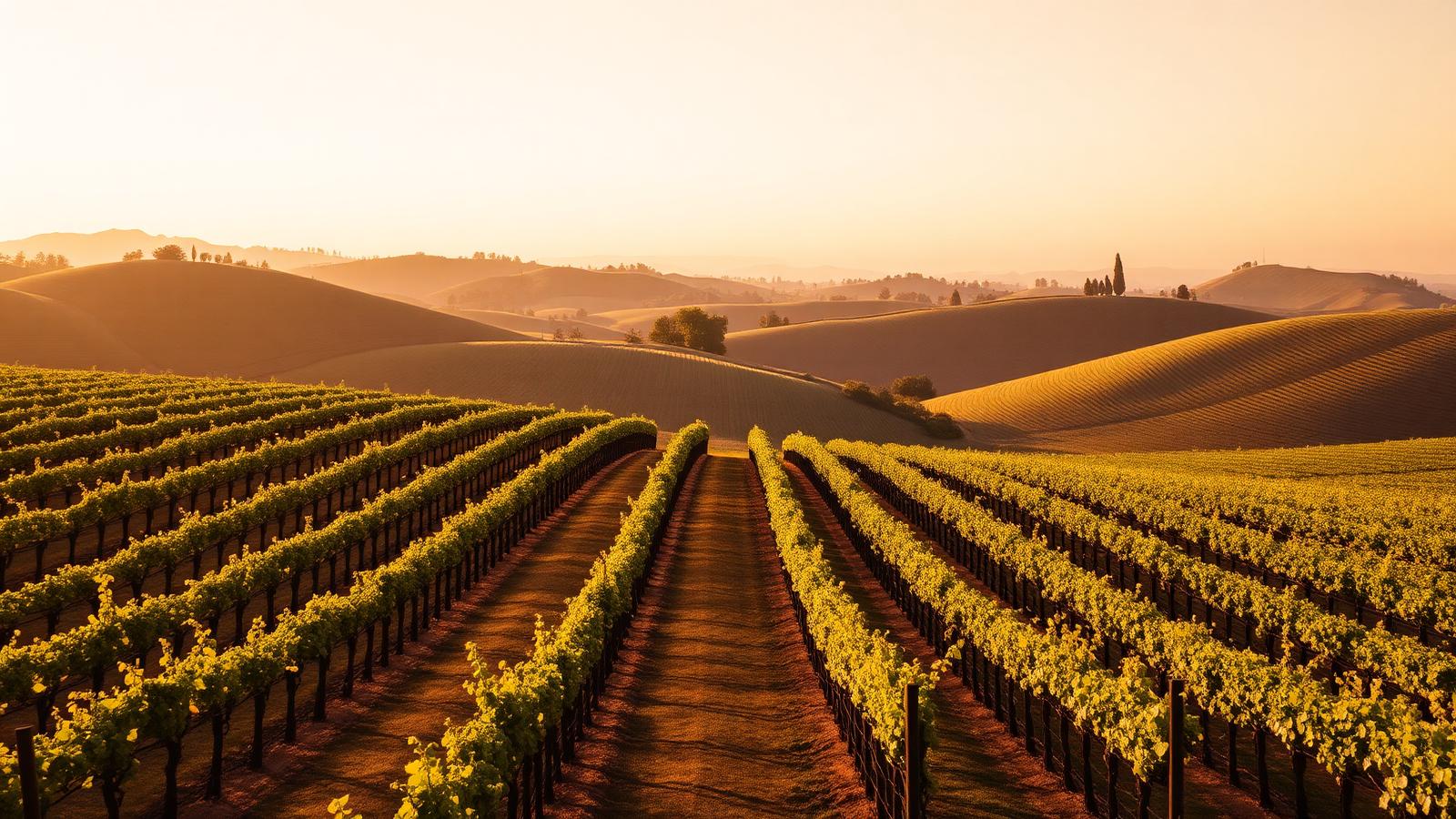
The Atlantic Ocean plays an undeniable role in shaping the character of Massachusetts wines. Cool sea breezes temper summer's heat, extending the growing season and imbuing grapes with a delicate acidity and freshness. This maritime climate, reminiscent of some European coastal regions, contributes to wines with bright, clean profiles, often expressing subtle mineral notes. The unique interaction of land and sea fosters a landscape of gentle slopes giving way to dramatic coastlines, where hardy vines dig deep into glacial soils, producing distinctive expressions that speak of their coastal origins. It's a fresh, invigorating journey from the vine to the glass.
Resilient Grapes, Unique Tastes
In Massachusetts, the choice of grape varietals is a thoughtful expression of adaptation and . While European grapes have found niches in sheltered spots, it is often the hardy, cold-tolerant hybrids and even native varietals that truly flourish. These grapes are celebrated for their vibrant acidity, aromatic complexity, and ability to withstand the region's distinct climate challenges. The resulting wines are often light-bodied, with crisp fruit flavors, often hinting at wildflowers, green apple, or a whisper of cranberry. Discovering these unique expressions is part of the charm, as they offer a taste profile rarely found elsewhere.
Getting to know Massachusetts
What Massachusetts tastes like
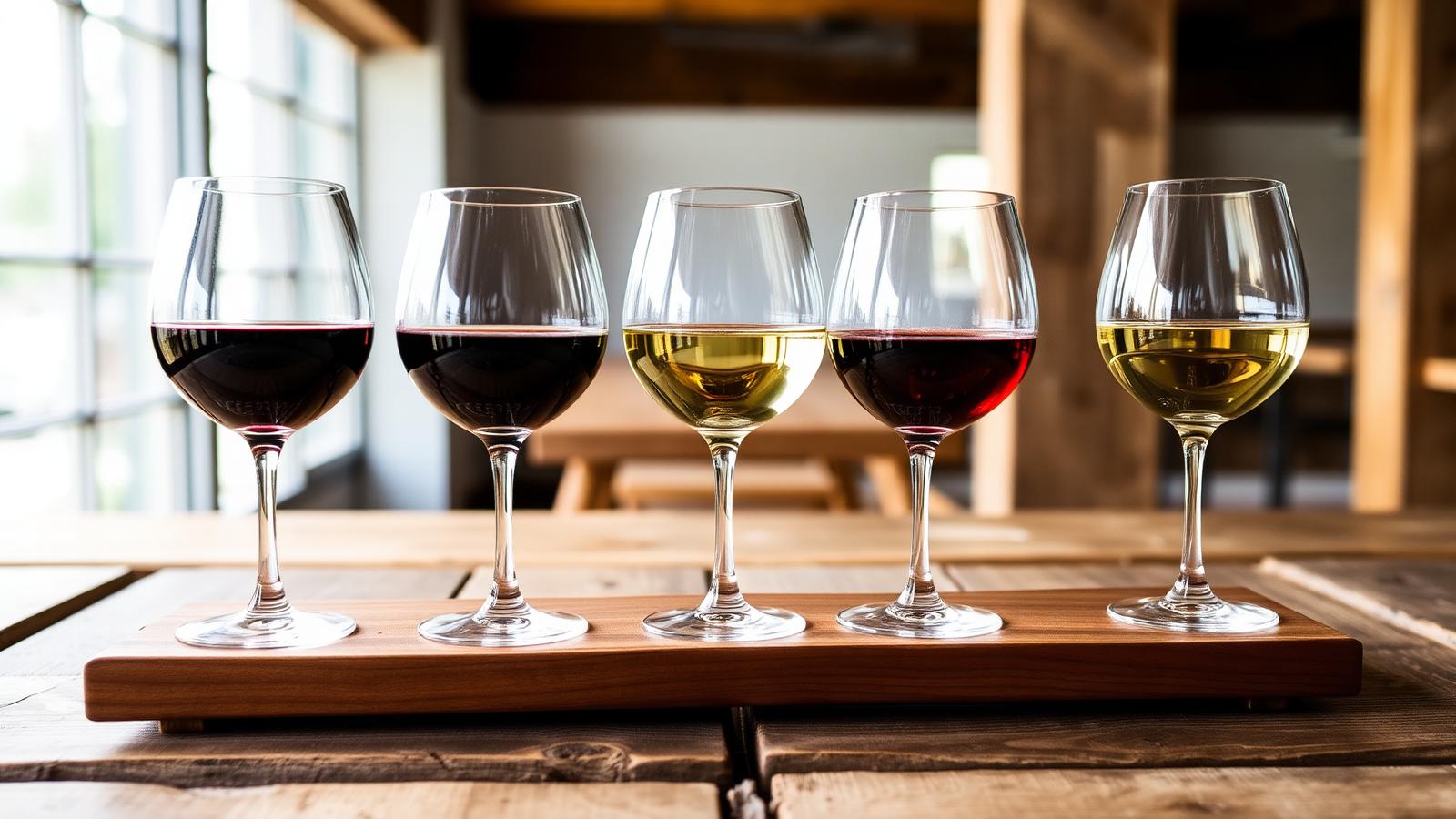
Wines from Massachusetts tend to reflect the region's climate and terrain more than any single style. Look for a sense of place in the glass — mineral notes from stony soils, freshness where nights are cool, richer texture where the sun lingers longer. A short flight of local wines is the fastest way to feel the range.
Rhythms of the year
Massachusetts moves with the seasons. Spring is quiet and green, summer brings long light and full terraces, harvest is intense and communal, and winter turns the vineyards into a stark, beautiful sculpture. Every season is a good reason to come — they just make very different trips.
Beyond the tasting room
Some of the most memorable moments in Massachusetts happen away from the vines: a bakery in the next village over, a viewpoint at sunrise, a slow lunch that turns into a slow afternoon. Leave room in your itinerary for the things you can't plan.
Frequently asked questions
What is the best time of year to visit Massachusetts for a wine touring experience?
The most enchanting time to explore Massachusetts wine country is typically from late spring through fall. May and June reveal vibrant green landscapes and nascent grape clusters, perfect for gentle, unhurried visits. September and October, however, are truly magical, with the famous New England foliage painting the hills in brilliant hues of red and gold, coinciding with the excitement of harvest season. While some venues may have limited hours in winter, the crisp air and serene, snow-dusted vineyards offer a different, more intimate kind of beauty. Checking individual operating hours is always recommended, as they vary seasonally.
Are there specific 'wine trails' or designated regions to follow in Massachusetts?
While Massachusetts doesn't have a single, formally designated 'wine trail' stretching across the entire state in the same way some larger regions do, its wine producers are clustered in several distinct areas, making planning quite intuitive. The southeastern part of the state, including the historical coastline and islands, features a notable concentration of vineyards. The Pioneer Valley in the west also hosts a number of charming establishments. Exploring these regional groupings allows for focused day trips or multi-day itineraries, often combined with visits to historic towns, artisan markets, and scenic drives, creating a rich and varied experience.
What kind of tasting experiences can I expect at Massachusetts wineries?
Tasting experiences in Massachusetts tend to be intimate and personal, reflecting the smaller scale of many producers. You can expect welcoming atmospheres, often with a chance to speak directly with the passionate individuals who tend the vines and craft the wines. Many offer guided tastings of small flights, sometimes accompanied by local cheeses or breads. Some venues also host casual outdoor seating areas overlooking the vineyards, particularly during warmer months. Given the smaller operational nature, advance reservations, especially on weekends or for groups, are often a thoughtful gesture to ensure a smooth and personalized visit.
Beyond wine, what other local artisan goods or activities should I seek out during my visit?
A wine tour in Massachusetts is often beautifully complemented by the state's rich tapestry of local artisan goods and activities. You'll find charming farm stands brimming with fresh produce, artisanal cheeses, and honey. Explore independent boutiques showcasing handcrafted jewelry, pottery, and textiles in quaint village centers. Consider visiting historic sites, lighthouses along the coast, or walking trails through state parks and nature preserves. Craft breweries, cideries, and distilleries also dot the landscape, offering further opportunities to taste the local bounty. The region provides a holistic immersion into New England's culture, history, and natural beauty.