

Other Wine Guide
Wineries in Other
View all 26 wineries →Grapes of Character
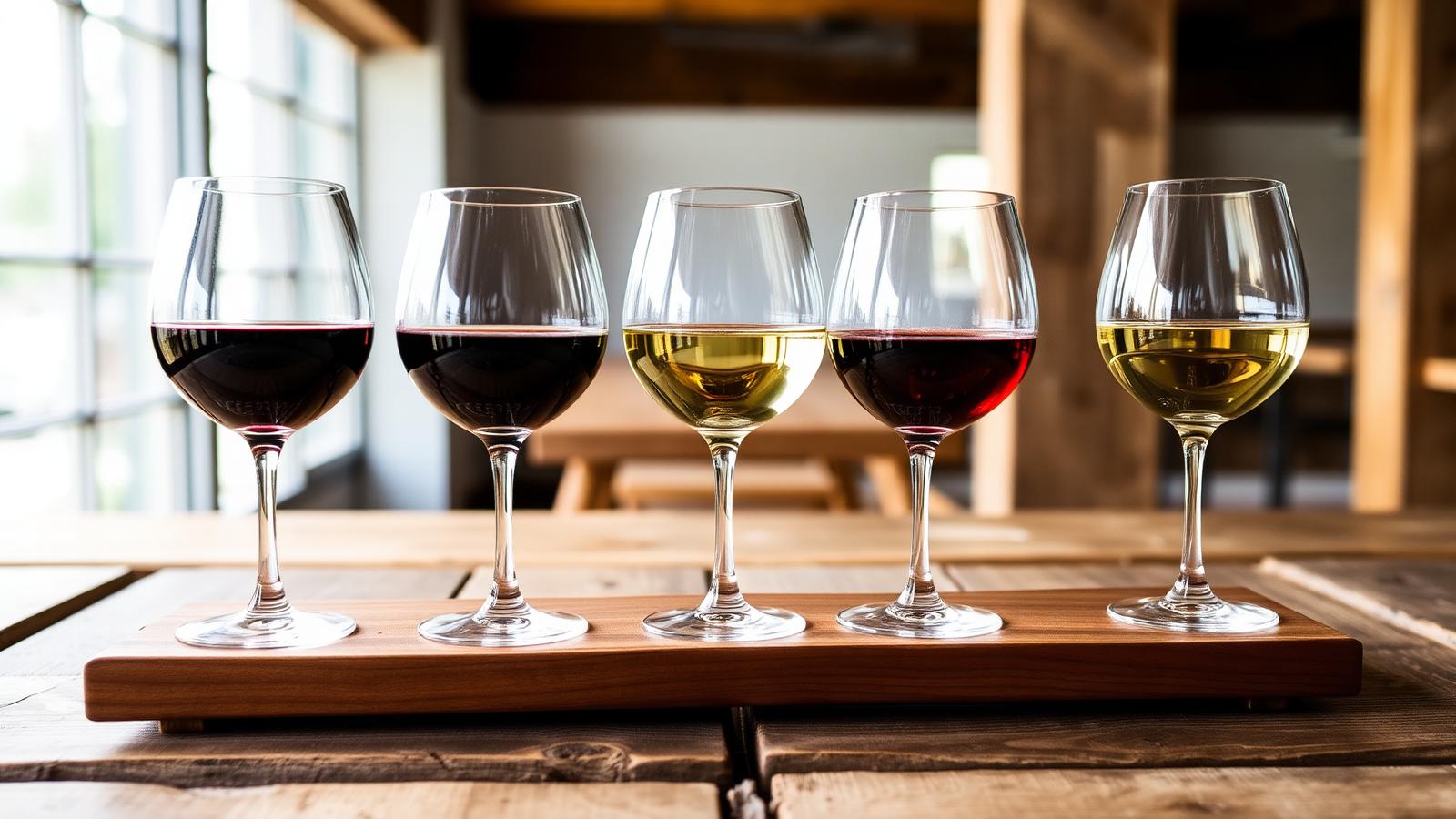
This region is a fascinating laboratory of viticulture, where grape growers experiment with varietals best suited to the unique climate. While you might encounter expressions of familiar grapes, a true delight is discovering the nuances of cold-hardy varieties. These grapes yield wines that are often bright and aromatic, sometimes with an earthy undertone, or a whisper of the sea. Whether light-bodied and refreshing, or more complex and barrel-aged, they are crafted to capture the essence of a place where winemaking is an art of adaptation and heartfelt dedication, producing wines of intimate character.
Terroir and Tenacity
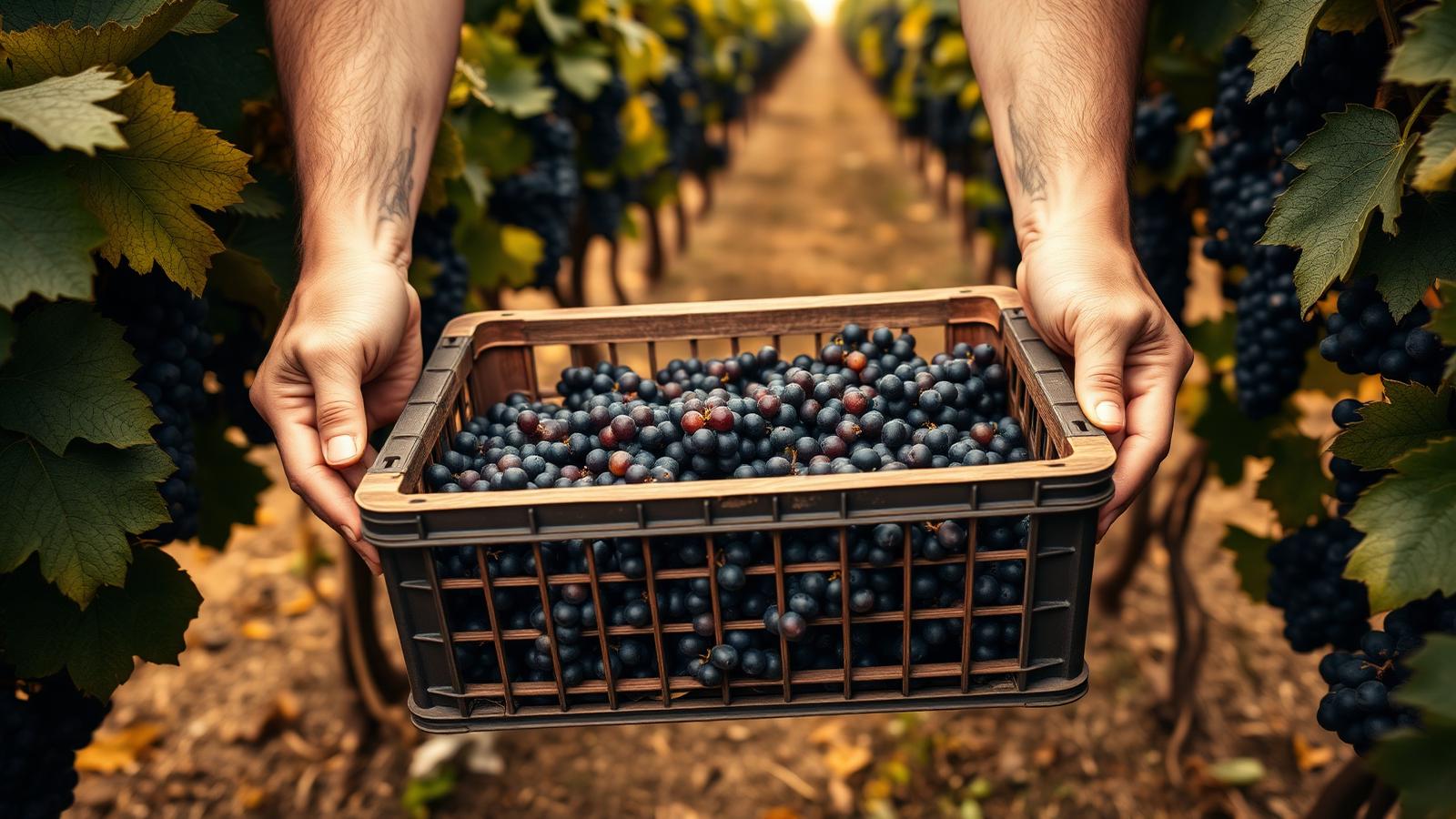
The soils here are a testament to the region's geological past, a complex blend of glacial deposits, stony loam, and pockets of clay, all contributing to wines of distinct minerality. The vineyards often cling to south-facing slopes, catching every available ray of sun, while the cool nights preserve a vital acidity in the grapes. This balance of warmth and cool, a dance between continental and maritime influences, is pivotal. It allows both robust hybrids and certain European varietals to flourish, coaxed into wines that speak of their New England origins – often crisp, vibrant, and reflective of their layered environments.
Savoring the Seasons
Life in these winemaking communities moves in harmony with the seasons. Spring brings the hopeful green of new growth, summer ripens the fruits and vegetables on nearby farms, and autumn bursts into a spectacular display of color as harvest approaches. Local cuisine mirrors this rhythm, featuring farm-to-table ingredients that pair beautifully with the region’s wines. Imagine flaky apple tarts, robust root vegetable stews, fresh seafood from nearby shores, or artisanal cheeses – all reflecting the bounty of Massachusetts and enhancing the quiet pleasure of a shared meal. A slow day unfolds with vineyard visits, leisurely picnics, and evenings spent under the stars.
Planning a visit to Other
Best time to visit Other
Late spring and early autumn are the choices — comfortable weather, generous light, and vineyards at their most photogenic. Summer is warmer and livelier, with long evenings and outdoor tables everywhere. Winter is peaceful, cellars are quiet, and there's a real intimacy to visits without the crowds.
Where to base yourself
The main village or town in Other is usually the easiest base — it puts you in walking distance of restaurants and daily life, with vineyards a short drive away. Staying in the countryside is quieter and more romantic, but you'll rely more on a car or a driver. Both are valid; pick the mood you want your trip to have.
Getting to Other
Most travellers reach Other by combining a flight into the nearest major city with a train, bus, or rental car for the last leg. Once you arrive, distances are usually short — many memorable days here involve less driving than you'd expect.
Making the most of a day in Other
A good day in Other tends to have a shape: a slow morning, a couple of unhurried tasting stops, a proper local lunch, and time in the late afternoon to walk, nap, or take in a view. Try not to over-plan — the best moments usually turn up between the ones you scheduled.
Frequently asked questions
What is the best time of year to visit this region for wine tasting?
The autumn, particularly September and October, is a magical time to visit. The vineyards are alive with the energy of harvest, the foliage is breathtaking, and the weather is typically crisp and inviting. Late spring and summer also offer beautiful experiences, with vines in full leaf and a more relaxed atmosphere before the intensity of harvest. Many tasting rooms operate on reduced hours or by appointment in the colder months, so it’s always wise to check ahead.
Are there dining options and accommodations close to the vineyards?
While this region features less 'wine-country sprawl' than some, you will find delightful local eateries ranging from casual farm stands to charming restaurants emphasizing seasonal, regional ingredients. Accommodations tend to be boutique inns, bed and breakfasts, or vacation rentals in nearby villages. It’s advisable to book dining reservations and lodging in advance, especially during peak seasons, as options can be more limited and highly sought after due to their intimate nature.
What types of wines should I expect to find and taste here?
You’ll discover a diverse array, often featuring varietals specifically chosen for their resilience and quality in a cooler climate. Expect to find refreshing whites with bright acidity, sometimes made from cold-hardy grapes, alongside lighter-bodied reds with subtle fruit and earthy notes. You might also encounter sparkling wines, fruit wines, or even dessert wines. The pleasure lies in exploring the unique expressions of each small producer, as they craft wines that truly reflect their individual sites and winemaking philosophies.
How should I plan my itinerary to make the most of my visit?
Given the more spread-out nature of the region’s vineyards, a good plan involves selecting a cluster of producers in a particular area for any given day. Many smaller operations prefer appointments, so calling ahead is highly recommended. Embrace a slower pace; allow time for scenic drives and unplanned stops at local markets or artisan shops. Consider including a picnic lunch enjoyed amidst the natural beauty, and leave evenings open for savoring local cuisine or simply relaxing with a regional bottle.