

Southeastern New England Wine Guide
Wineries in Southeastern New England
View all 9 wineries →Coastal Influences and Varietals
The proximity to the Atlantic Ocean is the region's defining characteristic, creating a unique microclimate that mitigates extreme temperatures. This maritime influence extends the growing season and protects the vines, allowing a particular suite of grapes to flourish. Varieties like thrive, offering aromatic, crisp whites, while Chambourcin develops into a vibrant red with bright fruit notes. The cool climate also encourages the elegant acidity often found in the region's emerging styles of sparkling wines, reminiscent of cooler European climates. These conditions also allow for the cultivation of certain international varieties, expressing a refreshing minerality and structure unique to these coastal soils.

The Rhythm of the Seasons
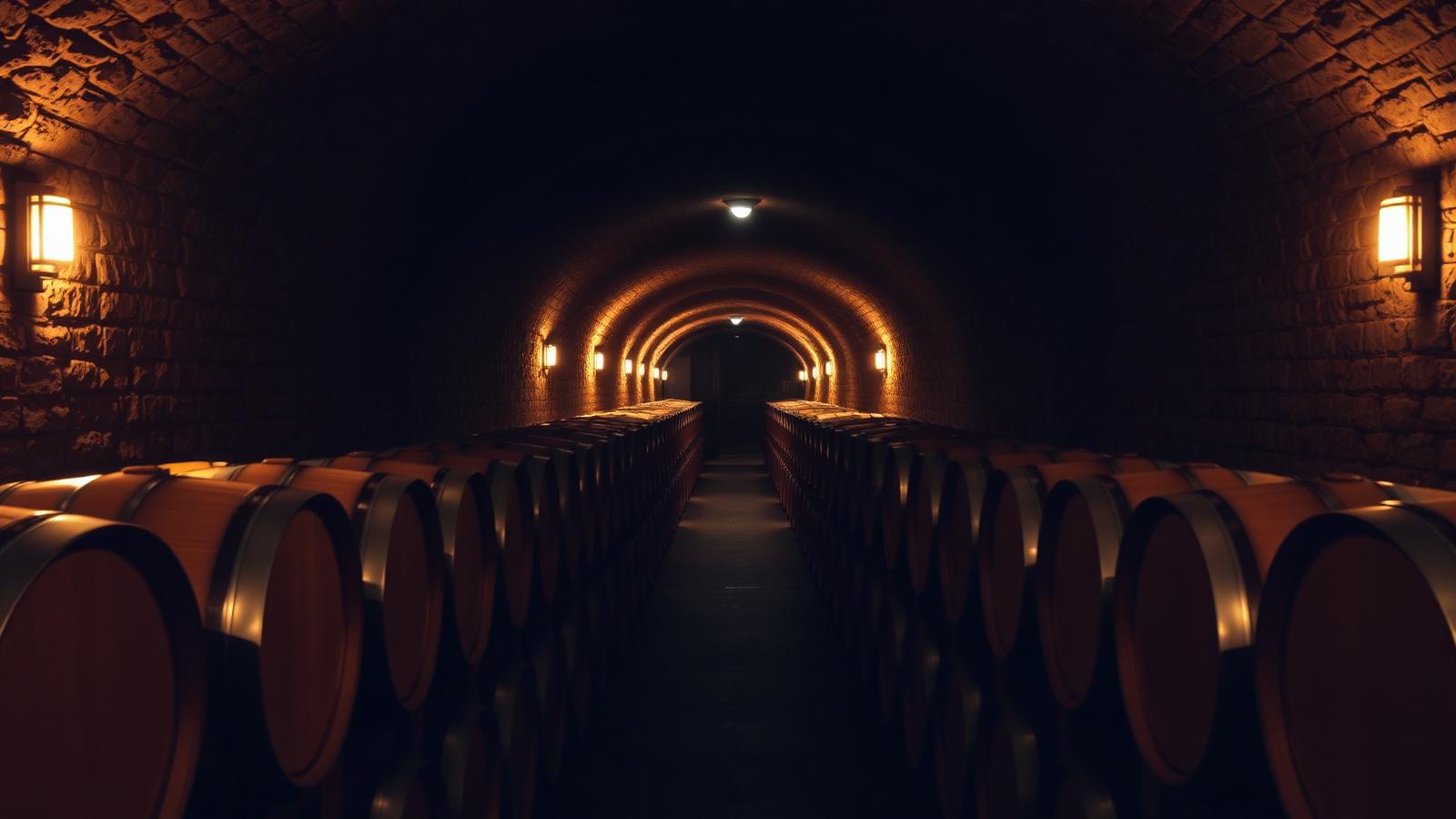
Southeastern New England unfolds through distinct, beautiful seasons, each offering a unique perspective on the viticultural cycle. Spring brings the vibrant greening of the vineyards, a promise of the year ahead. Summer offers verdant landscapes and long, golden evenings perfect for al fresco tastings. As autumn arrives, the foliage ignites in brilliant hues, mirroring the intense industry of harvest, when grapes are carefully hand-picked, laden with the year's character. Even winter holds its allure, with quiet cellar tours and warm firesides, inviting visitors to reflect on the wines developed from the land's seasonal journey.
Village Charm and Culinary Pairings
Journey through quaint villages where heritage homes cluster around town greens, and the pace of life feels wonderfully unhurried. The culinary scene here embraces the bounty of land and sea. Imagine freshly shucked oysters, sweet lobster rolls, and just-picked farm vegetables, all finding their perfect complement in a glass of local wine. The region’s crisp white wines and light-bodied reds are ideal companions for the delicate flavors of New England seafood, while heartier pours pair beautifully with roast duck or artisanal cheeses from nearby farms. Long, leisurely lunches unfold on sun-dappled patios, each dish a celebration of regional flavors.

Planning a visit to Southeastern New England
Best time to visit Southeastern New England
Late spring and early autumn are the choices — comfortable weather, generous light, and vineyards at their most photogenic. Summer is warmer and livelier, with long evenings and outdoor tables everywhere. Winter is peaceful, cellars are quiet, and there's a real intimacy to visits without the crowds.
Where to base yourself
The main village or town in Southeastern New England is usually the easiest base — it puts you in walking distance of restaurants and daily life, with vineyards a short drive away. Staying in the countryside is quieter and more romantic, but you'll rely more on a car or a driver. Both are valid; pick the mood you want your trip to have.
Getting to Southeastern New England
Most travellers reach Southeastern New England by combining a flight into the nearest major city with a train, bus, or rental car for the last leg. Once you arrive, distances are usually short — many memorable days here involve less driving than you'd expect.
Making the most of a day in Southeastern New England
A good day in Southeastern New England tends to have a shape: a slow morning, a couple of unhurried tasting stops, a proper local lunch, and time in the late afternoon to walk, nap, or take in a view. Try not to over-plan — the best moments usually turn up between the ones you scheduled.
Frequently asked questions
What is the best time of year to visit Southeastern New England for a wine tour?
The shoulder seasons, late spring (May-June) and early autumn (September-October), are often ideal for visiting. In spring, the vineyards awaken, and the weather is pleasantly mild for exploring. Autumn brings the spectacle of fall foliage and the excitement of harvest season, offering a vibrant atmosphere and often opportunities to see grape picking. Summer (July-August) is also popular, with warmer, sunnier days perfect for outdoor tastings, though it can be busier with general tourism.
What types of wine should I expect to find in this region?
Southeastern New England's cool climate and maritime influences lend themselves to crisp, aromatic white wines, often with bright acidity and distinct minerality. You'll find varieties like , , and some excellent sparkling wines. For reds, look for lighter-bodied, fruit-driven styles such as those made from Chambourcin or Marquette, which offer charming freshness. The region is continually experimenting, so you might also discover some delightful surprises as local winemakers explore new expressions.
Beyond wine tasting, what other activities can I enjoy in Southeastern New England?
The region offers a wealth of activities to complement your wine experience. Explore charming coastal towns with their historic architecture and artisan shops. Enjoy fresh seafood at local eateries, or visit farmers' markets for local produce and crafts. Scenic drives along the coastline or through rolling countryside are highly recommended. There are also opportunities for gentle hikes, kayaking, or simply relaxing by the water, immersing yourself in the tranquil New England atmosphere.
How should I plan my itinerary for visiting wineries in Southeastern New England?
Given the intimate scale of the wineries, it's advisable to plan your visits in advance, especially on weekends. Consider grouping wineries by geographical area to minimize travel time. Many establishments operate on specific hours or by appointment. A leisurely pace is recommended; allow ample time to enjoy tastings, perhaps a light lunch, and to appreciate the scenic surroundings. Mapping out a route and checking individual winery websites for current hours and special events will enhance your experience.