

Nebraska Wineries & Wine Tours
Sub-regions
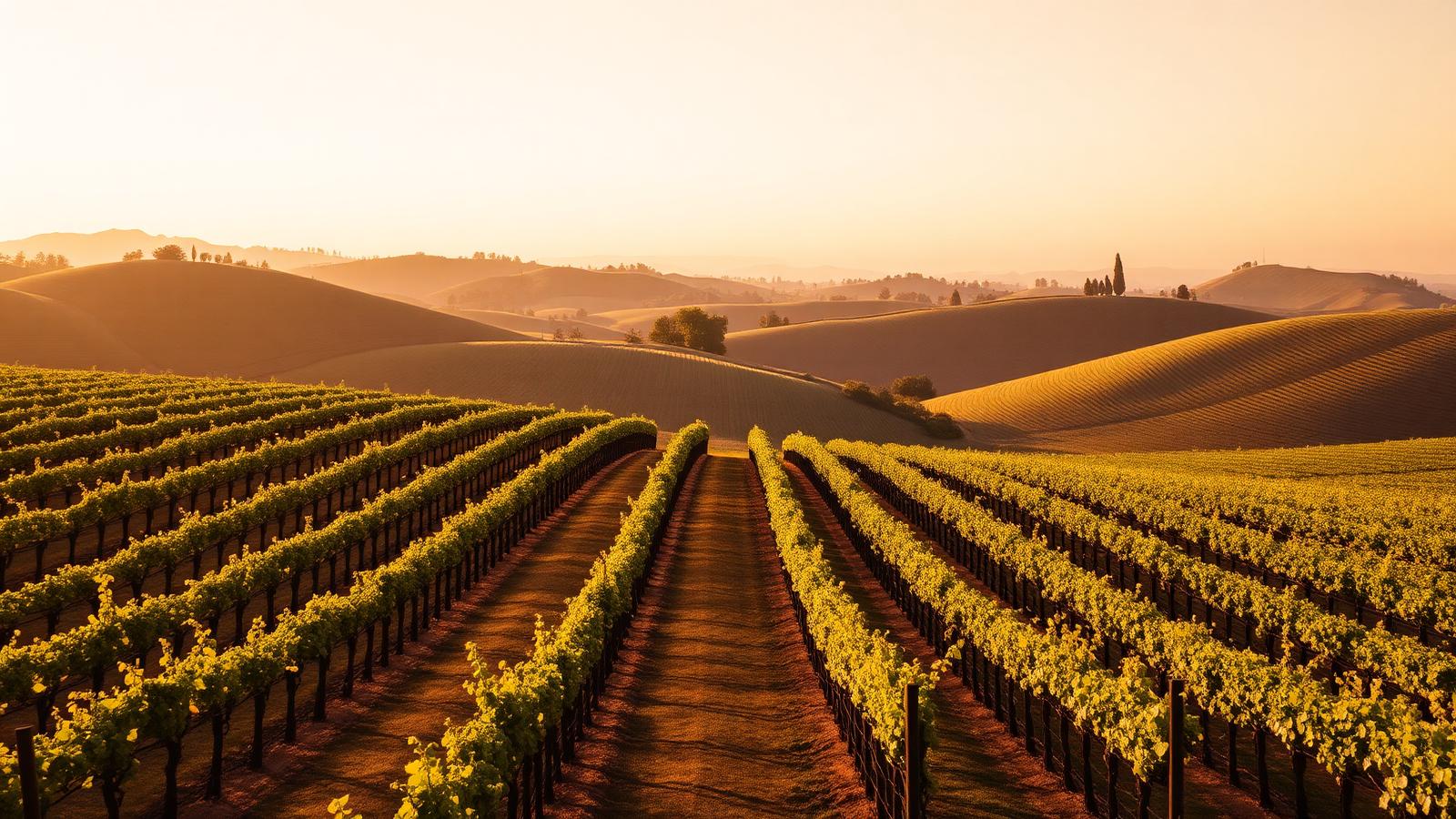
The Pace of the Plains
Life in Nebraska’s wine country moves at a measured, unhurried pace, inviting visitors to shed the rush of daily life. Days unfold gently, whether spent exploring a quiet tasting room, strolling through sun-dappled rows of vines, or simply savoring a leisurely meal. There's a genuine warmth in every interaction, a reflection of the community's hospitality. The landscape itself encourages contemplation—vast horizons, dramatic sunsets, and the quiet rustle of wind through the fields. It’s an environment that encourages connection, both with the land and with the people who tend to it, fostering a deep appreciation for the craft of winemaking.
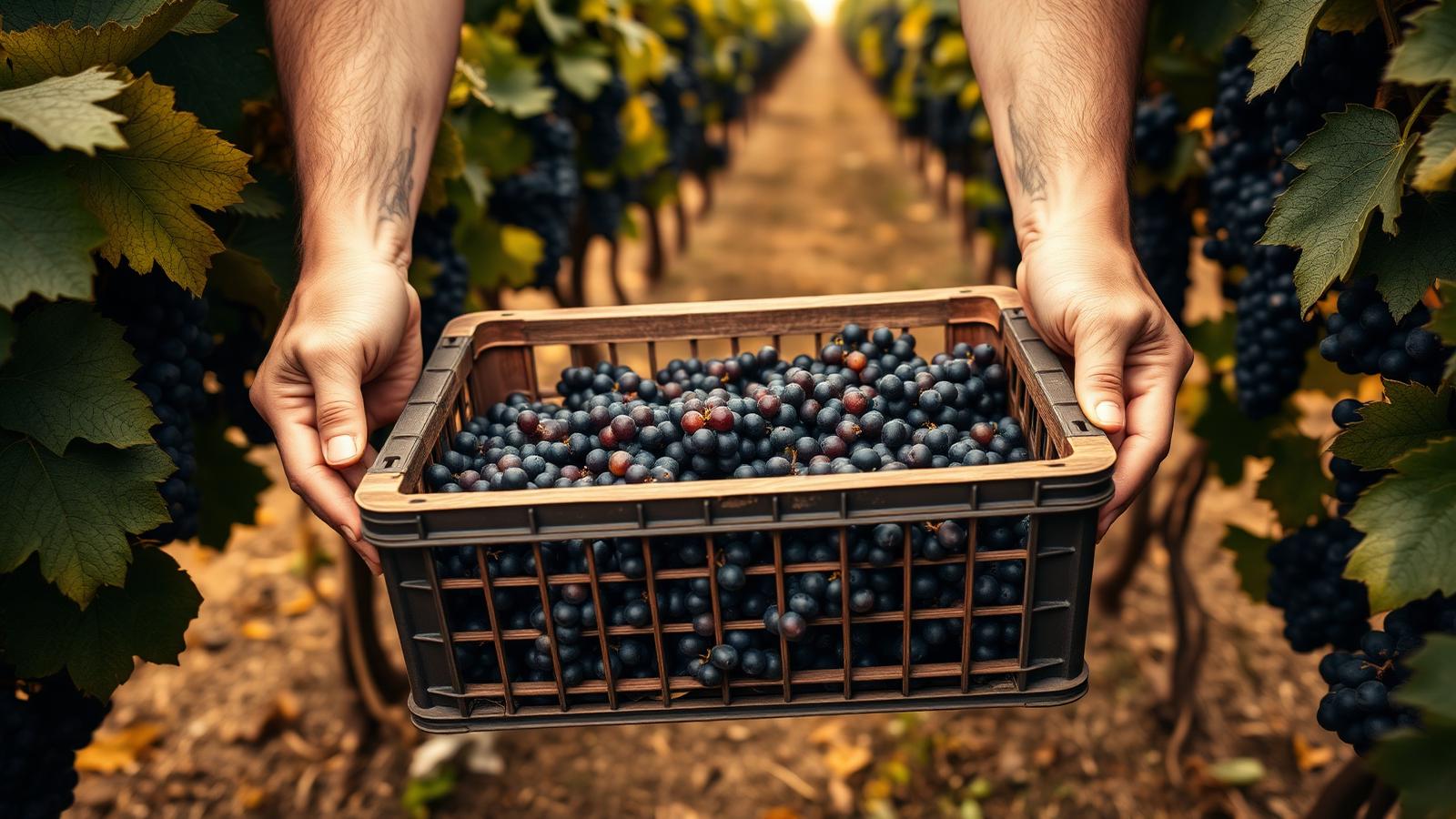
Prairie Vineyard Terroir
Beneath Nebraska's vast skies, the diverse soils – from glacial deposits to loess – provide a distinctive foundation for the vines. The continental climate, marked by warm, sunny days and cool evenings, particularly during the growing season, fosters a balance of sugar and acidity crucial for quality winemaking. Hardy, cold-tolerant grapes are chosen to withstand the challenging winters, showcasing the ingenuity of local growers. This harmonious interplay of soil, climate, and results in wines that are both robust and expressive, embodying the spirit of the prairie landscape. Each glass tells a story of adaptation and triumph, reflecting the unique journey from root to finished wine.
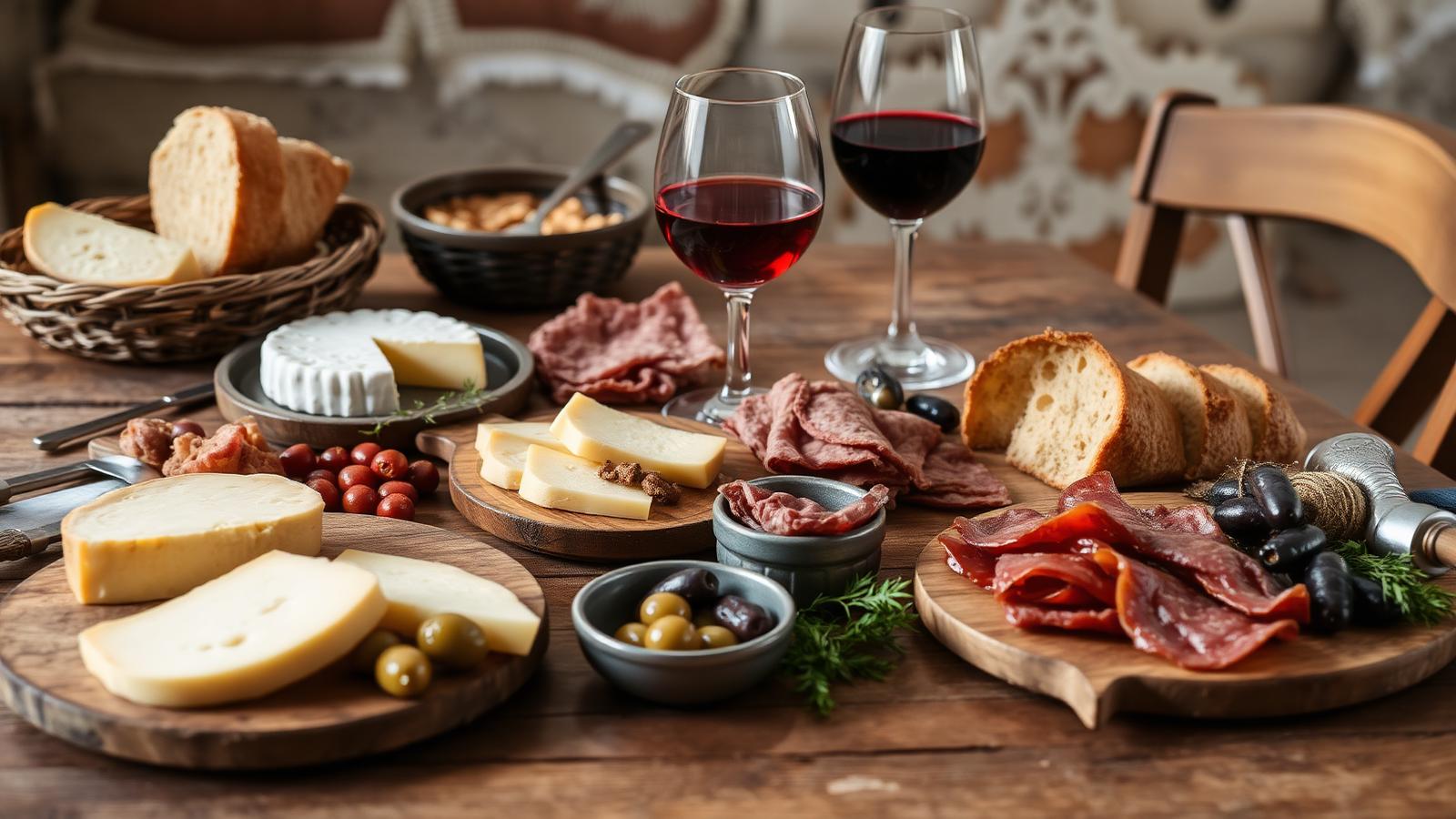
Midwestern Culinary Pairings
Nebraska's culinary scene, while grounded in its agricultural heritage, offers delightful pairings for its evolving wine styles. Think of crisp whites alongside fresh, pan-fried walleye from local lakes, or a nuanced red complementing slow-roasted beef from the state’s renowned ranches. The rich, earthy flavors of harvest vegetables and game meats find a natural partner in the fruit-forward reds and structured blends. Even simpler pleasures like artisanal cheeses and charcuterie, often sourced from nearby farms, elevate the experience. Dining here is about honest, wholesome ingredients, prepared with care, creating an authentic taste of the land that harmonizes beautifully with local vintages.
Getting to know Nebraska
What Nebraska tastes like
Wines from Nebraska tend to reflect the region's climate and terrain more than any single style. Look for a sense of place in the glass — mineral notes from stony soils, freshness where nights are cool, richer texture where the sun lingers longer. A short flight of local wines is the fastest way to feel the range.
Rhythms of the year
Nebraska moves with the seasons. Spring is quiet and green, summer brings long light and full terraces, harvest is intense and communal, and winter turns the vineyards into a stark, beautiful sculpture. Every season is a good reason to come — they just make very different trips.
Beyond the tasting room
Some of the most memorable moments in Nebraska happen away from the vines: a bakery in the next village over, a viewpoint at sunrise, a slow lunch that turns into a slow afternoon. Leave room in your itinerary for the things you can't plan.
Frequently asked questions
What are the best times of year to visit Nebraska wine country?
The most enchanting times to experience Nebraska's wine regions are late spring through early autumn. May and June offer vibrant green landscapes and pleasant temperatures, perfect for exploring. Late summer, from August into September, brings the excitement of harvest season, with many wine producers hosting special events and cellar tours. Fall, particularly October, showcases stunning foliage as the leaves change, creating a picturesque backdrop for . Even the crisp days of early winter can offer a unique charm, with cozy indoor tasting experiences, though some operations might have reduced hours.
Which indigenous or cold-hardy grape varietals are prominent in Nebraska?
Nebraska's winemakers have mastered the art of working with cold-hardy grape varietals, which thrive in the region's climate. You'll frequently encounter fascinating grapes like Edelweiss, with its aromatic notes and often used for crisp white wines, or La Crosse, known for producing refreshing, fruit-forward whites. For reds, look for Marquette, a cousin to that offers cherry and spice notes, and Frontenac, which yields robust, dark-fruited wines. These varietals are a testament to the innovation and resilience of the state's viticulture, offering truly distinctive flavors not often found elsewhere.
Will I need to make reservations for tastings at local wine estates?
While many smaller, family-run wine producers in Nebraska welcome walk-ins, especially on weekdays, it's always a thoughtful idea to check ahead. For weekend visits, or if you are traveling with a larger group, making a reservation is highly recommended. This ensures you'll have a spot, and it allows the hosts to prepare for your arrival, potentially offering a more personalized experience. Some estates might also offer special tours or in-depth tastings that require pre-booking, so a quick call or website visit before your trip can enhance your wine country exploration.
Beyond wine tasting, what other local experiences can I enjoy to complement my visit?
To truly immerse yourself in Nebraska's charm, consider exploring the small towns that dot the wine regions, often featuring historic main streets, local art galleries, and quaint antique shops. The state boasts beautiful state parks and natural areas, perfect for hiking or birdwatching, allowing you to appreciate the vast prairie landscapes. Many areas also feature farmers' markets during growing season, offering a taste of local produce and artisanal goods. Additionally, keep an eye out for community festivals, live music events, and farm-to-table dining experiences that showcase the bounty of the land.