

Minnesota Wineries & Wine Tours
Sub-regions
From Lake Shores to Prairie
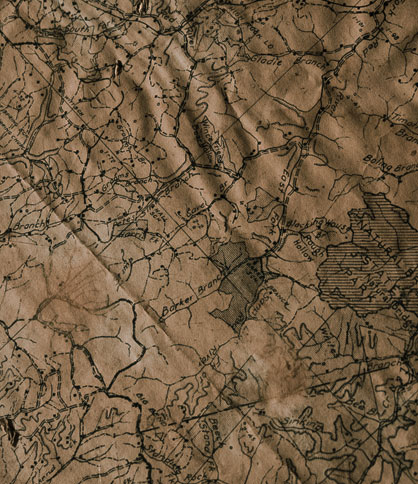
Minnesota's diverse landscape provides a captivating backdrop for its emerging wine regions. From the rolling hillsides sculpted by ancient glaciers, offering varied elevations and sun exposures, to the fertile plains punctuated by thousands of lakes, the topography influences grape cultivation. The glacial soils, often a mix of loam, sand, and clay, impart a minerality and freshness to the wines. The proximity to vast bodies of water can temper extreme temperatures, extending the growing season in certain pockets. This interaction between land and climate fosters a nuanced , visible in the character of each vintage produced across the varied microclimates.
Cold-Hardy Grapes
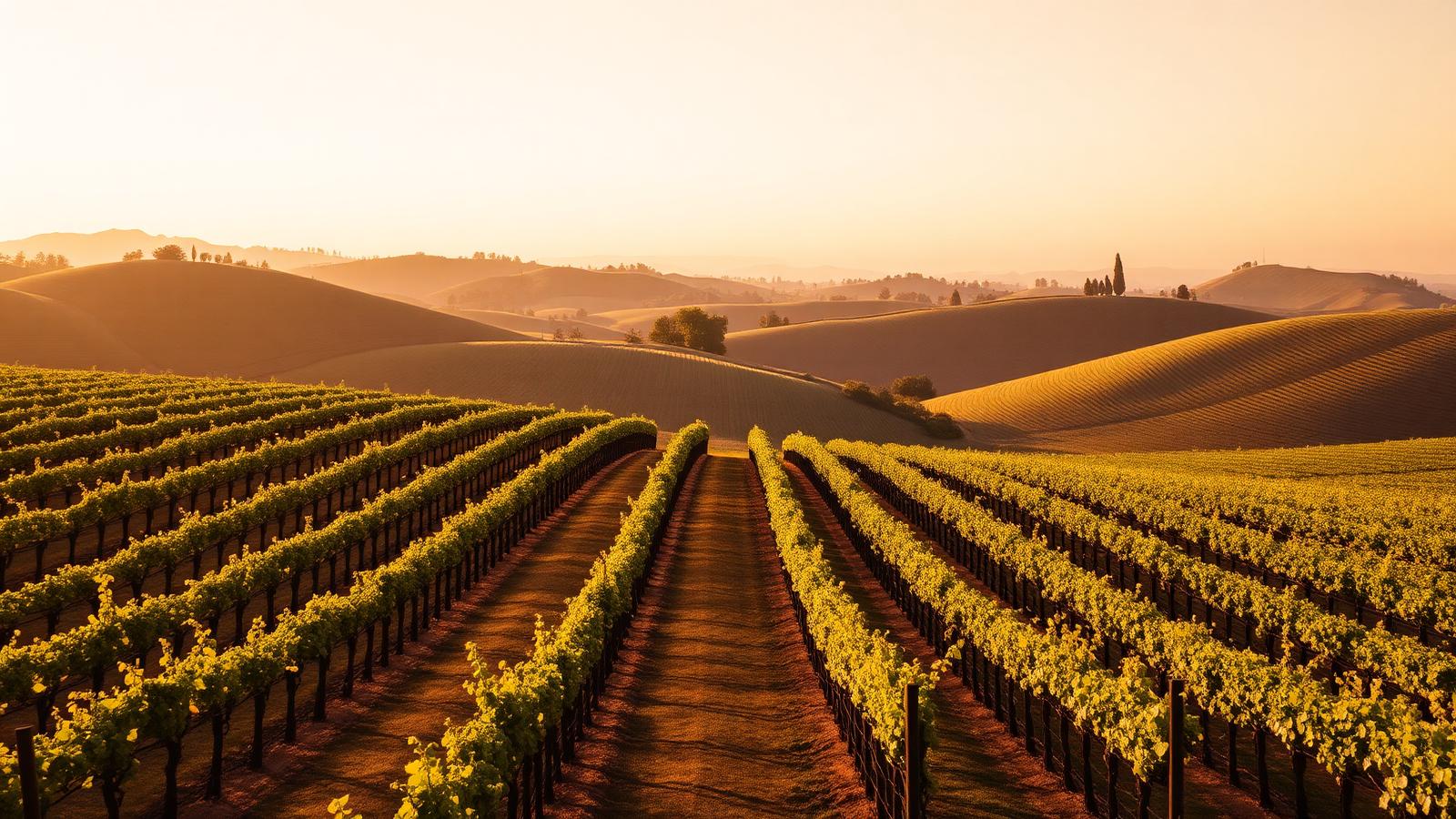
The winemaking narrative here is intrinsically linked to the pioneering development of cold-hardy grape varieties. These resilient vines, such as Frontenac, Marquette, and La Crescent, were meticulously bred to withstand the harsh Midwestern winters, often plunging far below freezing. Rather than bending to convention, these grapes have carved out their own distinct profile, yielding wines that are intensely aromatic, with vibrant acidity and expressions of red berries, stone fruit, and sometimes subtle herbaceous notes. They are a testament to human ingenuity and nature’s adaptability, producing distinctive reds, crisp whites, and surprisingly delicate dessert wines that truly reflect their unique parentage.
Farm-to-Table Flavors
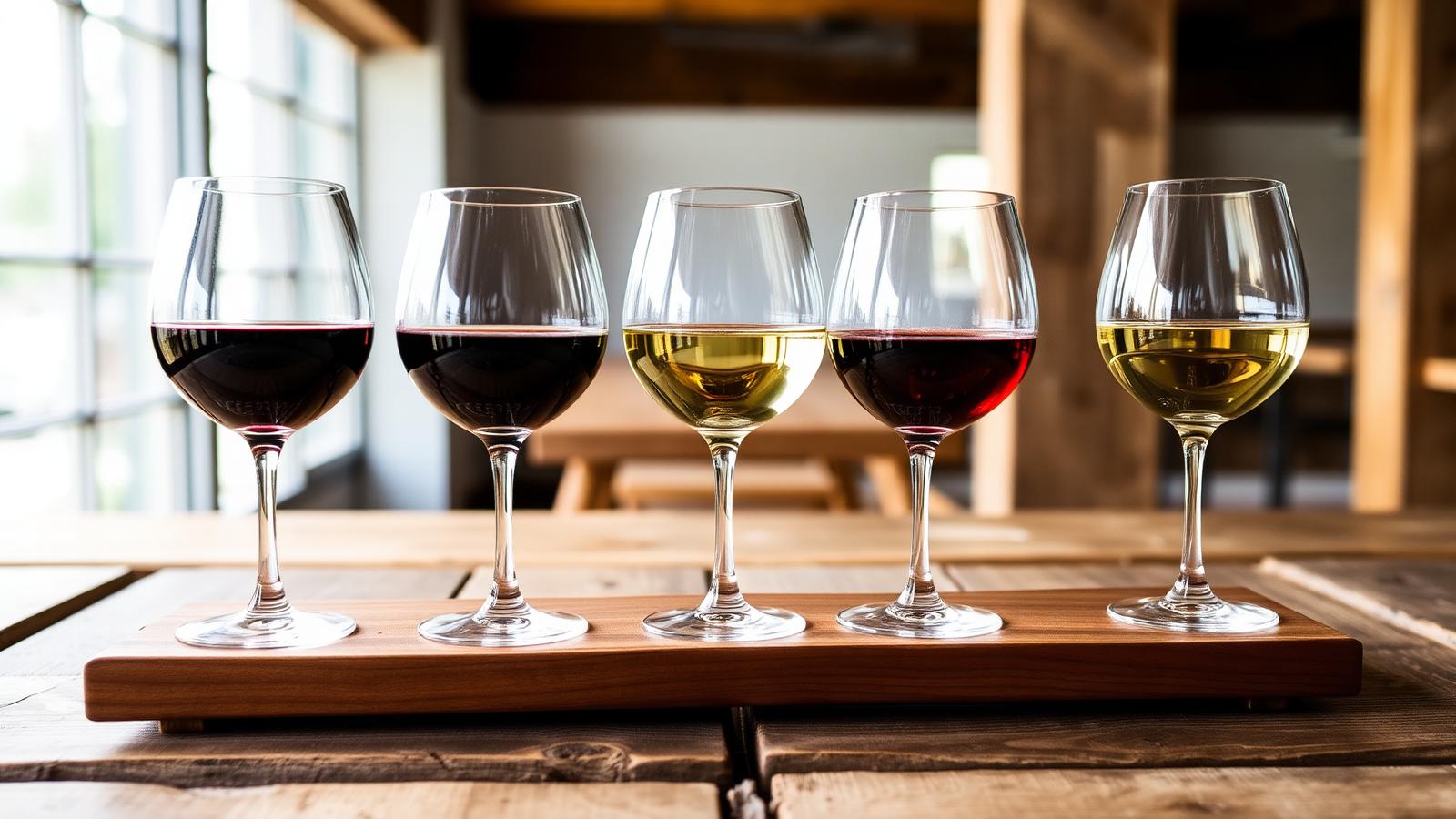
The winemaking culture here is deeply interwoven with Minnesota's rich agrarian heritage and a burgeoning farm-to-table culinary scene. The region’s wines beautifully complement the local flavors: robust reds alongside slow-roasted game or hearty stews, and crisp whites pairing with freshwater fish or vibrant seasonal vegetables. Gatherings often feature long, leisurely meals, celebrating the bounty of the land and the changing seasons. The pace of life encourages unhurried enjoyment, inviting guests to savor each sip and bite, reflecting the genuine warmth and community spirit of the North Star State.
Getting to know Minnesota
What Minnesota tastes like
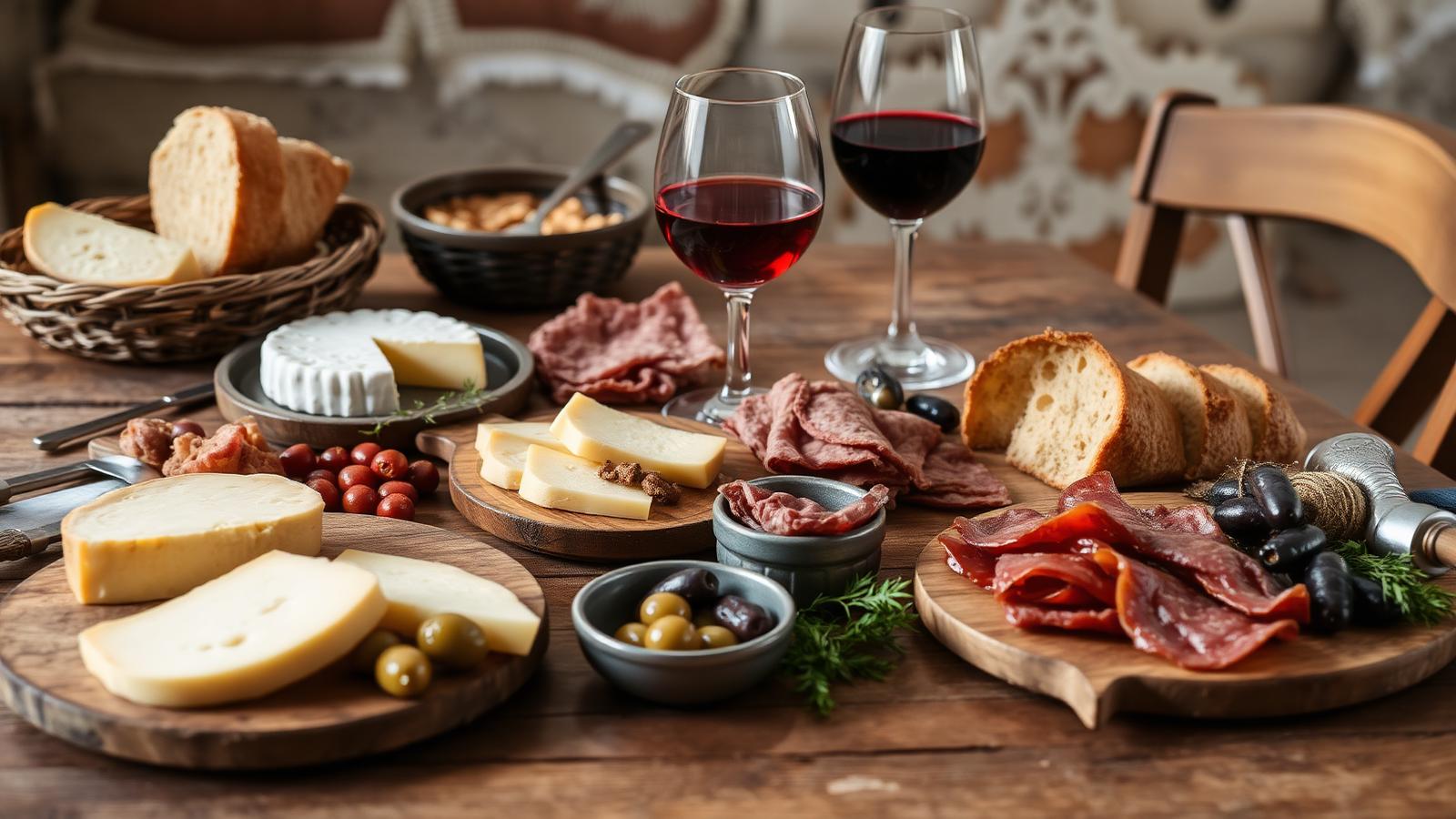
Wines from Minnesota tend to reflect the region's climate and terrain more than any single style. Look for a sense of place in the glass — mineral notes from stony soils, freshness where nights are cool, richer texture where the sun lingers longer. A short flight of local wines is the fastest way to feel the range.
Rhythms of the year
Minnesota moves with the seasons. Spring is quiet and green, summer brings long light and full terraces, harvest is intense and communal, and winter turns the vineyards into a stark, beautiful sculpture. Every season is a good reason to come — they just make very different trips.
Beyond the tasting room
Some of the most memorable moments in Minnesota happen away from the vines: a bakery in the next village over, a viewpoint at sunrise, a slow lunch that turns into a slow afternoon. Leave room in your itinerary for the things you can't plan.
Frequently asked questions
When is the best time of year to visit Minnesota's wine country?
The most delightful times to explore Minnesota's wine country are late spring through early autumn. Late May and June offer lush greenery and pleasant temperatures for outdoor enjoyment. The peak summer months of July and August are vibrant, perfect for patio visits and enjoying the long daylight hours. For spectacular scenery, visit in September or early October, when the leaves ignite in vivid autumn colors and many harvest festivals are underway. Winter can offer a unique, cozy experience, though some venues may have reduced hours, so checking ahead is always wise.
What kind of local cuisine should I pair with Minnesota wines?
Minnesota's wines pair wonderfully with the region's hearty and fresh local cuisine. For the crisp white wines made from La Crescent or Frontenac Gris, consider pairing them with freshly caught walleye or pan-fried lake trout, or even a light summer salad with local berries. The red wines, often from Frontenac or Marquette grapes, stand up well to wild rice dishes, bison burgers, slow-cooked pot roasts, or even venison. Don't forget to try an apple and cranberry crumble with a sweet dessert wine – it's a true taste of the local harvest.
Are most of the wineries concentrated in one area, or are they spread out?
Minnesota's burgeoning wine scene is somewhat dispersed, offering delightful pockets of wineries across the state rather than a single concentrated valley. You'll find clusters of vineyards in the southeastern bluff country, reminiscent of driftless areas, as well as along river valleys and near the metropolitan areas where local access is easier. Planning your trip with a focus on a specific region, like the Cannon River Valley or areas east of the Twin Cities, will allow for a more focused and relaxing experience. Mapping your route between locations is recommended.
What can I expect in terms of a typical tasting experience?
A typical tasting experience in Minnesota's wine country is generally relaxed and intimate. Many places are family-owned and operated, offering a personal touch. You can expect to sample a range of cold-hardy varietals, often guided by knowledgeable staff eager to share the story of their unique grapes. Tastings might occur in cozy barns, modern tasting rooms, or even on outdoor patios with scenic views. It’s common to find light snacks available, and some locations offer tours of their vineyards or production facilities, especially during warmer months. Expect genuine hospitality and an authentic, unpretentious atmosphere.