

Upper Mississippi River Valley Wine Guide
Wineries in Upper Mississippi River Valley
View all 9 wineries →The River's Embrace
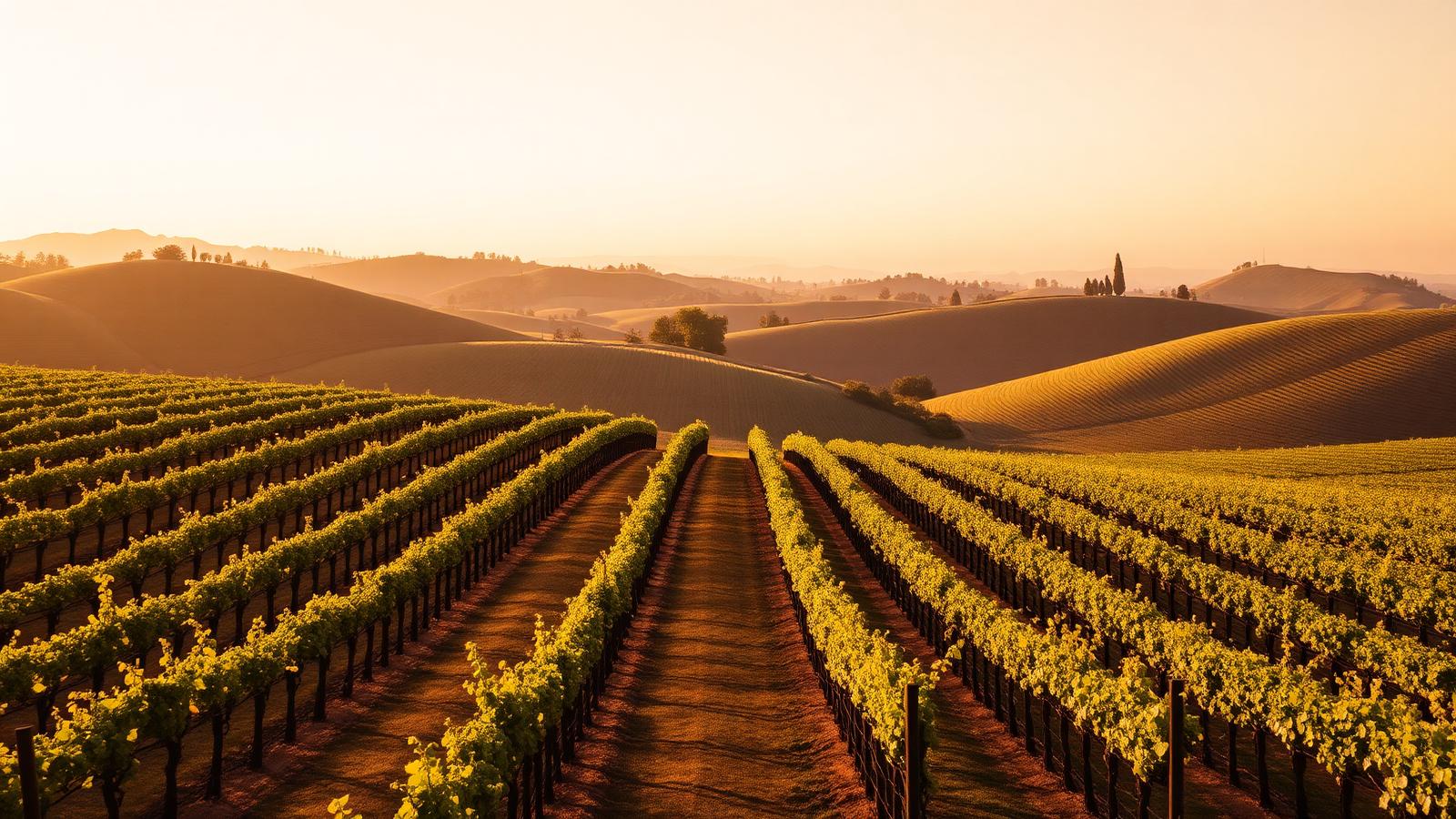
The Mississippi River, a silent, ancient artist, has sculpted this landscape, leaving behind a tapestry of bluffs, valleys, and fertile plains. This dramatic terrain is more than scenic; it's the genesis of the region's unique growing conditions. The bluffs provide crucial air drainage, protecting vines from late frosts and allowing them to ripen evenly under the intense summer sun. Soils vary from rich loams to deposits of glacial till, contributing minerality and structure to the wine grapes. This interplay of river, elevation, and soil creates a singular environment where cold-hardy varietals thrive, whispering tales of the land in every sip. It's a place where nature's grandeur directly influences the character of the glass.
Hardy Grapes, Distinctive Wines
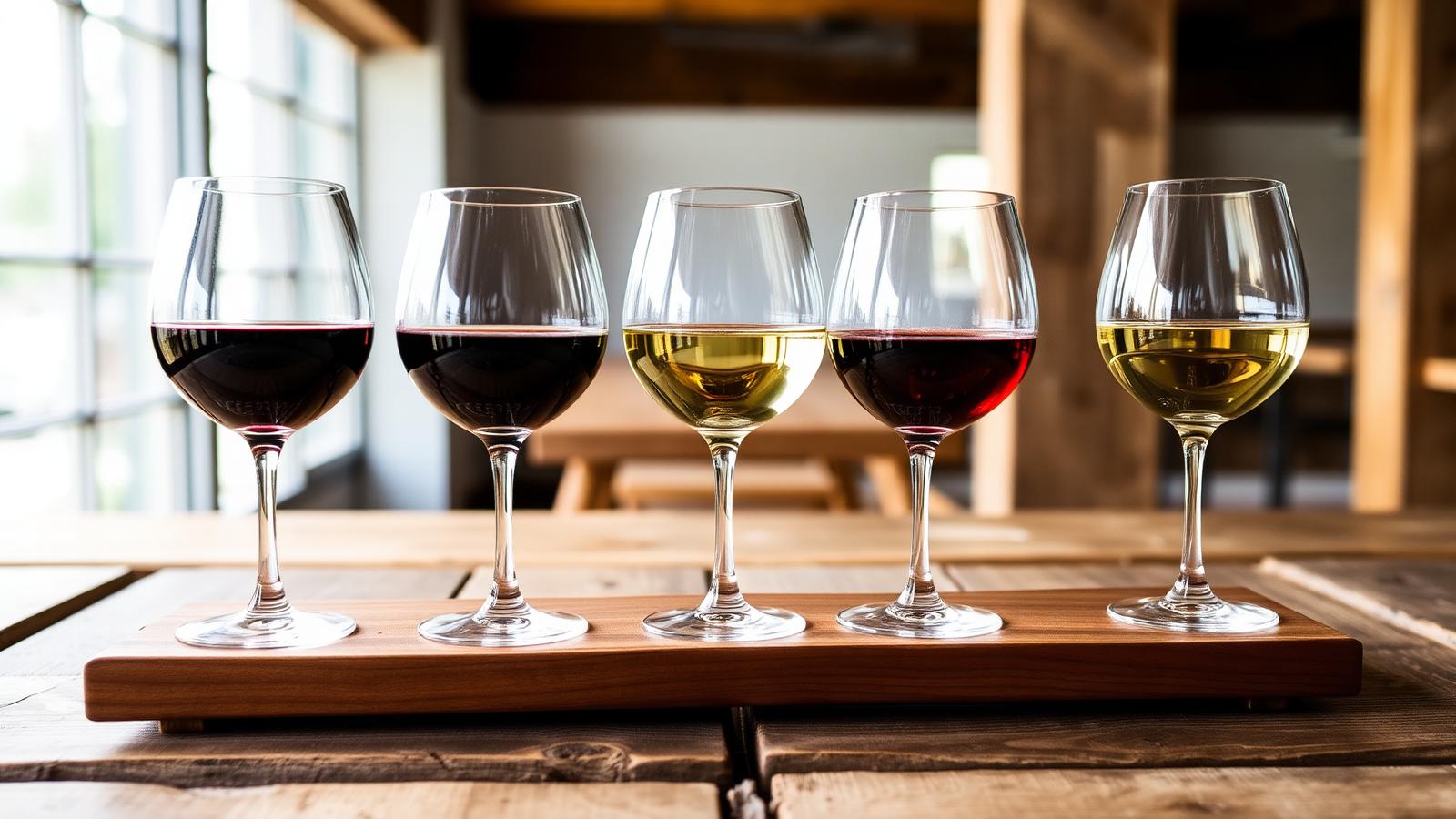
Innovation is at the heart of winemaking here, driven by varietals specifically developed to flourish in a more challenging climate. Grapes like Marquette and Frontenac Gris, with their remarkable cold hardiness, yield wines with vibrant acidity and intriguing aromatics. Marquette can produce reds with notes of cherry, plum, and sometimes a hint of spice, offering a surprising depth. Frontenac Gris often expresses bright citrus and stone fruit, leading to crisp, refreshing whites, or even delicate rosé styles. These wines are a testament to human ingenuity and nature’s resilience, proving that exceptional wines can emerge from unexpected places, offering a fresh perspective on what a northern wine region can achieve.
Planning a visit to Upper Mississippi River Valley
Best time to visit Upper Mississippi River Valley
Late spring and early autumn are the choices — comfortable weather, generous light, and vineyards at their most photogenic. Summer is warmer and livelier, with long evenings and outdoor tables everywhere. Winter is peaceful, cellars are quiet, and there's a real intimacy to visits without the crowds.
Where to base yourself
The main village or town in Upper Mississippi River Valley is usually the easiest base — it puts you in walking distance of restaurants and daily life, with vineyards a short drive away. Staying in the countryside is quieter and more romantic, but you'll rely more on a car or a driver. Both are valid; pick the mood you want your trip to have.
Getting to Upper Mississippi River Valley
Most travellers reach Upper Mississippi River Valley by combining a flight into the nearest major city with a train, bus, or rental car for the last leg. Once you arrive, distances are usually short — many memorable days here involve less driving than you'd expect.
Making the most of a day in Upper Mississippi River Valley
A good day in Upper Mississippi River Valley tends to have a shape: a slow morning, a couple of unhurried tasting stops, a proper local lunch, and time in the late afternoon to walk, nap, or take in a view. Try not to over-plan — the best moments usually turn up between the ones you scheduled.
Frequently asked questions
What is the best time of year to visit the Upper Mississippi River Valley for wine touring?
The most enchanting time to visit for wine touring is typically late spring through early autumn, roughly May to October. During spring, the vineyards burst with new life, and the bluffs are a vibrant green. Summer offers warm, sunny days perfect for outdoor enjoyment and vineyard walks. However, the true spectacle arrives in autumn, specifically September and October, when the foliage transforms into a breathtaking tapestry of reds, golds, and oranges, and the anticipation of harvest fills the air. Wineries are often abuzz with activity, offering a deeper insight into the winemaking process during this period.
What are the common wine styles to anticipate in the Upper Mississippi River Valley?
Expect to encounter a delightful array of wines crafted from cold-hardy grape varietals. For reds, look for Marquette, which often produces lively, fruit-forward wines with notes of cherry or currant, sometimes with subtle spice. Frontenac is another robust red, known for its bolder character. For whites, Frontenac Gris yields bright, crisp wines with citrus and floral notes, while La Crescent can offer aromatic, off-dry styles. You might also find refreshing rosés and, occasionally, sparkling wines. The emphasis here is on freshness, fruit, and expressive acidity, reflecting the region's unique climate and pioneering spirit.
Are there dining options available in the vineyard areas, or should I plan to bring my own food?
While some larger vineyards or designated tasting rooms might offer light fare, cheese boards, or even a small cafe, many of the establishments in this developing wine region are smaller, family-run operations. It's always a good idea to check with individual venues beforehand. Planning to pack a picnic with local artisanal cheeses, cured meats, and freshly baked bread is a wonderful way to enjoy the scenic beauty between tastings. Alternatively, charming local restaurants can be found in the smaller towns dotting the river valley, offering regional cuisine that complements the local wines beautifully.
What kind of terrain and transportation should I expect when visiting vineyards in this region?
The Upper Mississippi River Valley is characterized by rolling hills, steep river bluffs, and picturesque rural roads. Given the spread-out nature of the vineyards and the varied terrain, a personal vehicle is highly recommended for exploring the region. Roads are generally well-maintained, but some routes connecting smaller towns and vineyards might be winding or less trafficked. While a leisurely pace is encouraged, be prepared for driving between destinations. The journey itself, through charming villages and alongside scenic overlooks, is an integral part of the experience, offering glimpses into the heart of this tranquil wine country.