

West Virginia Wineries & Wine Tours
Sub-regions
A Taste of Appalachian Charm
Beyond the glass, West Virginia’s wine experience is steeped in the warmth of Appalachian culture and its rich culinary traditions. Farmers' markets burst with seasonal produce, from tart mountain apples to succulent berries, inspiring kitchens that value fresh, hearty ingredients. Imagine savoring a crisp alongside pan-seared trout from a local stream, or a robust red paired with slow-cooked pork shoulder and cornbread. The pace of life here encourages lingered meals and genuine conversation, often accompanied by live folk music that echoes the state’s deep roots in storytelling and artistry. It’s a holistic sensory journey that nourishes both body and soul.
Mountain Terroir, Unique Vines
West Virginia’s dramatic topography, a grand canvas of rolling hills and craggy peaks, shapes its viticulture profoundly. Vineyards cling to sunny slopes, benefiting from excellent drainage and air circulation that mitigate humidity and frost risk. The soils, often a mix of shale, sandstone, and limestone, impart a distinct mineral signature to the grapes. Cooler climate varietals flourish here, particularly those akin to European hybrids and certain vinifera, yielding wines of crisp acidity and vibrant fruit. Each elevation gain and valley turn offers a subtle microclimate, inviting experimentation and resulting in a fascinating diversity of styles, from light and bright whites to earthy, textured reds.
Seasons of the Vine
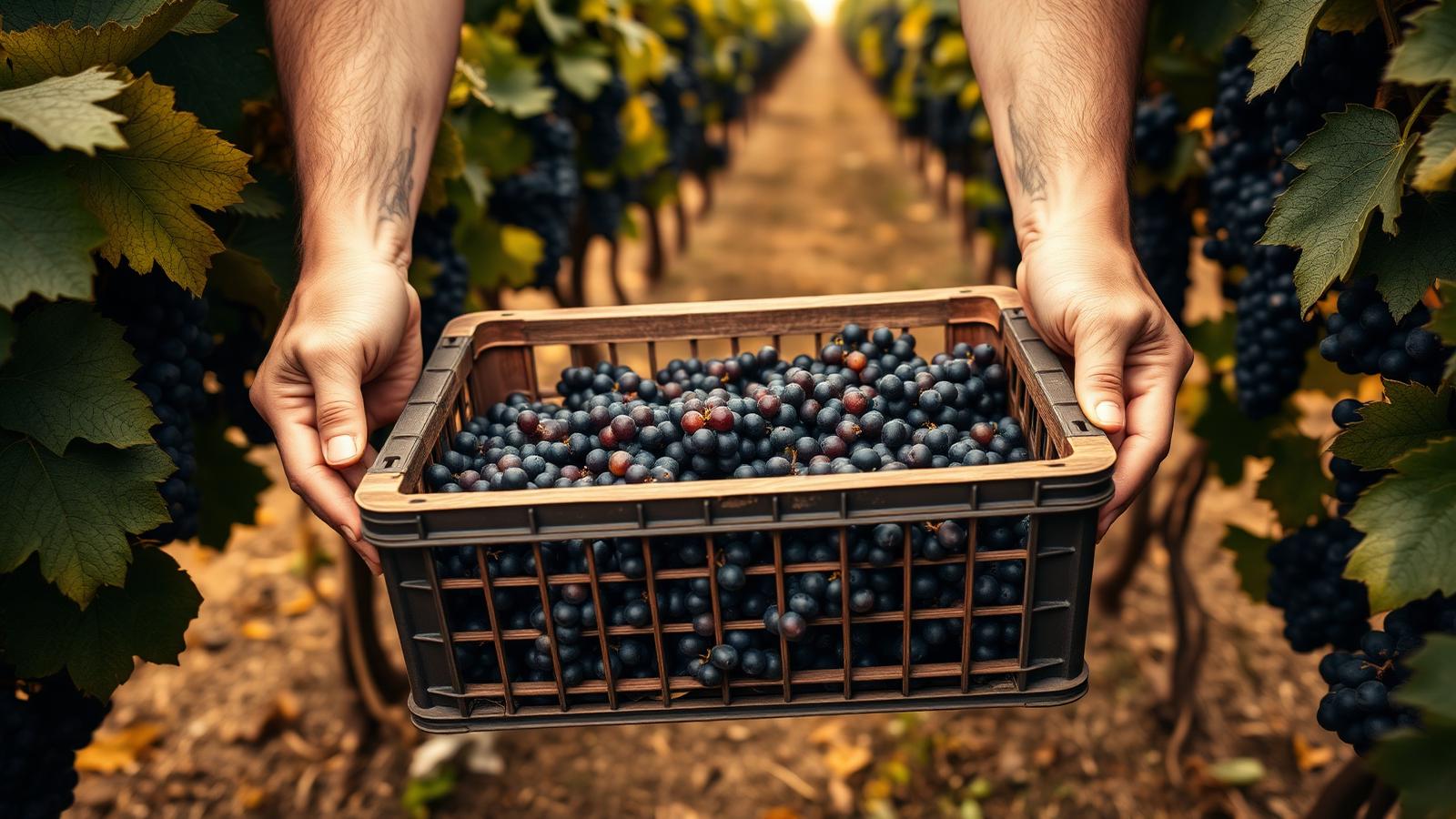
The Mountain State experiences four distinct seasons, each painting the vineyards in a new light and influencing the wine’s journey from bud to bottle. Spring brings a vibrant green awakening, followed by the lush growth of summer under a warm sun. Autumn transforms the landscape into a blaze of crimson and gold, coinciding with the joyous rhythm of harvest, when patient hands gather the fruit of the year's labor. Even winter, with its quiet blanket of snow, has a role, allowing the vines a period of rest before the cycle begins anew. This seasonal dance imparts a freshness and vitality to the wines, mirroring the natural beauty surrounding them.
Getting to know West Virginia
What West Virginia tastes like
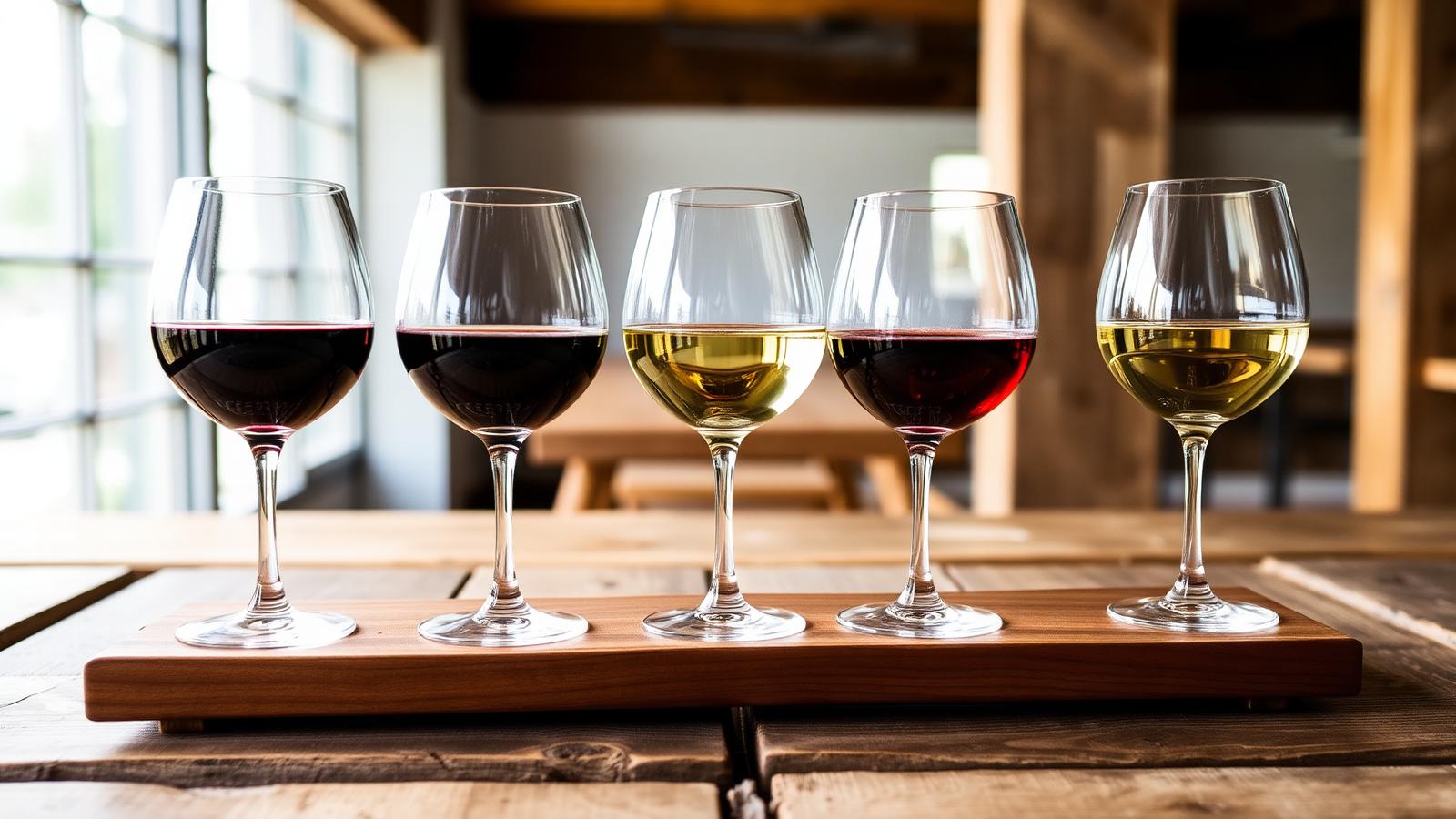
Wines from West Virginia tend to reflect the region's climate and terrain more than any single style. Look for a sense of place in the glass — mineral notes from stony soils, freshness where nights are cool, richer texture where the sun lingers longer. A short flight of local wines is the fastest way to feel the range.
Rhythms of the year
West Virginia moves with the seasons. Spring is quiet and green, summer brings long light and full terraces, harvest is intense and communal, and winter turns the vineyards into a stark, beautiful sculpture. Every season is a good reason to come — they just make very different trips.
Beyond the tasting room
Some of the most memorable moments in West Virginia happen away from the vines: a bakery in the next village over, a viewpoint at sunrise, a slow lunch that turns into a slow afternoon. Leave room in your itinerary for the things you can't plan.
Frequently asked questions
When is the best time of year to visit West Virginia for a wine trip?
The most delightful times to explore West Virginia's wine country are late spring through early autumn. In spring, the vineyards burst into vibrant green, and the air is fresh and mild. Summer offers long, warm days perfect for leisurely tastings and exploring local towns. However, many find autumn to be the most enchanting, with the state's famous fall foliage painting the mountains in spectacular hues, often coinciding with harvest activities. Winter offers a quieter, more intimate experience, with the chance to cozy up by a fire after a tasting, though some smaller establishments might have reduced hours.
What kind of wine styles should I expect to find in West Virginia?
West Virginia's cooler climate and varied terrain lend themselves to a fascinating array of wine styles. You'll often discover bright, crisp white wines with lively acidity, made from varietals like , , and . For reds, look for fruit-forward and earthy expressions from Chambourcin, Concord, and Marquette, which adapt well to the mountain environment. While less common, some winemakers are also experimenting with traditional vinifera like and in select, well-suited microclimates. Expect a focus on approachable, food-friendly wines that reflect the local and a pioneering spirit.
Are most of West Virginia's wine regions concentrated in one area, or are they spread out?
West Virginia's winemaking landscape is somewhat dispersed, reflecting the state's rugged and diverse geography rather than one concentrated 'wine region' in the traditional sense. You'll find vineyards and tasting rooms nestled in various pockets across the state, from the eastern panhandle to the central highlands. This means that a wine trip often involves scenic drives through beautiful mountain vistas and charming small towns, offering a broader appreciation of the state's natural beauty. Planning your route in advance to link several proximate establishments will help maximize your tasting opportunities.
What other activities can I combine with a wine visit in West Virginia?
West Virginia offers a wealth of complementary activities for wine travelers. The state is renowned for its outdoor adventures, including hiking in national forests, whitewater rafting on the New River, and scenic drives through picturesque byways. History buffs will appreciate exploring charming historic towns, battlefields, and coal mining heritage sites. You can also discover local artistry, attend folk music festivals, or simply relax at a cozy cabin amidst the natural beauty. Pairing your wine tastings with farm-to-table dining experiences featuring local Appalachian cuisine will further enrich your journey.