

Illinois Wineries & Wine Tours
Sub-regions
The River's Embrace
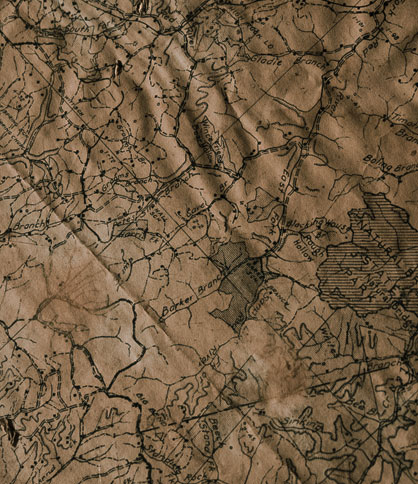
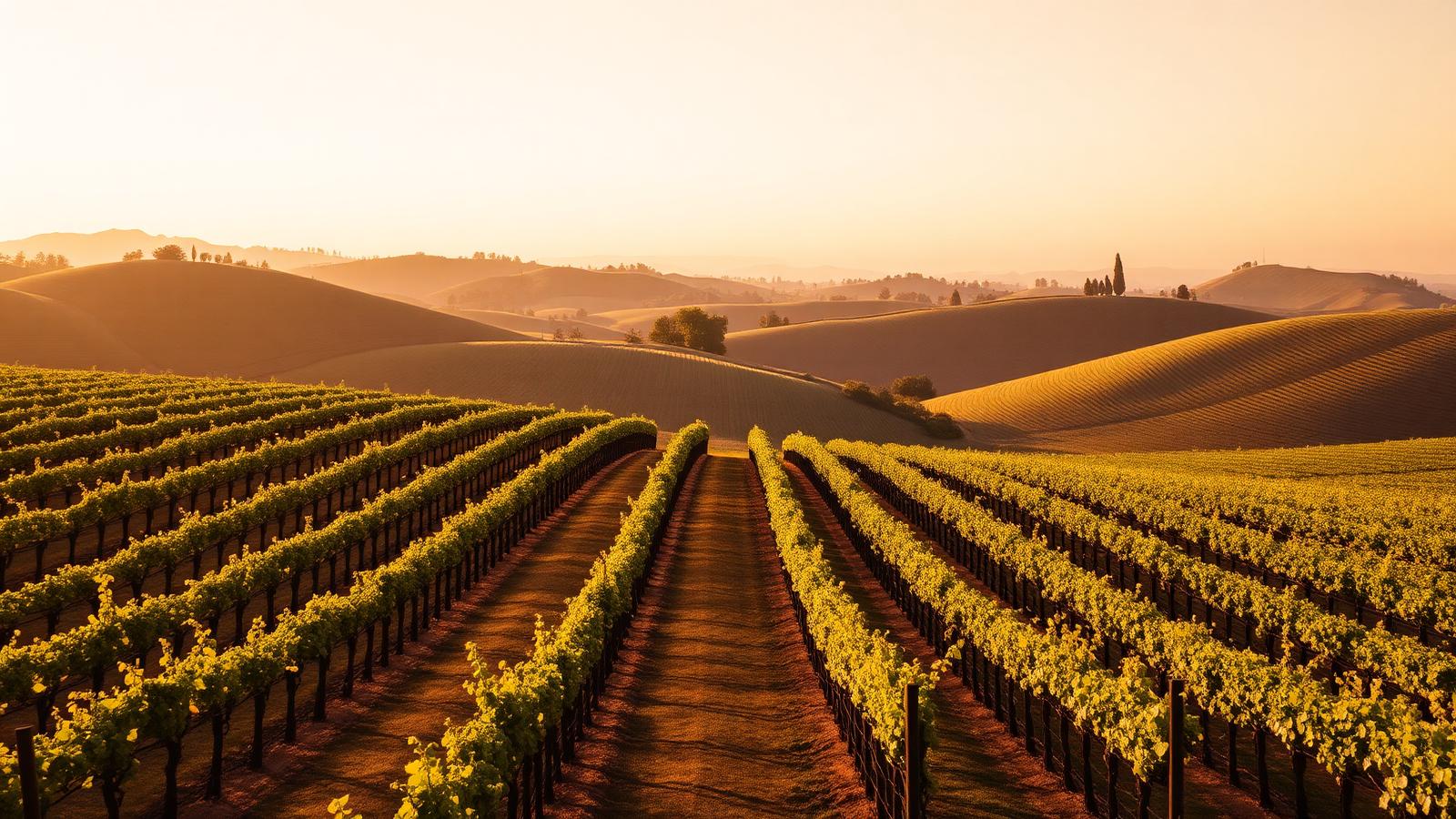
Much of Illinois' prime viticultural land lies within proximity to its great rivers, particularly the Illinois and Mississippi. These waterways are not just scenic backdrops; they exert a profound influence on the mesoclimate. Their moderating effects, particularly the broad expanse of water, help temper extreme temperatures, offering a slight reprieve in both winter cold and summer heat. This unique interplay of water, soil, and sun creates microclimates ideal for vine cultivation, contributing to the distinct character of the wines. The broad river valleys also provide varied terrain, from gently rolling hills to fertile alluvial plains, each contributing its own subtle influence to the grapes grown upon them.
Grapes of the Prairie State
In Illinois, the grape varietals chosen are often those that bravely endure its capricious climate. Hybrid grapes, celebrated for their resilience and distinctive profiles, thrive here, offering refreshing whites and charming reds. Delaware and produce crisp, aromatic wines, often with hints of wildflowers and green apple. Among the reds, Norton, with its deep color and robust character, and Chambourcin, offering notes of cherry and spice, stand as proud representatives of the state's vinicultural identity. These grapes, often overlooked in more traditional regions, find their truest expression in the fertile soils and fluctuating temperatures of the Illinois landscape, crafting wines that are both intriguing and genuinely regional.
Seasonal Delights and Local Flavors
A visit to Illinois wine country is a journey through the seasons. Spring brings new life to the vineyards and farmers' markets bursting with fresh produce. Summer invites leisurely afternoons on patios, often with views of sun-drenched vines. Autumn, with its golden hues, is harvest time, a period of bustling activity and celebratory events. Local cuisine reflects the bounty of the land, with dishes often featuring seasonal fruits, vegetables, and locally raised meats. Enjoy hearty, comforting fare that pairs wonderfully with the region's robust reds, or lighter, brighter dishes that complement the crisp whites. The hospitality here is warm and genuine, inviting visitors to linger and appreciate the simple pleasures.
Getting to know Illinois
What Illinois tastes like
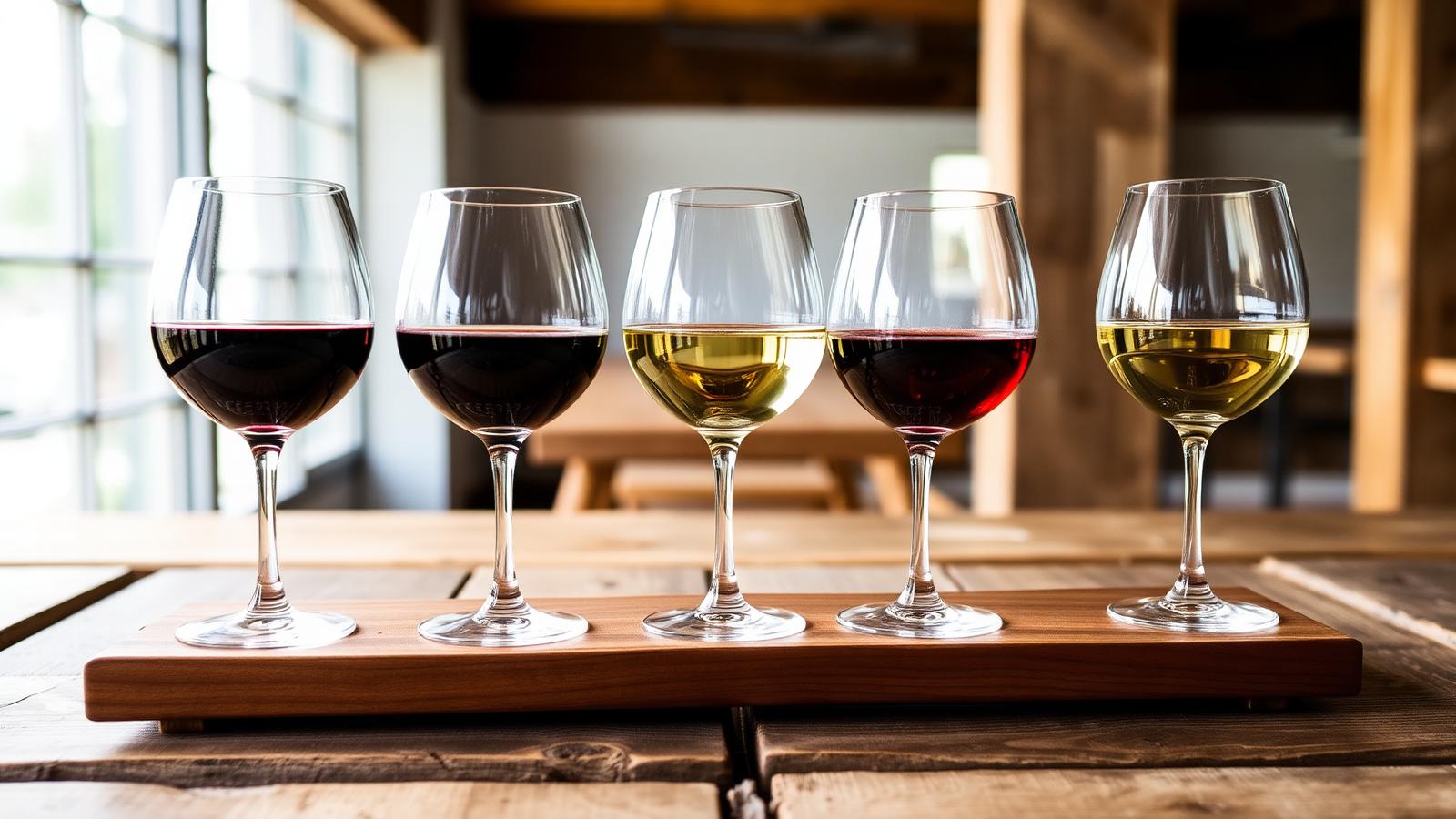
Wines from Illinois tend to reflect the region's climate and terrain more than any single style. Look for a sense of place in the glass — mineral notes from stony soils, freshness where nights are cool, richer texture where the sun lingers longer. A short flight of local wines is the fastest way to feel the range.
Rhythms of the year
Illinois moves with the seasons. Spring is quiet and green, summer brings long light and full terraces, harvest is intense and communal, and winter turns the vineyards into a stark, beautiful sculpture. Every season is a good reason to come — they just make very different trips.
Beyond the tasting room
Some of the most memorable moments in Illinois happen away from the vines: a bakery in the next village over, a viewpoint at sunrise, a slow lunch that turns into a slow afternoon. Leave room in your itinerary for the things you can't plan.
Frequently asked questions
When is the best time of year to visit Illinois wine country?
The most enchanting times to visit Illinois wine country are late spring through early autumn. Spring (April-May) sees the vineyards bursting with new growth, and temperatures are mild for exploring. Summer (June-August) offers long, warm days perfect for patio tastings, though it can be humid. Autumn (September-October) is particularly scenic, with vibrant fall foliage and harvest activities, making it a very popular time. If you prefer a quieter experience, a crisp early November visit can still be lovely, with many establishments open before the winter quietude sets in.
What kind of clothing should I pack for a wine trip to Illinois?
Given Illinois' distinct four seasons, layering is key. In spring and fall, bring medium-weight layers, a light jacket, and comfortable walking shoes for vineyard strolls. A rain jacket might also be useful. Summer calls for lighter, breathable fabrics like cotton or linen, headwear for sun protection, and sandals, though always pack a light sweater for cooler evenings or air-conditioned indoors. Even in summer, comfortable closed-toe shoes are recommended if you plan to walk through vineyards or spend time outdoors. For winery visits, smart casual attire is generally appropriate.
Are there many walking or hiking opportunities near the wineries?
While Illinois wine country is generally characterized by gently rolling landscapes rather than mountainous terrain, there are often lovely opportunities for walking and light hiking. Many vineyards themselves offer walking paths through their rows, allowing for an intimate experience with the vines. Additionally, state parks and natural areas, often rich with woodlands and riverine ecosystems, are frequently found within easy driving distance of wine-producing regions. These provide excellent chances for leisurely walks, birdwatching, and enjoying the natural beauty of the prairie landscape, complementing your wine-tasting experiences.
What are the local culinary specialties that pair well with Illinois wines?
The local cuisine in Illinois reflects its agricultural abundance. You'll find many dishes featuring fresh, seasonal produce, often sourced from nearby farms. Consider hearty dishes like roasted pork or rich stews, which pair beautifully with the robust Norton or Chambourcin reds. For lighter fare, try salads with local greens and berries, or grilled freshwater fish, which harmonize with crisp or other white hybrids. Don't miss locally produced cheeses and artisanal breads, wonderful companions for a tasting. The warmth and approachability of Illinois wines make them incredibly versatile with comfort food and farm-to-table cuisine.