

Northern Illinois Wine Guide
Wineries in Northern Illinois
View all 18 wineries →Prairie's Embrace
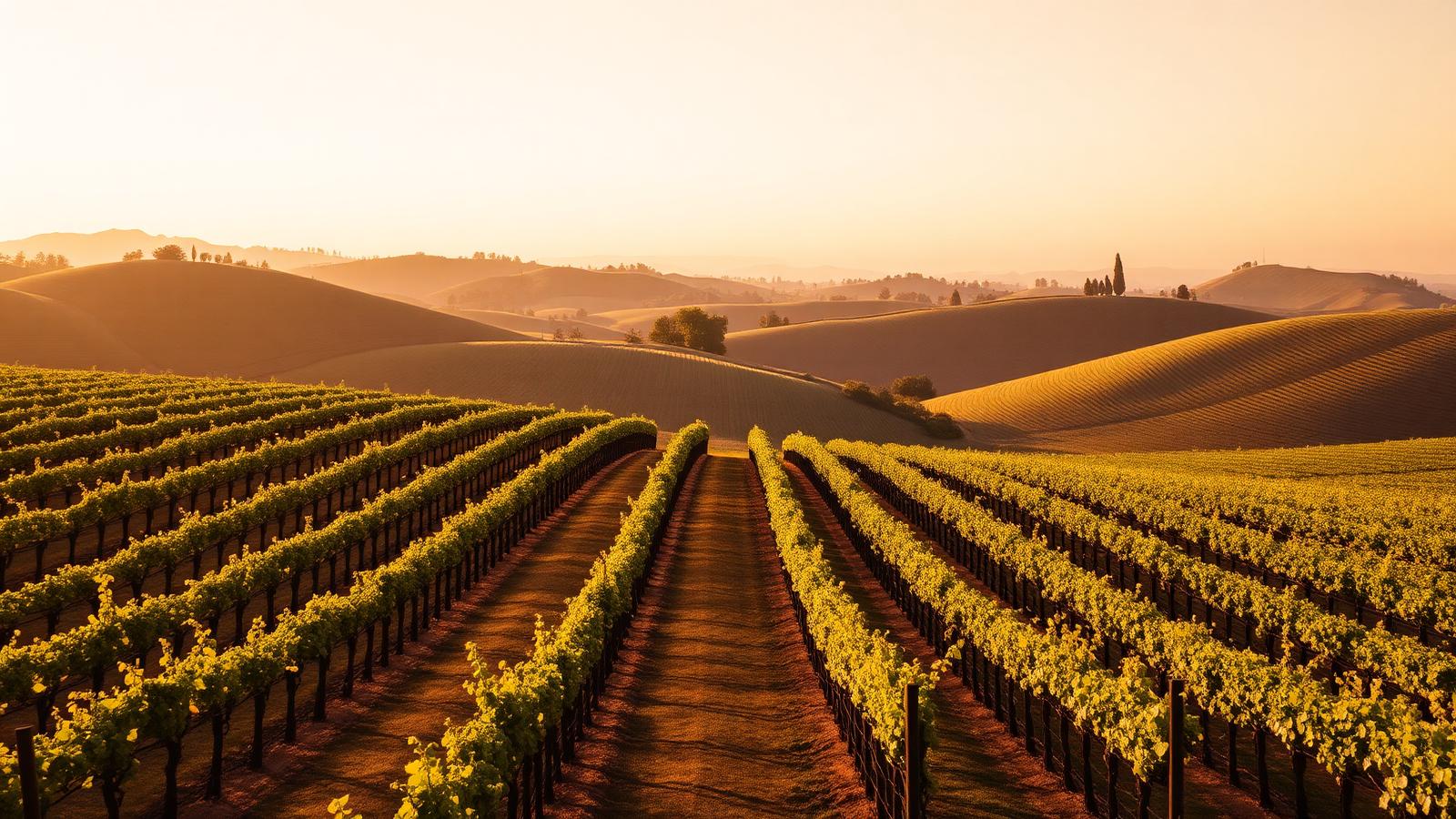
Northern Illinois’s landscape, sculpted by forgotten glaciers, gifts its winemakers a diverse palette of soils – from loamy river deposits to richer, clay-infused till. These foundational elements, combined with a continental climate characterized by warm summers and crisp, defined autumns, create a particular microclimate friendly to cold-climate grapes. The interplay of sun-drenched days and cooler nights allows for a gradual, contemplative ripening, preserving a vibrant acidity while developing nuanced fruit flavors. This environment shapes wines that are often bright and expressive, reflecting the fresh, open-air qualities of the prairie itself.
Grapes of Resilience
The varietals thriving here are a testament to hardiness and a thoughtful understanding of the local conditions. Marquette, Frontenac, and La Crescent grapes, among others, find their voice in Northern Illinois. These robust varieties produce wines that are both approachable and intriguing. Imagine a crimson Marquette, offering notes of cherry and spice, or a golden La Crescent, with its aromatic profile of stone fruit and a hint of floral complexity. These are wines crafted to embody the region’s spirit, possessing a character distinct from their European cousins, yet undeniably charming in their own right.
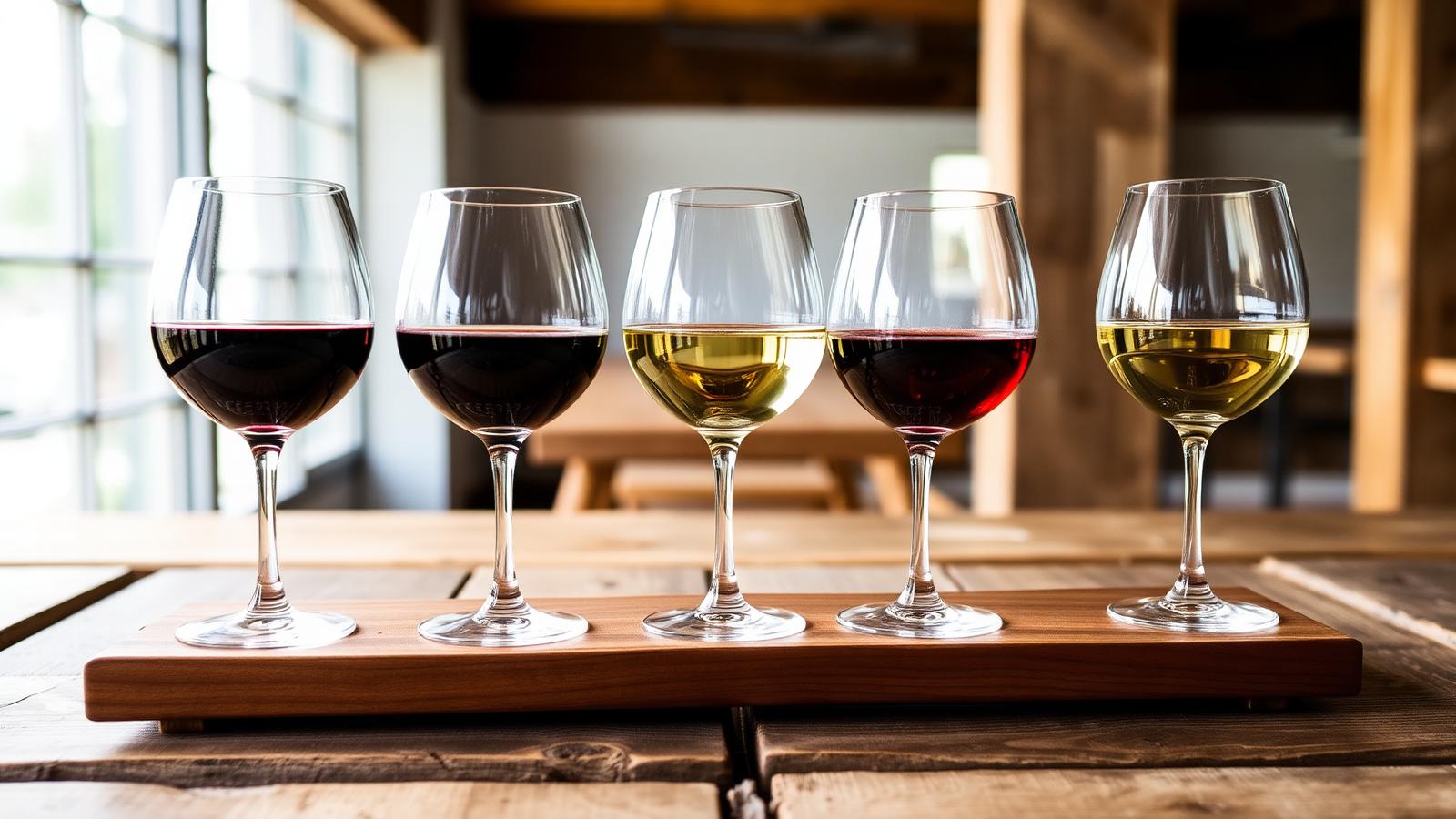
Table and Tradition
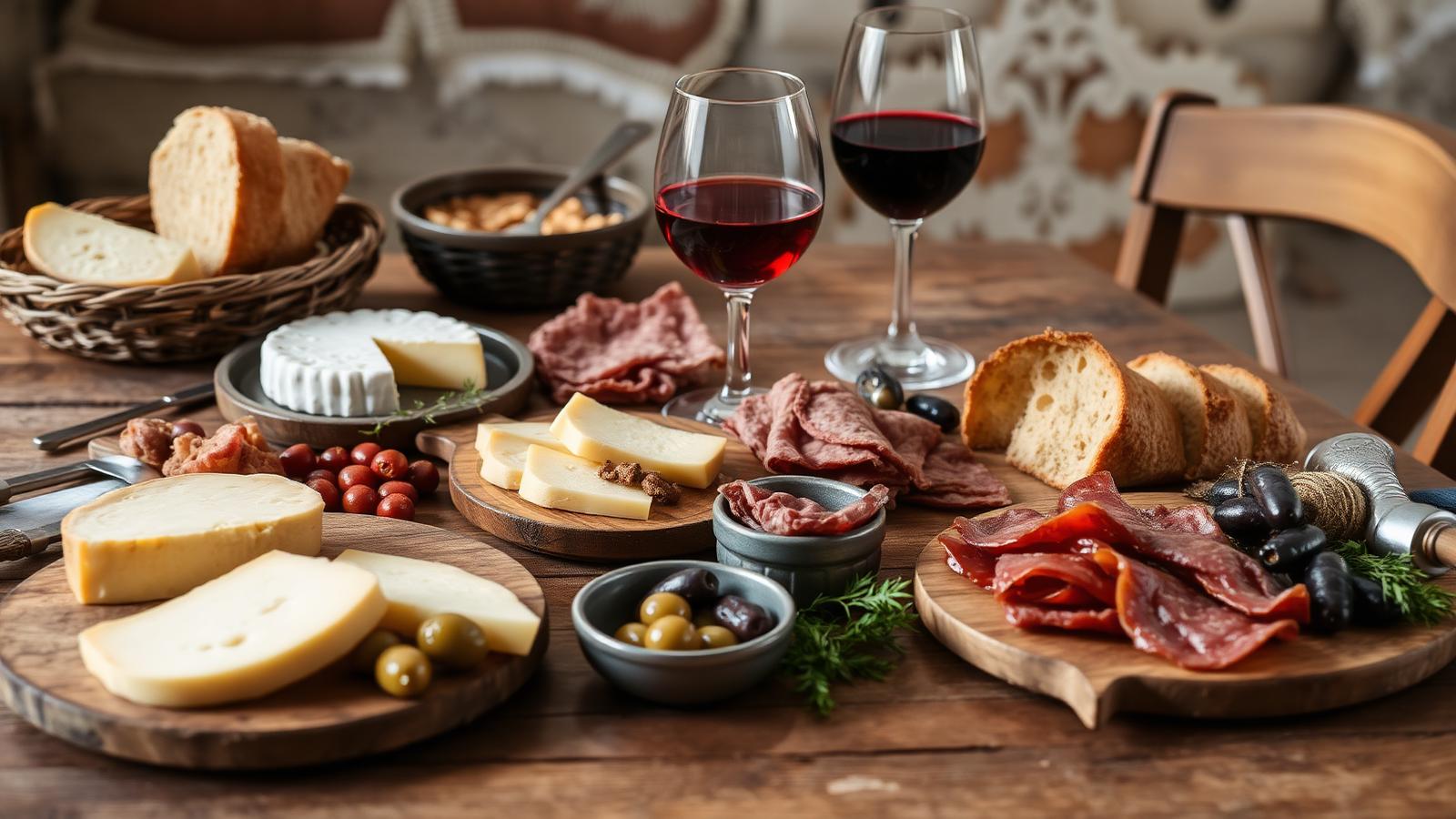
The culinary landscape of Northern Illinois is deeply rooted in its agricultural abundance. Seasonal produce, often sourced from local farms, forms the heart of its cuisine. Picture platters of artisanal cheeses from nearby dairies, paired with crusty bread and preserves, alongside a glass of local wine. The simple, honest flavors of the land, from sweet corn in summer to crisp apples in autumn, find their perfect companion in the region's wines. A late afternoon spent sharing such a meal, surrounded by quiet countryside, perfectly encapsulates the unhurried elegance of this place.
Planning a visit to Northern Illinois
Best time to visit Northern Illinois
Late spring and early autumn are the choices — comfortable weather, generous light, and vineyards at their most photogenic. Summer is warmer and livelier, with long evenings and outdoor tables everywhere. Winter is peaceful, cellars are quiet, and there's a real intimacy to visits without the crowds.
Where to base yourself
The main village or town in Northern Illinois is usually the easiest base — it puts you in walking distance of restaurants and daily life, with vineyards a short drive away. Staying in the countryside is quieter and more romantic, but you'll rely more on a car or a driver. Both are valid; pick the mood you want your trip to have.
Getting to Northern Illinois
Most travellers reach Northern Illinois by combining a flight into the nearest major city with a train, bus, or rental car for the last leg. Once you arrive, distances are usually short — many memorable days here involve less driving than you'd expect.
Making the most of a day in Northern Illinois
A good day in Northern Illinois tends to have a shape: a slow morning, a couple of unhurried tasting stops, a proper local lunch, and time in the late afternoon to walk, nap, or take in a view. Try not to over-plan — the best moments usually turn up between the ones you scheduled.
Frequently asked questions
What is the best time of year to visit Northern Illinois for wine touring?
The most enchanting time to explore Northern Illinois's wine country is undoubtedly during late summer and autumn. From late August through October, the vineyards are lush, the air is crisp, and the region bursts with harvest festivities. You'll witness the vines heavy with ripe grapes and perhaps even catch glimpses of the winemaking process in full swing. This period also offers beautiful foliage and pleasant temperatures, perfect for strolling through rural landscapes and enjoying outdoor tastings. Spring, with its budding vines, also offers a fresh perspective, though some vineyards might have more limited hours.
Are most of the wineries in Northern Illinois open year-round, or seasonally?
Many of the wineries in Northern Illinois do operate year-round, especially those with tasting rooms that can host visitors indoors during the colder months. However, their hours of operation might be reduced during the off-season, particularly in winter. It’s always a good idea to check the specific vineyard’s website or call ahead before planning your visit, especially if you're traveling outside of the peak autumn season. Some smaller or more boutique producers might also have more limited or appointment-only hours, even during busier times.
What kind of local food experiences can I expect to find alongside the wine?
Northern Illinois offers a delightful array of local food experiences that perfectly complement its wines, emphasizing fresh, regional produce. You'll often find farm-to-table restaurants that highlight seasonal ingredients, from sweet corn and asparagus in summer to root vegetables and apples in the fall. Artisanal cheese producers and bakeries are also common, providing delectable pairings for your wine. Don't be surprised to encounter farmers markets bursting with local bounty, or quaint cafes serving hearty, comforting Midwestern fare made with local ingredients. Many wineries also offer light bites or picnic options, featuring regional specialties.
What is the typical terrain like for walking or cycling around the vineyards?
The terrain around Northern Illinois vineyards is generally gently rolling, rather than dramatically mountainous. You'll find a mix of open farmland, wooded bluffs, and river valleys. This makes for pleasant walking and cycling experiences, often along quiet country roads with scenic views. While there might be some moderate inclines, particularly near river areas, it's rarely strenuous. It's an ideal landscape for leisurely exploration, allowing you to absorb the peaceful character of the countryside at your own pace. Paved biking trails sometimes connect rural areas, offering dedicated recreational routes.