

New York Wineries & Wine Tours
Sub-regions
Culinary Dialogues
The culinary scene throughout upstate New York and Long Island wine regions echoes the freshness found in its wines. Farm-to-table is not a trend here; it is a way of life, with local produce, artisanal cheeses, and humanely raised meats gracing dining tables. Imagine sipping a crisp, dry alongside pan-seared lake trout, or pairing a bright, earthy with robust, seasonal stews and wild mushrooms foraged from nearby forests. Long Island's proximity to the coast means fresh oysters and seafood are often highlighted, beautifully complemented by the region's lively Chardonnays and sparkling wines. Meals are an unhurried celebration of the harvest, an integral part of the wine country experience.
Terroir and Grapes
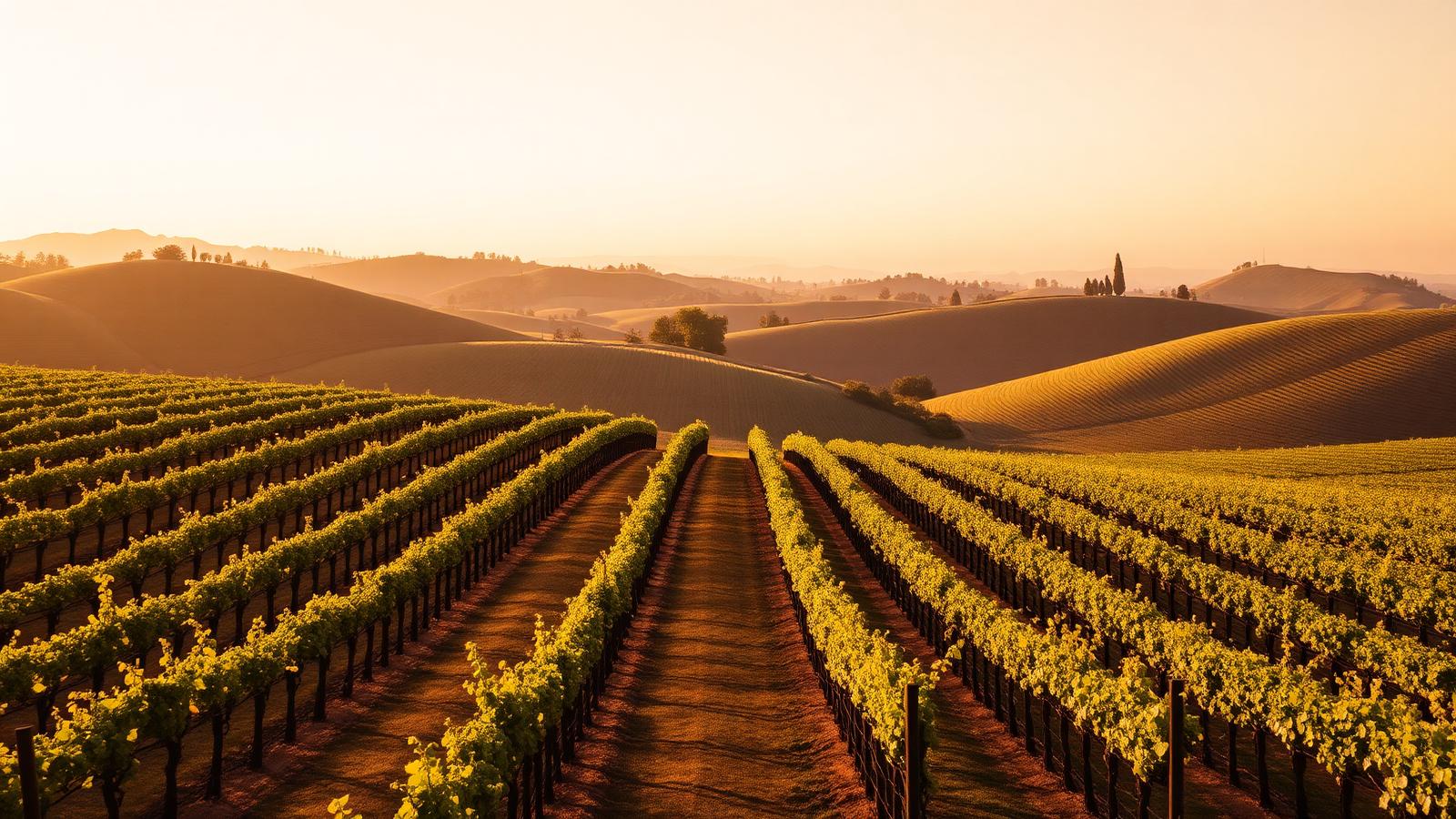
Beneath broad skies, the distinctive terrain of New York wine regions offers a symphony of microclimates. In the Finger Lakes, deep glacial lakes moderate temperatures, creating a long, cool growing season ideal for , imbuing it with electric acidity and profound minerality. Along the Hudson River, shale and slate soils contribute to vibrant, food-friendly whites and reds, often showcasing aromatic grapes like and crisp, light-bodied reds. To the east, Long Island’s maritime influence provides well-drained, sandy loams, perfect for , , and , which achieve ripeness with a pleasing balance of fruit and structure under the Atlantic sun. Each expression of the land shapes the wine, reflecting nature's influence with precision.
Getting to know New York
What New York tastes like
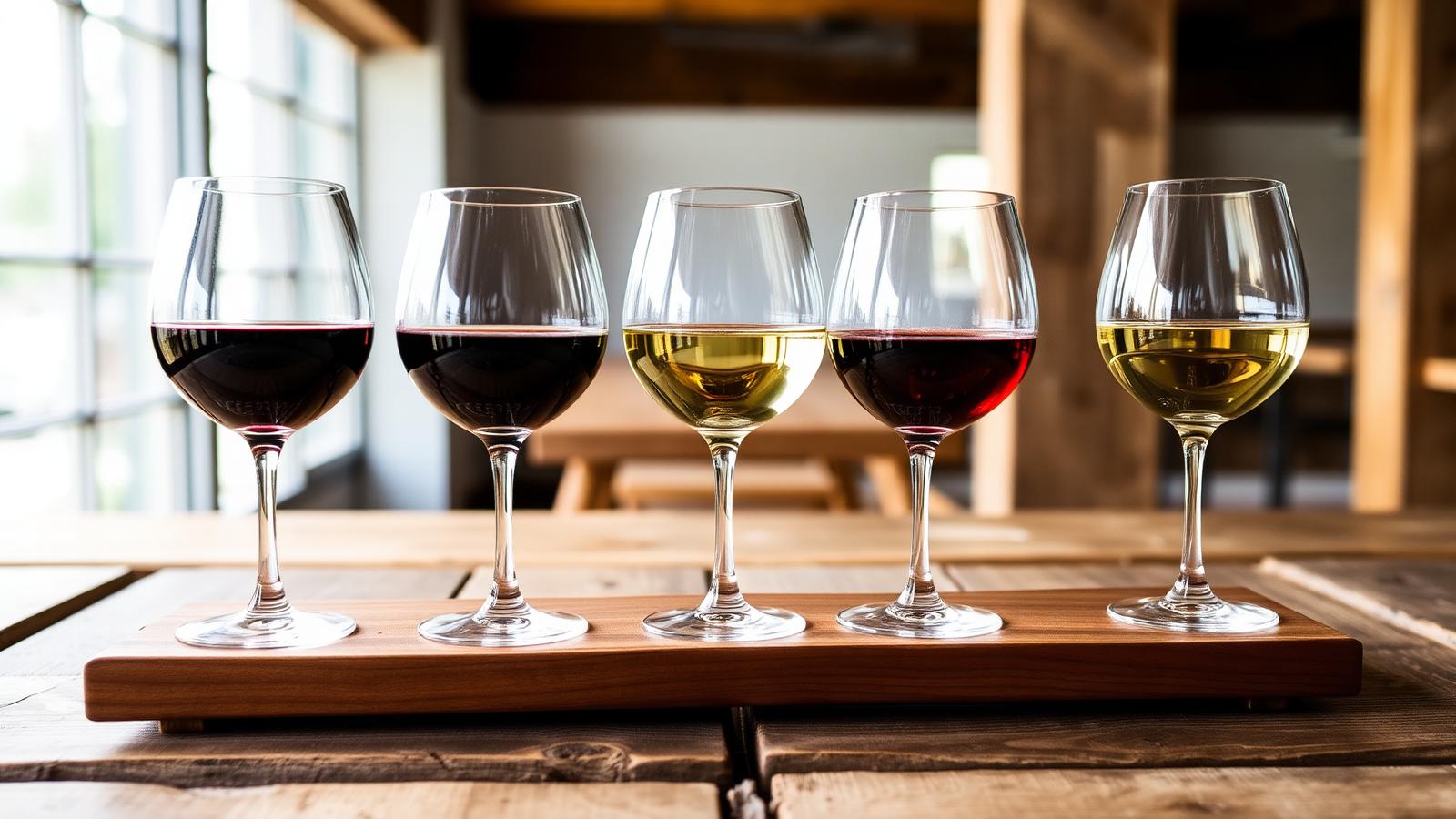
Wines from New York tend to reflect the region's climate and terrain more than any single style. Look for a sense of place in the glass — mineral notes from stony soils, freshness where nights are cool, richer texture where the sun lingers longer. A short flight of local wines is the fastest way to feel the range.
Rhythms of the year
New York moves with the seasons. Spring is quiet and green, summer brings long light and full terraces, harvest is intense and communal, and winter turns the vineyards into a stark, beautiful sculpture. Every season is a good reason to come — they just make very different trips.
Beyond the tasting room
Some of the most memorable moments in New York happen away from the vines: a bakery in the next village over, a viewpoint at sunrise, a slow lunch that turns into a slow afternoon. Leave room in your itinerary for the things you can't plan.
Frequently asked questions
What is the best time of year to visit New York's wine regions?
Each season offers its own charm. Late spring (May-June) brings blooming vineyards and fewer crowds, ideal for gentle exploration. Summer (July-August) is vibrant and lush, perfect for outdoor activities and longer daylight hours, though it can be busier. Early autumn (September-October) is arguably the most magical, with harvest activities in full swing, cooler temperatures, and stunning fall foliage, making it a highly sought-after time to visit. Even crisp winter days can be beautiful, offering a quiet, contemplative atmosphere in tasting rooms and cozy inns, often with fewer visitors.
How should I plan my transportation for visiting multiple vineyards?
While public transport within the wine regions is limited, several options exist. For concentrated areas like parts of the Finger Lakes or Long Island's North Fork, hiring a local driver or joining a small group tour can be convenient, allowing everyone to enjoy the tastings responsibly. Renting a car provides the most flexibility, enabling you to explore at your own pace and discover hidden gems. Ensure to designate a sober driver if you choose to drive yourself. Some regions also offer bicycle routes for a more active, scenic way to get around shorter distances between establishments.
Are there dining and accommodation options readily available in the wine regions?
Absolutely. You'll find a wide spectrum of choices, from charming bed-and-breakfasts nestled amongst the vines to boutique hotels in historic villages, and even lakeside resorts. Many eateries emphasize local, seasonal ingredients, pairing perfectly with regional wines. During peak season, especially harvest time, accommodations can book up quickly, so it's always advisable to reserve well in advance. Consider exploring options in nearby towns or smaller hamlets for a more secluded experience, or larger towns which often have a wider array of restaurants and amenities.
What are some non-wine activities to enjoy while visiting?
Beyond the cellar doors, New York's wine regions offer a wealth of experiences. The Finger Lakes are renowned for their stunning natural beauty, with opportunities for hiking, kayaking, and exploring picturesque waterfalls. Long Island boasts beautiful beaches, quaint lighthouses, and charming seaside towns. In the Hudson Valley, you can delve into history with visits to grand estates, explore vibrant art galleries, or enjoy scenic drives through rolling farmland. Artisanal cheese makers, craft breweries, and farm stands are often found along the wine routes, providing delightful detours and further opportunities to savor local flavors.