

Niagara Escarpment Wine Guide
Wineries in Niagara Escarpment
View all 13 wineries →- View
A Gust of Sun Winery
6 amenities 4 varietals - View
Arrowhead Spring Vineyards
8 amenities 6 varietals - View
Becker Farms, Vizcarra Vineyards
9 amenities 2 varietals - View
Chateau Niagara Winery
7 amenities 4 varietals - View
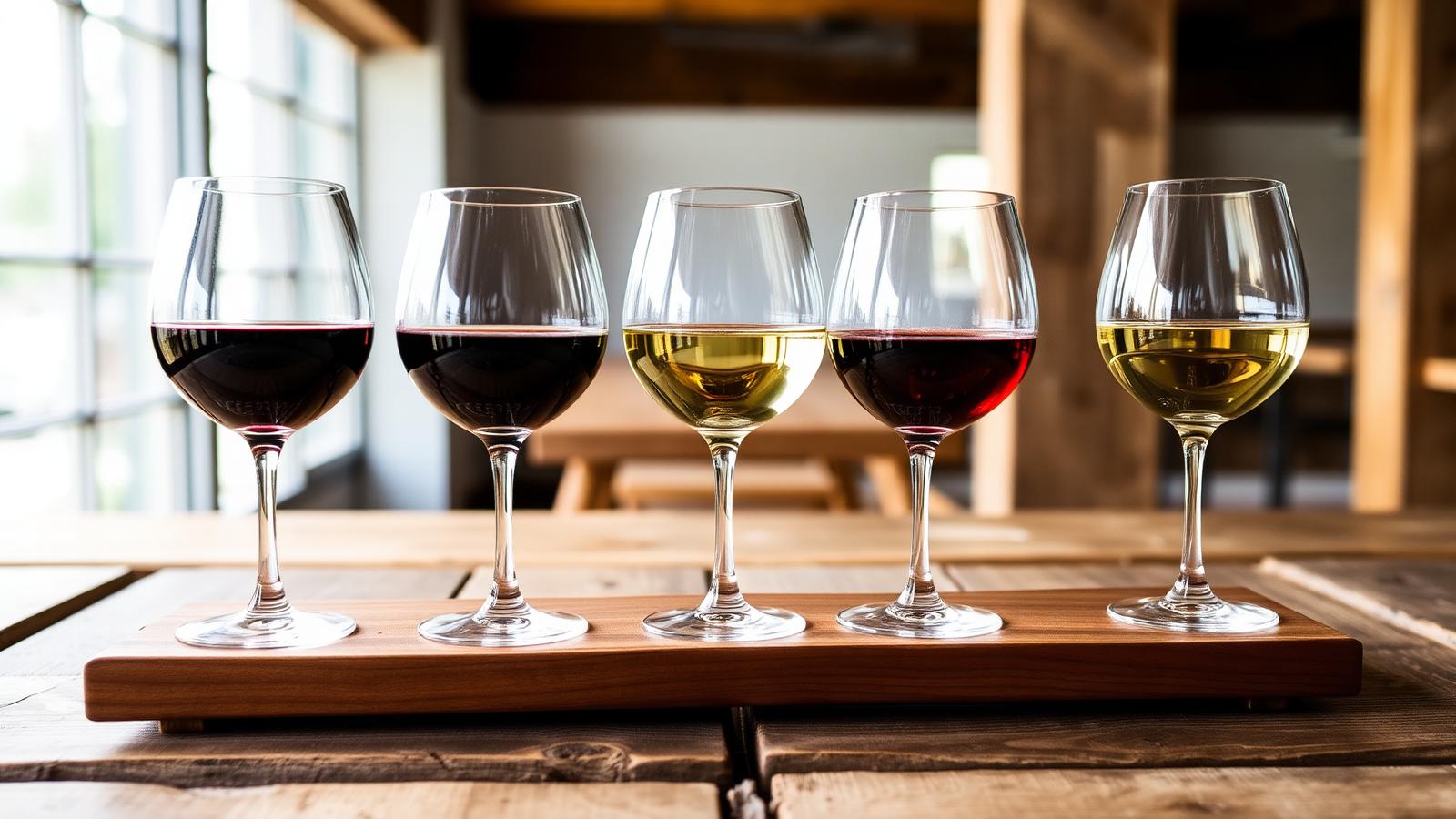
Flight of Five Winery
6 amenities 1 varietals - View
Freedom Run Winery
10 amenities 3 varietals
A Culinary Portrait
The culinary landscape of the escarpment is intrinsically linked to its agricultural roots and the gifts of the surrounding waters. Seasonal produce, harvested fresh from nearby farms, forms the heart of many plates. Imagine crisp apples and succulent peaches, or farm-raised meats and artisanal cheeses finding their way onto a leisurely lunch spread. Freshwater catches from the lake are often featured, prepared simply to highlight their natural flavor. These dishes are conceived to complement the region's wines, creating harmonious pairings that enhance both the meal and the moment, often enjoyed al fresco as the day slowly drifts by.
Grapes of the Northern Sun
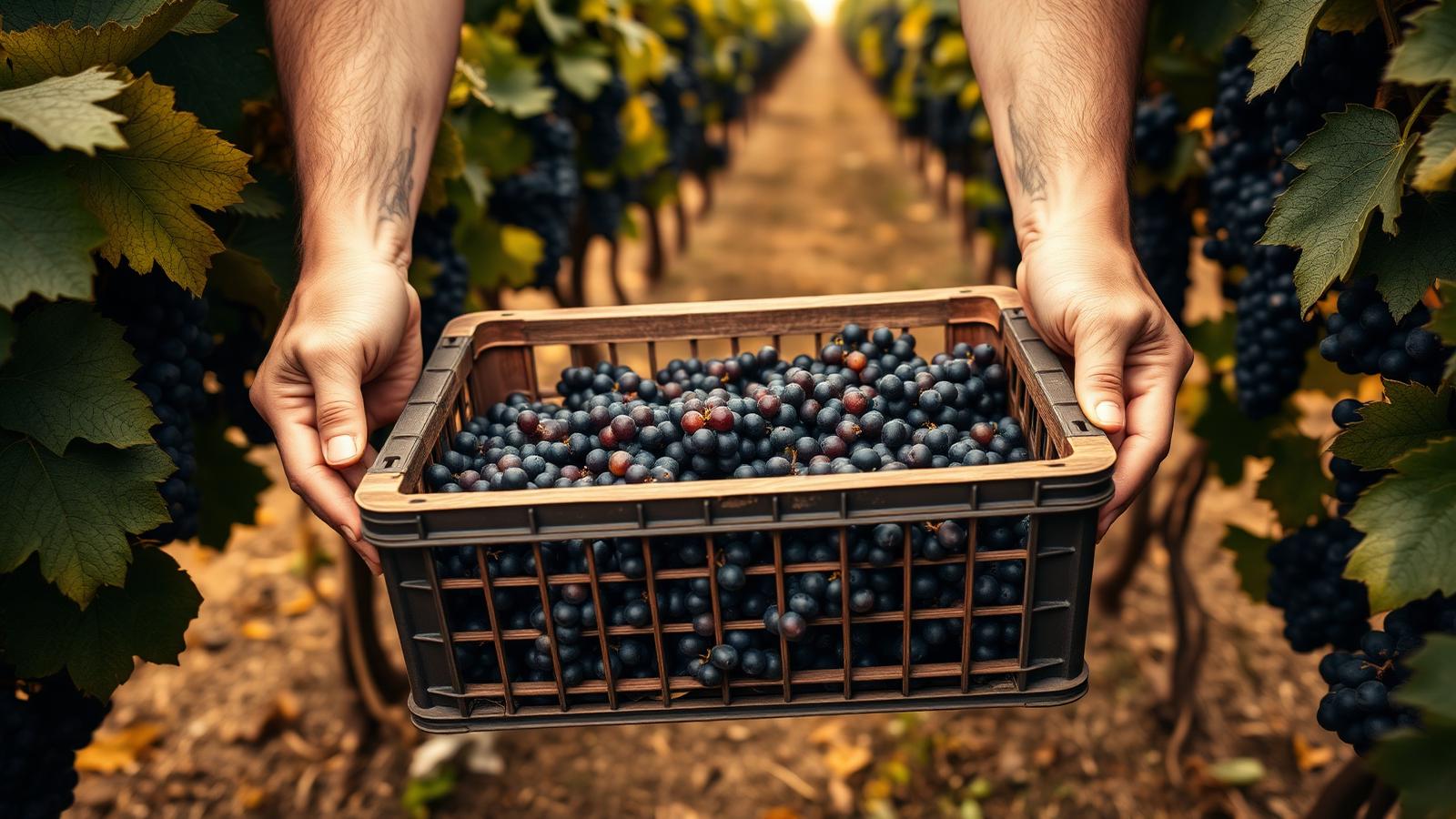
Within this specialized microclimate, certain grape varieties truly sing. Expect to encounter crisp and aromatic white wines, often characterized by bright fruit and a refreshing, zesty finish. The cool nights preserve acidity, lending elegance and longevity. Red grape varieties, benefiting from the extended hang time, develop nuanced flavors and supple textures, often showing notes of red berries, earth, and a subtle spice. The gentle pace of the region, from bud break to harvest, allows each to express its purest form, yielding wines that speak directly of their origin with clarity and charm.
The Terroir's Embrace
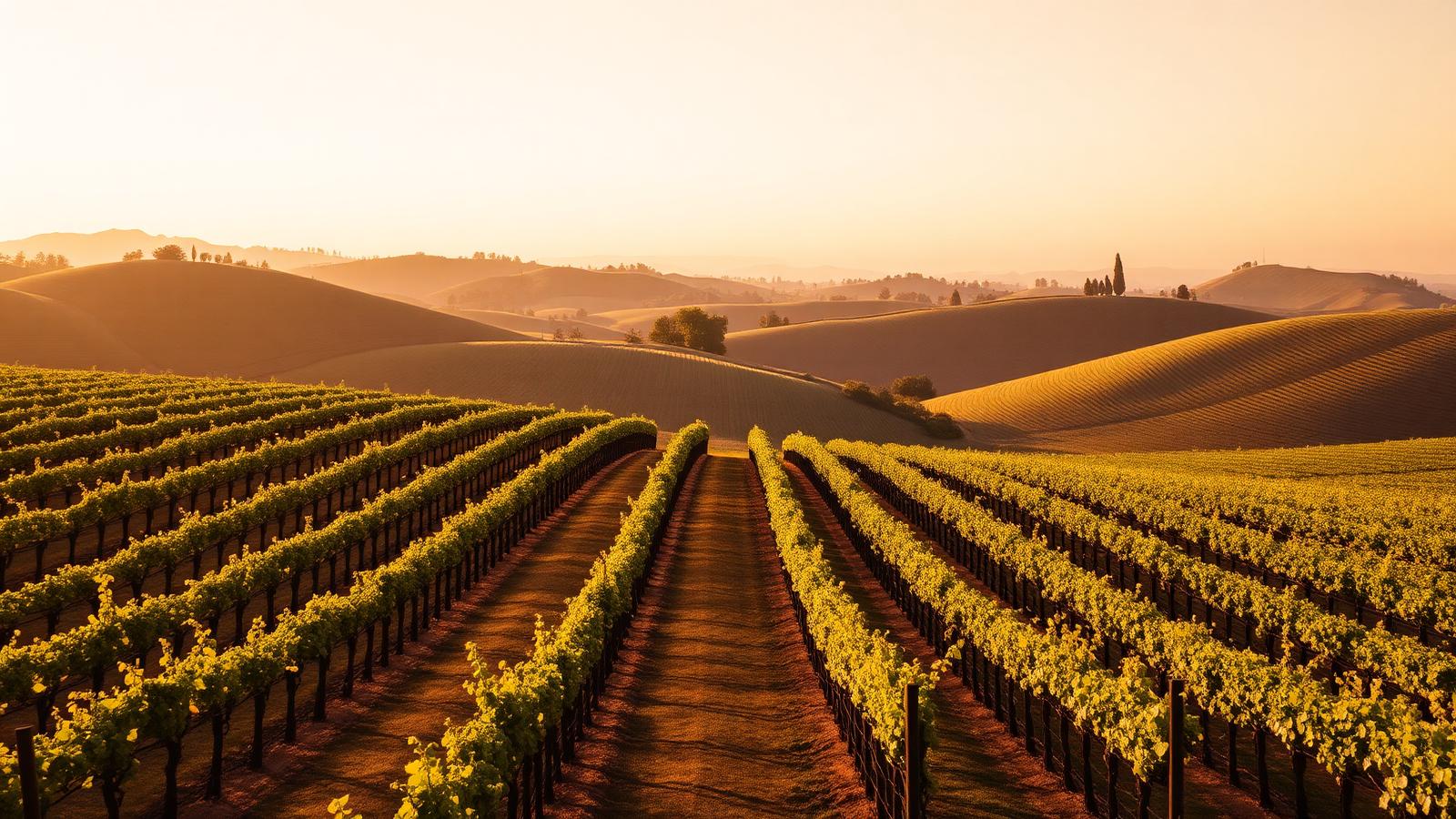
The Niagara Escarpment's magic lies in its unique geological foundations. Layers of ancient rock, predominantly limestone and shale, provide a rich, well-draining canvas for the roots of the vine. This mineral density, combined with the sloping terrain, allows for excellent sun exposure, particularly crucial in a northern latitude. The nearby lake acts as a grand temperature regulator, absorbing summer heat and releasing it slowly through the cooler months, mitigating frost events and prolonging the growing season. This intricate dance of soil, slope, and water imparts a distinct minerality and vibrant acidity to the wines, a true testament to the land's benevolent embrace.
Planning a visit to Niagara Escarpment
Best time to visit Niagara Escarpment
Late spring and early autumn are the choices — comfortable weather, generous light, and vineyards at their most photogenic. Summer is warmer and livelier, with long evenings and outdoor tables everywhere. Winter is peaceful, cellars are quiet, and there's a real intimacy to visits without the crowds.
Where to base yourself
The main village or town in Niagara Escarpment is usually the easiest base — it puts you in walking distance of restaurants and daily life, with vineyards a short drive away. Staying in the countryside is quieter and more romantic, but you'll rely more on a car or a driver. Both are valid; pick the mood you want your trip to have.
Getting to Niagara Escarpment
Most travellers reach Niagara Escarpment by combining a flight into the nearest major city with a train, bus, or rental car for the last leg. Once you arrive, distances are usually short — many memorable days here involve less driving than you'd expect.
Making the most of a day in Niagara Escarpment
A good day in Niagara Escarpment tends to have a shape: a slow morning, a couple of unhurried tasting stops, a proper local lunch, and time in the late afternoon to walk, nap, or take in a view. Try not to over-plan — the best moments usually turn up between the ones you scheduled.
Frequently asked questions
What is the best way to explore the various wine producers along the Niagara Escarpment?
To truly immerse yourself in the region, consider a leisurely drive along the designated wine trails and charming back roads. Many establishments welcome visitors for tastings, often with stunning views of vineyard-covered slopes. It's advisable to check tasting room hours in advance, especially outside of peak season. Comfortable shoes are a must for strolling through properties, and having a designated driver or utilizing local transport services will ensure a relaxing and responsible experience as you journey between the different producers and their unique offerings.
Are there good dining options available for lunch or dinner while touring the wine region?
Yes, the Niagara Escarpment offers a delightful range of culinary experiences. You'll find many charming eateries, from cozy bistros serving farm-to-table cuisine to more casual cafes. Some wine establishments also offer light fare, cheese boards, or even full restaurant services with menus designed to complement their wines. It's recommended to make reservations for dinner, especially on weekends, as many places focus on fresh, seasonal ingredients which can lead to popular demand. Embrace the local flavors for an authentic taste of the region.
What is the ideal time of year to visit the Niagara Escarpment for a wine-focused trip?
Each season offers its own unique charm. Spring sees the vineyards awakening, with bud break bringing vibrant green to the landscape. Summer is warm and bustling, perfect for enjoying outdoor patios and events. However, many consider late summer through autumn (August to October) to be particularly enchanting. The vineyards are laden with ripening grapes, and the fall foliage paints the escarpment in breathtaking hues. This period often coincides with harvest activities and special seasonal releases, offering a deeper connection to the winemaking process and a truly memorable visit.
Beyond wine tasting, what other activities can enhance a trip to the Niagara Escarpment?
The region invites exploration beyond the glass. The natural beauty of the escarpment provides wonderful opportunities for gentle hikes or scenic drives, offering panoramic views of the lake and surrounding agricultural lands. Charming small towns dot the landscape, perfect for a leisurely stroll through local artisan shops and galleries. Consider visiting local farm stands to sample fresh produce, or explore historical sites that tell the story of the area's rich past. Many places also host seasonal festivals and events, adding another layer of cultural richness to your wine journey.