

Colorado Wineries & Wine Tours
Sub-regions
Varietals of the West
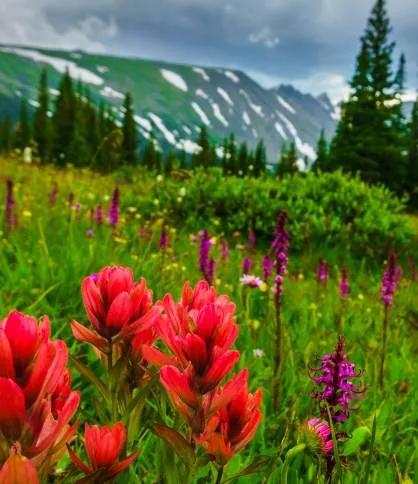
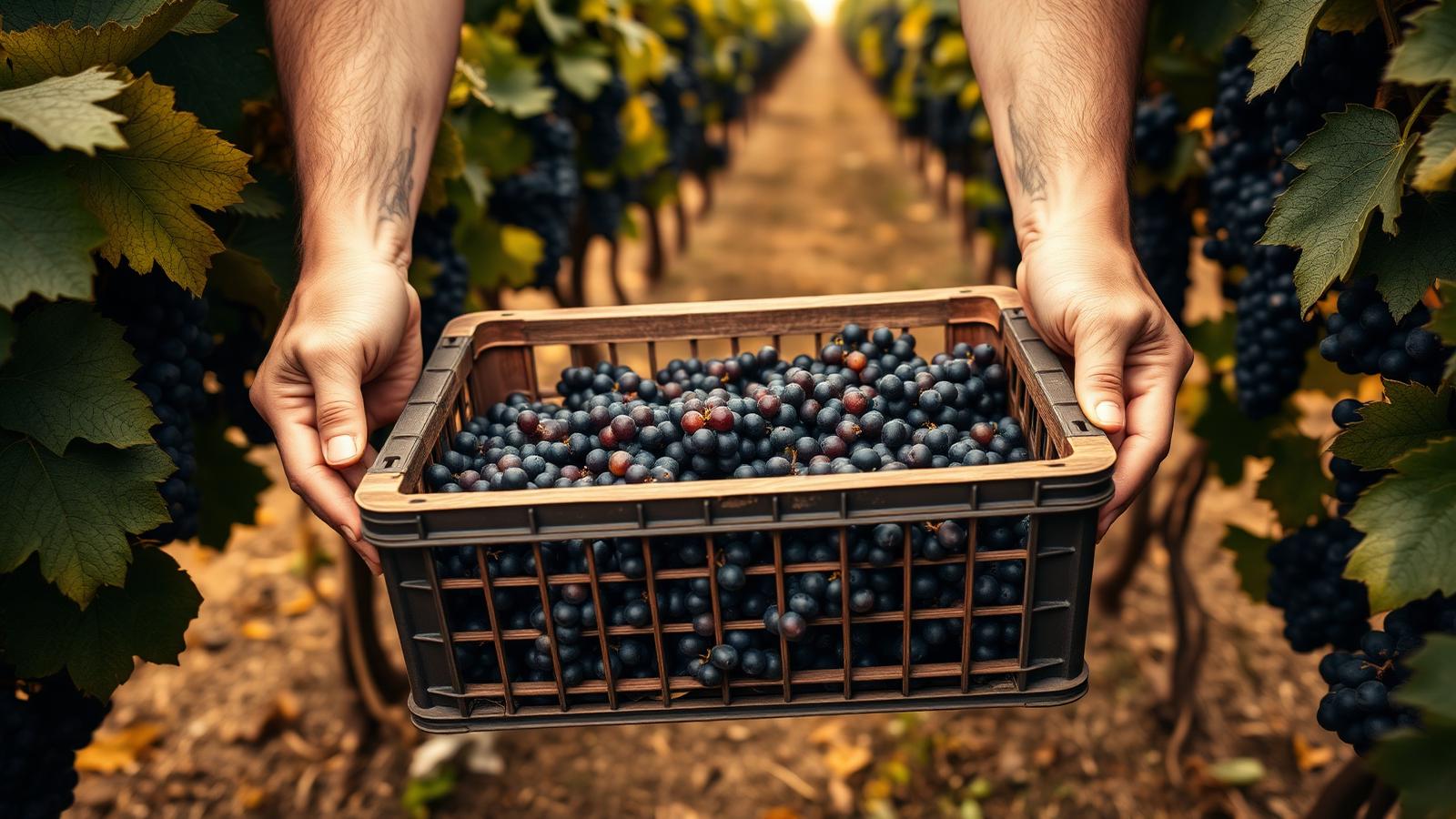
While a variety of grapes are cultivated, and often find particularly expressive voices in Colorado's high-altitude vineyards, developing a beautiful balance of dark fruit, savory herbs, and firm tannins. White wines, including and , showcase vibrant acidity and intriguing minerality, reflecting the cool night temperatures. The intense sunlight further aids in developing deep color and robust flavors, crafting wines that are unmistakably of this wild, untamed land. The character of these wines speaks to the resilience required to thrive in such an environment.
Altitude & Terroir
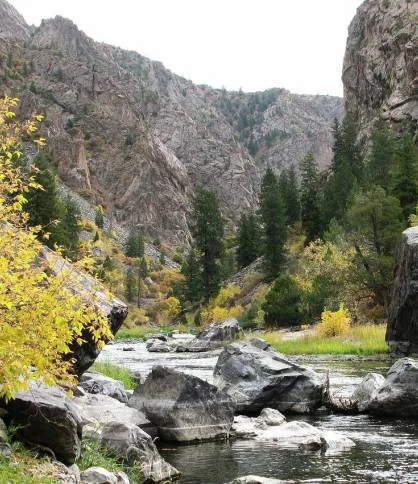
Colorado's wine regions are defined by their extraordinary elevation, making them some of the highest vineyard sites in the world. This altitude translates to powerful UV exposure and significant diurnal temperature swings. The soils, a mosaic of gravel, sand, and shale, often infused with ancient seabed minerals, impart a distinct minerality to the wines. This unique , born from dramatic geological forces, fosters grapes with thick skins, concentrated flavors, and bright acidity. The high desert environment, with its strong winds and intense sunlight, forces the vines to struggle, ultimately yielding wines of profound depth and character.
Culinary Pairings
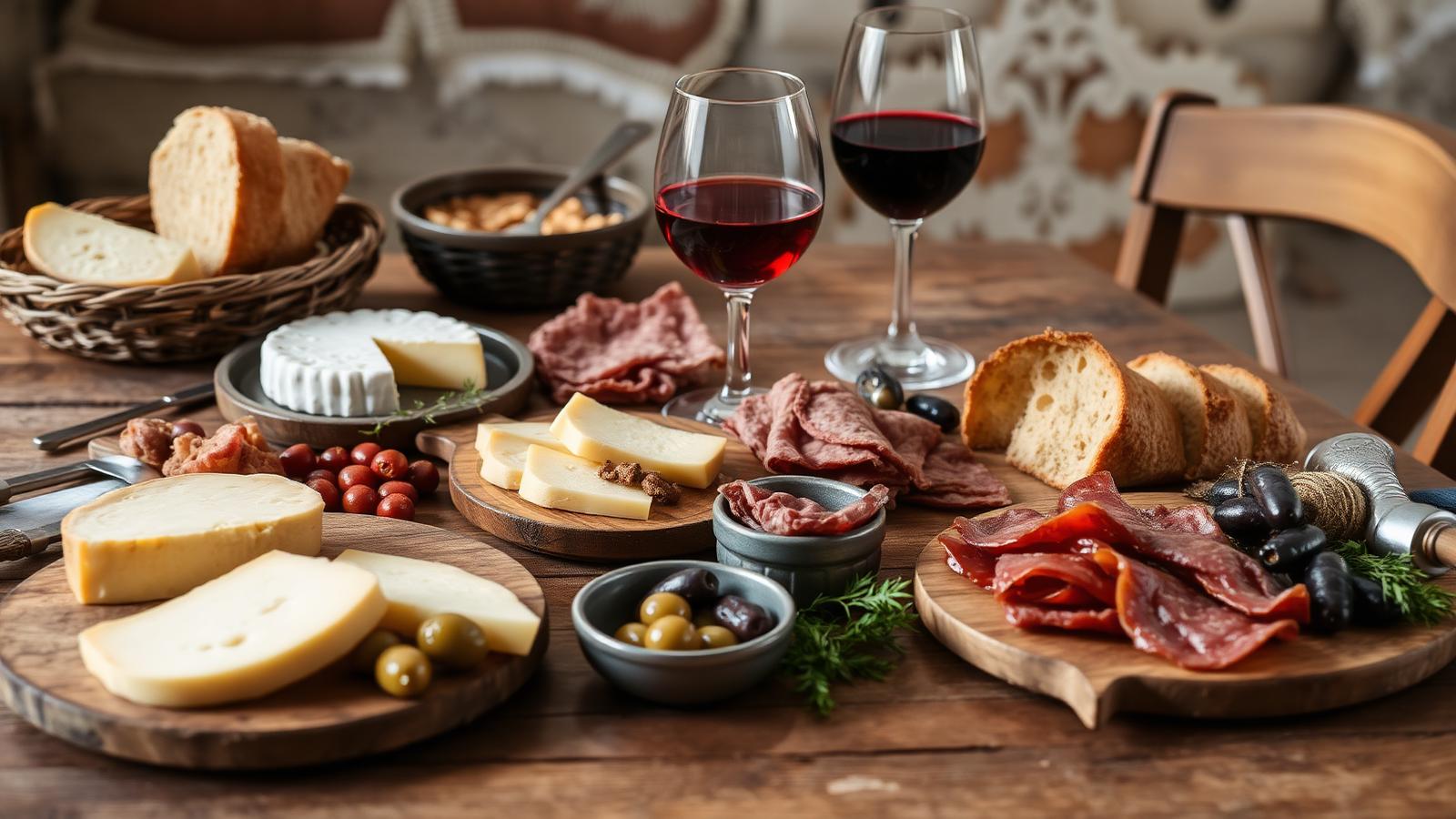
Colorado's culinary scene, like its wines, embraces both rustic heartiness and sophisticated flair. Imagine pairing a robust with slow-cooked bison, or a crisp with fresh Rocky Mountain trout. The vibrant fruit and structured tannins of the local red wines harmonize beautifully with the robust flavors of grilled meats, venison, and dishes infused with local herbs like juniper. For lighter whites, think fresh goat cheese from local dairies or bright, seasonal salads. Each pairing is an opportunity to celebrate the bounty and spirit of the American West, from farm to table and vineyard to glass.
Getting to know Colorado
What Colorado tastes like
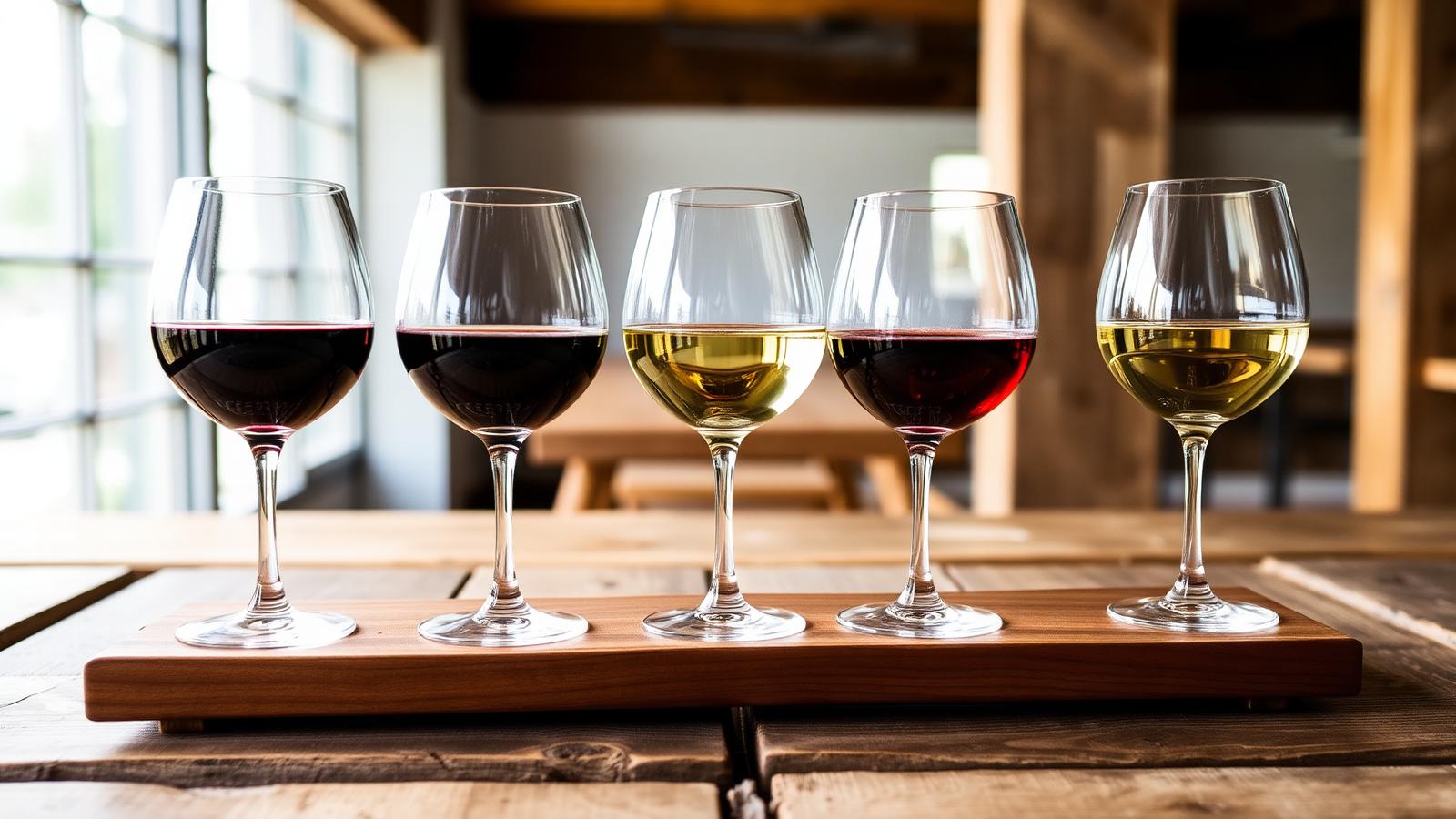
Wines from Colorado tend to reflect the region's climate and terrain more than any single style. Look for a sense of place in the glass — mineral notes from stony soils, freshness where nights are cool, richer texture where the sun lingers longer. A short flight of local wines is the fastest way to feel the range.
Rhythms of the year
Colorado moves with the seasons. Spring is quiet and green, summer brings long light and full terraces, harvest is intense and communal, and winter turns the vineyards into a stark, beautiful sculpture. Every season is a good reason to come — they just make very different trips.
Beyond the tasting room
Some of the most memorable moments in Colorado happen away from the vines: a bakery in the next village over, a viewpoint at sunrise, a slow lunch that turns into a slow afternoon. Leave room in your itinerary for the things you can't plan.
Frequently asked questions
When is the best time of year to visit Colorado's wine regions?
The ideal time to explore Colorado's wine country is typically from late spring through early fall. May and June offer pleasant weather with blossoming landscapes, while late August and September bring the excitement of harvest season, often with festive activities and beautiful autumn colors. Summer, from July to August, provides warm, sunny days perfect for vineyard strolls and outdoor tastings. Winters can be beautiful with snow-capped peaks, but many tasting rooms may have reduced hours, and some roads to higher-elevation vineyards might be less accessible, so planning ahead is key.
What is the typical itinerary for a wine tasting day in Colorado?
A relaxed day in Colorado's wine regions often begins with a visit to a morning tasting room, perhaps followed by a leisurely lunch at a local eatery featuring regional ingredients. The afternoon might include exploring one or two more vineyards, enjoying the scenic drives between them. Many visitors also pair their wine explorations with outdoor activities like gentle hikes or exploring charming small towns in the vicinity. It’s always best to check individual vineyard operating hours and consider making reservations, especially for groups or during peak season.
Are there specific regions within Colorado known for wine production?
Yes, two primary American Viticultural Areas (AVAs) stand out: the Grand Valley AVA and the West Elks AVA. The Grand Valley, situated around Palisade and Grand Junction, is known for its warmer climate and diverse varietals. The West Elks AVA, near Paonia and Hotchkiss, boasts higher elevations and cooler temperatures, often yielding elegant white wines and vibrant reds. Exploring both offers a comprehensive understanding of Colorado's unique winemaking landscape and the distinct expressions each region produces.
What kind of transportation should I plan for a wine tour in Colorado?
While some vineyards are clustered, much of Colorado's wine country is spread out, making a personal vehicle the most flexible option for exploration. This allows you to set your own pace and enjoy the scenic drives. Alternatively, booking a dedicated wine tour with a local transportation service can be a delightful and worry-free experience, allowing everyone in your party to fully partake in tastings without concerns about driving. Always plan for responsible tasting, designating a sober driver or arranging transportation in advance.