

West Elks Wine Guide
Wineries in West Elks
View all 5 wineries →Village Life & Gastronomy
Life in the West Elks revolves around the seasons and the bounty of the land. Small, charming villages are framed by orchards and agricultural fields, with local markets brimming with artisanal cheeses, preserves, and the famed Palisade peaches. Long, leisurely lunches unfold on shaded patios, often featuring farm-to-table cuisine that celebrates regional flavors – think roasted lamb from nearby pastures, trout from mountain streams, and fresh produce picked just hours before. The culinary scene here is unpretentious yet deeply flavorful, perfectly complementing the region's expressive wines and reflecting the wholesome spirit of the community.
Mountain Terroir & Grapes
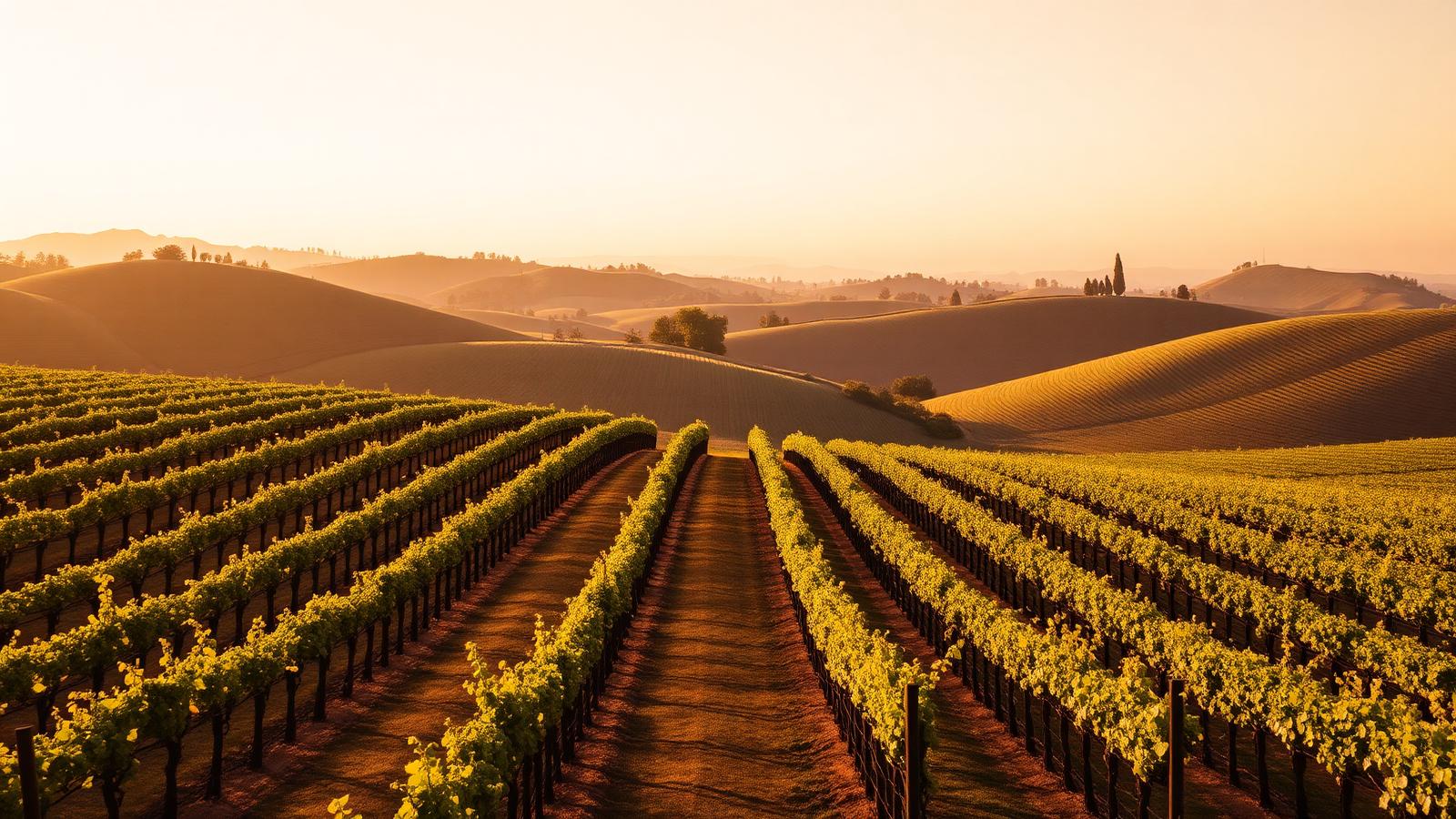
The West Elks are defined by their elevation, often reaching above 5,000 feet, making them one of the highest wine-growing regions in North America. This altitude gifts the vines intense UV exposure and dramatic temperature swings between day and night, fostering complex aromatics and a lively acidity in the grapes. Soils are a mosaic of alluvial deposits, shale, and sandstone, often lean and well-draining, forcing roots deep in search of sustenance. Common varieties that flourish here include vinifera like , , and , alongside cold-hardy hybrids that have found a happy home in this challenging yet rewarding environment, yielding wines of distinct character and freshness.
Planning a visit to West Elks
Best time to visit West Elks
Late spring and early autumn are the choices — comfortable weather, generous light, and vineyards at their most photogenic. Summer is warmer and livelier, with long evenings and outdoor tables everywhere. Winter is peaceful, cellars are quiet, and there's a real intimacy to visits without the crowds.
Where to base yourself
The main village or town in West Elks is usually the easiest base — it puts you in walking distance of restaurants and daily life, with vineyards a short drive away. Staying in the countryside is quieter and more romantic, but you'll rely more on a car or a driver. Both are valid; pick the mood you want your trip to have.
Getting to West Elks
Most travellers reach West Elks by combining a flight into the nearest major city with a train, bus, or rental car for the last leg. Once you arrive, distances are usually short — many memorable days here involve less driving than you'd expect.
Making the most of a day in West Elks
A good day in West Elks tends to have a shape: a slow morning, a couple of unhurried tasting stops, a proper local lunch, and time in the late afternoon to walk, nap, or take in a view. Try not to over-plan — the best moments usually turn up between the ones you scheduled.
Frequently asked questions
What is the best time of year to visit the West Elks wine region?
The West Elks region offers unique charm throughout the warmer months. Late spring to early summer (May-July) showcases lush green landscapes and pleasant temperatures, ideal for vineyard walks and outdoor dining. Late summer into early fall (August-October) brings the excitement of harvest, with vibrant autumn foliage painting the mountainsides in spectacular colors. This is often considered the most picturesque time, though temperatures can begin to cool, especially in the evenings. Always pack layers for the significant daily temperature changes.
What kind of transportation is recommended for exploring the vineyards?
Given the scattered nature of the vineyards and the varied terrain, a personal vehicle is highly recommended for exploring the West Elks. Roads can be winding, and public transport options are very limited. Several local services do offer guided tours and transportation for wine lovers, which allows for a more relaxed experience without the need for a designated driver. Cycling is also popular, especially on certain routes, but be prepared for elevation changes and distances between locations.
Are there dining options available within or near the vineyard areas?
While dedicated restaurants within the immediate vineyard properties are less common compared to larger wine regions, the charming towns in and around the West Elks, like Paonia and Hotchkiss, offer delightful dining experiences. Many establishments focus on farm-to-table cuisine, pairing perfectly with local wines. It's advisable to check restaurant hours and make reservations, especially during peak season, as options can be more limited than in urban areas. Some vineyards may offer light snacks or picnic options.
What should visitors know about the high altitude of the West Elks?
The high altitude of the West Elks, generally above 5,000 feet, can affect some visitors. It's wise to stay hydrated by drinking plenty of water, especially plain water, and to avoid excessive alcohol consumption on your first day. Take it easy with strenuous activities initially, and allow your body time to acclimate. Sunscreen and hats are essential due to the increased sun intensity at this elevation. Staying well-rested will also help ensure you enjoy your visit to the fullest.