

Sonoma County Wine Guide
Wineries in Sonoma County
View all 84 wineries →Culinary Harmonies
The culinary spirit of Sonoma mirrors its agricultural bounty. Rooted in a deep respect for seasonal produce, the cuisine celebrates the region's farms, ranches, and coastal waters. Long, leisurely lunches unfold with vibrant dishes featuring sun-ripened tomatoes, artisan cheeses, and freshly caught seafood, all meticulously paired with local wines. Dinners often highlight heritage meats, garden-fresh vegetables, and the abundant olive oils produced here. It's an experience where the plate and the glass are intrinsically linked, each enhancing the other in a symphony of fresh, authentic flavors, reflecting the warmth and generosity of the Sonoma spirit.
A Tapestry of Terroir
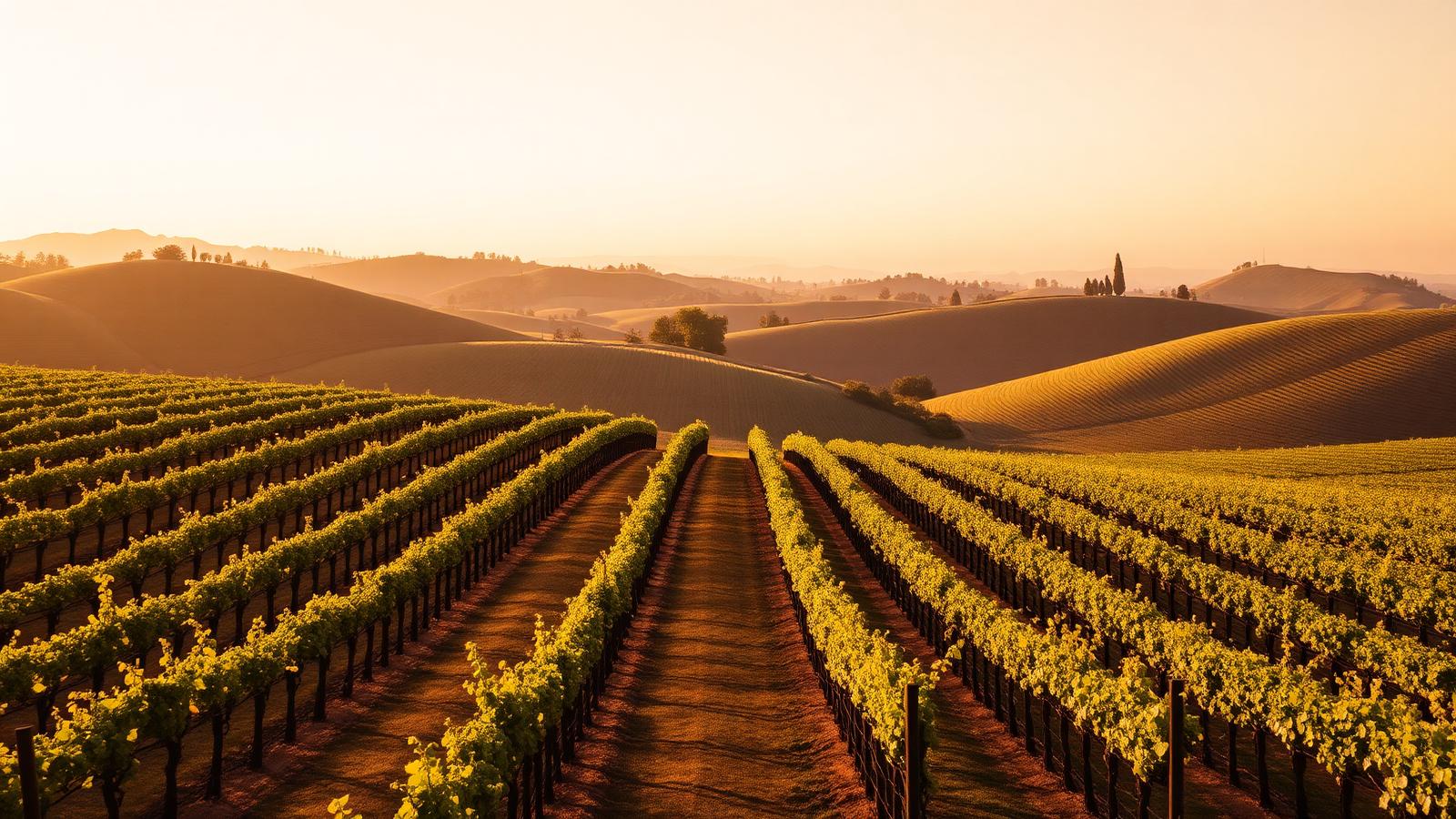
Sonoma's true magic lies in its profound geological diversity. The ragged Coast Range gives way to fertile river valleys, and dormant volcanoes have bequeathed rich, iron-red soils. This intricate topography creates a patchwork of sun exposures and drainage patterns, allowing for a remarkable range of varietals to flourish. Imagine cool, windswept slopes yielding elegant and ethereal , while further inland, the warmth coaxes out the dark fruit and spice of and . Each sip here is a journey through the very contours and composition of the land, a testament to the intimate connection between grape and ground.
The Rhythm of the Seasons
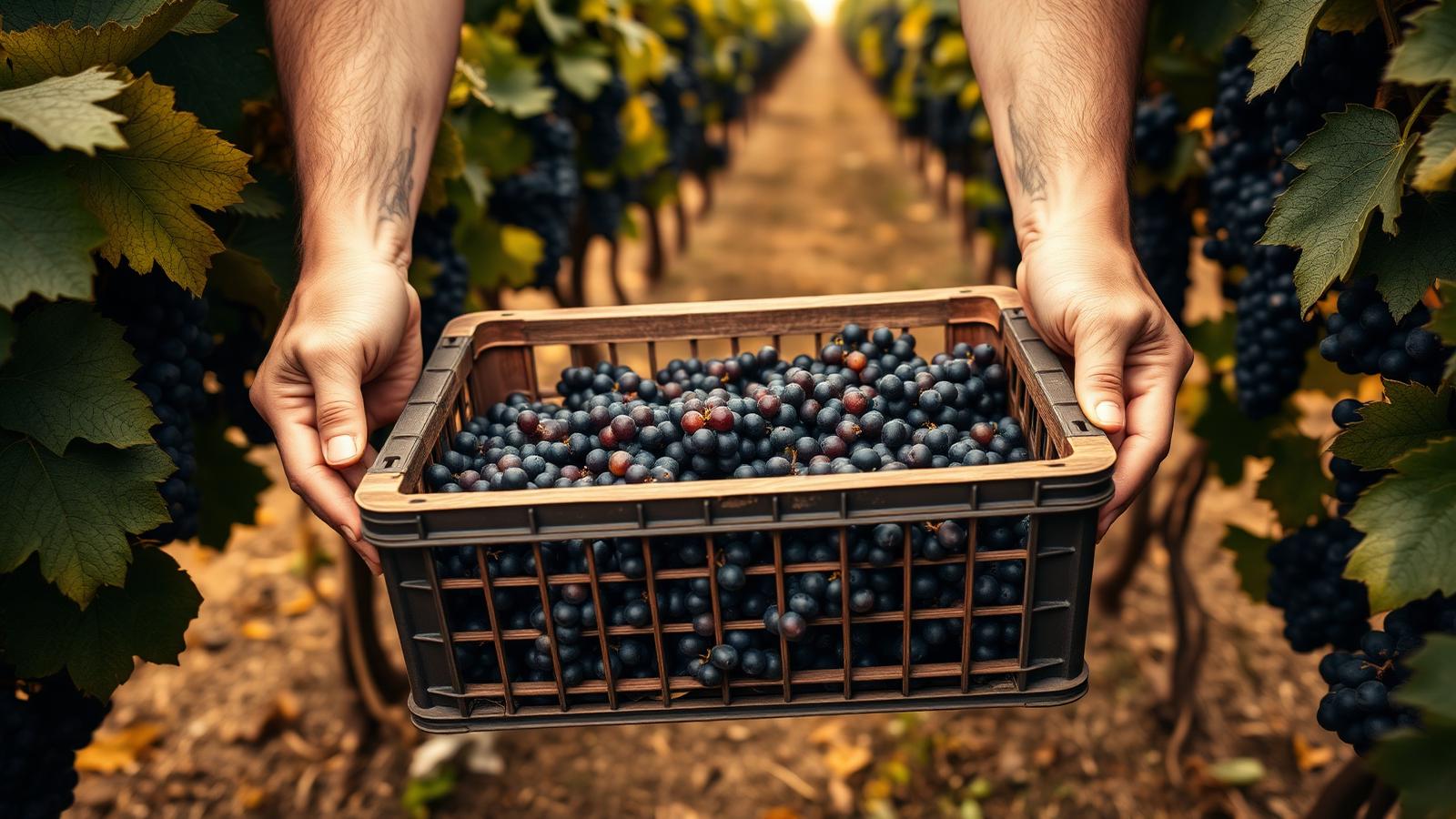
Life in Sonoma cycles with the seasons, each bringing its own charm and invitation. Spring bursts forth with vibrant green, the vines awakening and wildflowers blooming across the hillsides, a time for gentle exploration. Summer offers long, sun-drenched days, perfect for leisurely drives through vineyard-laced valleys and enjoying the coastal breezes. Autumn, of course, is the crescendo – the bustling energy of harvest, the air thick with the aroma of fermenting grapes, and the landscape ablaze with color. Even winter holds its quiet beauty, with mist-shrouded vineyards offering a contemplative repose, reminding us of the cyclical nature of this blessed land.
Planning a visit to Sonoma County
Best time to visit Sonoma County
Late spring and early autumn are the choices — comfortable weather, generous light, and vineyards at their most photogenic. Summer is warmer and livelier, with long evenings and outdoor tables everywhere. Winter is peaceful, cellars are quiet, and there's a real intimacy to visits without the crowds.
Where to base yourself
The main village or town in Sonoma County is usually the easiest base — it puts you in walking distance of restaurants and daily life, with vineyards a short drive away. Staying in the countryside is quieter and more romantic, but you'll rely more on a car or a driver. Both are valid; pick the mood you want your trip to have.
Getting to Sonoma County
Most travellers reach Sonoma County by combining a flight into the nearest major city with a train, bus, or rental car for the last leg. Once you arrive, distances are usually short — many memorable days here involve less driving than you'd expect.
Making the most of a day in Sonoma County
A good day in Sonoma County tends to have a shape: a slow morning, a couple of unhurried tasting stops, a proper local lunch, and time in the late afternoon to walk, nap, or take in a view. Try not to over-plan — the best moments usually turn up between the ones you scheduled.
Frequently asked questions
What is the best way to navigate between the various wine regions within Sonoma County?
Sonoma County is best explored by car, allowing you the freedom to discover its diverse regions and hidden gems at your own pace. The roads are generally well-maintained, offering scenic journeys through vineyards and charming towns. For a more relaxed experience, consider hiring a private driver for a day or utilizing ride-sharing services between specific areas, especially if you plan to enjoy some wine tastings. Many smaller towns are walkable once you arrive, but inter-town travel typically requires a vehicle.
What kind of clothing should I pack for a visit to Sonoma County?
Due to Sonoma's varied microclimates, it's wise to pack layers. Even on a warm day, coastal areas can be cool and foggy, especially in the mornings and evenings. Lightweight clothing for daytime in warmer inland areas, paired with a sweater, jacket, or shawl for cooler temperatures, is ideal. Comfortable walking shoes are a must for exploring vineyards and quaint towns. Don't forget a hat and sunscreen for sun protection, particularly during the spring and summer months.
Are there good dining options beyond the wineries, and what is the general culinary style?
Sonoma County boasts an exceptional culinary scene that extends far beyond winery experiences. You'll find everything from rustic farm-to-table eateries and charming cafes to upscale restaurants focusing on California cuisine. The general style is fresh, seasonal, and locally sourced, celebrating the region's agricultural abundance. Many establishments highlight ingredients from nearby farms, fishing boats, and artisanal producers. Be sure to explore the culinary offerings in towns like Healdsburg, Sonoma, and Santa Rosa for a wide range of delightful choices.
What is the best time of year to visit Sonoma County for general touring and wine experiences?
Each season offers a unique charm. Late spring (April-May) presents blooming vineyards, pleasant weather, and fewer crowds. Summer (June-August) is warm and vibrant, popular for outdoor activities, though coastal areas remain cooler. Early autumn (September-October) is particularly enchanting, offering the excitement of harvest season, beautiful fall colors, and still-pleasant temperatures. Late autumn and winter bring a quieter, more contemplative atmosphere, often with clear, crisp days and cozy fireside experiences, perfect for those seeking tranquility.