

Southeastern New England Wine Guide
Wineries in Southeastern New England
View all 10 wineries →Villages, Farms, and Flavors
Beyond the vineyards, the landscape unfurls into picturesque villages where white-steepled churches stand sentinel over quiet greens. Historic farmhouses, weathered by centuries, dot the countryside, speaking of a enduring connection to the land. Culinary traditions here are deeply intertwined with the seasons, celebrating fresh seafood from local waters – think succulent oysters and sweet scallops – alongside farm-to-table produce. Enjoying a glass of the region's bright, food-friendly wine with a meal crafted from local ingredients is an experience that truly captures the soul of this place.
Coastal Influences and Varietals
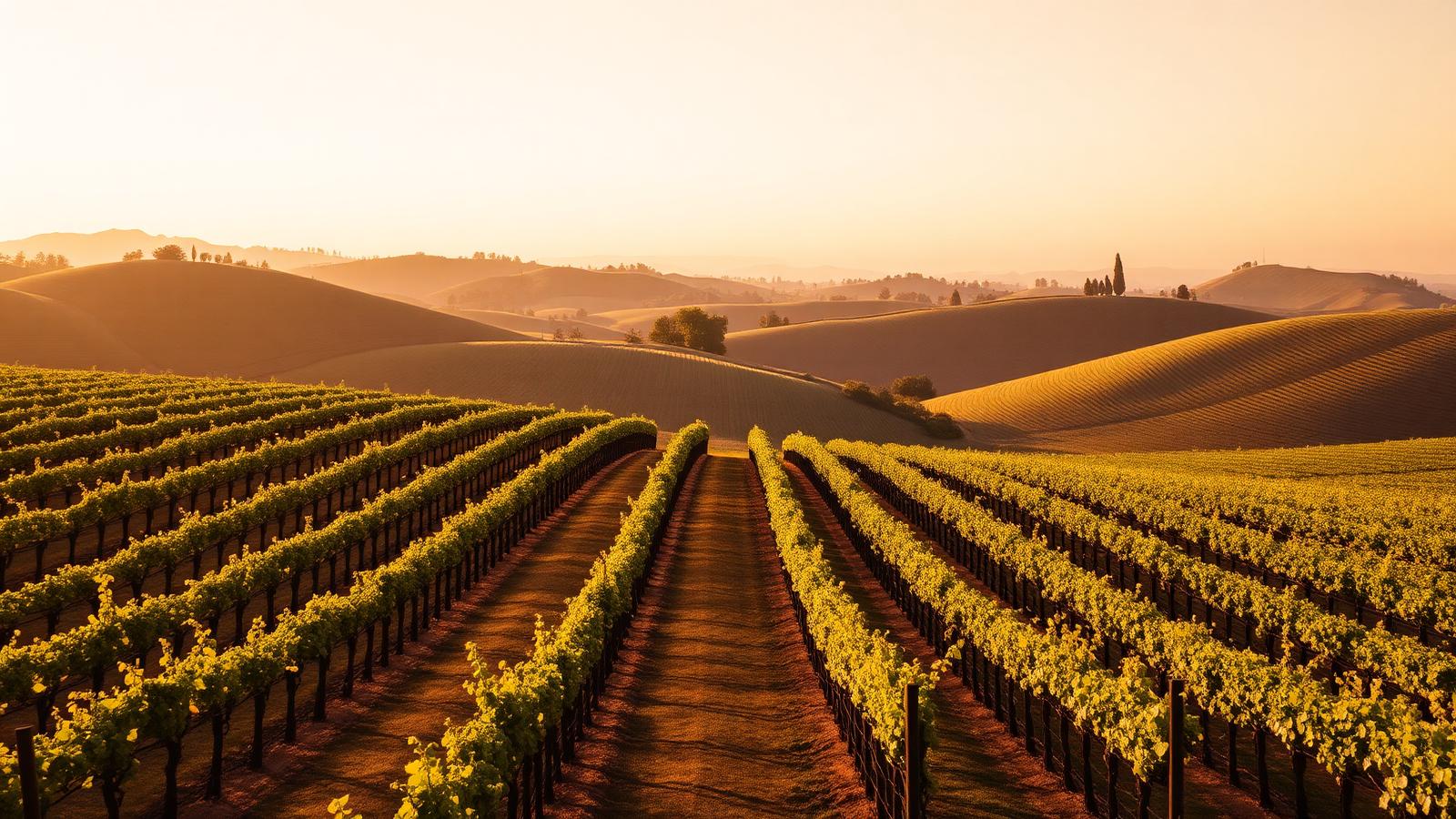
The intimate character of Southeastern New England's wine is profoundly shaped by its proximity to the Atlantic. Cool maritime breezes temper the summer heat, protecting vines from harsh extremes and ensuring a slower, more deliberate ripening. This unique microclimate is particularly kind to cool-climate varietals, allowing them to express a vibrant acidity and delicate aromatic profile. You'll often find wines with a refreshing crispness, reflecting the clean air and saline whisper of the nearby ocean. The grapes here are not forced, but rather encouraged to reveal their true essence.

Planning a visit to Southeastern New England
Best time to visit Southeastern New England
Late spring and early autumn are the choices — comfortable weather, generous light, and vineyards at their most photogenic. Summer is warmer and livelier, with long evenings and outdoor tables everywhere. Winter is peaceful, cellars are quiet, and there's a real intimacy to visits without the crowds.
Where to base yourself
The main village or town in Southeastern New England is usually the easiest base — it puts you in walking distance of restaurants and daily life, with vineyards a short drive away. Staying in the countryside is quieter and more romantic, but you'll rely more on a car or a driver. Both are valid; pick the mood you want your trip to have.
Getting to Southeastern New England
Most travellers reach Southeastern New England by combining a flight into the nearest major city with a train, bus, or rental car for the last leg. Once you arrive, distances are usually short — many memorable days here involve less driving than you'd expect.
Making the most of a day in Southeastern New England
A good day in Southeastern New England tends to have a shape: a slow morning, a couple of unhurried tasting stops, a proper local lunch, and time in the late afternoon to walk, nap, or take in a view. Try not to over-plan — the best moments usually turn up between the ones you scheduled.
Frequently asked questions
What is the best time of year to visit Southeastern New England for wine experiences?
The autumn months, particularly September and October, are breathtaking. The air is crisp, the fall foliage is spectacular, and it’s harvest season, which brings a palpable energy to the vineyards. However, late spring (May-June) offers lush greenery and fewer crowds, while summer provides warm days perfect for enjoying outdoor patios and events. Each season offers a unique perspective on the region's beauty and viticultural cycle. Winter, though quieter, can be charming for cozy tastings by a fire.
What kind of local cuisine pairs well with the wines of Southeastern New England?
The regional cuisine perfectly complements the crisp, often aromatic wines produced here. Think fresh seafood—especially oysters, clams, and lobster—which harmonize beautifully with the bright acidity of the local whites. Farm-to-table ingredients, from seasonal vegetables to artisanal cheeses and fresh baked goods, also find their match in the versatile reds and rosés. Don't miss the opportunity to savor local flavors that mirror the purity and distinctiveness found in the wines.
Can I explore the wine region using public transportation, or is a car necessary?
While public transportation connects major towns, exploring the vineyards and charming villages of Southeastern New England's wine country is best done with a car. This allows you the freedom to set your own pace, venture down scenic country roads, and visit multiple locations without being constrained by bus or train schedules. Taxis or ride-sharing services may be available in larger towns, but they can be limited in rural areas, making a private vehicle the most convenient option for a relaxed tour.
Are there opportunities to learn about the winemaking process from local experts?
Absolutely. Many wineries in Southeastern New England offer tours and tastings that provide insight into their specific winemaking philosophies and techniques. You'll often find passionate individuals eager to share their knowledge, discussing everything from the unique microclimates and soil compositions to the challenges and rewards of growing grapes in this maritime region. During your visits, inquire about guided tours, special tasting experiences, or even blending workshops, which can deepen your appreciation for the local craft.