

Western Connecticut Highlands Wine Guide
Wineries in Western Connecticut Highlands
View all 13 wineries →A Culinary Dance
The culinary traditions of the Highlands are deeply rooted in their agricultural heritage, providing a perfect complement to the local wines. Imagine lingering over a meal, perhaps with a rustic cheese platter featuring artisanal goat or cow's milk cheeses from nearby farms, alongside crusty bread and preserves crafted from regional fruits. Hearty stews, roasted chicken with fresh herbs from kitchen gardens, or pan-seared trout from cold streams find a harmonious partner in the bright whites and nuanced reds. Farm-to-table ethics are not a trend here but a way of life, ensuring every dish sings with the freshest, most seasonal ingredients, celebrating the bounty of the land.
Terroir and Grapes
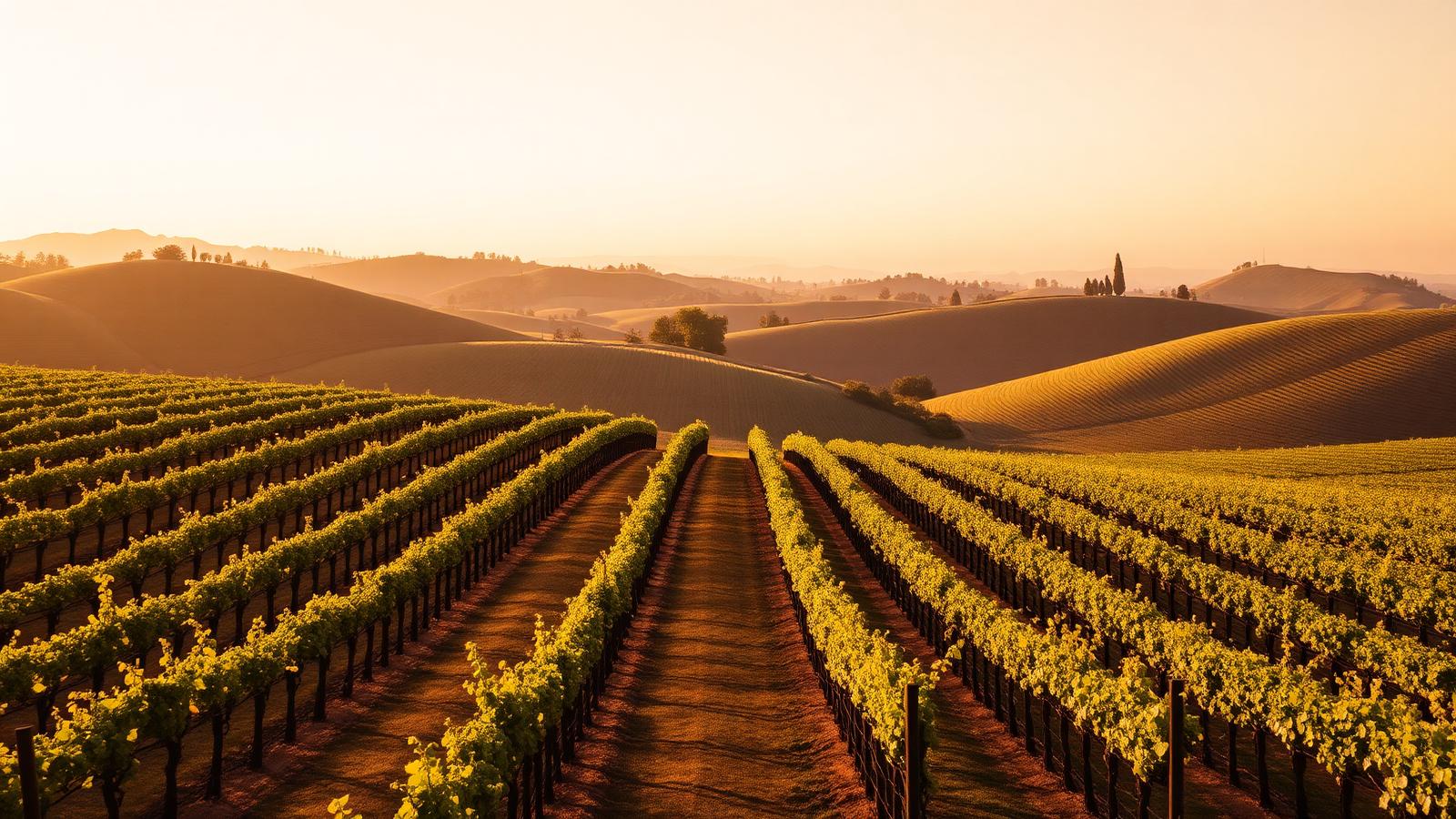
The intimate scale of the Western Connecticut Highlands fosters a fascinating array of microclimates, where sheltered valleys and sun-drenched slopes offer distinct environments. Glacial till and well-drained soils, rich in mineral fragments, provide the ideal canvas for cool-climate varietals. Here, French-American hybrids often excel, alongside certain European vinifera. Expect to find bright, aromatic whites with crisp acidity, sometimes expressing notes of green apple, stony minerality, or subtle floral nuances. Red wines tend towards lighter bodies, often showcasing red berry fruits and a delicate earthiness. This unique confluence of soil, aspect, and choice paints an authentic portrait of the region's viticultural identity.
Planning a visit to Western Connecticut Highlands
Best time to visit Western Connecticut Highlands
Late spring and early autumn are the choices — comfortable weather, generous light, and vineyards at their most photogenic. Summer is warmer and livelier, with long evenings and outdoor tables everywhere. Winter is peaceful, cellars are quiet, and there's a real intimacy to visits without the crowds.
Where to base yourself
The main village or town in Western Connecticut Highlands is usually the easiest base — it puts you in walking distance of restaurants and daily life, with vineyards a short drive away. Staying in the countryside is quieter and more romantic, but you'll rely more on a car or a driver. Both are valid; pick the mood you want your trip to have.
Getting to Western Connecticut Highlands
Most travellers reach Western Connecticut Highlands by combining a flight into the nearest major city with a train, bus, or rental car for the last leg. Once you arrive, distances are usually short — many memorable days here involve less driving than you'd expect.
Making the most of a day in Western Connecticut Highlands
A good day in Western Connecticut Highlands tends to have a shape: a slow morning, a couple of unhurried tasting stops, a proper local lunch, and time in the late afternoon to walk, nap, or take in a view. Try not to over-plan — the best moments usually turn up between the ones you scheduled.
Frequently asked questions
When is the best time of year to visit the Western Connecticut Highlands for wine exploration?
The most enchanting times to visit are late spring through early autumn. In spring, the vineyards burst with new life, and the landscape is a vibrant green. Summer offers long, sun-drenched days perfect for leisurely drives and outdoor tastings, though weekends can be busier. The true magic arrives in autumn, with the spectacular fall foliage set against the ripe vineyards, and the buzz of harvest in the air. Winter offers a quiet solitude, and a chance to experience the region's peaceful charm, though some establishments may have reduced hours; always check ahead.
What kind of attire should I pack for a visit to this region?
Comfortable, layered clothing is always a good choice, as the weather can shift, especially between day and night. For vineyard visits, sturdy, flat shoes are recommended for walking on uneven terrain. If you plan to dine at more refined establishments, smart casual attire would be appropriate. In the cooler months, a warm jacket, hat, and gloves are essential, while summer calls for breathable fabrics, perhaps a light sweater for cooler evenings, and sunglasses.
Are there good options for dining and accommodation close to the vineyards?
While specific names are not mentioned, the Western Connecticut Highlands are dotted with charming inns, bed and breakfasts, and family-run restaurants that embody the region's character. Many offer locally sourced menus that pair beautifully with the regional wines. You'll find choices ranging from rustic farmhouse stays to more refined boutique accommodations. It is advisable to book dining and lodging in advance, especially during peak seasons like autumn or holiday weekends, to ensure the best experience and availability.
What non-wine activities can I enjoy to complement my visit?
Beyond glorious wine exploration, the Highlands offer a wealth of experiences. Explore local art galleries and antique shops in the charming villages. Take a scenic drive along winding back roads, perhaps stopping for a picnic beside a quiet stream. Hiking and walking trails abound, offering opportunities to connect with the region's natural beauty. Many farms offer seasonal produce or artisanal products, and local historical societies often host events or maintain small museums, providing a deeper understanding of the area's rich heritage.