

Snake River Valley Wine Guide
Wineries in Snake River Valley
View all 22 wineries →Rural Rhythms and Culinary Connections
Life in the Snake River Valley moves at a comfortable, unhurried pace, dictated by the turning of the seasons. Amidst rolling farmlands and winding rivers, small, welcoming communities offer a genuine taste of Idaho hospitality. Cuisine here often celebrates the bounty of the land: fresh trout from pristine waters, locally raised lamb, and the iconic Idaho potato, elevated by innovative preparations. Many vineyard kitchens embrace a farm-to-table philosophy, crafting dishes that perfectly complement the regional wines, from crisp, aromatic whites to robust, fruit-forward reds, often enjoyed al fresco under the vast Western sky.
Grapes of Promising Distinction
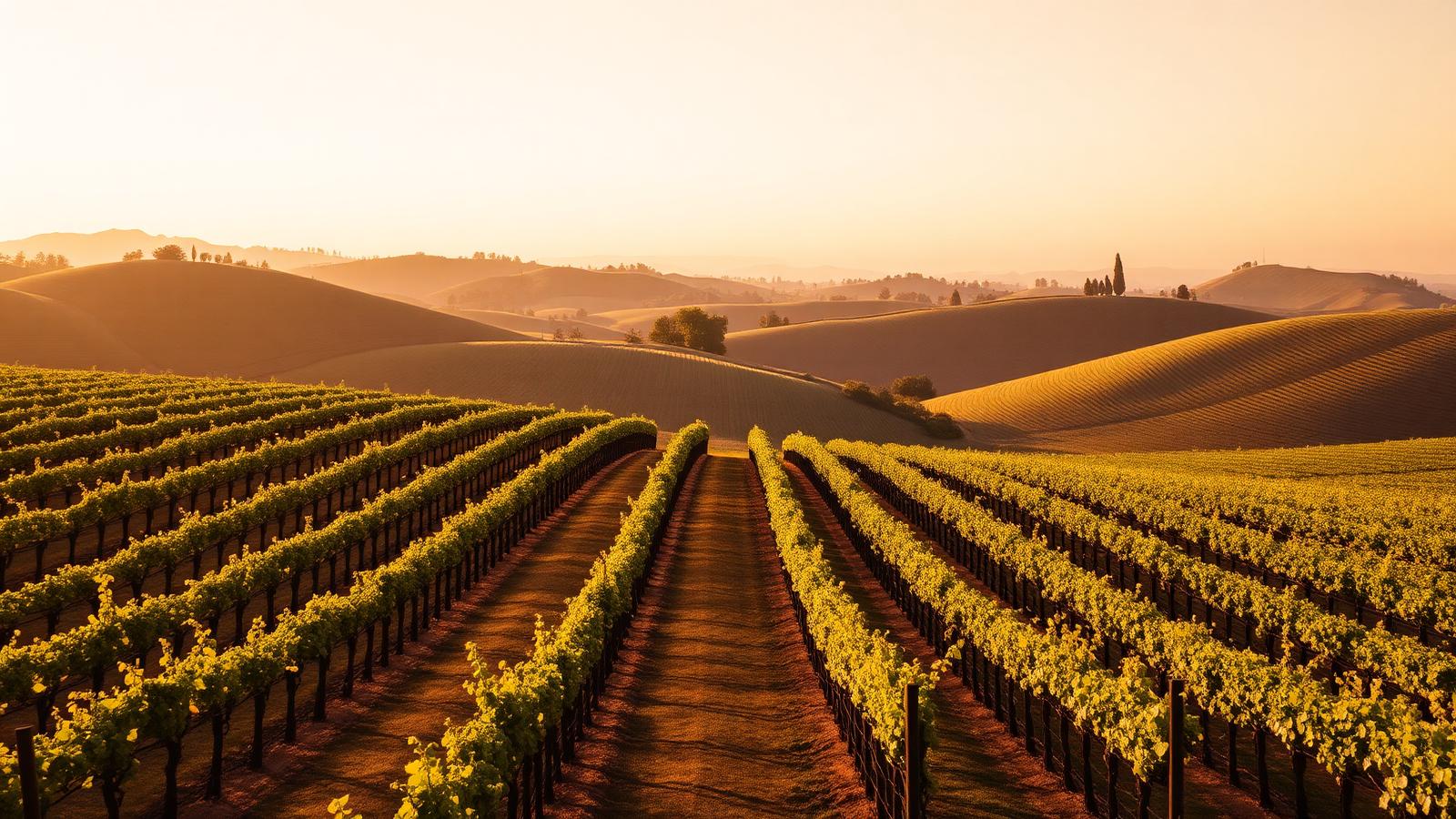
While emerging, the Snake River Valley has found particular success with certain grape varietals that thrive in its unique conditions. expresses itself with remarkable purity, offering bright acidity and nuanced orchard fruit notes, often with a whisper of minerality from the volcanic soils. Robust reds like and achieve impressive depth and complexity, showcasing dark fruit, spice, and a firm structure. Even lesser-known grapes, thoughtfully cultivated, reveal unexpected character, reflecting the region’s pioneering spirit and the winemakers' dedication to exploring the full potential of this distinctive American , creating wines of both power and finesse.
Mountain-Kissed Microclimates
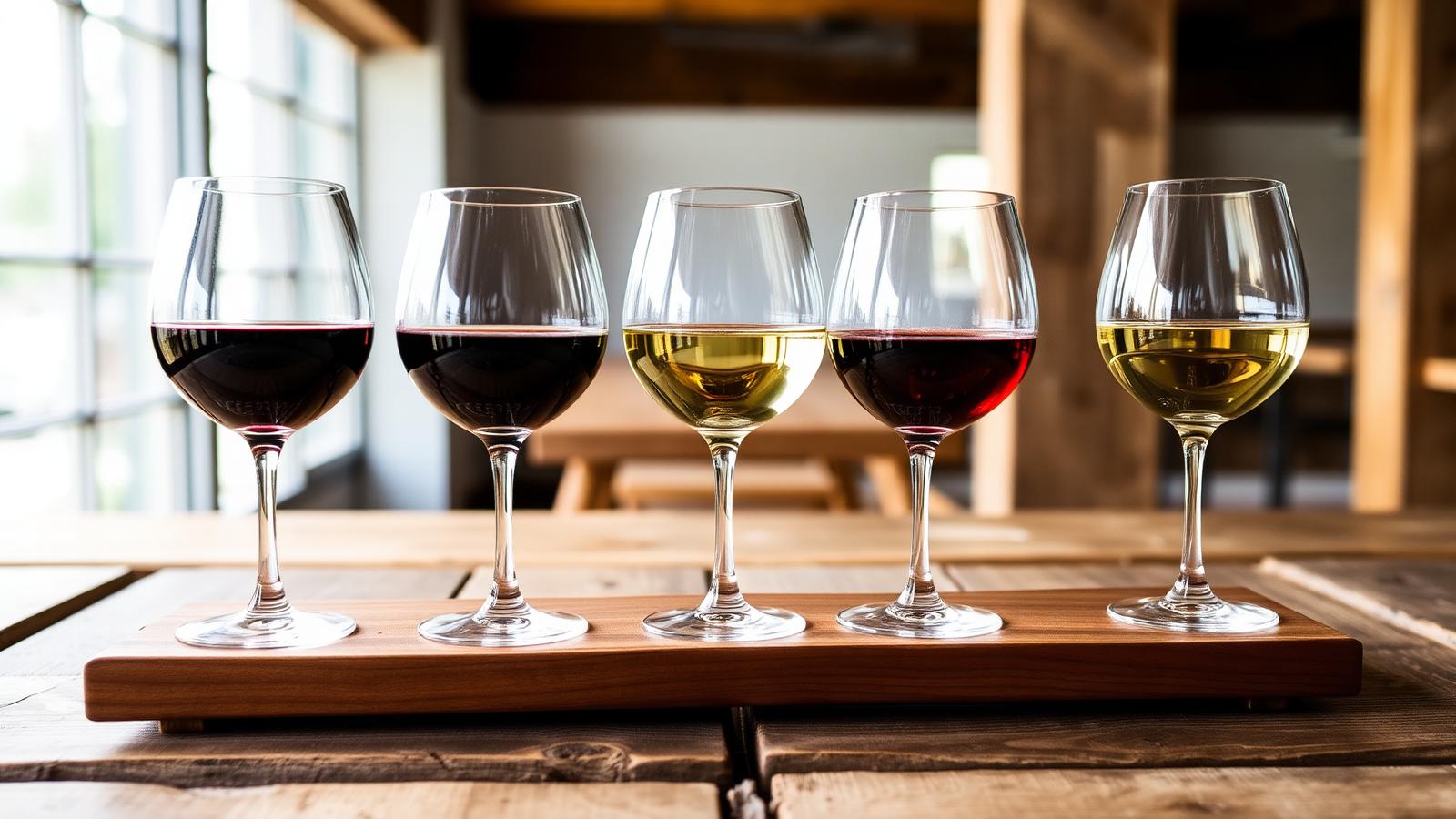
The distinct character of Snake River Valley wines is born from its dramatic microclimates. Elevated vineyards perch between 2,500 and 3,000 feet, where the intense high-desert sun ripens grapes to perfection, while significant diurnal shifts — the sharp drop in temperature after sunset — preserve essential acidity. This daily thermal balancing act, coupled with the rain-shadow effect of surrounding mountain ranges that ensures a dry growing season, allows varietals like to sing with bright clarity and to develop deep, concentrated flavors. The ancient volcanic soils, rich in minerals, impart a unique , contributing to wines with a singular sense of place and structure.
Planning a visit to Snake River Valley
Best time to visit Snake River Valley
Late spring and early autumn are the choices — comfortable weather, generous light, and vineyards at their most photogenic. Summer is warmer and livelier, with long evenings and outdoor tables everywhere. Winter is peaceful, cellars are quiet, and there's a real intimacy to visits without the crowds.
Where to base yourself
The main village or town in Snake River Valley is usually the easiest base — it puts you in walking distance of restaurants and daily life, with vineyards a short drive away. Staying in the countryside is quieter and more romantic, but you'll rely more on a car or a driver. Both are valid; pick the mood you want your trip to have.
Getting to Snake River Valley
Most travellers reach Snake River Valley by combining a flight into the nearest major city with a train, bus, or rental car for the last leg. Once you arrive, distances are usually short — many memorable days here involve less driving than you'd expect.
Making the most of a day in Snake River Valley
A good day in Snake River Valley tends to have a shape: a slow morning, a couple of unhurried tasting stops, a proper local lunch, and time in the late afternoon to walk, nap, or take in a view. Try not to over-plan — the best moments usually turn up between the ones you scheduled.
Frequently asked questions
When is the best time of year to visit the Snake River Valley for wine tasting?
The ideal time to visit is typically from late spring through early autumn, roughly May to October. In spring, the valley bursts into vibrant green, and the air is crisp. Summer offers warm, sunny days perfect for vineyard tours, though some might find July and August quite hot during midday. Early autumn, particularly September and October, is particularly enchanting with comfortable temperatures, golden foliage, and the exciting bustle of harvest season, offering a sensory richness that's hard to beat. Always check specific tasting room hours, as they can vary seasonally.
What kind of clothing should I pack for a visit to this region?
Given the high desert climate, layering is key. Even in warmer months, evenings can be significantly cooler than the daytime. Pack comfortable, breathable fabrics for daytime exploration – sturdy walking shoes are a must for vineyard tours. Bring a light jacket or sweater, even in summer, for the evenings. In spring and fall, a warmer coat and perhaps a hat are advisable. Don't forget sunscreen and sunglasses, as the Idaho sun can be quite intense, especially at higher elevations.
Are there dining options available in the Snake River Valley, or should I plan to bring my own food?
While the Snake River Valley isn't teeming with large urban centers, you'll find charming dining options within its small towns and often at or near some of the tasting rooms. Many establishments focus on seasonal, local ingredients, showcasing Idaho's bounty. You can expect farm-to-table fare, casual eateries, and often some more refined options. However, for full flexibility, especially if you plan on exploring remote areas, packing some snacks or a picnic lunch is always a wise idea. It’s always best to check restaurant hours and make reservations, particularly on weekends.
Can I visit vineyards without making advance reservations?
It's always a good practice to make advance reservations, especially if you plan to visit on weekends, during harvest season, or with a larger group. Many of the vineyards in the Snake River Valley are smaller, family-run operations with limited staff, and scheduling ahead ensures they can provide you with the best experience. While some might accommodate walk-ins, you risk disappointment or a wait. A quick call or online booking can make your visit much smoother and more enjoyable, allowing winemakers to personally welcome you.