

Indiana, Uplands Wine Guide
Wineries in Indiana, Uplands
View all 18 wineries →Grapes of the Heartland
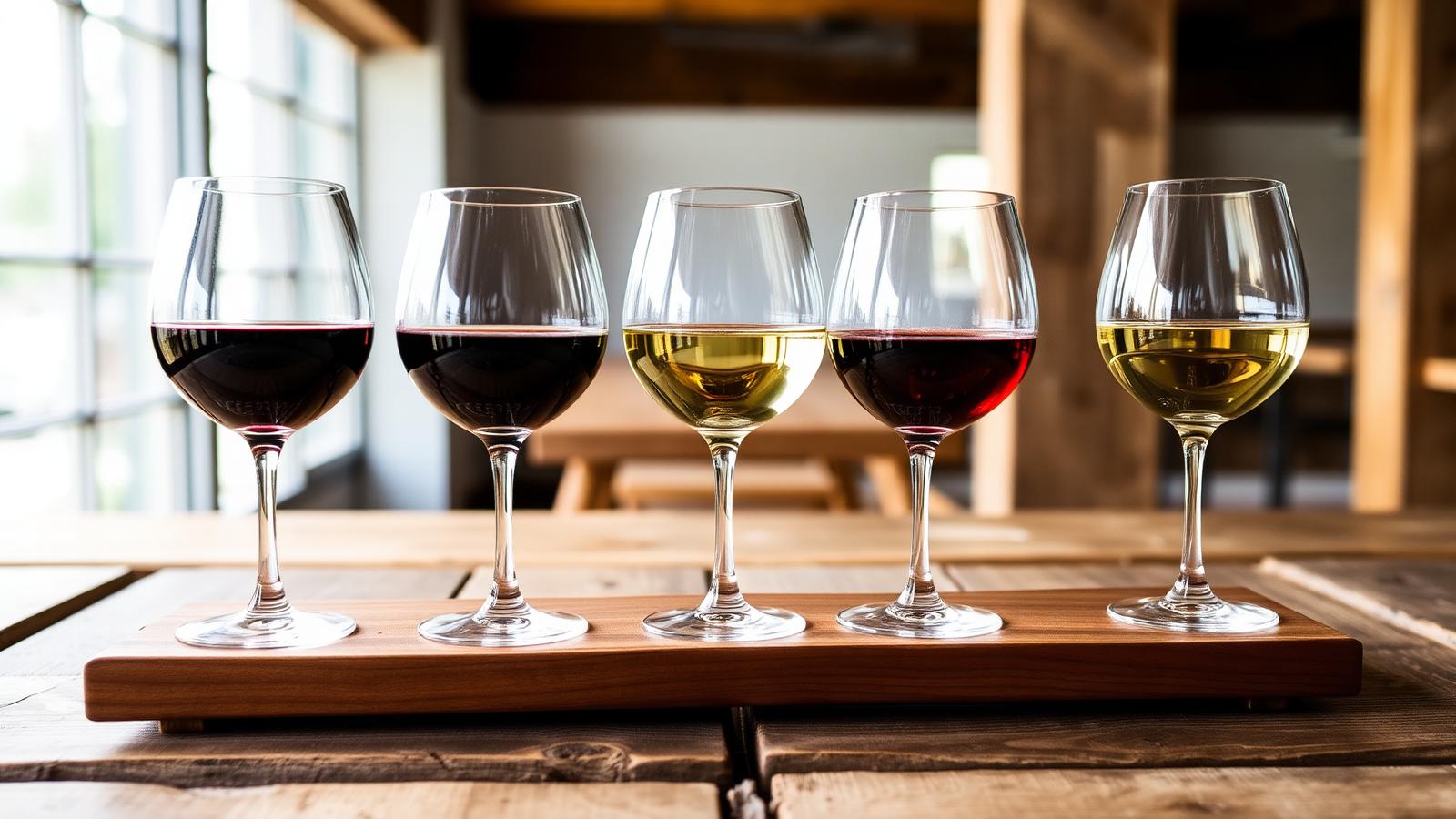
While emerging international varietals find their footing, it is the hybrid grapes that paint the fullest picture of winemaking in the Indiana Uplands. Consider the bright aromatics of , frequently expressing notes of lychee and rose, a delightful local favorite. Or the nuanced intricacies of Vignoles, offering a balance of sweet and tart, hinting at apricot and citrus, often crafted into exquisite dessert wines. For reds, Chambourcin provides a robust backbone, with its dark fruit and earthy undertones, reflecting the richness of the soil. These varieties, resilient and expressive, are carefully nurtured, resulting in wines that are both approachable and intriguing, perfectly suited to the regional palate.
The Soul of the Soil
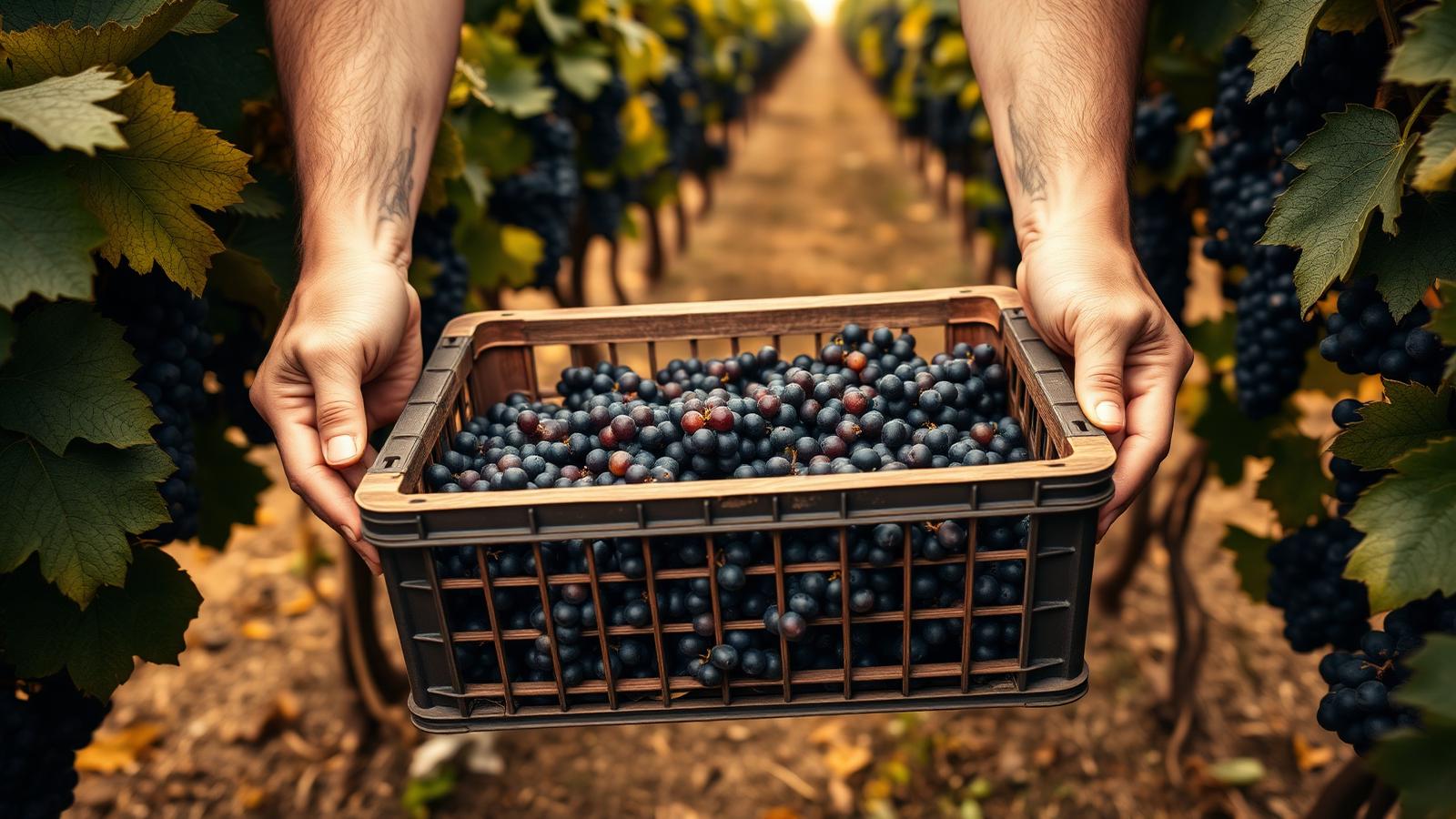
The geological narrative of the Indiana Uplands is written in its ancient limestone. This bedrock subtly influences the region's diverse soils, from the well-drained, silty loams to the more clay-rich pockets. These varied foundations, coupled with a continental climate experiencing four distinct seasons, create a challenging yet rewarding environment for viticulture. The diurnal temperature shifts, especially during the crucial ripening period, help to develop complex aromatics and retain a vibrant acidity in the fruit. These conditions are particularly suited to hybrid grapes, allowing them to express full character and imbue a sense of place in every sip, a truly unique expression of heartland .
Planning a visit to Indiana, Uplands
Best time to visit Indiana, Uplands
Late spring and early autumn are the choices — comfortable weather, generous light, and vineyards at their most photogenic. Summer is warmer and livelier, with long evenings and outdoor tables everywhere. Winter is peaceful, cellars are quiet, and there's a real intimacy to visits without the crowds.
Where to base yourself
The main village or town in Indiana, Uplands is usually the easiest base — it puts you in walking distance of restaurants and daily life, with vineyards a short drive away. Staying in the countryside is quieter and more romantic, but you'll rely more on a car or a driver. Both are valid; pick the mood you want your trip to have.
Getting to Indiana, Uplands
Most travellers reach Indiana, Uplands by combining a flight into the nearest major city with a train, bus, or rental car for the last leg. Once you arrive, distances are usually short — many memorable days here involve less driving than you'd expect.
Making the most of a day in Indiana, Uplands
A good day in Indiana, Uplands tends to have a shape: a slow morning, a couple of unhurried tasting stops, a proper local lunch, and time in the late afternoon to walk, nap, or take in a view. Try not to over-plan — the best moments usually turn up between the ones you scheduled.
Frequently asked questions
What is the best time of year to visit the Indiana Uplands for a wine-focused trip?
The Indiana Uplands offer distinct charms throughout the year for wine enthusiasts. Late spring, especially May and early June, brings lush greenery and pleasant temperatures for vineyard walks. Autumn, from late September through October, is particularly captivating, as the foliage transforms into a riot of color and the region buzzes with the energy of harvest. Wineries often host special events during this period. Even winter offers a cozy experience, with warm fires and perhaps barrel tastings, providing a different perspective on the winemaking process and a chance to truly connect with the producers.
Are there specific types of wines or grape varietals that the Indiana Uplands are known for, and should I expect to find them easily?
Yes, the Uplands region is particularly recognized for its high-quality hybrid grape varietals. You will commonly find excellent examples of , known for its aromatic, often slightly sweet profile reminiscent of . Vignoles is another star, frequently crafted into off-dry or dessert wines with lovely apricot and citrus notes. For reds, Chambourcin offers a medium-bodied option with savory dark fruit. While European varietals are being explored, these distinctive hybrids truly define the regional style and you should certainly expect to encounter them frequently at local establishments.
What kind of local food experiences should I seek out to pair with the region's wines?
The Uplands offers delightful culinary opportunities focused on fresh, local ingredients that beautifully complement its wines. Seek out farm-to-table restaurants and roadside stands featuring seasonal produce like sweet corn, berries, and ripe tomatoes. Indiana is known for its pork, so dishes featuring local pork tenderloin or sausages are a must-try with a robust Chambourcin. Artisanal cheese makers are also prevalent, offering an array of cheese boards that pair wonderfully with a crisp or a sweeter Vignoles. Don't miss out on apple orchards and bakeries for rustic desserts, perhaps with a late-harvest wine.
Beyond wine tasting, what other cultural experiences or activities can I enjoy to deepen my understanding of the Indiana Uplands?
To truly immerse yourself in the culture of the Indiana Uplands, consider exploring the region's charming small towns, often featuring historic architecture and local artisan shops. Hiking and biking trails through the rolling hills and state parks offer an intimate connection with the landscape that shapes the wines. Art galleries and local craft studios showcase the creative spirit of the community. Many areas also have a rich musical tradition, with live performances often found in quaint venues. Engaging with local farmers at markets also provides insight into the agricultural roots that underpin the region's winemaking heritage.