

Mountains Wine Guide
Wineries in Mountains
View all 38 wineries →Village Life and Culinary Whispers
Life in the mountain villages unfolds with an unhurried grace, where Main Street might be just a single, charming thoroughfare. These communities, often nestled in verdant hollows, cherish traditions of artisan craft and heartfelt hospitality. Local eateries draw inspiration from the land, featuring seasonal produce, smoky, slow-cooked meats, and sweet mountain berries. Imagine a comforting meal of pan-seared trout from a crystal-clear stream, paired with a bright, unoaked white, or a robust, earthy red complementing slow-braised pork shoulder. The culinary journey here is as authentic and unpretentious as the landscape itself, deeply rooted in the harvest.
Mountain Terroir and Grapes
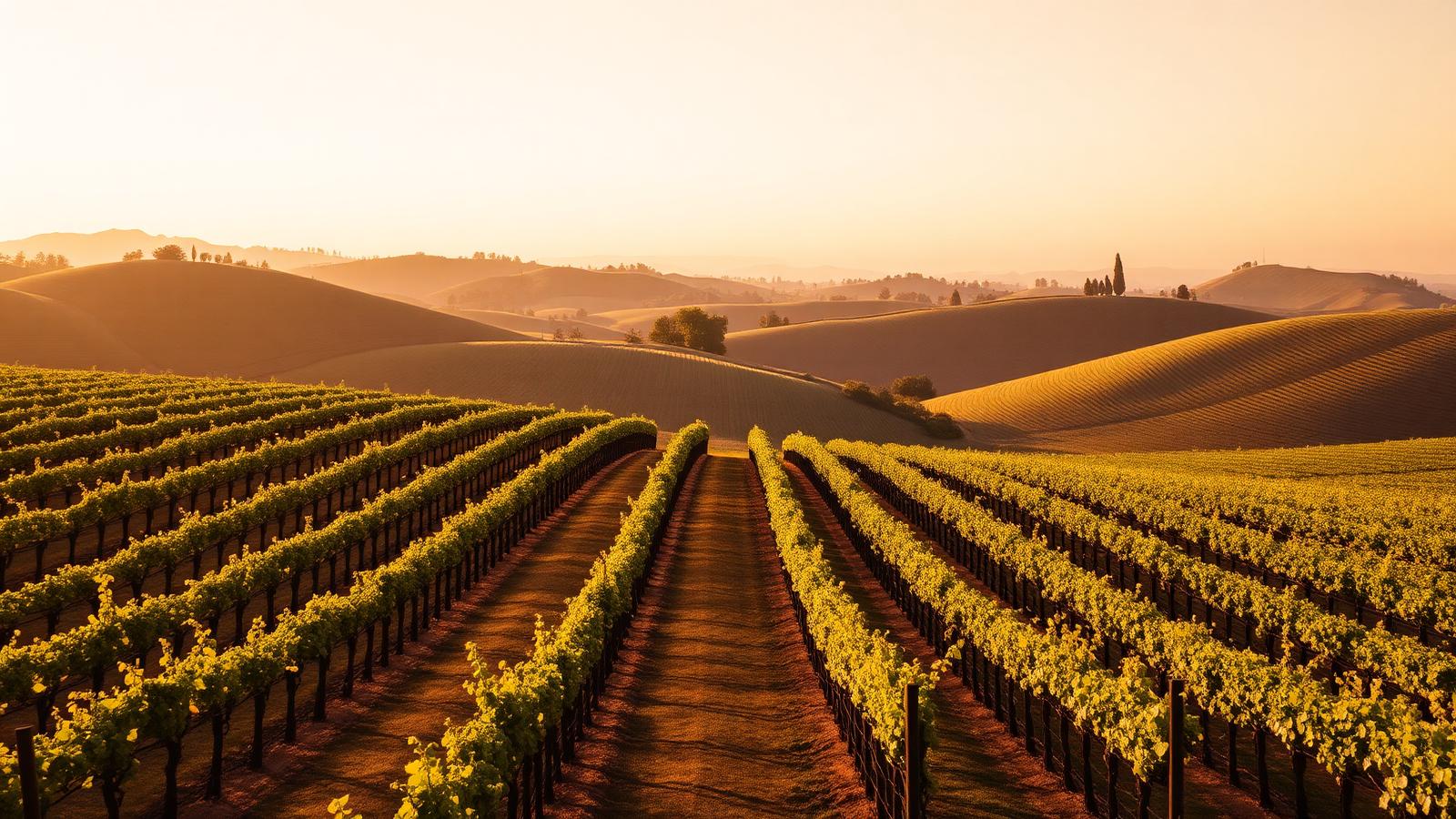
The geological soul of these mountains, predominantly granite and metamorphic rock, lends a distinct minerality to the wines. Coupled with the elevated altitudes, these soils create conditions that encourage roots to delve deep, drawing forth subtle complexities. Varietals like , with its herbaceous notes and structured palate, and crisp, aromatic find a remarkable expression here, often displaying bright acidity and a nuanced finish. Even bolder reds, when carefully nurtured, achieve a refined elegance that speaks to the extended ripening period afforded by the cool evenings. The wines are often characterized by freshness and a sense of place, reflecting the clean mountain air.
Planning a visit to Mountains
Best time to visit Mountains
Late spring and early autumn are the choices — comfortable weather, generous light, and vineyards at their most photogenic. Summer is warmer and livelier, with long evenings and outdoor tables everywhere. Winter is peaceful, cellars are quiet, and there's a real intimacy to visits without the crowds.
Where to base yourself
The main village or town in Mountains is usually the easiest base — it puts you in walking distance of restaurants and daily life, with vineyards a short drive away. Staying in the countryside is quieter and more romantic, but you'll rely more on a car or a driver. Both are valid; pick the mood you want your trip to have.
Getting to Mountains
Most travellers reach Mountains by combining a flight into the nearest major city with a train, bus, or rental car for the last leg. Once you arrive, distances are usually short — many memorable days here involve less driving than you'd expect.
Making the most of a day in Mountains
A good day in Mountains tends to have a shape: a slow morning, a couple of unhurried tasting stops, a proper local lunch, and time in the late afternoon to walk, nap, or take in a view. Try not to over-plan — the best moments usually turn up between the ones you scheduled.
Frequently asked questions
What is the best time of year to visit the Mountains region for wine tasting?
The shoulder seasons, particularly late spring (May-June) and early autumn (September-October), are ideal. In spring, the mountains burst into vibrant green, and the milder temperatures are perfect for exploring. Autumn brings spectacular foliage, crisp air, and often the buzz of harvest, offering a truly immersive experience. Summer can be lovely, but expect warmer temperatures. Winter, while beautiful with potential snow, sees some establishments with reduced hours, so it's wise to check ahead.
What kind of clothing should I pack for a trip to the North Carolina Mountains?
Layers are key, as mountain weather can change quickly. Even in summer, evenings can be cool. Pack comfortable walking shoes suitable for uneven terrain, as many wineries and villages involve some strolling. A light jacket or sweater is advisable year-round, and if visiting in spring or fall, definitely include warmer outer layers. Don't forget rain gear, as afternoon showers are common, especially in warmer months. Sun protection is also important due to the higher elevation.
Are there many dining options in the mountain towns, and what local specialties should I try?
Yes, many mountain towns offer charming dining experiences, often focusing on fresh, seasonal ingredients. You'll find everything from cozy cafes to upscale eateries. Be sure to try local specialties such as Appalachian-style barbecue, often slow-smoked and served with tangy sauces, and fresh trout from mountain streams. Many restaurants also incorporate local cheeses, wild mushrooms, and seasonal berries into their menus. Don't miss out on farm-to-table establishments that celebrate the region's bounty.
How should I plan my itinerary to make the most of my visit to the Mountain wine region?
Allow plenty of time to linger and avoid over-scheduling. The beauty of this region lies in its unhurried pace. Consider choosing a base town and exploring nearby areas, rather than trying to cover too much ground. Research individual establishments you'd like to visit beforehand for their operating hours and any reservation requirements, especially on weekends. Interweave wine tastings with scenic drives, short hikes, visits to artisan shops, and enjoying local culinary delights to fully immerse yourself in the mountain experience.