

Piedmont Wine Guide
Wineries in Piedmont
View all 65 wineries →Village Charms & Culinary Delights
Beyond the vines, the Piedmont's villages offer a glimpse into the heart of rural North Carolina. Quaint downtowns, often centered around historic squares or bustling main streets, invite unhurried exploration. Here, you'll find independent shops, local craftspeople, and cafes serving up Southern comfort food. The regional cuisine mirrors the generosity of the land: slow-cooked pork, fresh seasonal vegetables, succulent peaches, and cornmeal-based dishes feature prominently. These hearty, soulful flavors pair wonderfully with the local wines, creating an authentic farm-to-table experience that celebrates both the agricultural bounty and the warm, welcoming spirit of the region. Dining here is a relaxed affair, often enjoyed outdoors beneath ancient oak trees.
Grapes, Flavors & Rhythms
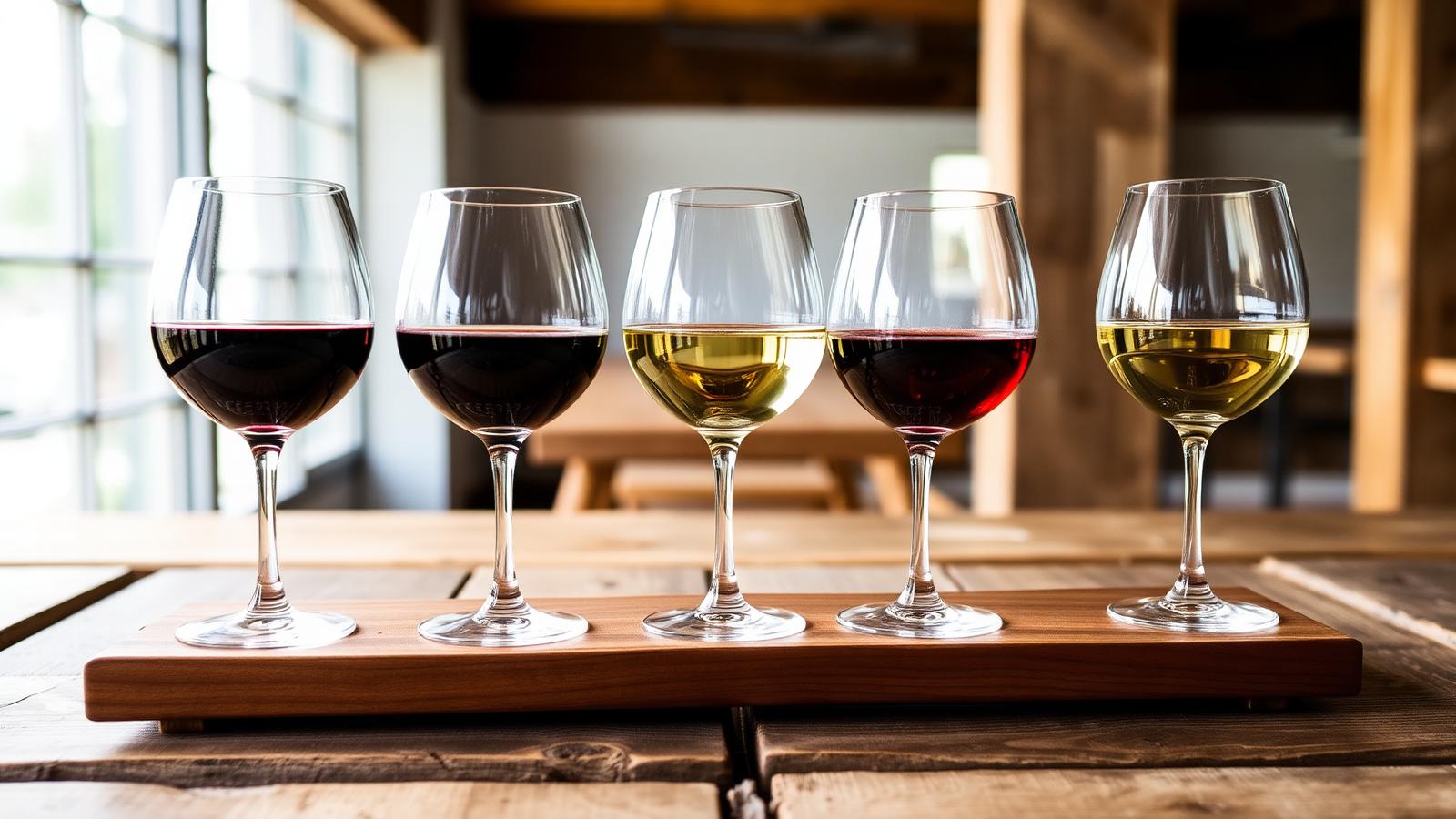
While the venerable Muscadine, with its distinct, aromatic profile, remains a cherished part of the Piedmont's wine tradition, the region has also seen a flourishing of European grape varieties. Robust , often expressing notes of bell pepper and raspberry, finds a home here, as do elegant , vibrant , and the rich, dark fruit of and . The wines reflect the region's character: approachable, often fruit-forward, with an underlying minerality that speaks of the red clay. A typical day might begin with the gentle hum of vineyard work in the cool morning, transition to a leisurely lunch featuring seasonal fare, and conclude with the quiet clinking of glasses as the day's last light paints the hillsides golden.
The Terroir's Embrace
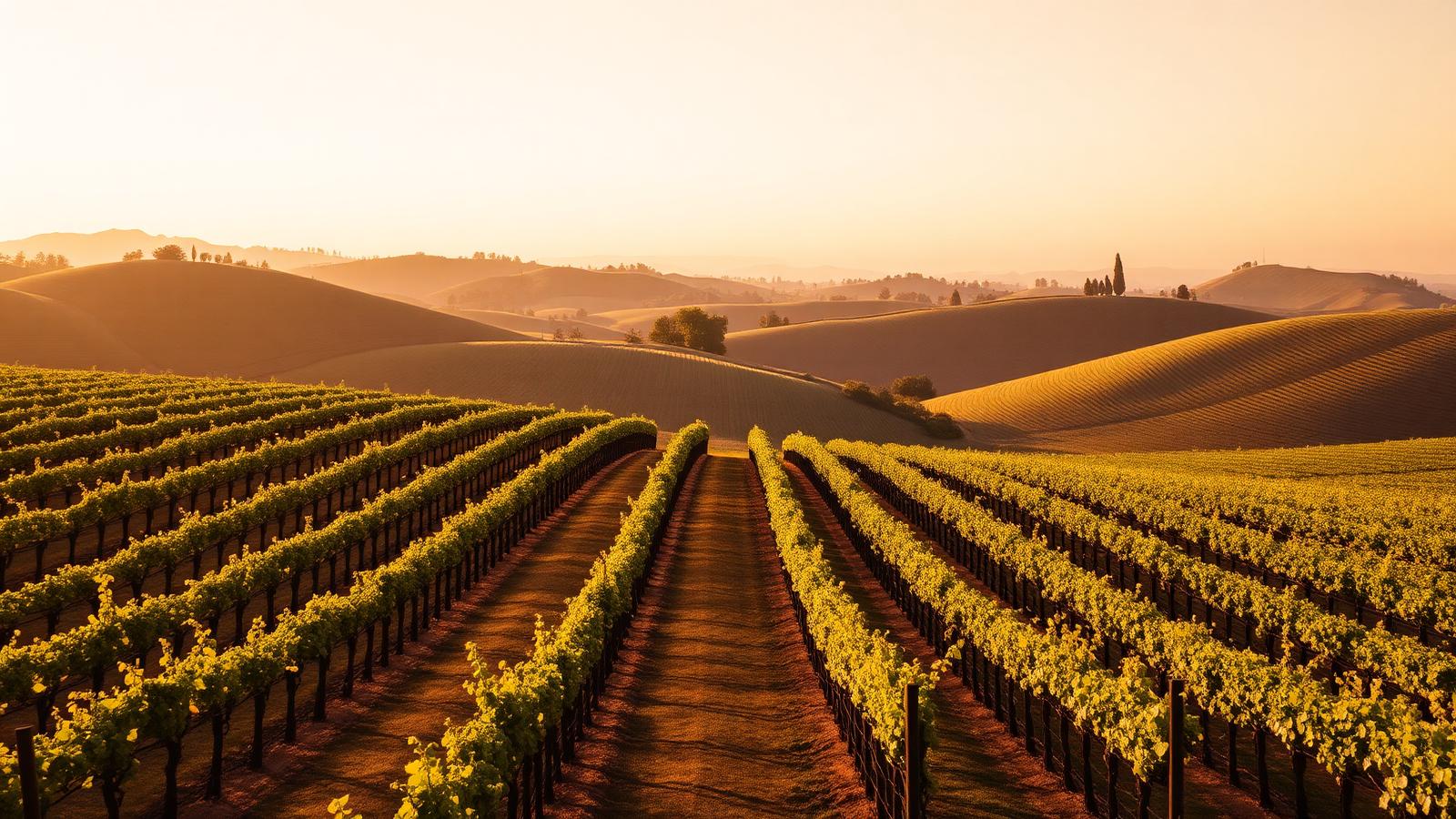
The Piedmont's geology is a tapestry of ancient volcanic rock and decomposed granite, creating the distinctive iron-rich red clay soils that define much of the landscape. These soils, well-draining yet capable of retaining essential moisture, are vital to the health and character of the region's vines. The moderate elevation and undulating terrain create countless microclimates, where sheltered valleys provide warmth and higher elevations offer cooling air currents. This interplay of soil and localized weather allows for a diverse planting of grapes, from sun-loving varietals that ripen fully to those that thrive on a slightly longer, cooler hang time, all contributing to the nuanced expressions found in the bottle. Each patch of land here tells its own story.
Planning a visit to Piedmont
Best time to visit Piedmont
Late spring and early autumn are the choices — comfortable weather, generous light, and vineyards at their most photogenic. Summer is warmer and livelier, with long evenings and outdoor tables everywhere. Winter is peaceful, cellars are quiet, and there's a real intimacy to visits without the crowds.
Where to base yourself
The main village or town in Piedmont is usually the easiest base — it puts you in walking distance of restaurants and daily life, with vineyards a short drive away. Staying in the countryside is quieter and more romantic, but you'll rely more on a car or a driver. Both are valid; pick the mood you want your trip to have.
Getting to Piedmont
Most travellers reach Piedmont by combining a flight into the nearest major city with a train, bus, or rental car for the last leg. Once you arrive, distances are usually short — many memorable days here involve less driving than you'd expect.
Making the most of a day in Piedmont
A good day in Piedmont tends to have a shape: a slow morning, a couple of unhurried tasting stops, a proper local lunch, and time in the late afternoon to walk, nap, or take in a view. Try not to over-plan — the best moments usually turn up between the ones you scheduled.
Frequently asked questions
What is the best time of year to visit the Piedmont wine region?
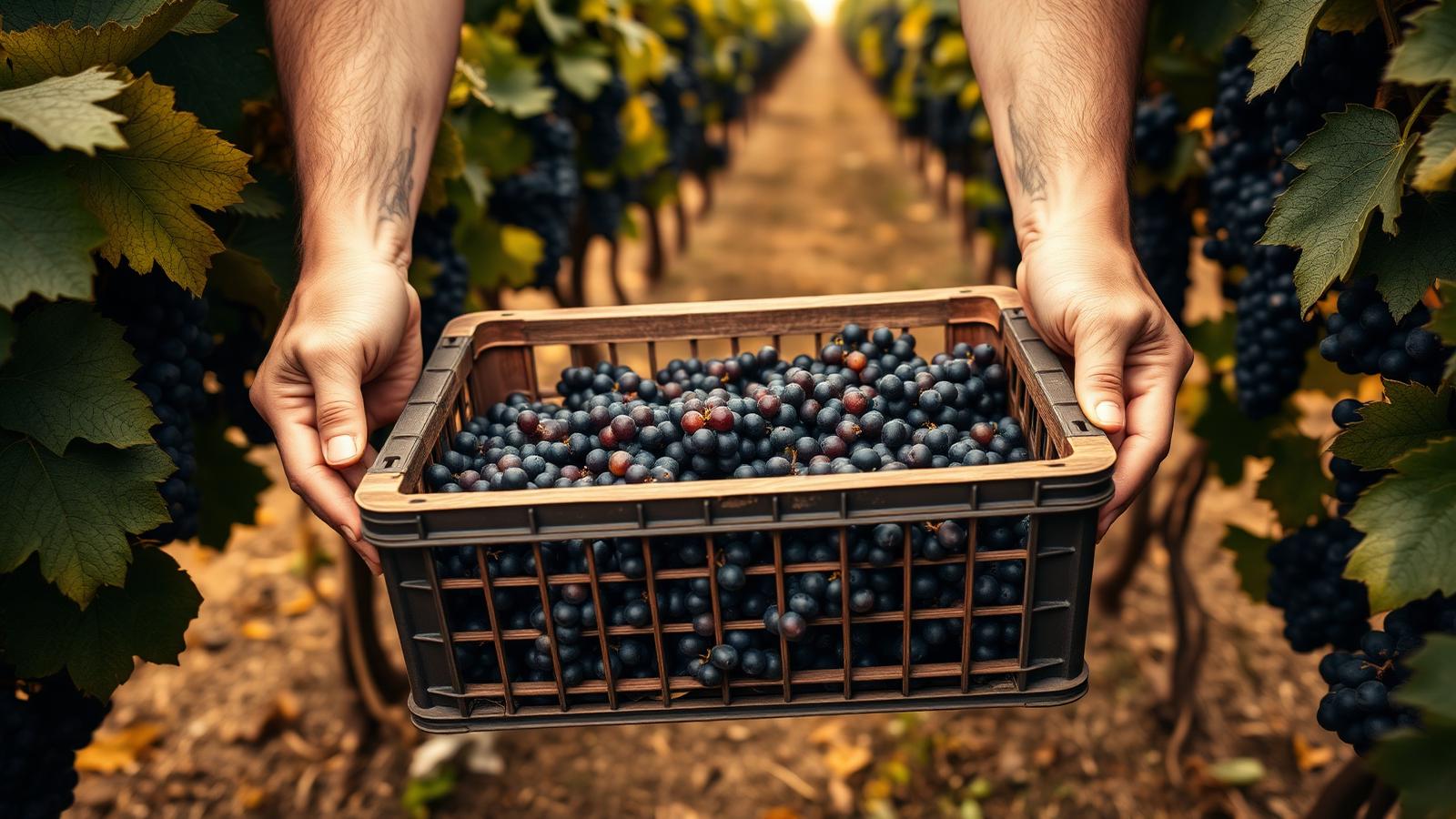
The most enchanting times to visit are generally spring (April-May) when the landscape bursts into bloom and the weather is mild, or autumn (September-October) during the harvest season. Autumn offers vibrant fall foliage, comfortable temperatures, and the exhilarating bustle of grape picking and crush at local establishments. Summers can be warm and humid, while winters are typically mild, though some venues may have reduced hours. Checking individual operating schedules is always a good idea, especially outside of peak seasons, to ensure the best experience.
Are there many dining options near the wine-producing areas, and what kind of cuisine can I expect?
Absolutely! The Piedmont region offers a delightful array of dining experiences, from casual country eateries to more refined establishments. You can expect to savor authentic Southern cuisine, featuring locally sourced ingredients. Think slow-cooked barbecue, fresh seasonal vegetables, farm-to-table menus, and comfort foods. Many places celebrate traditional dishes with a contemporary twist, and it's increasingly common to find restaurants thoughtfully pairing their menus with local wines. Exploring charming small towns often reveals hidden culinary gems.
What kind of transportation is recommended for exploring the Piedmont's wine country?
Given the rural nature of many wine-producing areas in the Piedmont, a personal vehicle is highly recommended for independent exploration. This allows the flexibility to navigate between different locations at your own pace and discover charming backroads. Alternatively, for a more relaxed experience, consider hiring a local car service or joining a small, organized tour. These options offer the convenience of transportation and often provide fascinating insights into the region's culture and winemaking. Always plan for a designated driver if you intend to sample wines.
Beyond wine tasting, what other activities are available for visitors in the Piedmont region?
The Piedmont offers a wealth of activities to complement your wine journey. Nature lovers can explore numerous state parks, hiking trails, and picturesque lakeside areas for boating or fishing. History buffs will appreciate the many historical sites, charming small towns with restored main streets, and local museums that celebrate the region's heritage. Antiquing, visiting local artisan shops, and attending seasonal farmers' markets or festivals are also popular ways to immerse yourself in the local culture. The gentle, rolling landscape is also perfect for scenic drives and photography.