

Lake Erie Wine Guide
Wineries in Lake Erie
View all 33 wineries →The Lake's Embrace
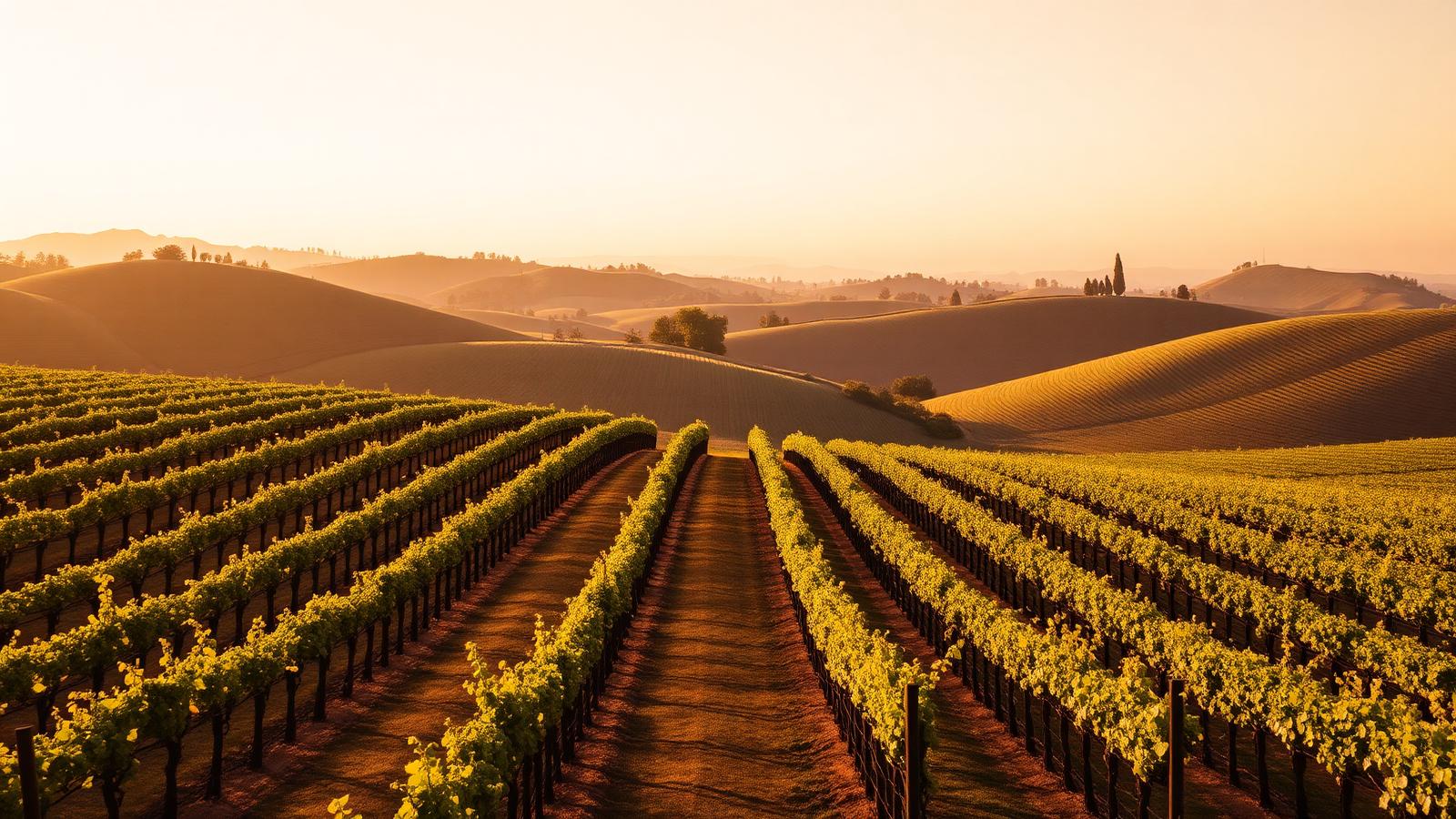
The intimate connection between Lake Erie and its vineyards is the very soul of this winemaking region. The sheer volume of water acts as a natural thermostat, delaying springtime frosts that could harm new growth and extending the growing season well into autumn, protecting precious grapes from early freezes. This unique microclimate is a gift, allowing varietals sensitive to temperature fluctuations to thrive. The breezes carrying across the lake keep the air circulating through the vine rows, an invisible hand guiding the health and vigor of the plants. It's a testament to nature's influence, creating a haven where the balance is just right for nuanced flavors.
Local Flavors and Grapes
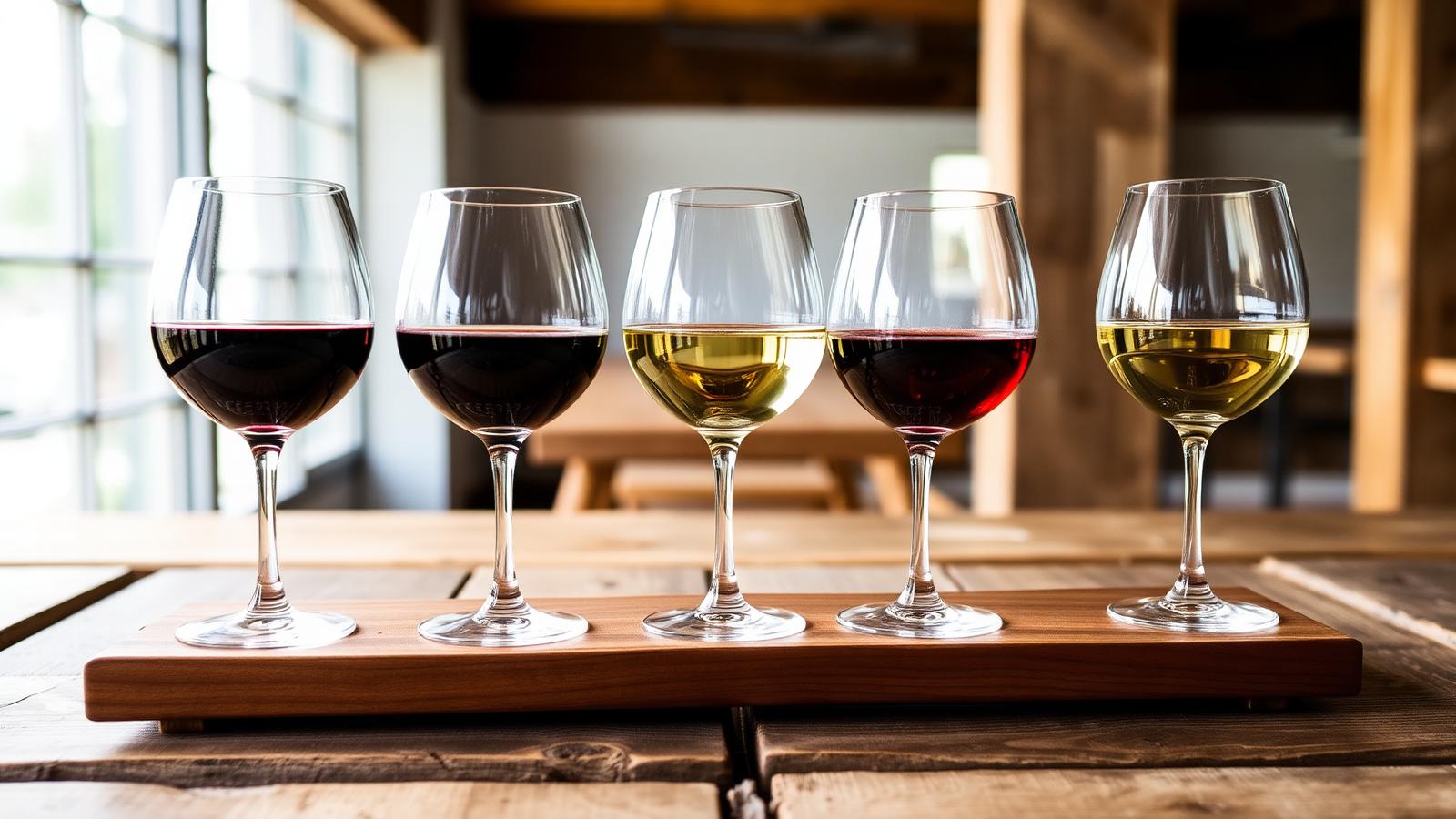
The culinary traditions of the Lake Erie shore are deeply intertwined with its agricultural bounty and, naturally, its wines. Fresh catches from the lake, often pan-fried or lightly grilled, find a harmonious pairing with the bright, crisp whites that define much of the region's character. Grapes such as and flourish here, yielding wines with a refreshing acidity and often subtle mineral notes derived from the glacial soils. Hybrid varietals also thrive, bringing a delightful range of aromatic whites and fruit-forward reds. Imagine a leisurely afternoon meal, perhaps a perch sandwich, accompanied by a chilled glass reflecting the sun over the vineyards, a simple yet profound pleasure.
Planning a visit to Lake Erie
Best time to visit Lake Erie
Late spring and early autumn are the choices — comfortable weather, generous light, and vineyards at their most photogenic. Summer is warmer and livelier, with long evenings and outdoor tables everywhere. Winter is peaceful, cellars are quiet, and there's a real intimacy to visits without the crowds.
Where to base yourself
The main village or town in Lake Erie is usually the easiest base — it puts you in walking distance of restaurants and daily life, with vineyards a short drive away. Staying in the countryside is quieter and more romantic, but you'll rely more on a car or a driver. Both are valid; pick the mood you want your trip to have.
Getting to Lake Erie
Most travellers reach Lake Erie by combining a flight into the nearest major city with a train, bus, or rental car for the last leg. Once you arrive, distances are usually short — many memorable days here involve less driving than you'd expect.
Making the most of a day in Lake Erie
A good day in Lake Erie tends to have a shape: a slow morning, a couple of unhurried tasting stops, a proper local lunch, and time in the late afternoon to walk, nap, or take in a view. Try not to over-plan — the best moments usually turn up between the ones you scheduled.
Frequently asked questions
What is the best time of year to visit the Lake Erie wine region?
The most enchanting time to experience the Lake Erie wine region is typically from late spring, around May, through early autumn, into late October. Spring offers the beauty of budding vines and nascent growth, while summer provides warm, sunny days perfect for touring. The harvest season in late September and October is particularly vibrant, with a palpable energy in the air and stunning fall foliage. Although some establishments may have reduced hours, even a winter visit can be charming, with a cozy atmosphere and the chance to enjoy robust red wines beside a warm fireplace, often with fewer crowds.
What kind of wine styles should I expect to find and try here?
Due to the unique microclimate influenced by Lake Erie, this region excels in vibrant, often aromatic wines. You can anticipate a delightful array of crisp, refreshing white wines, frequently made from , , and some of the well-adapted hybrid varietals, which often exhibit bright fruit characteristics and a clean finish. While white wines are prominent, you'll also discover very approachable red wines, typically lighter to medium-bodied, with pleasant red fruit notes. Don't be surprised to find charming fruit wines as well, reflecting the local agricultural diversity, often perfect for a casual, warm-weather sip. Sweet wines, including sparkling options, are also a regional highlight.
What are some practical tips for traveling around the Lake Erie wine region?
To fully appreciate the Lake Erie wine region, planning is key, as the area is best explored by car due to the spread-out nature of the vineyards and towns. Consider visiting during weekdays to avoid weekend crowds, especially during peak harvest season. Many tasting rooms appreciate advance notice for groups. It's always a good idea to stay hydrated, appointing a designated driver if you plan on sampling extensively. Bring comfortable walking shoes for vineyard strolls and layers of clothing, as the lakeside weather can be changeable. Most importantly, embrace the slower pace of life here; allow ample time at each stop to truly savor the experience.
What local culinary specialties should I look for to pair with the wines?
The culinary scene around Lake Erie celebrates fresh, regional ingredients that pair beautifully with the local wines. Look for fresh catches from the lake, particularly walleye and yellow perch, often prepared simply to highlight their delicate flavors – these are exquisite with the region's crisp white wines. You'll also find locally grown produce, especially in the late summer and fall, which features in many restaurant dishes and roadside stands. Artisanal cheeses and charcuterie from nearby farms are also becoming more common, offering delightful pairings for both red and white selections. Don't overlook the simple pleasures of a locally baked pie or fresh fruit for dessert, celebrating the agricultural abundance of the land.