

Central Zone Wineries & Wine Tours
Sub-regions
Culinary Harmonies
The culinary traditions of the Central Zone are deeply rooted in the land, celebrating fresh, seasonal ingredients that pair seamlessly with its wines. Think of slow-cooked meats, robust stews, and homemade delights passed down through generations. The asado, a traditional Uruguayan barbecue, is a centerpiece—succulent cuts of locally raised beef grilled to perfection, often accompanied by fresh salads and crusty bread. Pasta dishes, influenced by Italian heritage, are also common, rich with savory sauces. Every meal here is an unhurried, communal experience, where the honest flavors of the food echo the straightforward elegance of the region's wines.
Grapes of Distinction
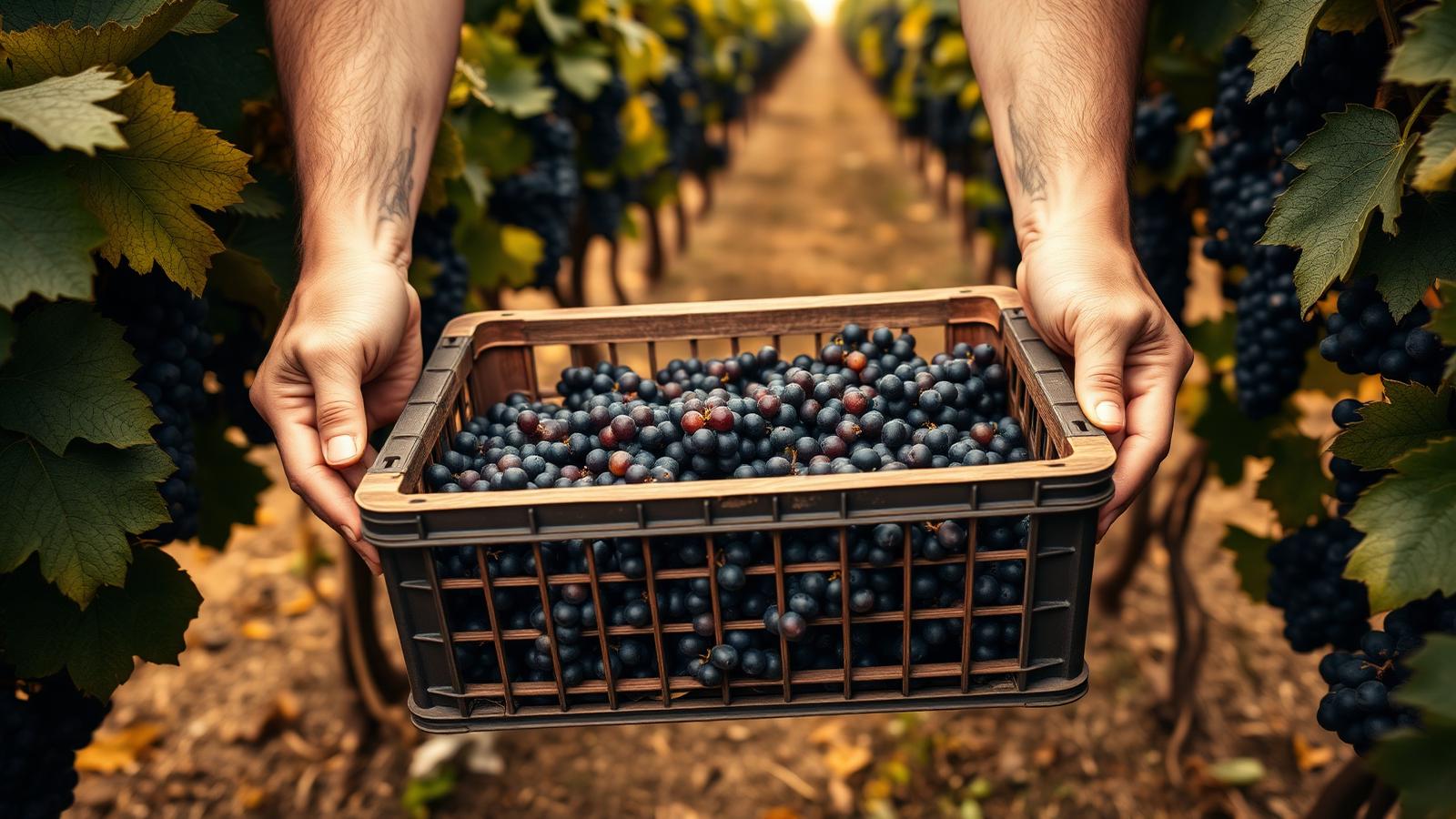
While Uruguay is renowned for its , this central region excels in crafting expressions of this grape that are both powerful and approachable, often showcasing notes of plum, spice, and a velvety texture. Beyond Tannat, a diverse array of varietals thrives, including and , which contribute to beautiful, age-worthy blends. White grapes like also find a happy home here, yielding wines with a refreshing character and surprising depth. The dedication to quality across this spectrum allows the Central Zone to offer a rich tapestry of flavors, each bottle telling a story of thoughtful cultivation and winemaking prowess.
The Terroir's Embrace
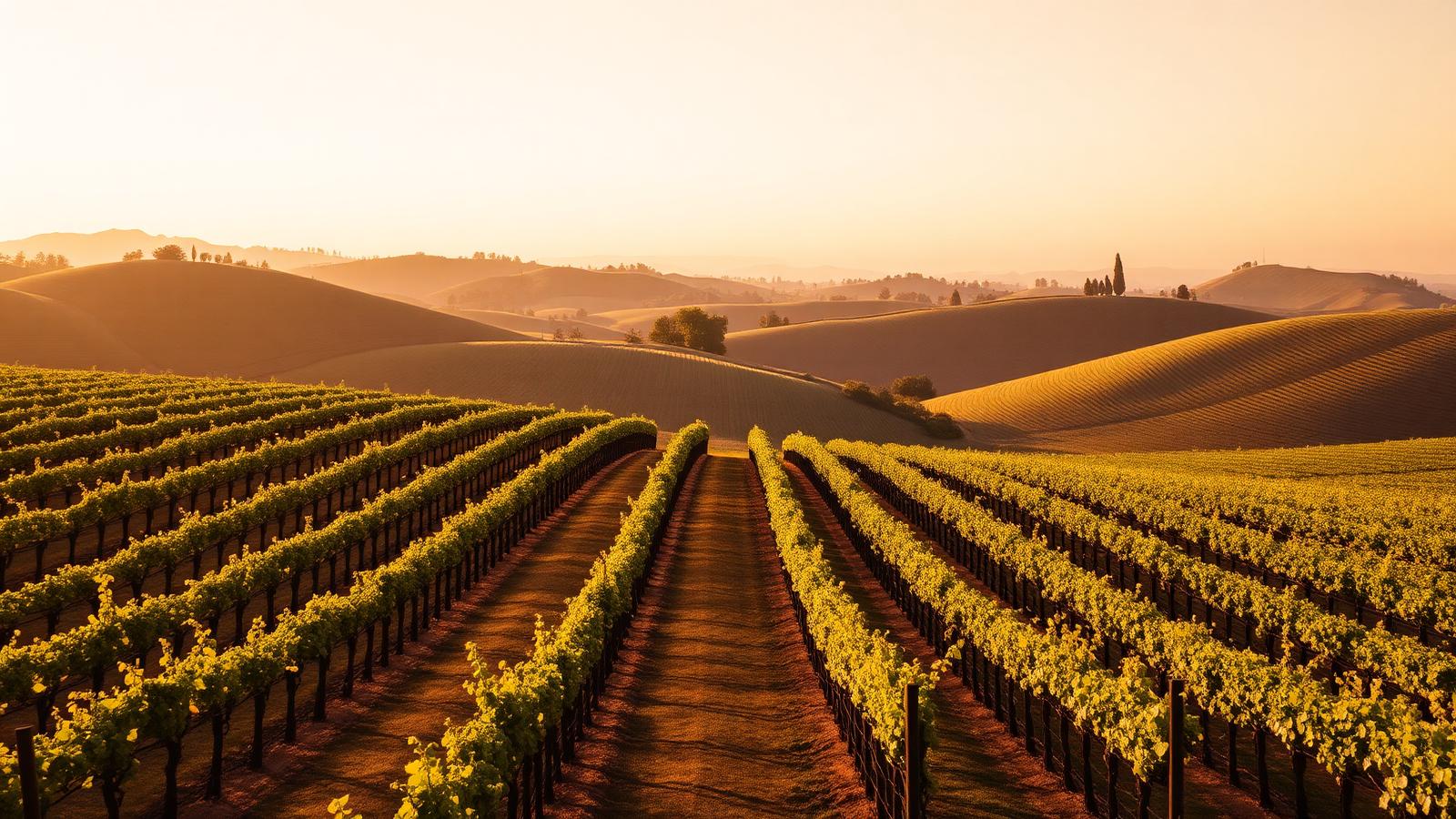
The Central Zone's terrain is a gently rolling expanse, far from dramatic mountains but rich with subtle variations. Its clay and limestone-rich soils provide excellent drainage and impart a distinct minerality to the grapes grown here. The climate is a fascinating blend of warm, sunny days tempered by the maritime influence of the nearby Atlantic, bringing cooling breezes that preserve acidity and extend the ripening period. This natural balance is crucial for cultivating grapes that achieve both ripeness and freshness, allowing for elegant, structured wines that reflect their unique origins. The landscape, dotted with olive groves and fields, creates a tranquil backdrop for viticulture.
Getting to know Central Zone
What Central Zone tastes like
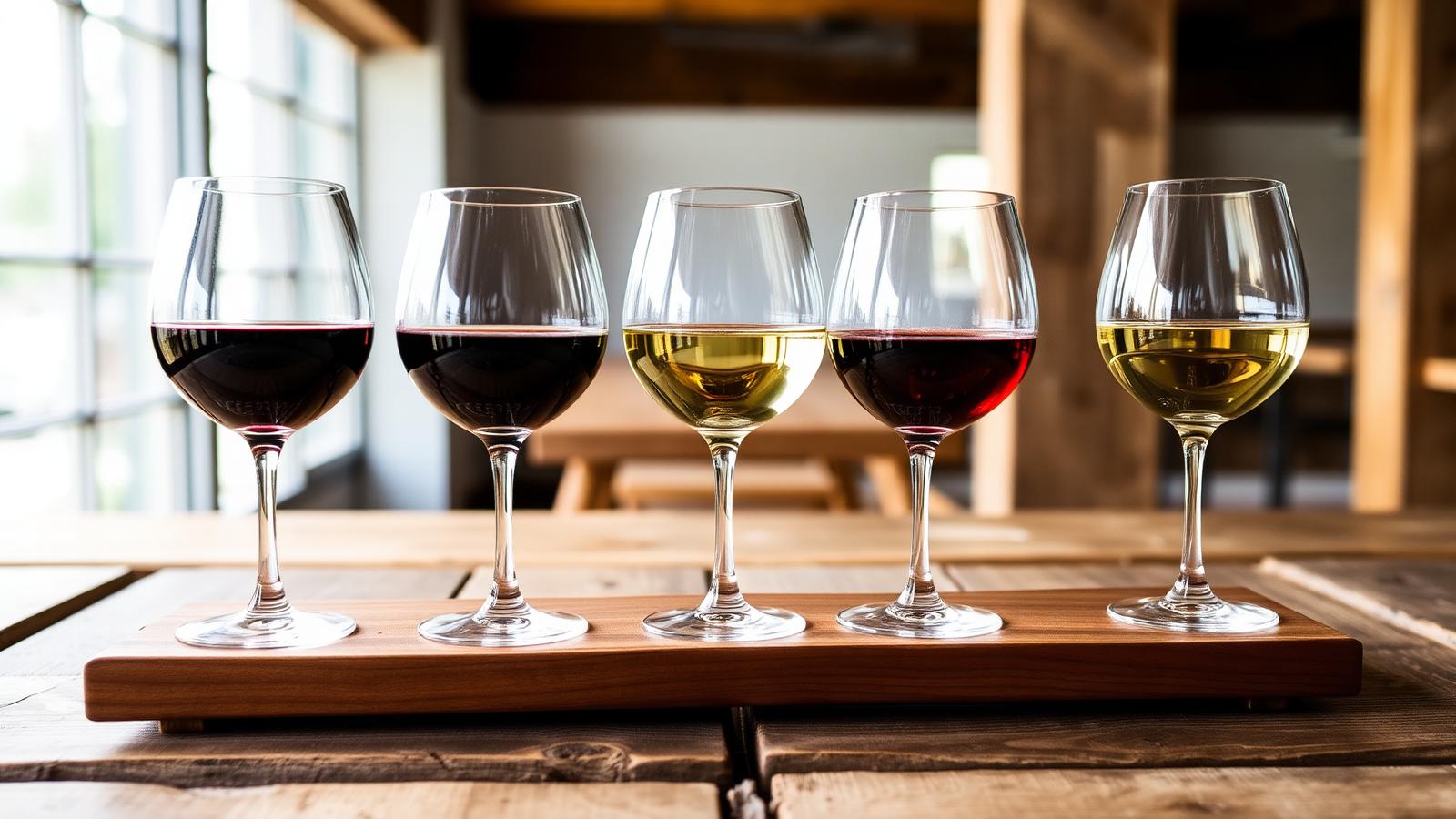
Wines from Central Zone tend to reflect the region's climate and terrain more than any single style. Look for a sense of place in the glass — mineral notes from stony soils, freshness where nights are cool, richer texture where the sun lingers longer. A short flight of local wines is the fastest way to feel the range.
Rhythms of the year
Central Zone moves with the seasons. Spring is quiet and green, summer brings long light and full terraces, harvest is intense and communal, and winter turns the vineyards into a stark, beautiful sculpture. Every season is a good reason to come — they just make very different trips.
Beyond the tasting room
Some of the most memorable moments in Central Zone happen away from the vines: a bakery in the next village over, a viewpoint at sunrise, a slow lunch that turns into a slow afternoon. Leave room in your itinerary for the things you can't plan.
Frequently asked questions
What is the best time of year to visit the Central Zone for wine tourism?
The ideal time to explore the Central Zone is during the Uruguayan autumn, from March to May, when the harvest is in full swing. This period offers pleasant weather for vineyard tours and the opportunity to witness winemaking activities firsthand. Spring, from September to November, is also wonderful, with blooming landscapes and mild temperatures perfect for leisurely drives and outdoor tastings. Summers can be warm, but the Atlantic breezes often provide relief, making it enjoyable, especially for those who also wish to visit nearby coastal areas.
How should I plan my transportation within the Central Zone?
Renting a car is highly recommended for exploring the Central Zone, as it offers the most flexibility to visit various points of interest at your own pace. The roads are generally well-maintained, and the scenic drives between rural settings are part of the experience. Alternatively, some local operators offer guided tours that include transportation, allowing you to relax and enjoy the tastings without concerns about driving. It's always wise to arrange transportation in advance, especially during peak seasons.
What types of accommodation can I expect in the Central Zone?
Accommodation in the Central Zone reflects its tranquil, rural character. You can find charming inns and guesthouses on working farms, often offering a true taste of Uruguayan country life with homemade meals and serene surroundings. There are also smaller, boutique hotels in some of the more established towns, providing comfortable amenities. For a truly immersive experience, look for accommodations that offer direct access to vineyards or local culinary experiences. Booking ahead, particularly for weekend stays, is advisable to secure your preferred option.
Are there activities beyond wine tasting in the Central Zone?
Absolutely! The Central Zone offers a rich tapestry of experiences beyond its wines. You can enjoy horseback riding through rolling vineyards and pastures, embark on nature walks or birdwatching excursions in protected areas, or simply soak in the peaceful rural atmosphere. Quaint villages invite exploration, with their historic churches and local craft shops. Many establishments also offer cooking classes focusing on regional cuisine, providing a deeper dive into the local culture. It’s a region designed for relaxation and appreciating the unhurried pace of authentic country living.