

Wineries & Wine Tours in Uruguay
Regions
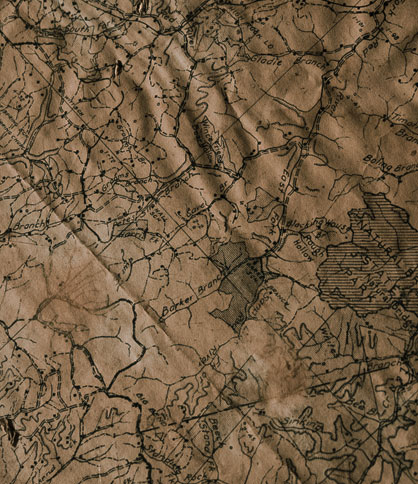
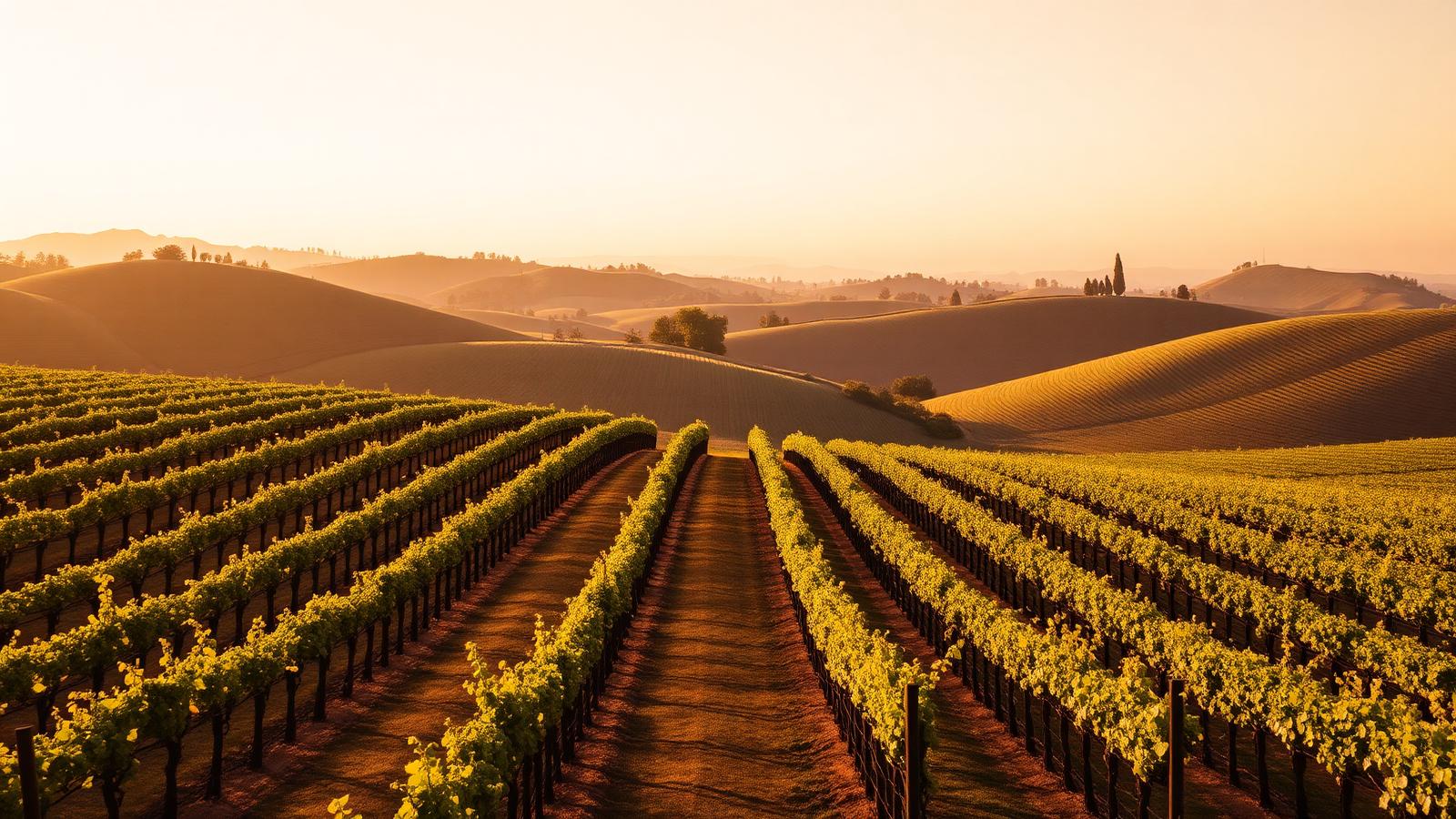
Imagine a land where the South Atlantic breeze whispers through vine leaves, carrying the scent of rich earth and burgeoning fruit. Uruguay, a verdant jewel between two giants, charts its own course in the New World of wine. Here, the landscape unfurls in gentle undulations, a tapestry of rolling hills and fertile plains, carved by tranquil rivers that wind towards the vast, shimmering coastline. It is a place of quiet determination, where winemaking isn't just an industry, but a deeply woven thread in the fabric of everyday life.
This is a story told in robust reds and innovative whites, a narrative shaped by a climate that dances between maritime influences and sun-drenched days. The air here holds a distinctive humidity, a life-giving moisture that encourages the vines to drink deeply and express the unique . You'll find a spirit of warmth and genuine hospitality, where each glass poured feels like an invitation to linger, to connect, and to savor the simple, profound pleasures of the land.
To journey through Uruguay's wine regions is to embrace a rhythm of life that values unhurried moments. It's about witnessing the passion of generations dedicated to their craft, feeling the sun on your skin as you stroll through a vineyard, and tasting the very soul of the country in its diverse and distinctive wines. This is an invitation to explore, to discover, and to let the gentle grace of Uruguay captivate your senses, one memorable sip at a time.
The Embrace of the Atlantic
Uruguay's wine identity is undeniably shaped by its intimate relationship with the Atlantic Ocean. The coastal influence brings cooling breezes that temper the summer heat, allowing grapes to ripen slowly and develop complexity. This maritime climate, coupled with a generally flat to gently undulating topography, creates conditions conducive to balanced acidity and fresh aromatics in the wines. From the vibrant coastal plains to the inland hills, water is a constant presence, whether from the ocean's breath or the numerous rivers that crisscross the land, imbuing the with a unique character that finds its voice in every bottle made here.
Cuisine and Companion
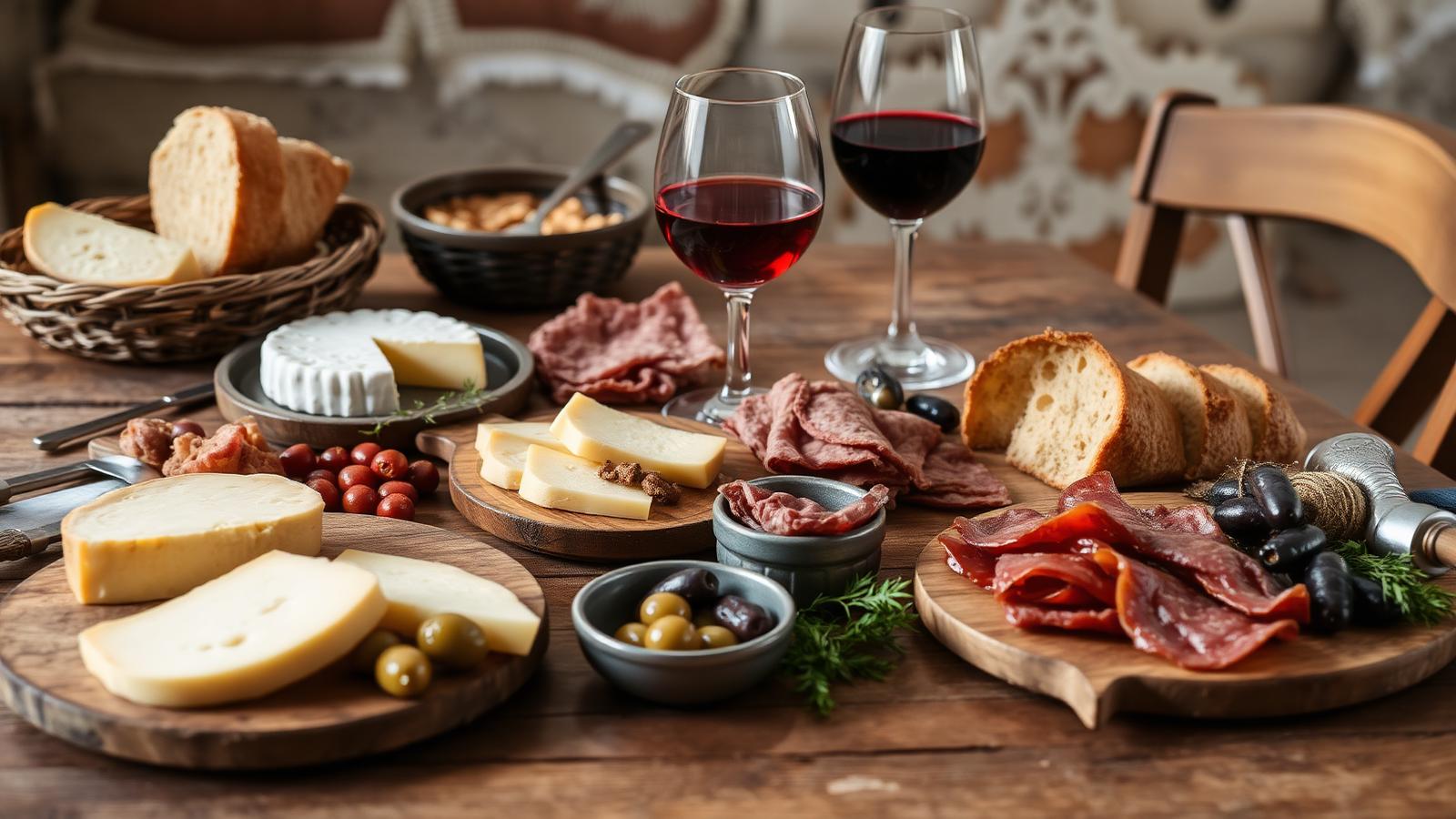
The culinary traditions of Uruguay are deeply intertwined with its wines, creating a symphonic experience for the senses. Imagine savoring a perfectly grilled *asado*, the smoky char of the meat finding its ideal partner in a hearty, full-bodied . Or perhaps a delicate accompanying the fresh bounty of the Atlantic, celebrated in local seafood dishes. Long, convivial meals are a cornerstone of Uruguayan culture, where food is shared generously, and wine flows freely, enhancing conversation and deepening connections. It’s a culture of enjoying life’s simple pleasures, often around a table laden with wholesome, flavorful dishes.
What makes a trip here special
A landscape shaped by the vine
Vineyards in Uruguay follow the geography — rivers, ridgelines, coastlines, and altitude all leave their fingerprints on the wine. Driving between regions is often as memorable as the tastings themselves.
Food that grew up next to the wine
The best pairings for Uruguay's wines are almost always the dishes that grew up alongside them. Local markets, family-run restaurants, and roadside stops turn a wine trip into a full sensory tour of the country.
A calendar worth planning around
Harvest, pruning, spring flowering, and long lazy summers each give Uruguay's wine regions a completely different mood. Choosing when you visit is almost as important as choosing where.
Frequently asked questions
What is the best time of year to visit Uruguay for wine tourism?
The ideal time for wine enthusiasts to visit Uruguay is typically during the Southern Hemisphere's spring and autumn. From September to November (spring), the vineyards are lush and green, and the weather is pleasantly mild, perfect for touring. February to April (autumn) offers the exciting atmosphere of the harvest season, often with special events and a chance to see the winemaking process firsthand. Summers (December-February) can be warm, while winters (May-August) are cooler but still offer a peaceful, uncrowded experience with cellar tours and tastings.
Are wine tastings and tours generally English-friendly in Uruguay?
While Spanish is the official language, many wineries in Uruguay, particularly those that cater to international visitors, often have staff who speak English. It is always a good idea to inquire when booking your tour or a tasting. In smaller, family-run establishments, you might find a more immersive experience where a little Spanish could be helpful, but the warmth of Uruguayan hospitality generally shines through any language barrier, making every visit memorable and welcoming. Don't hesitate to ask; many are eager to share their passion.
What are the common transportation options for visiting wineries in Uruguay?
Exploring Uruguay's wine regions can be done in several ways. Renting a car provides the most flexibility, allowing you to discover at your own pace, especially beneficial in more rural areas. Alternatively, many specialized wine tour companies offer guided excursions, usually including transportation from Montevideo or Punta del Este, which is a convenient option if you prefer not to drive. Taxis or ride-sharing services can also be utilized for shorter distances between properties within a closer region, though pre-booking is often recommended for efficiency.
Is it necessary to make reservations for winery visits and tastings in advance?
It is highly recommended to make reservations for winery visits and tastings in Uruguay, especially if you are traveling during peak season or have specific properties you wish to experience. Many wineries operate by appointment to ensure they can provide a personalized and unhurried experience. Booking ahead guarantees your spot and allows the winery to prepare for your arrival, potentially offering a more in-depth tour or a specific tasting suited to your interests. Spontaneous visits are sometimes possible, but reservations minimize disappointment.